
Woodland stream in the Catskills — History & Facts
In the quietude of nature, what do we find in the spaces where sound recedes, leaving a profound emptiness? Focus on the cascading water—its gentle flow draws your eye along the winding path of the stream, shimmering under a canopy of greens and golds. Notice how the light dances upon the surface, illuminating the rocks beneath and casting reflections that ripple across the canvas. The vibrant hues of the foliage embrace the scene, each leaf meticulously rendered, creating a lush frame that envelops the viewer in tranquility. Hidden within the serenity lies a subtle tension between the wild and the cultivated.
The contrasting forms of the rugged rocks and the delicate reflections suggest a harmony that is often disrupted in nature. This delicate balance invites contemplation of the void, the untamed beauty that exists just beyond human reach, evoking a sense of both comfort and isolation. The brushwork captures the fleeting essence of time, each stroke a reminder of the beauty and ephemerality of the natural world. In 1848, while residing in the Catskill Mountains, the artist immersed himself in the sublime landscapes of America, a period marked by burgeoning Romanticism.
This work exemplifies his commitment to capturing the majesty of nature, reflecting the cultural shift toward valuing the American wilderness. It was a time of exploration, both of the land and of artistic expression, as Church solidified his role as a key figure in the Hudson River School movement.
More Artworks by Frederic Edwin Church
Browse all →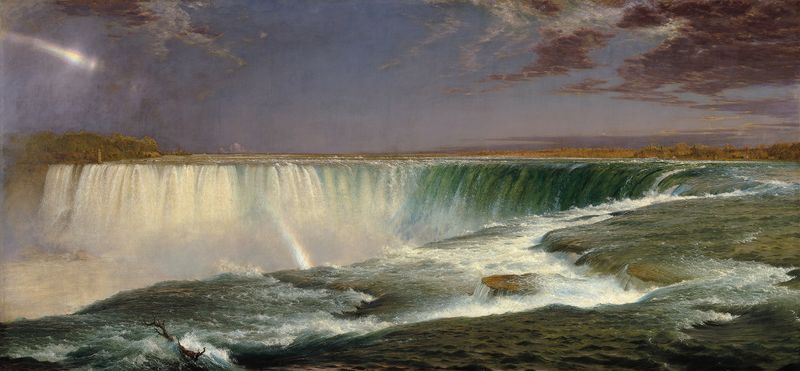
Niagara
Frederic Edwin Church
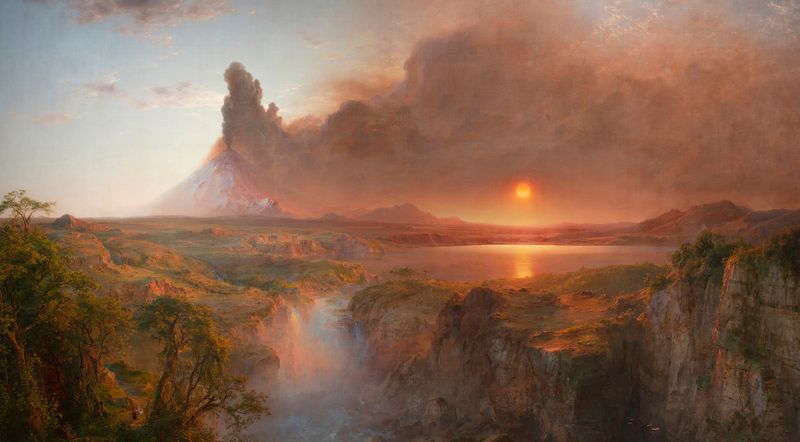
Cotopaxi
Frederic Edwin Church
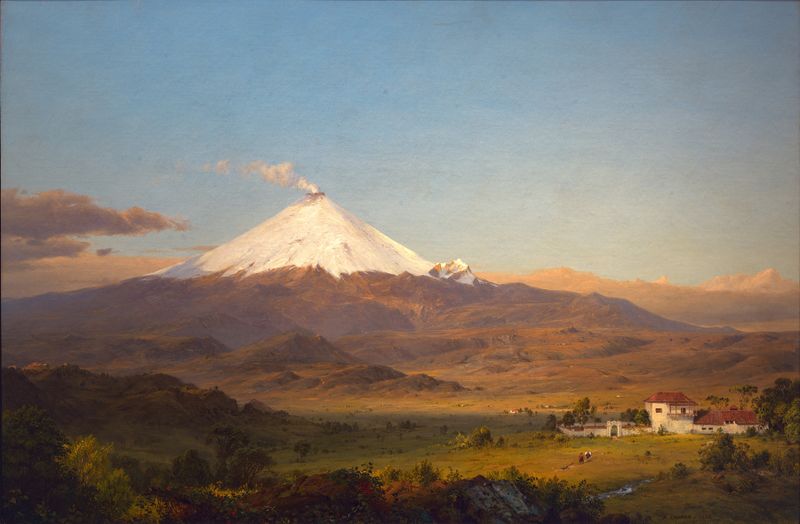
Cotopaxi
Frederic Edwin Church
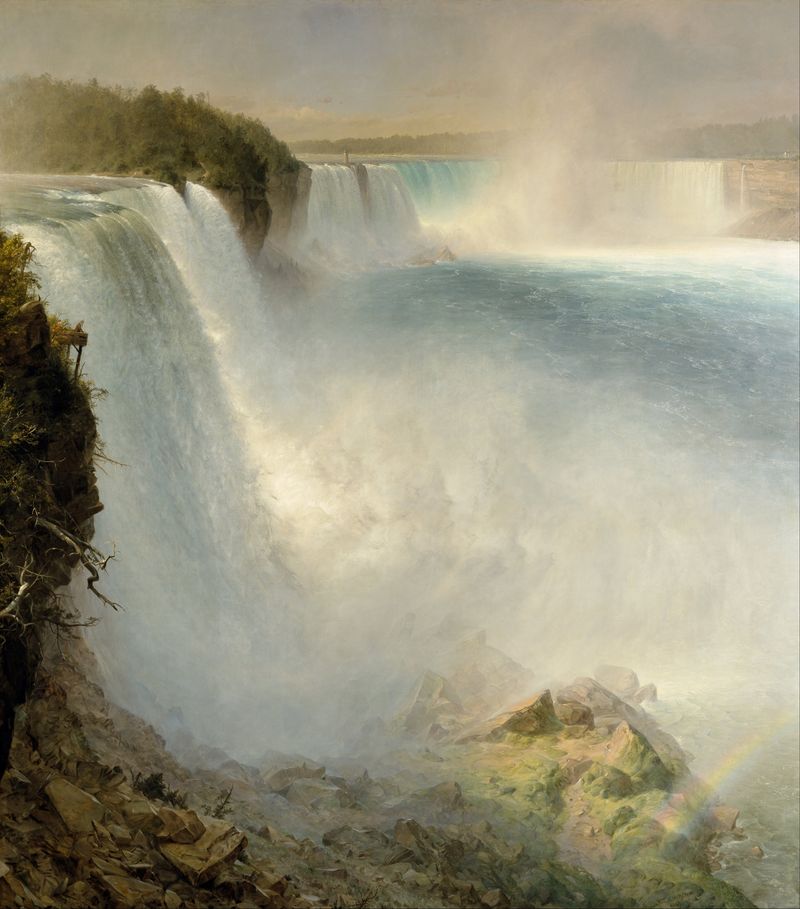
Niagara Falls, from the American Side
Frederic Edwin Church
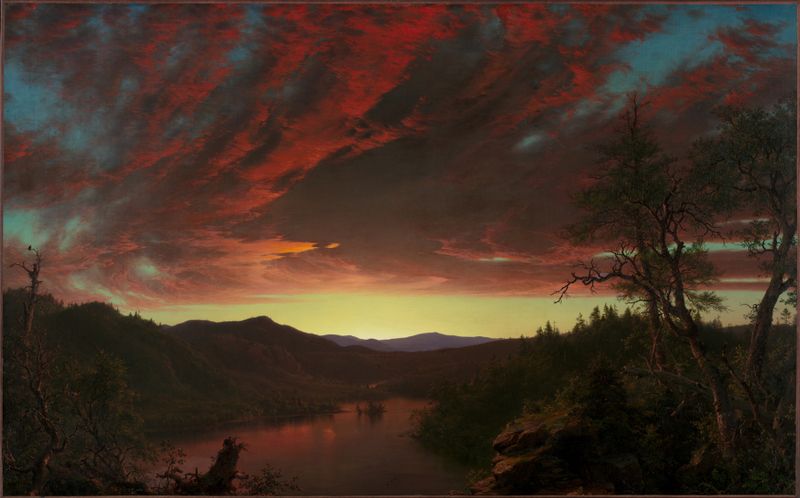
Twilight in the Wilderness
Frederic Edwin Church
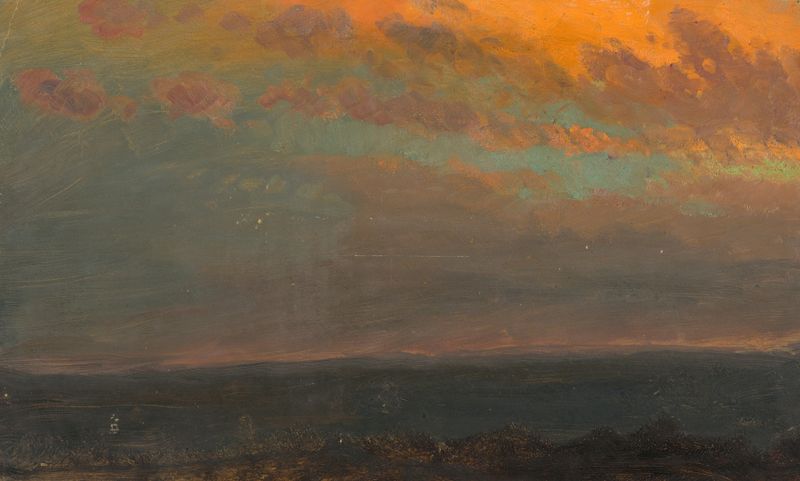
Hudson Valley at Sunset
Frederic Edwin Church
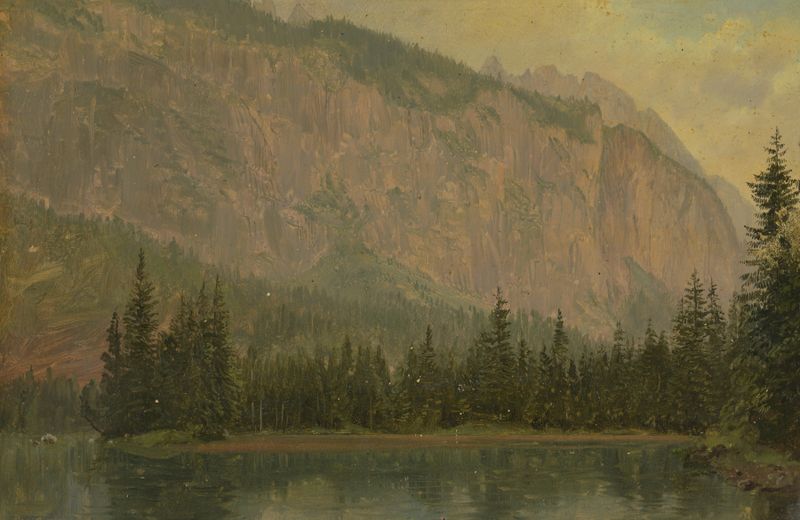
The Hintersee, near Berchtesgaden, Bavaria
Frederic Edwin Church
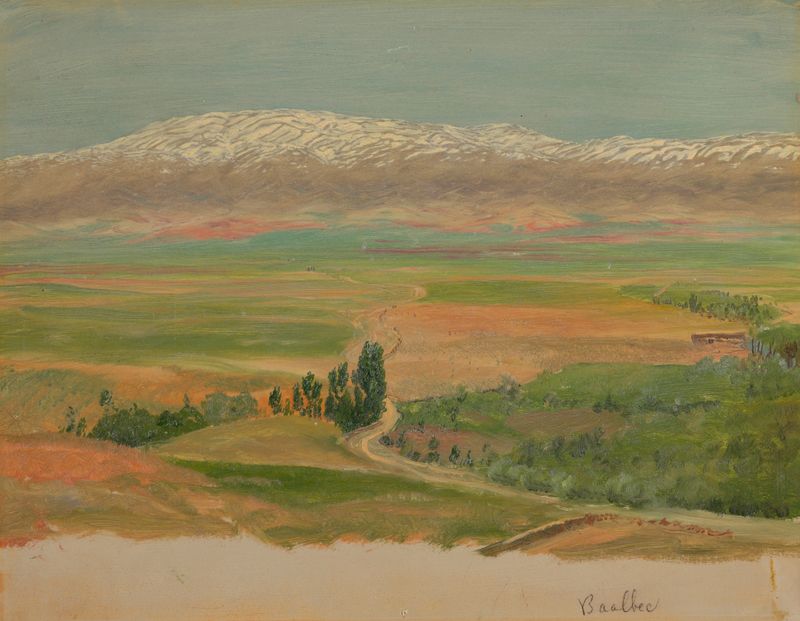
Mountains near Baalbec
Frederic Edwin Church
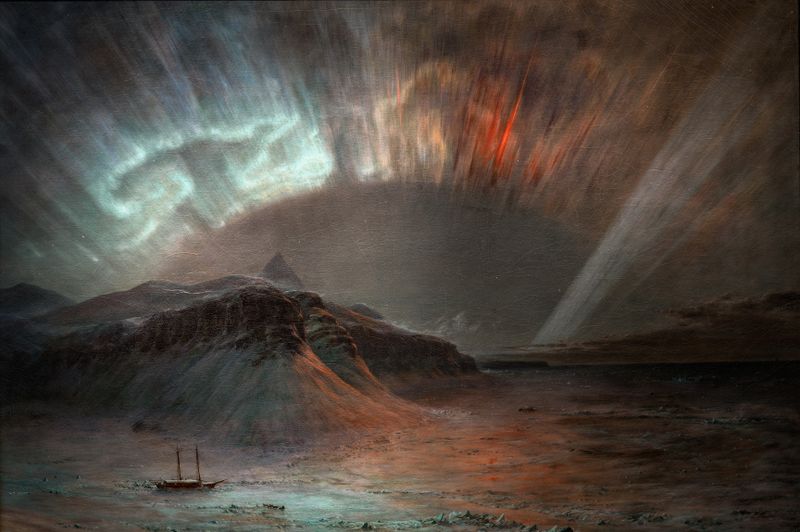
Aurora Borealis
Frederic Edwin Church
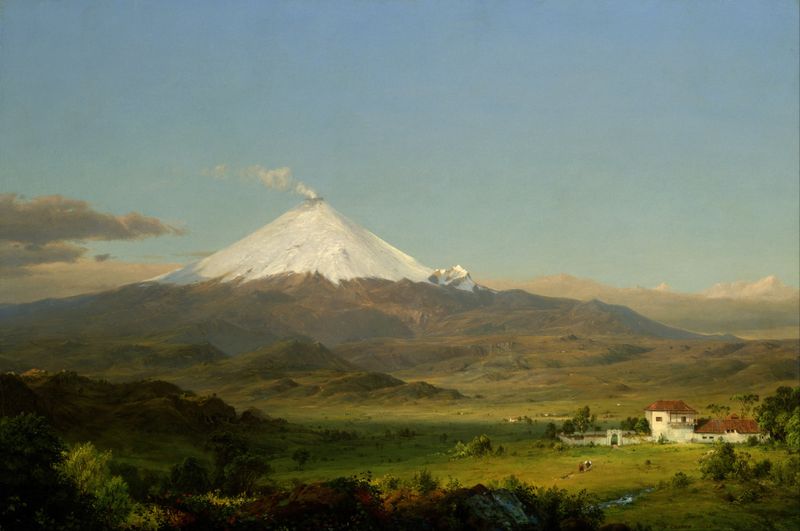
Cotopaxi
Frederic Edwin Church





