
Woods in autumn — History & Facts
What if silence could speak through light? In the hushed glow of autumn, a vibrant tapestry unfolds, where each brushstroke whispers the transient beauty of nature and its eternal cycles. Look to the center of the canvas, where a grand expanse of fiery foliage dominates the scene. Rich oranges and deep reds mingle with earthy browns, creating an inviting warmth that draws the eye. Notice how the light filters through the canopy, casting delicate shadows that dance across the ground, as if nature itself is in a delicate conversation with the viewer.
The meticulous attention to detail in the leaves and textures reveals the artist's commitment to capturing the sublime essence of autumn. Beneath the surface, the painting reflects a deeper significance—an interplay of change and permanence, evoking a tension between the exhilarating vibrancy of life and the inevitable decline that follows. Each leaf's brilliance speaks to the beauty of fleeting moments, reminding us that revolution often lies in the quiet acceptance of change. The dominant color palette, a blend of warmth and cooling shadows, underscores this dynamic tension, resonating with the viewer's own experiences of transformation. In 1865, when this piece was created, Church was deeply engaged in the American landscape movement, capturing the nation’s natural beauty with a renewed focus.
Living in an era fraught with social and political upheaval, he sought solace and inspiration in the wilderness, a retreat from the tumult of the world around him. This work, embodying the spirit of exploration and reflection, reflects both the artist's personal journey and the broader cultural shifts of his time.
More Artworks by Frederic Edwin Church
Browse all →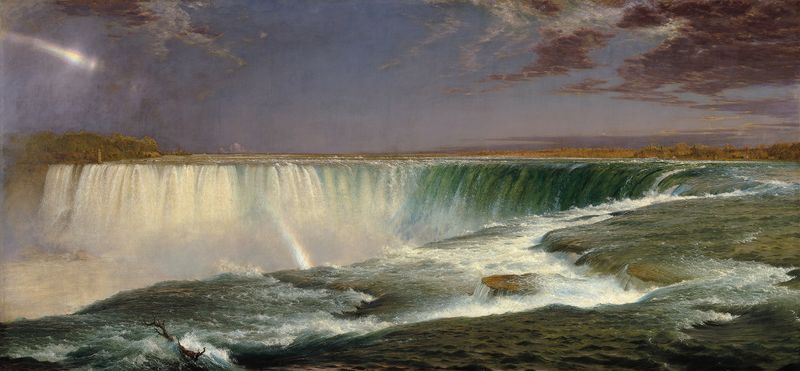
Niagara
Frederic Edwin Church
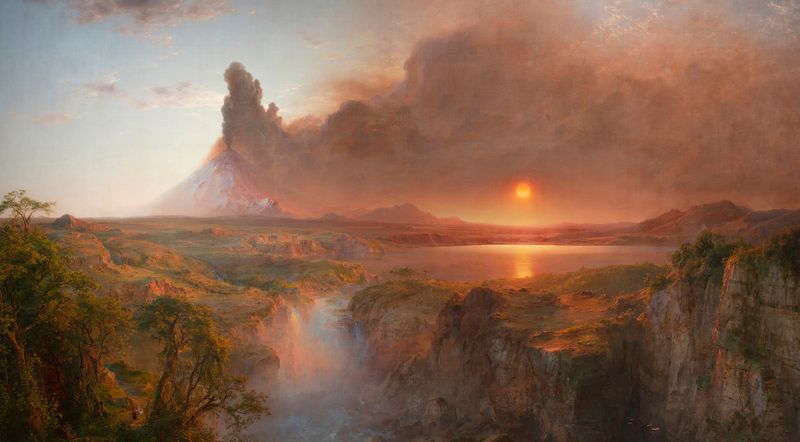
Cotopaxi
Frederic Edwin Church
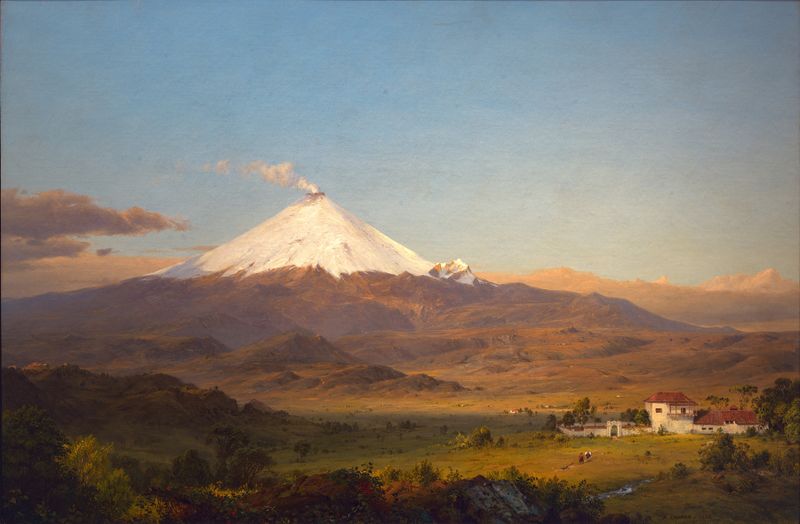
Cotopaxi
Frederic Edwin Church
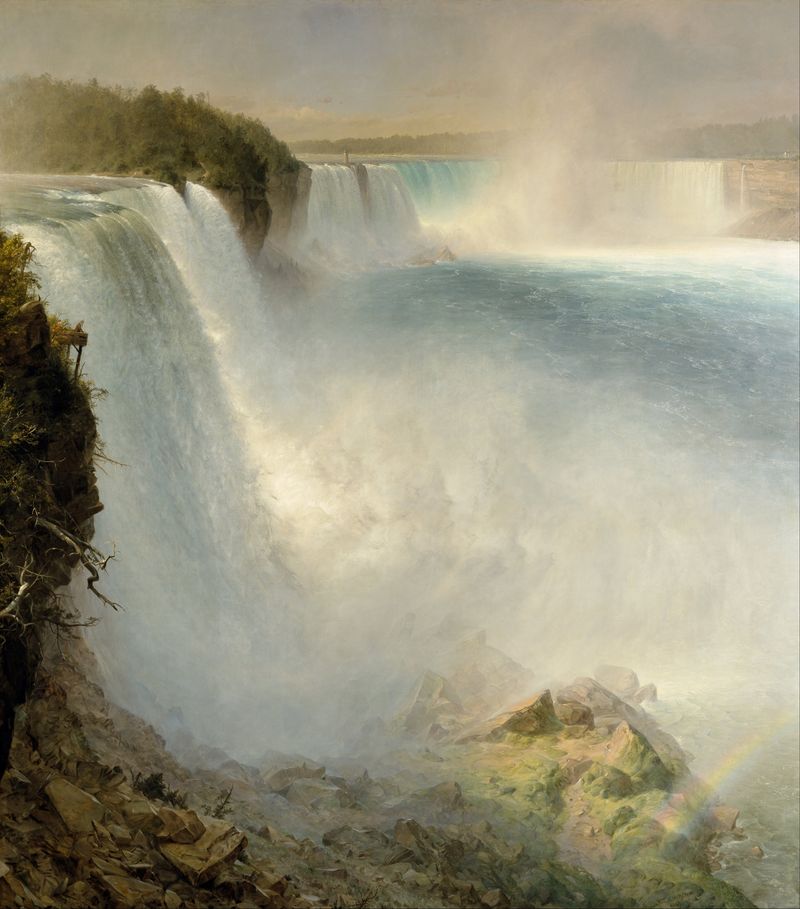
Niagara Falls, from the American Side
Frederic Edwin Church
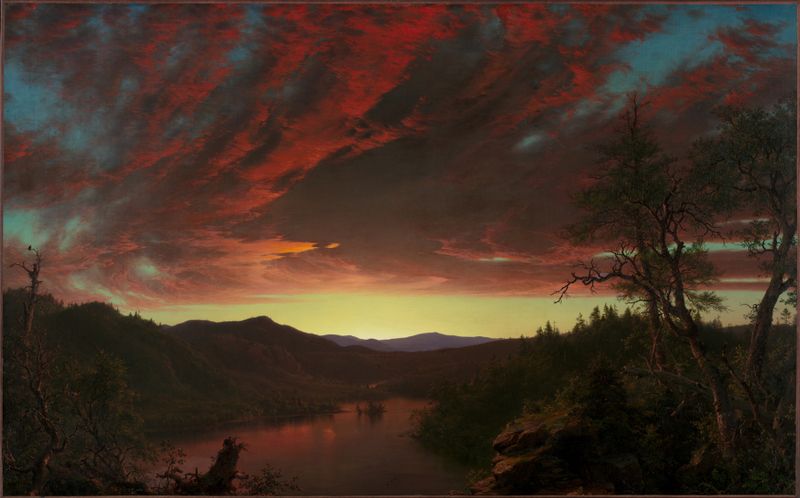
Twilight in the Wilderness
Frederic Edwin Church
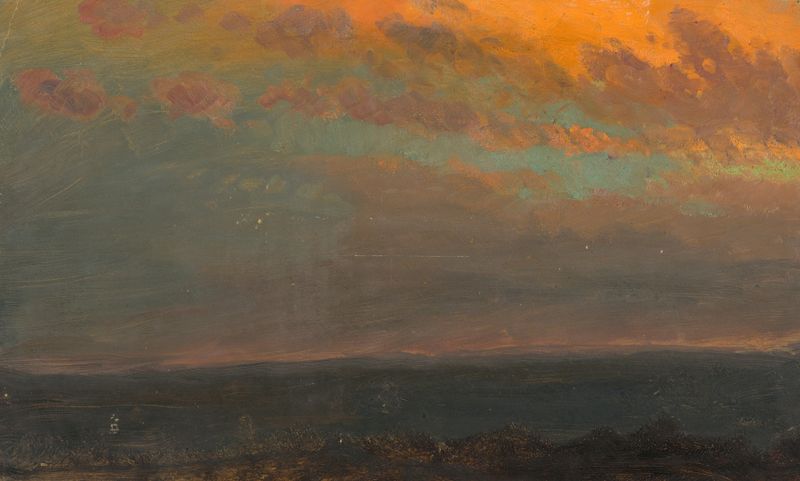
Hudson Valley at Sunset
Frederic Edwin Church
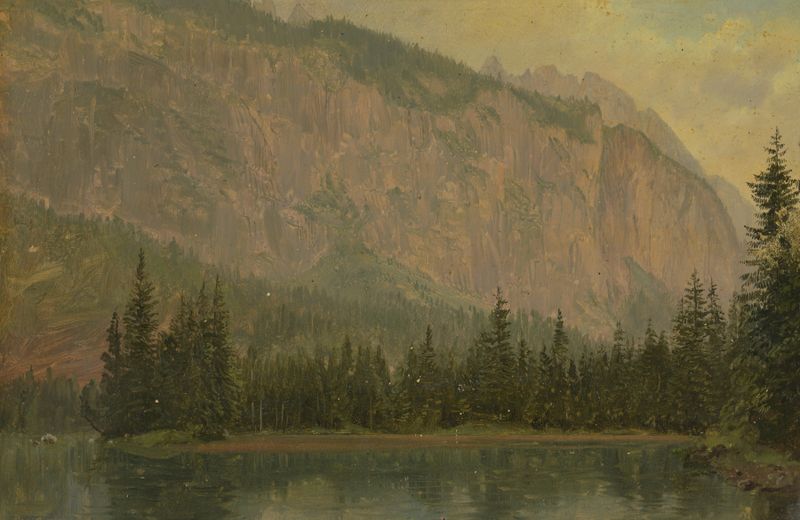
The Hintersee, near Berchtesgaden, Bavaria
Frederic Edwin Church
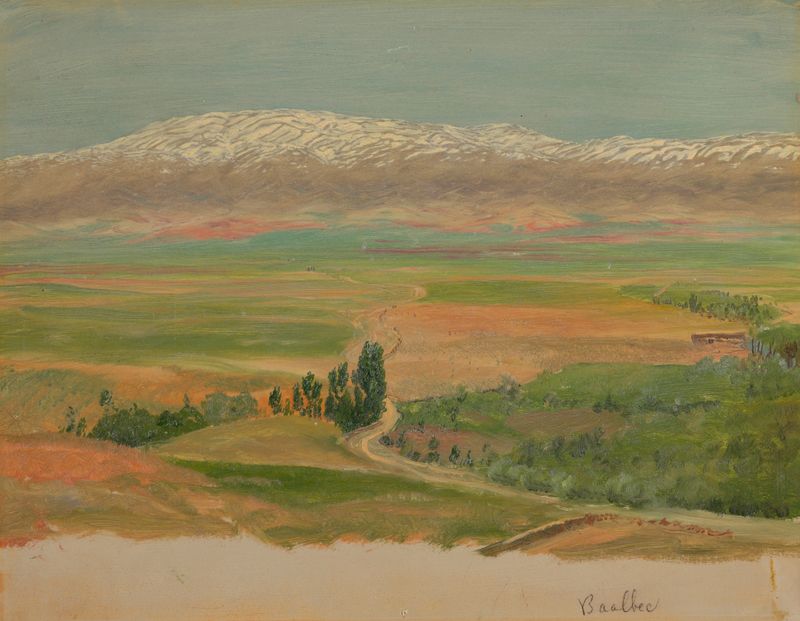
Mountains near Baalbec
Frederic Edwin Church
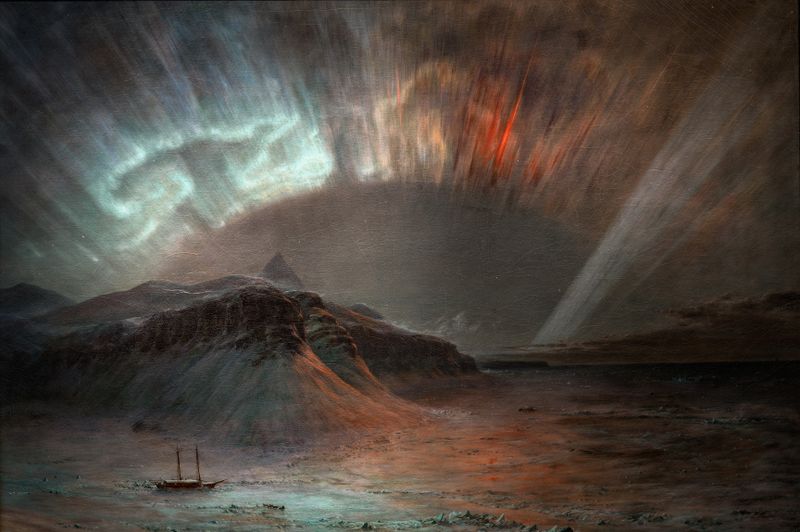
Aurora Borealis
Frederic Edwin Church
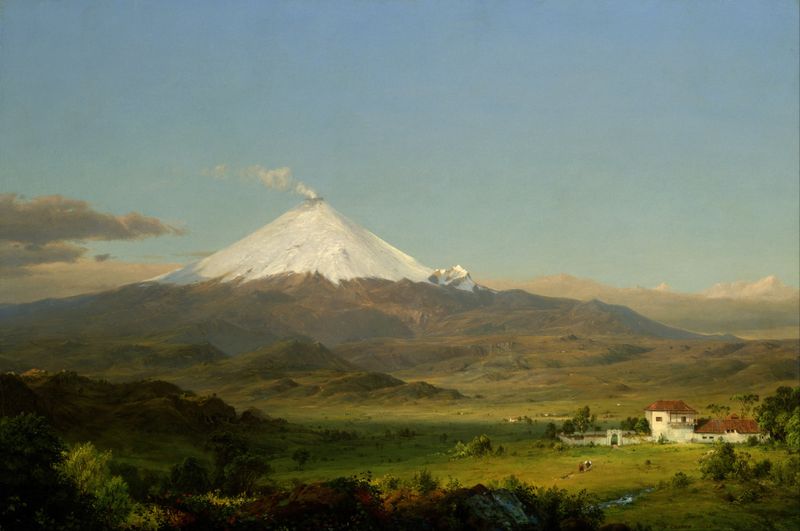
Cotopaxi
Frederic Edwin Church





