
Work on the Pont National — History & Facts
The first thing that catches the eye in Work on the Pont National is the dance of industry and labor unfolding beneath a pale, sunlit sky. The scene is alive with movement: a woman bends at the water’s edge, her gesture mirrored by the gentle curve of the shoreline, while a horse-drawn cart and a smoking steam crane animate the bank. The red hull of the barge dominates the right, its reflection broken into flickering patches of color that ripple across the water.
Guillaumin’s brushwork is brisk and bright, lending every surface—from the sandy bank to the billowing smoke—a sense of immediacy. The light, diffused and cool, unifies the bustle and the machinery, inviting the viewer to linger over each figure and shadow. Painted in oil on canvas, this work belongs to a world on the cusp of transformation: the late nineteenth and early twentieth centuries, when French riversides became stages for progress and toil. Artists like Armand Guillaumin captured these moments not for grand patrons, but for a public newly fascinated by modern life—its engines, its workers, its fleeting moods.
The painting now resides in the Musée des Beaux-Arts de Caen, dated 21 October 2020 by its source, though its original creation date remains elusive. History has kept few traces of this specific canvas, but its energy is unmistakable: a record of a changing France, best understood by returning to its shimmering surface and the people who animate it.
More Artworks by Armand Guillaumin

La Seine À Charenton
Armand Guillaumin
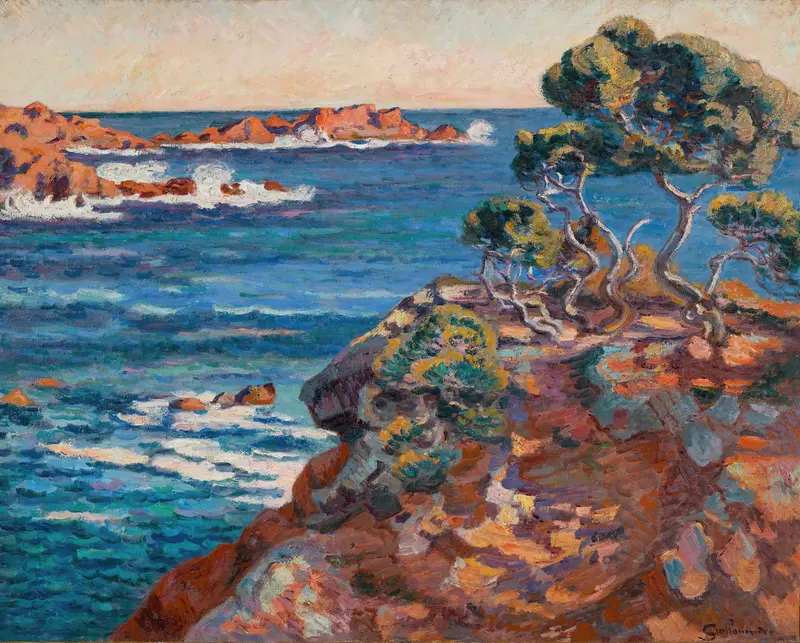
Bord De Mer À Agay
Armand Guillaumin
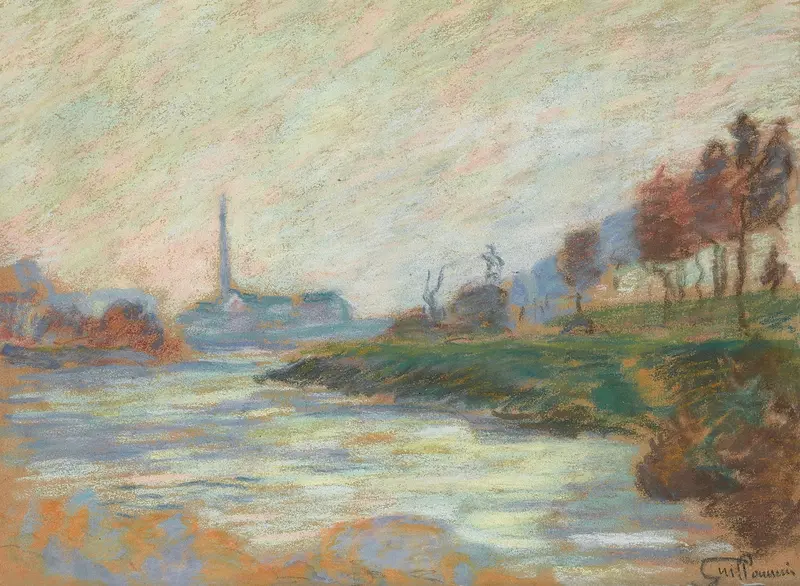
Confluent De La Marne Et De La Seine, Île De La France
Armand Guillaumin
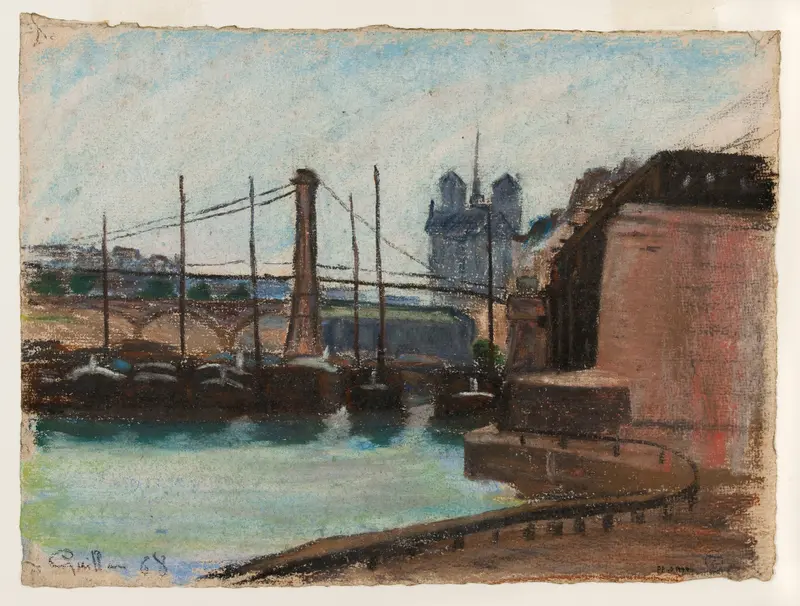
Le Pont d’Austerlitz
Armand Guillaumin
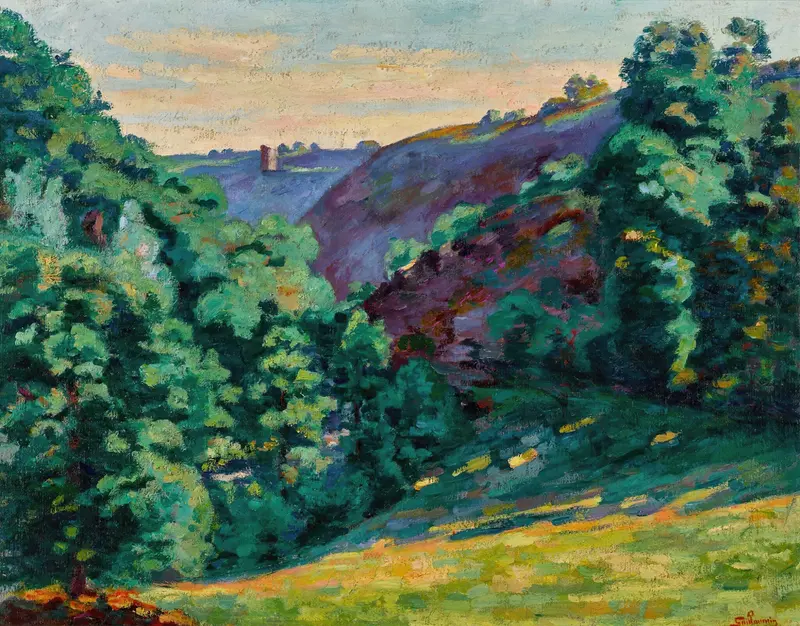
Le Ravin de la folie, vue de Chateau Crozant
Armand Guillaumin
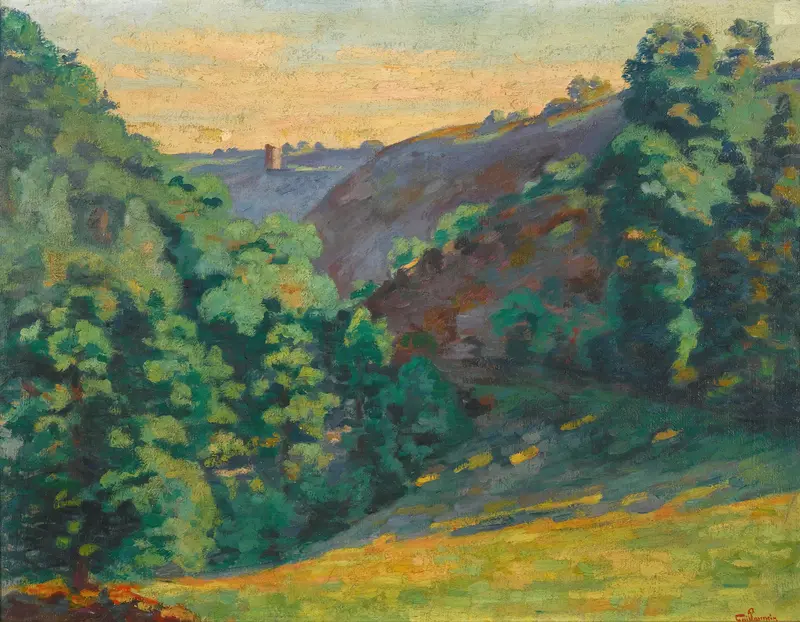
Crozant, Le Ravin De La Sedelle À La Folie
Armand Guillaumin
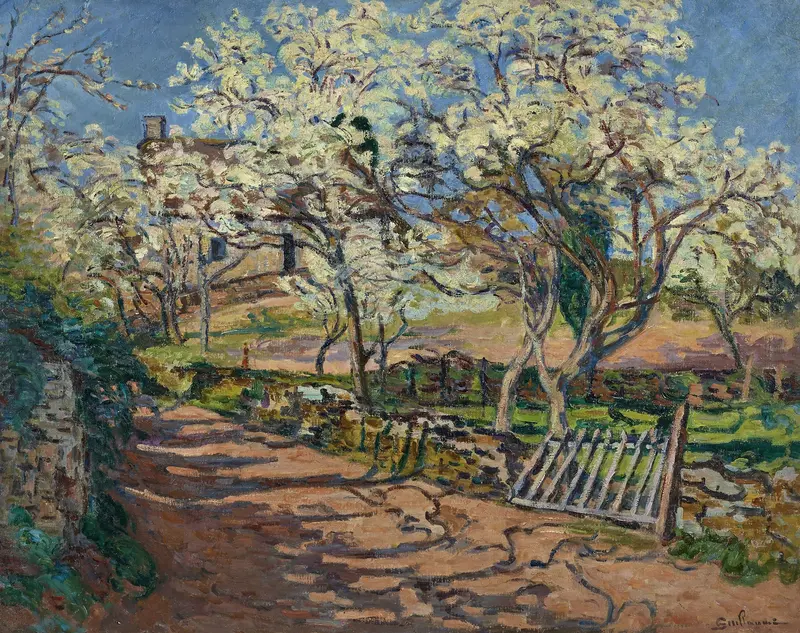
Paysage de Printemps
Armand Guillaumin
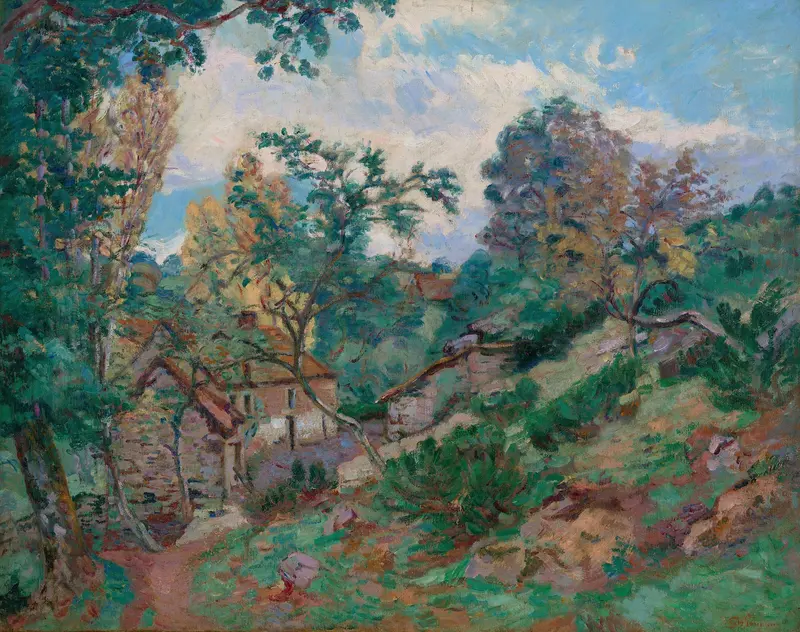
Paysage
Armand Guillaumin
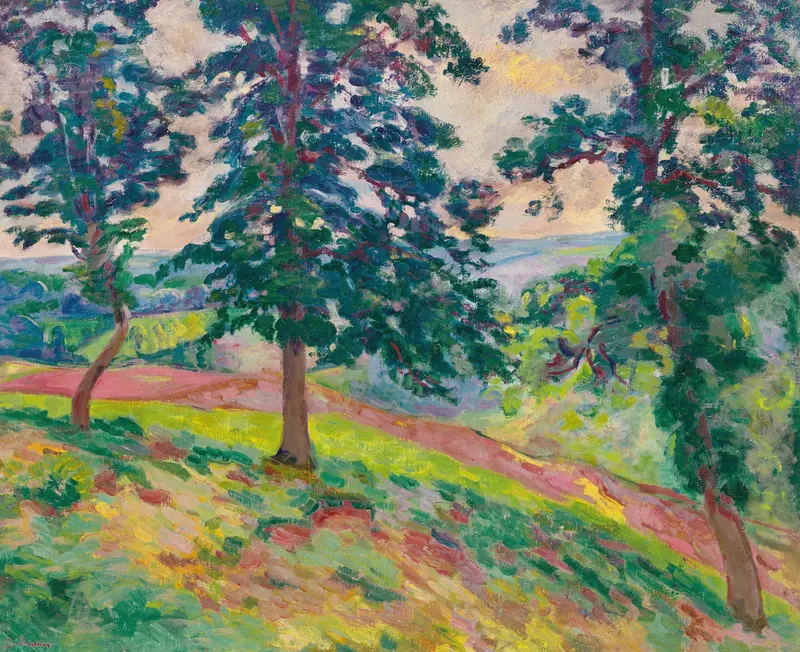
La vallée de la creuse
Armand Guillaumin
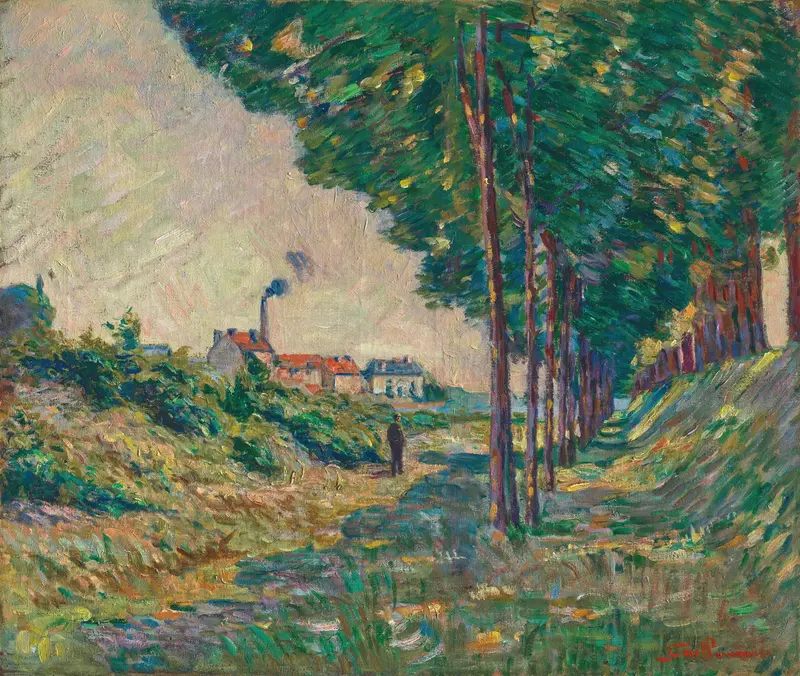
Le chemin de halage à Charenton, Ile de France
Armand Guillaumin
More Landscape Art

The Starry Night
Vincent van Gogh

View of Delft
Johannes Vermeer

Water Lilies
Claude Monet

The Grand Canal, Venice, looking north-west from the Ca' Corner to the Ca' Contarini degli Scrigni, with the campanile of Santa Maria della Carità
Canaletto

Windsor Castle
Canaletto

The Grand Canal looking North-East from the Palazzo Dolfin-Manin to the Rialto Bridge
Canaletto