
Wyoming Valley — History & Facts
Where does light end, and longing begin? In the brushstrokes of a landscape, the heart often finds its echoes of betrayal. Focus your gaze on the horizon, where the sun dips low, casting a warm amber glow upon rolling hills. Notice how the sheep dot the verdant expanse, their soft wool contrasting with the vibrant greens and earthy browns of the terrain. The sky, a masterpiece of hues, radiates with an emotional intensity that hints at both serenity and sorrow, urging the viewer to ponder the passage of time within this tranquil setting. Delve deeper into the rich textures that Cropsey employs; the intricate layering of paint brings forth whispers of nature's beauty and fragility.
The light, a key player in this scene, dances upon the blades of grass, invoking a sense of nostalgia. Yet, there’s an undercurrent of tension as shadows stretch and encroach, suggesting an unseen narrative of loss or disillusionment—an echo of what was once cherished but now feels distant. During the mid-19th century, Cropsey became a leading figure in the Hudson River School, an art movement that celebrated the American landscape. Wyoming Valley, painted during this period of artistic exploration, reflects his deep connection to nature and a desire to showcase its sublime beauty.
As the nation grappled with change, Cropsey's work captured both the idyllic and the haunting, embodying the complexities of a time when the promise of the American frontier was tinged with uncertainty.
More Artworks by Jasper Francis Cropsey
Browse all →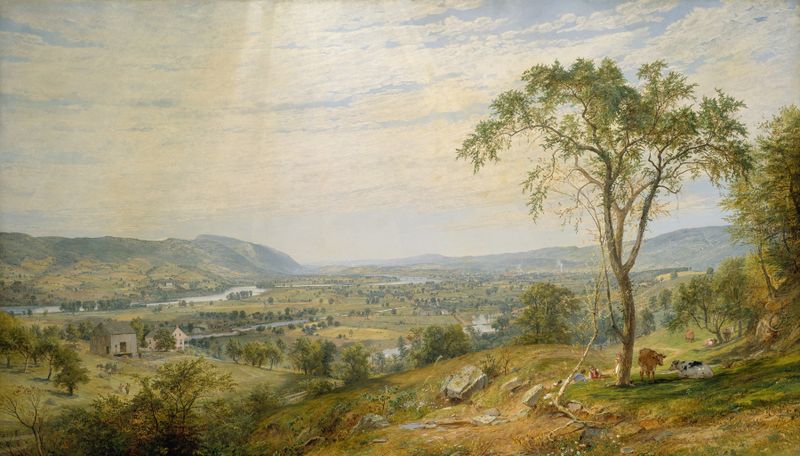
The Valley of Wyoming
Jasper Francis Cropsey
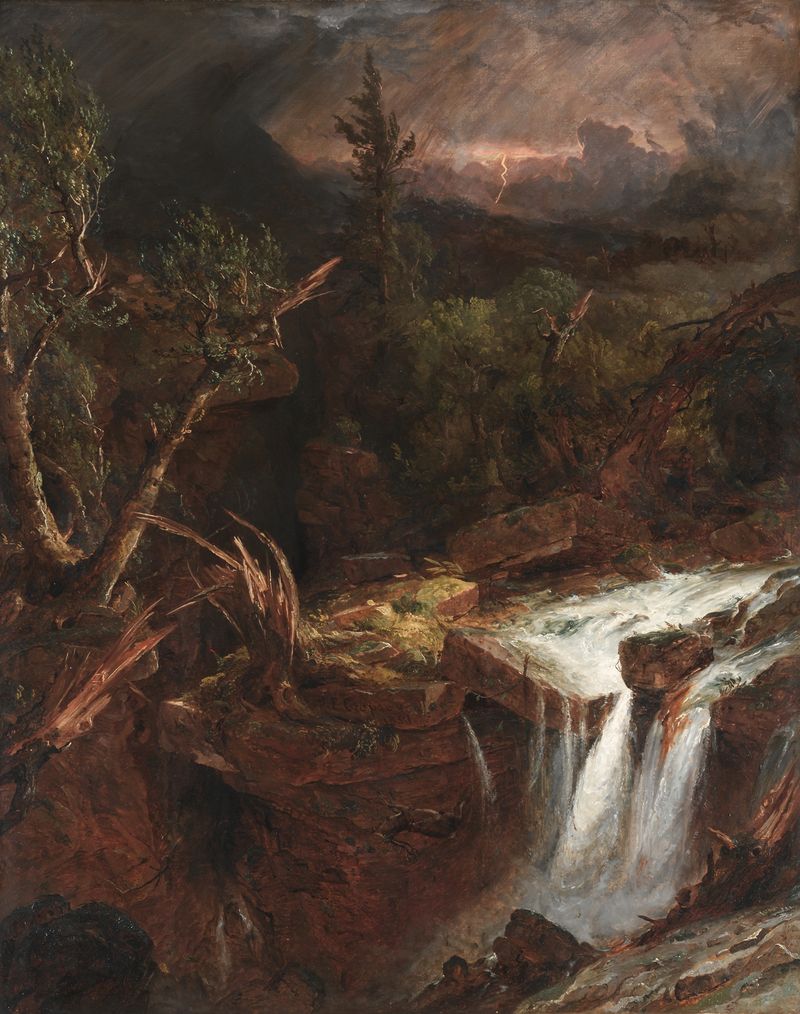
The Clove – A Storm Scene in the Catskill Mountains
Jasper Francis Cropsey
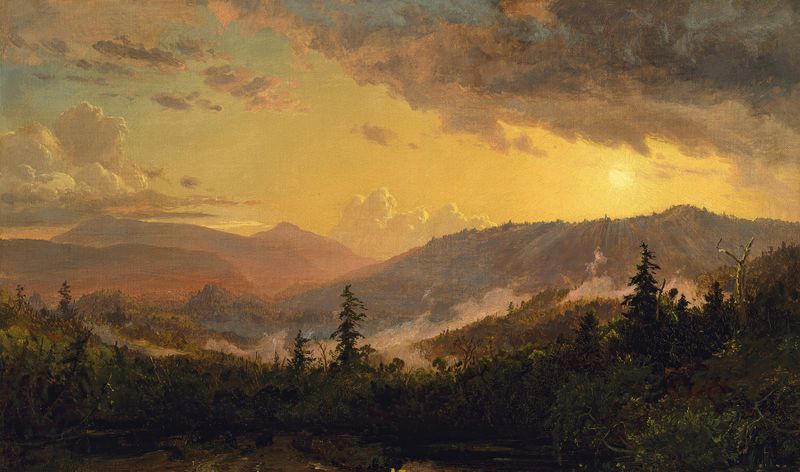
Sunset after a Storm in the Catskill Mountains
Jasper Francis Cropsey
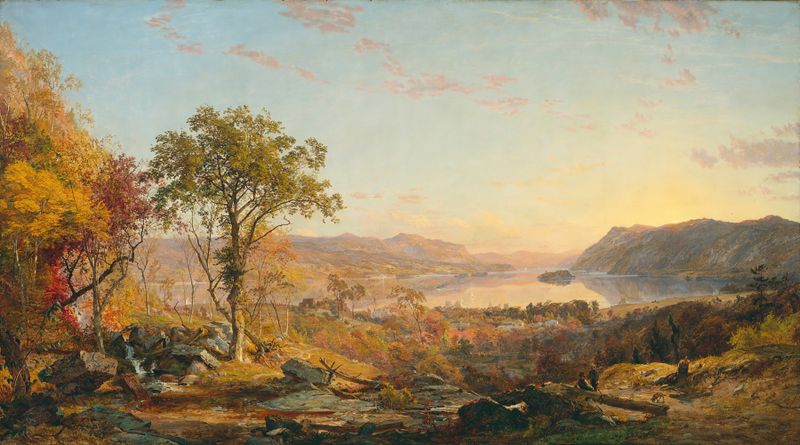
Indian Summer
Jasper Francis Cropsey

Autumn On The River
Jasper Francis Cropsey
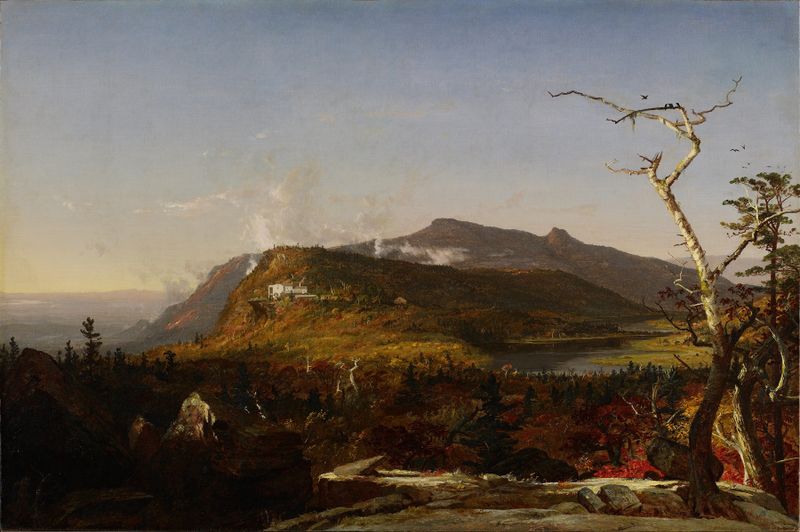
Catskill Mountain House
Jasper Francis Cropsey
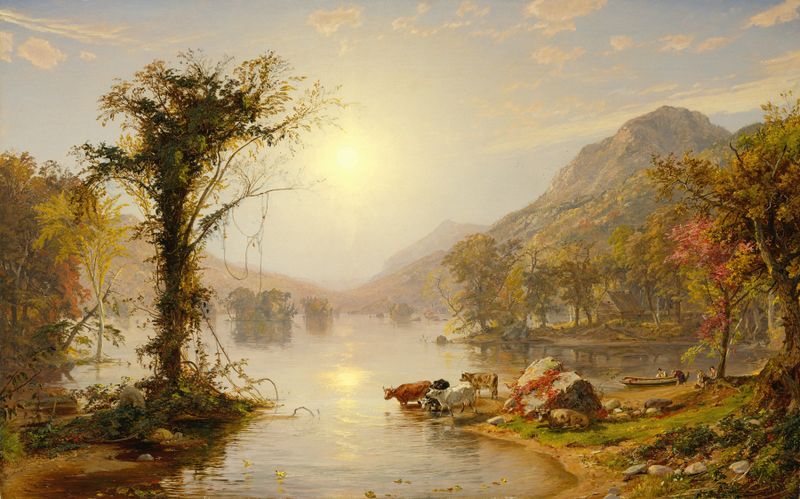
Autumn on Greenwood Lake
Jasper Francis Cropsey
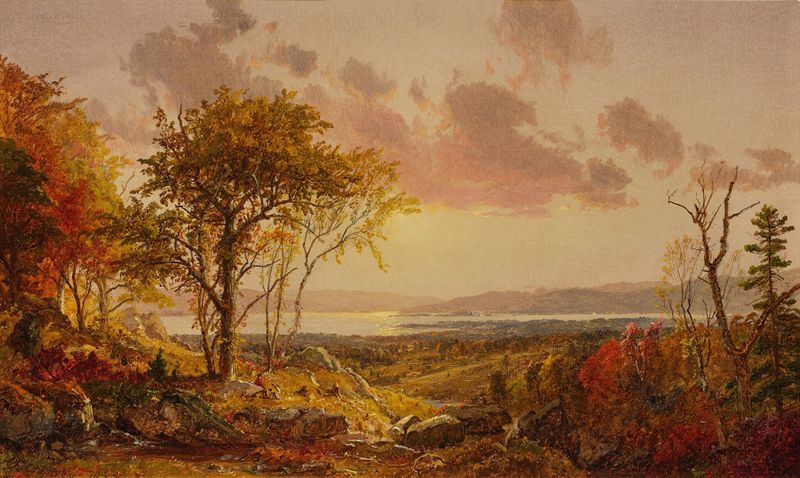
A Distant View of the Hudson River in the Fall
Jasper Francis Cropsey
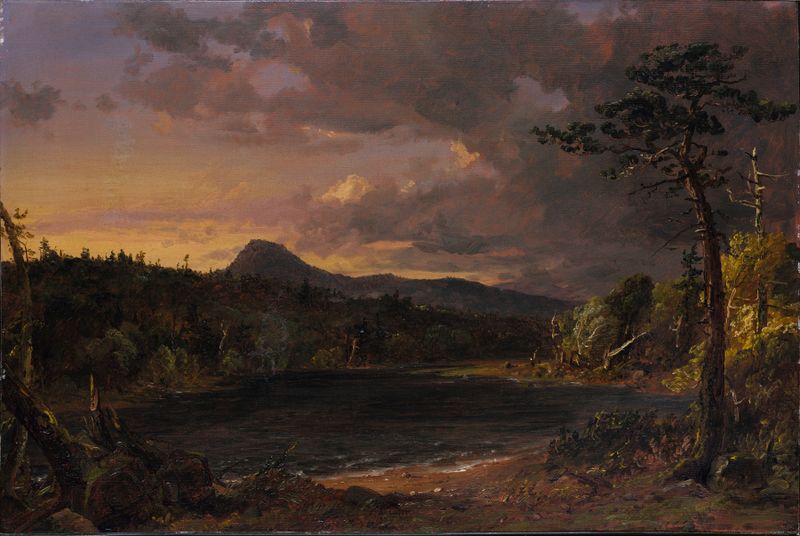
Catskill Creek
Jasper Francis Cropsey

Autumn on the Lake
Jasper Francis Cropsey





