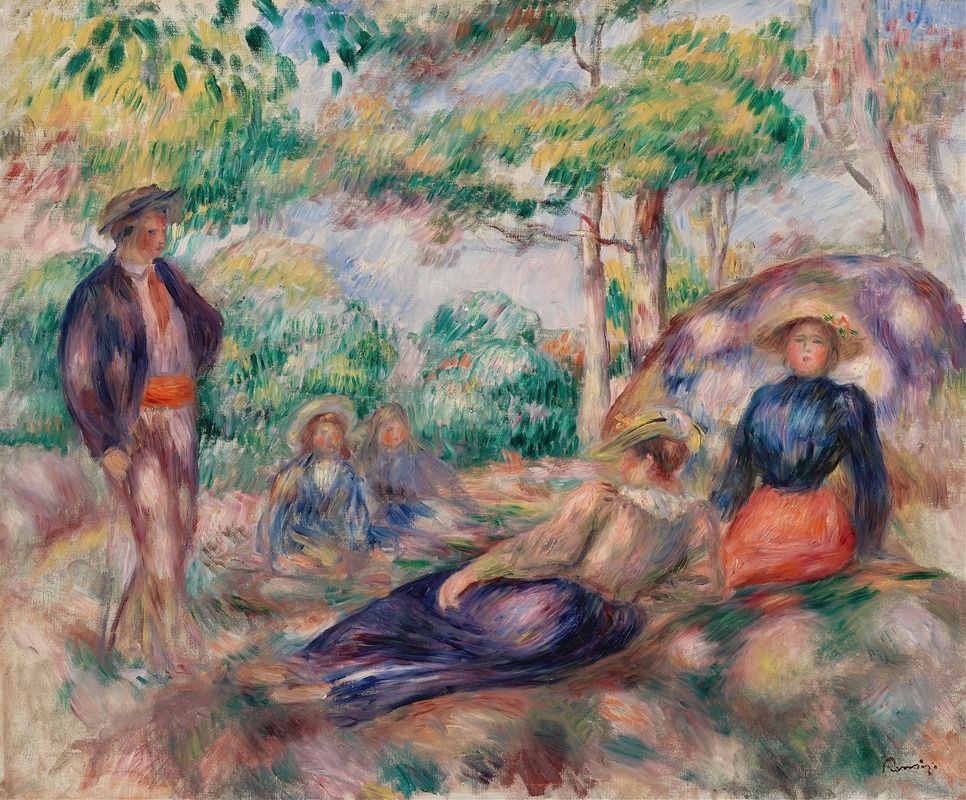
Discover insights about this artwork
Ya es hora. (It is time.) — History & Facts
In Ya es hora, Francisco de Goya presents a scene filled with urgency and tension. The painting features dark, muted colors that enhance the dramatic atmosphere. Figures are depicted in a moment of action, suggesting a narrative that invites the viewer to ponder its meaning.
The setting is ambiguous, adding to the overall sense of unease. The technical details of Ya es hora reveal Goya's skillful use of oil on canvas. The brushwork is expressive, with visible strokes that convey movement and emotion. The composition is dynamic, drawing the viewer's eye across the canvas.
Goya's mastery of light and shadow further emphasizes the intensity of the scene. Francisco de Goya was a pivotal figure in the transition from the Old Masters to modern art. This work, created in the late 18th century, reflects the social and political tensions of his time. An interesting fact about Ya es hora is that it is often interpreted as a commentary on the urgency of social change.
Goya's ability to capture the human condition remains relevant today.
More Artworks by Francisco de Goya
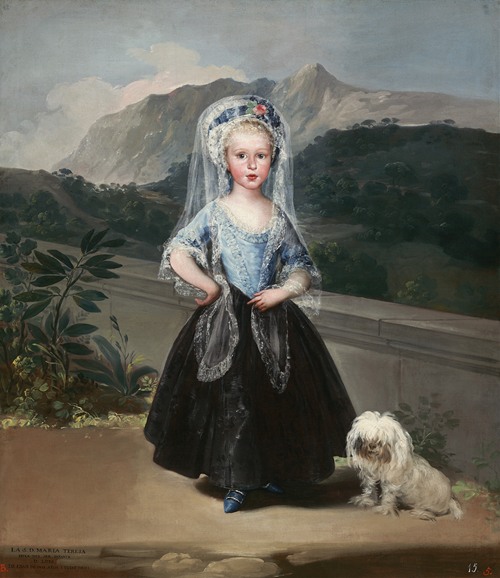
María Teresa de Borbón y Vallabriga,later Condesa de Chinchón
Francisco de Goya
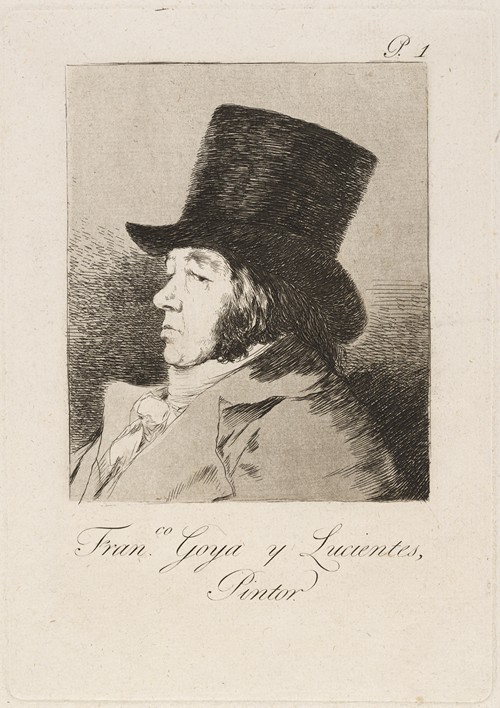
Francisco Goya y Lucientes, Pintor (Francisco Goya y Lucientes, painter)
Francisco de Goya
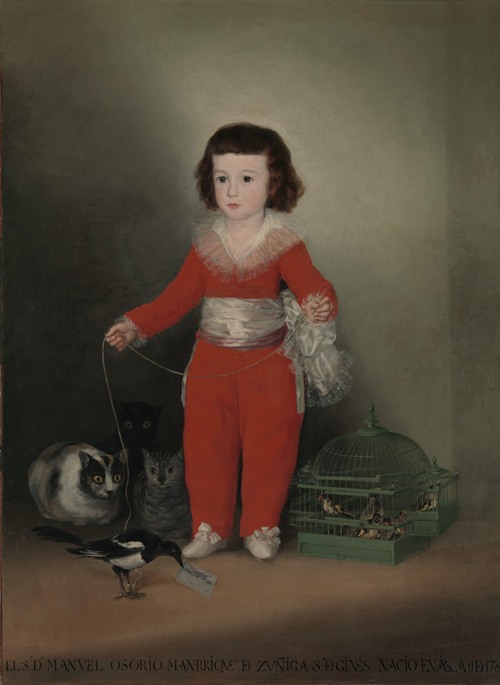
Manuel Osorio Manrique de Zuñiga (1784–1792)
Francisco de Goya
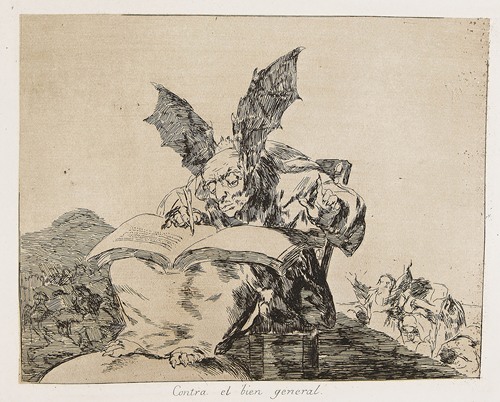
Los desastres de la guerra
Francisco de Goya
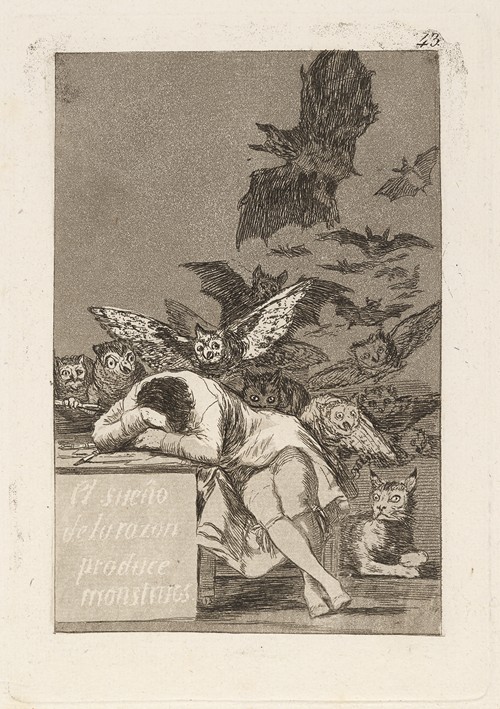
El sueño de la razon produce monstruos. (The sleep of reason produces monsters.)
Francisco de Goya
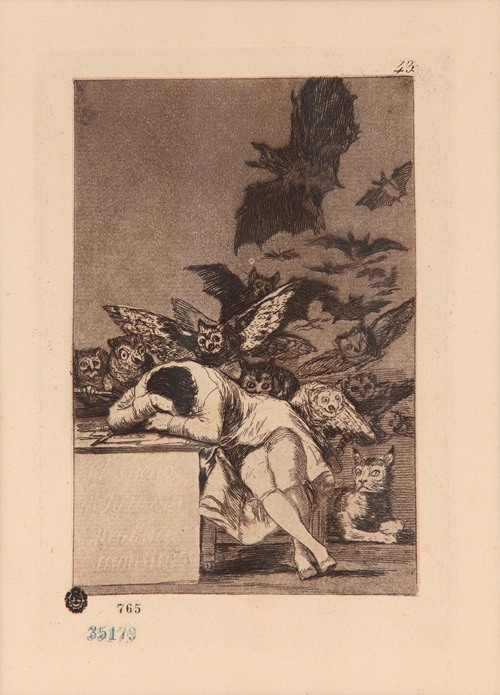
El sueño de la razon produce moustruos (Serie Caprichos)
Francisco de Goya
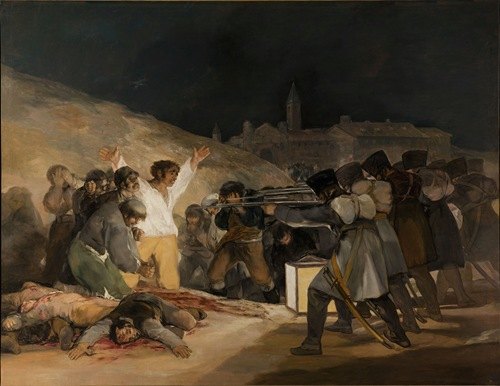
The Third of May
Francisco de Goya
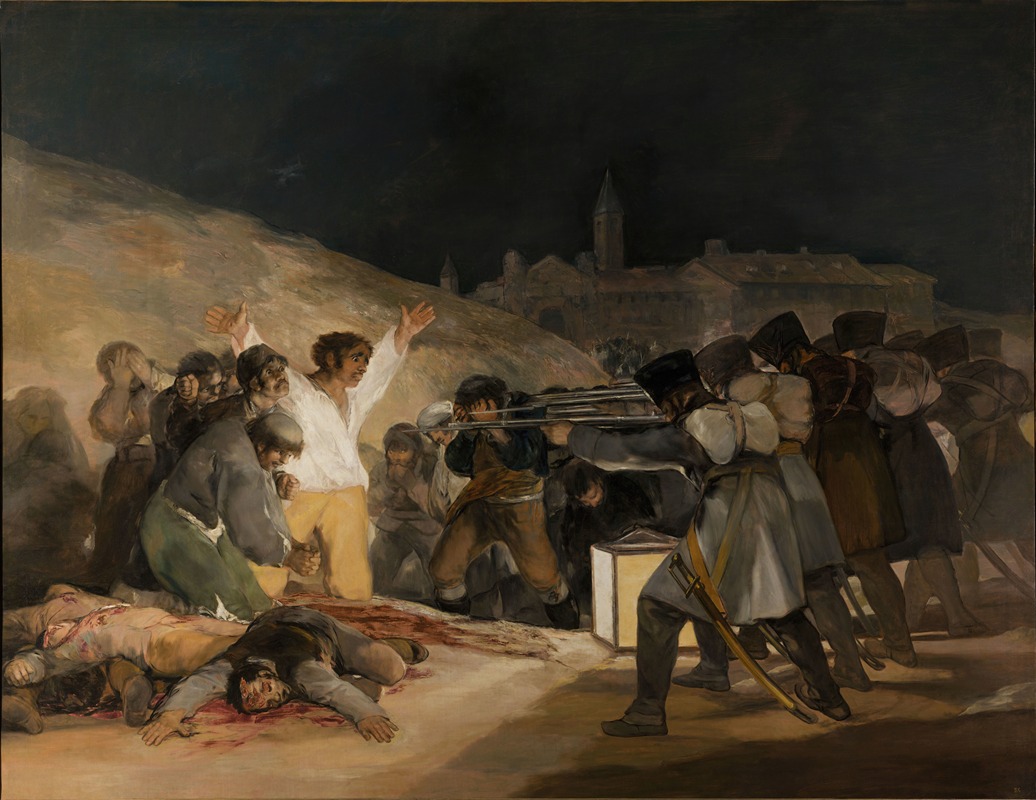
The Third of May 1808
Francisco de Goya
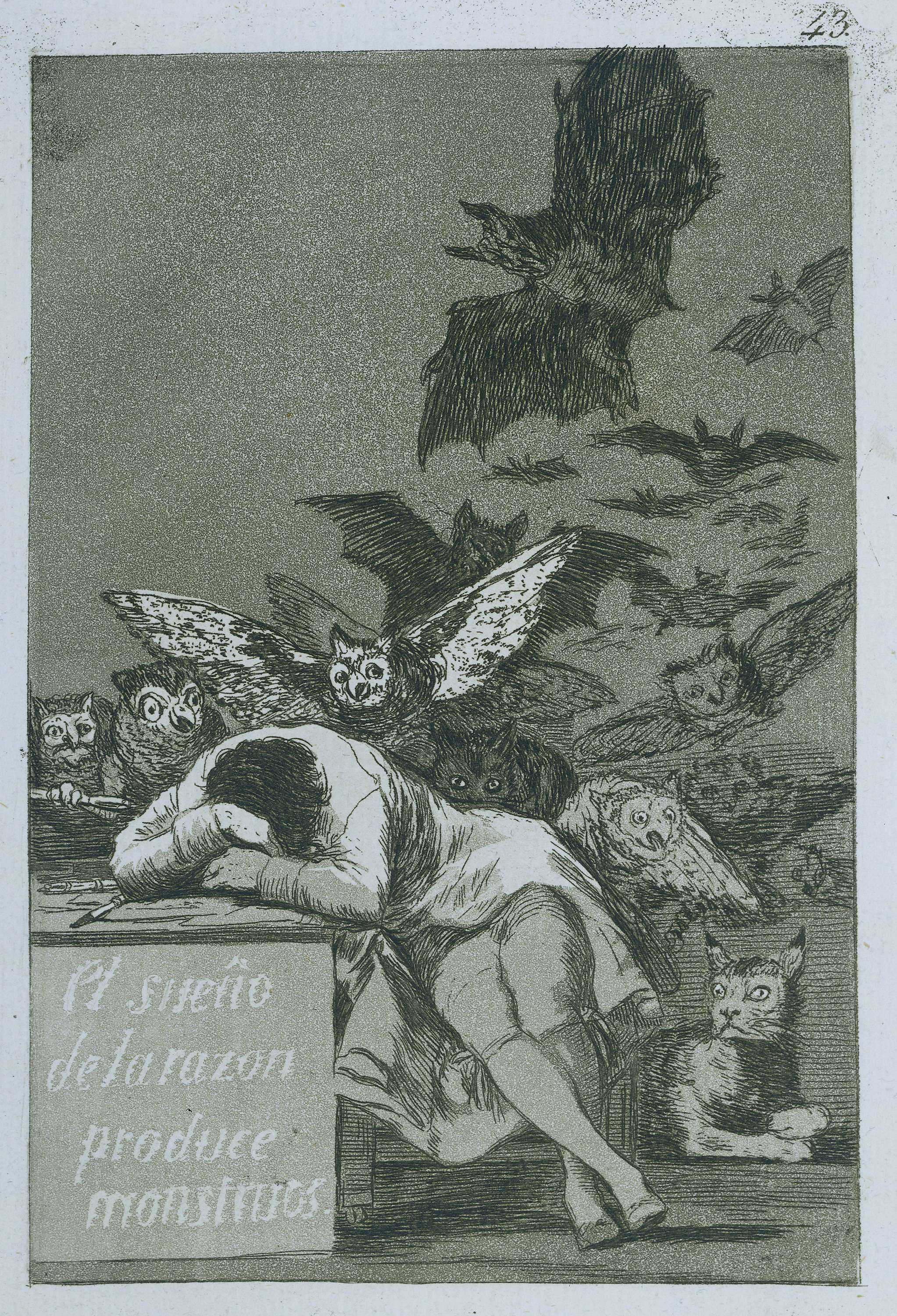
De slaap van de rede brengt monsters voort
Francisco de Goya
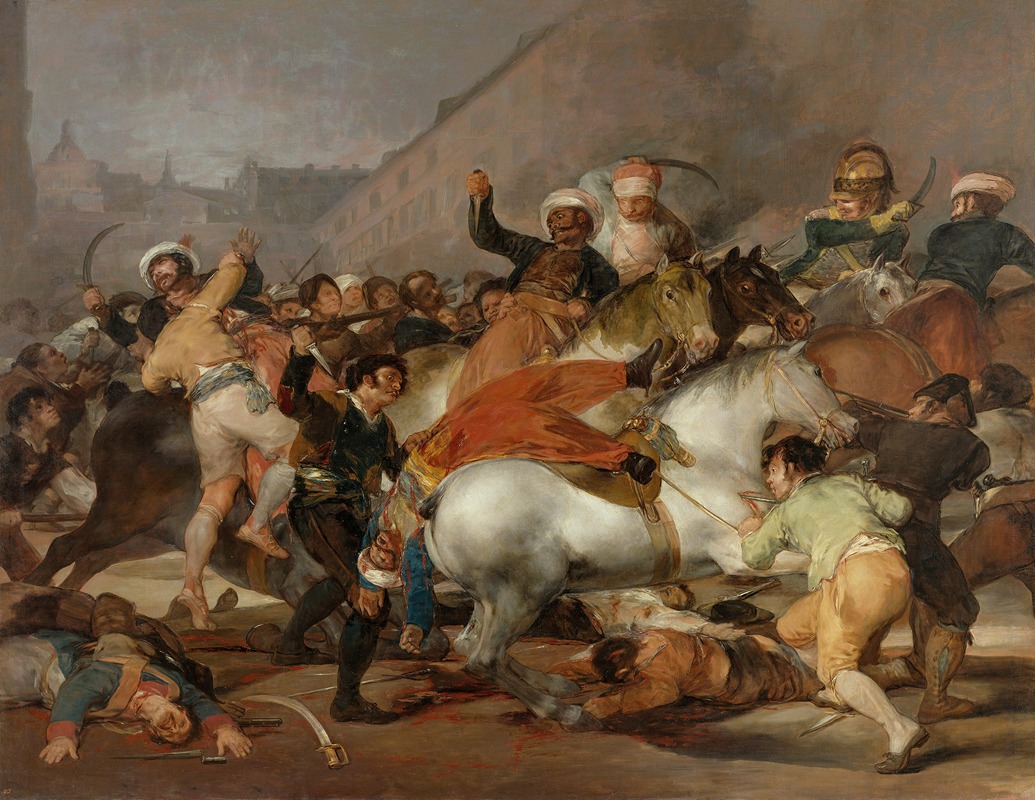
The Charge of the Mamelukes (1814)
Francisco de Goya