
Young Girl at a Window — History & Facts
When Young Girl at a Window was first exhibited, it marked a moment of quiet rebellion in the career of Mary Cassatt. Unlike many of her contemporaries in the Impressionist circle, Cassatt focused intently on the private, everyday lives of women and children, and this painting stands as a prime example of her commitment to those intimate subjects. The sitter’s identity remains uncertain, but the composition’s directness and psychological depth set it apart from the more decorative portraits of the era.
The work’s date, 1885, places it at a time when Cassatt was experimenting with light and composition, pushing the boundaries of what was expected from a female artist in Paris. Scholars still debate whether this painting was intended for public exhibition or as a personal piece. A young girl, absorbed in her own thoughts, stands at a window, her gaze turned outward as if searching for something beyond the room’s confines. Cassatt captures the moment between childhood and adolescence, where curiosity and introspection meet.
The light falling across the girl's face and dress draws attention to her expression, while the open window behind her suggests both the promise and uncertainty of the world outside. The simplicity of the setting—a quiet interior, a single figure, and the luminous window—echoes the restraint found in Vermeer's domestic scenes, though Cassatt’s brushwork is looser and more immediate. The girl’s posture, with hands lightly resting on the sill, hints at longing or anticipation, a subtle narrative that invites the viewer to imagine her thoughts. The exact provenance of Young Girl at a Window is not fully documented, a common fate for many of Cassatt’s works from this period.
It is believed to have remained in private collections for much of its history, surfacing only occasionally in exhibitions dedicated to Mary Cassatt or the broader Impressionist movement. The painting’s medium is not specified in surviving records, though Cassatt was known for her skill in both oil and pastel during the 1880s. Today, the work is celebrated as a testament to Cassatt’s unique perspective within the Impressionist movement, highlighting her ability to capture the inner lives of her subjects with both empathy and technical innovation.
Its quiet presence continues to resonate with viewers, offering a window into both the sitter’s world and Cassatt’s own artistic journey.
More Artworks by Mary Cassatt

The Child's Bath
Mary Cassatt
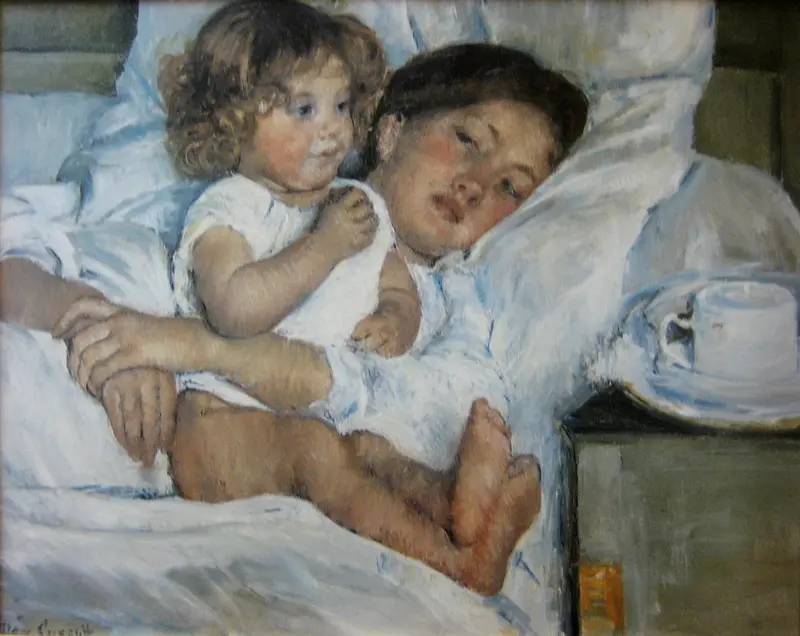
Breakfast in Bed
Mary Cassatt

Mother and Child (Baby Getting Up from His Nap)
Mary Cassatt
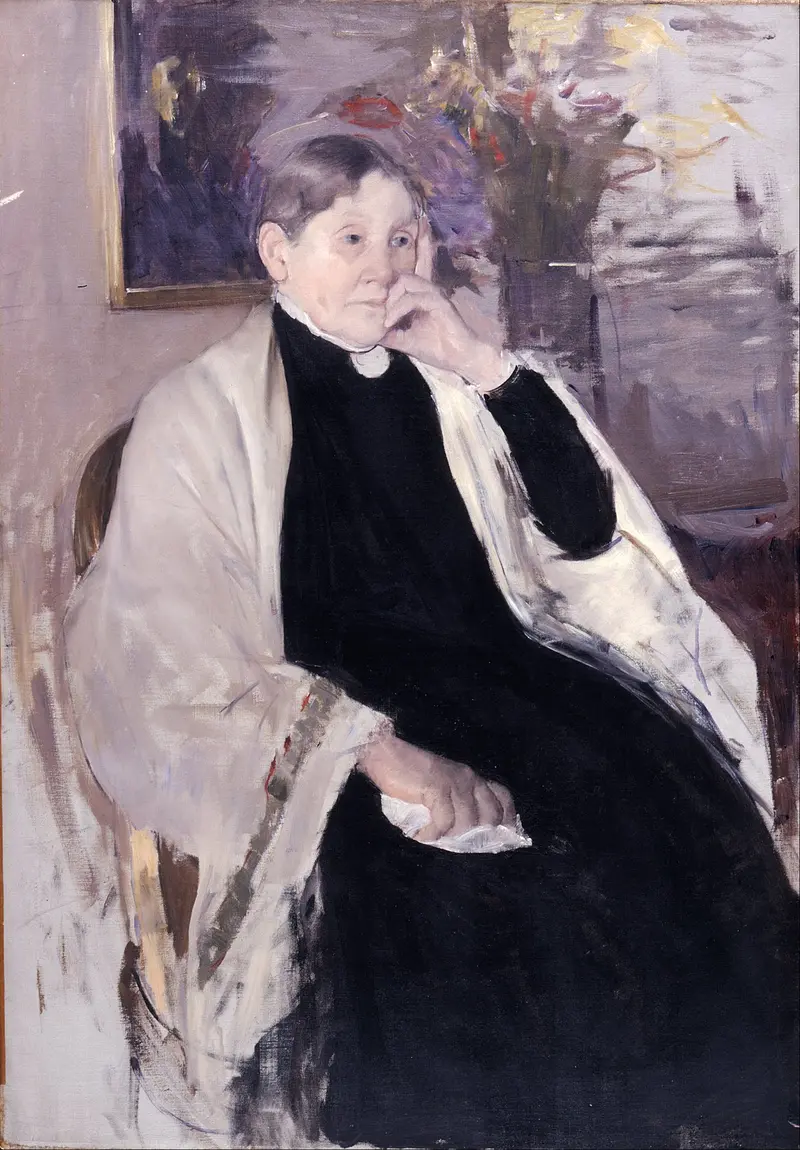
Mrs. Robert S. Cassatt, the Artist's Mother
Mary Cassatt
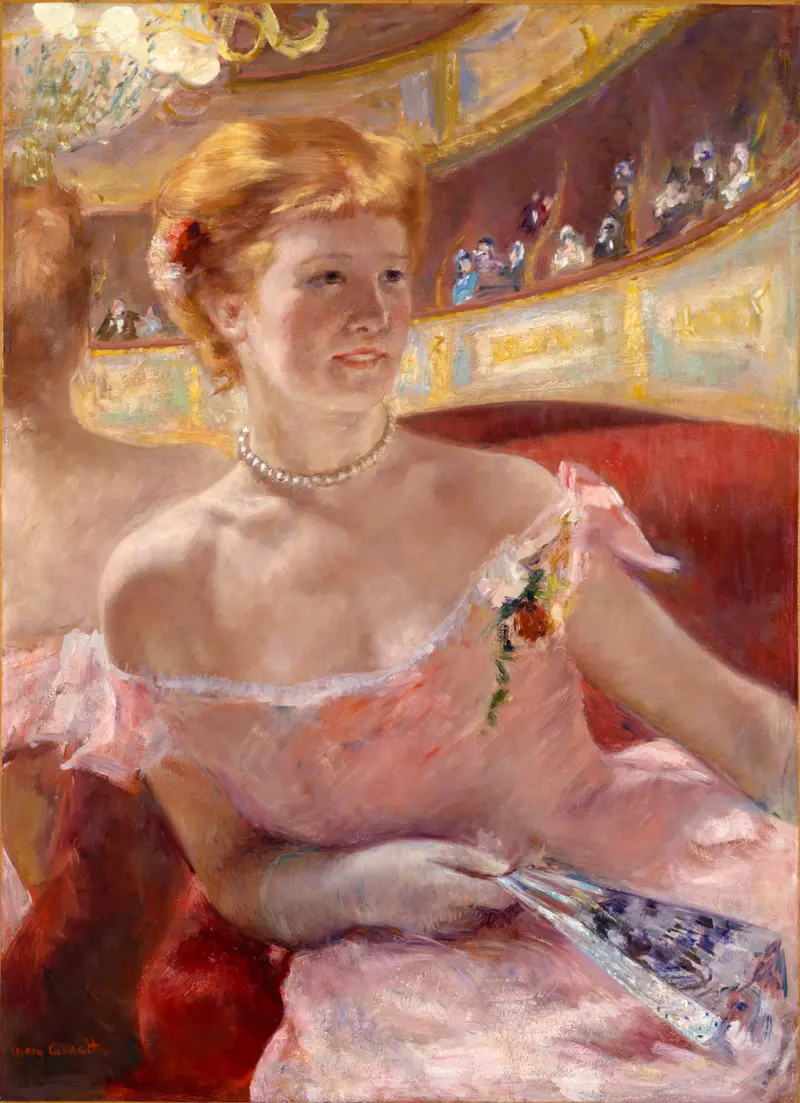
Woman with a Pearl Necklace in a Loge
Mary Cassatt
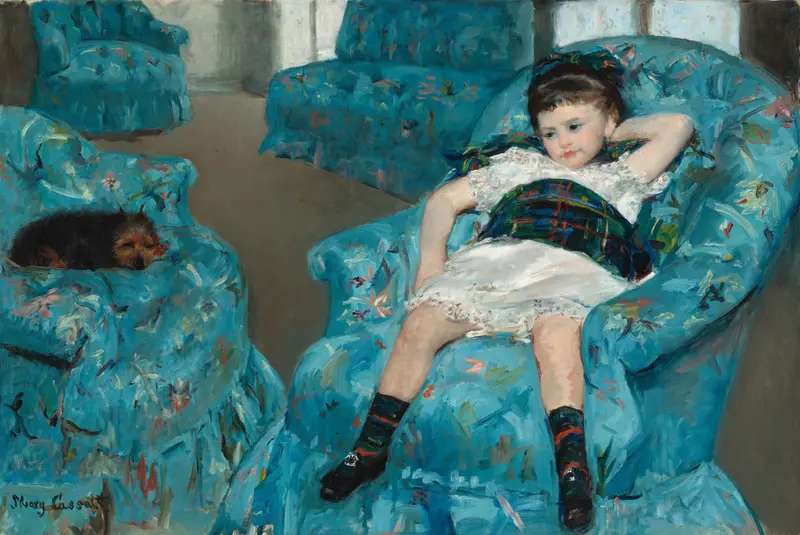
Little Girl in a Blue Armchair
Mary Cassatt
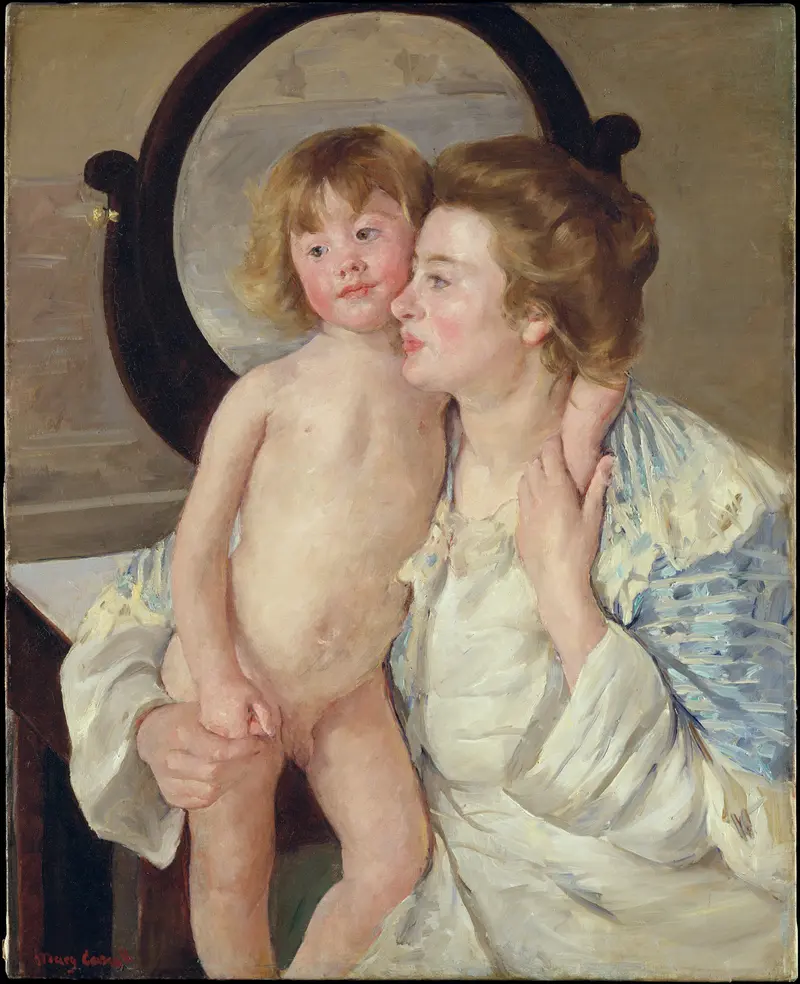
Mother and Child (The Oval Mirror)
Mary Cassatt
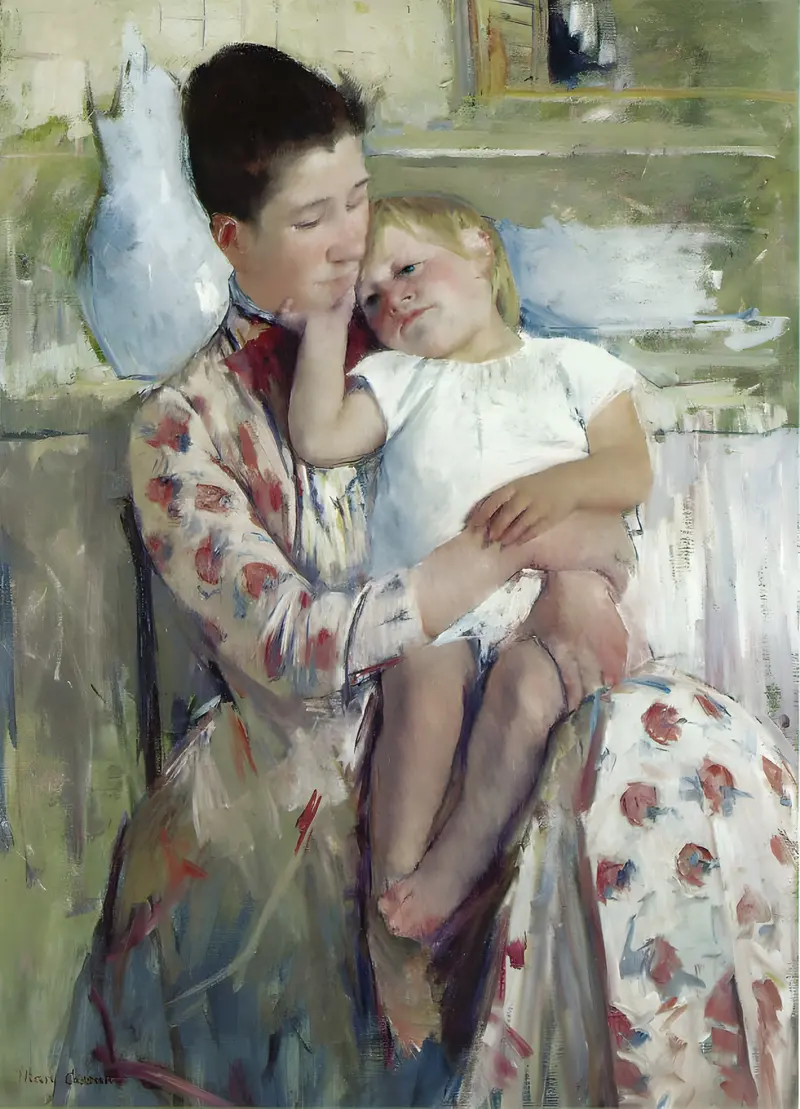
Mother and Child
Mary Cassatt
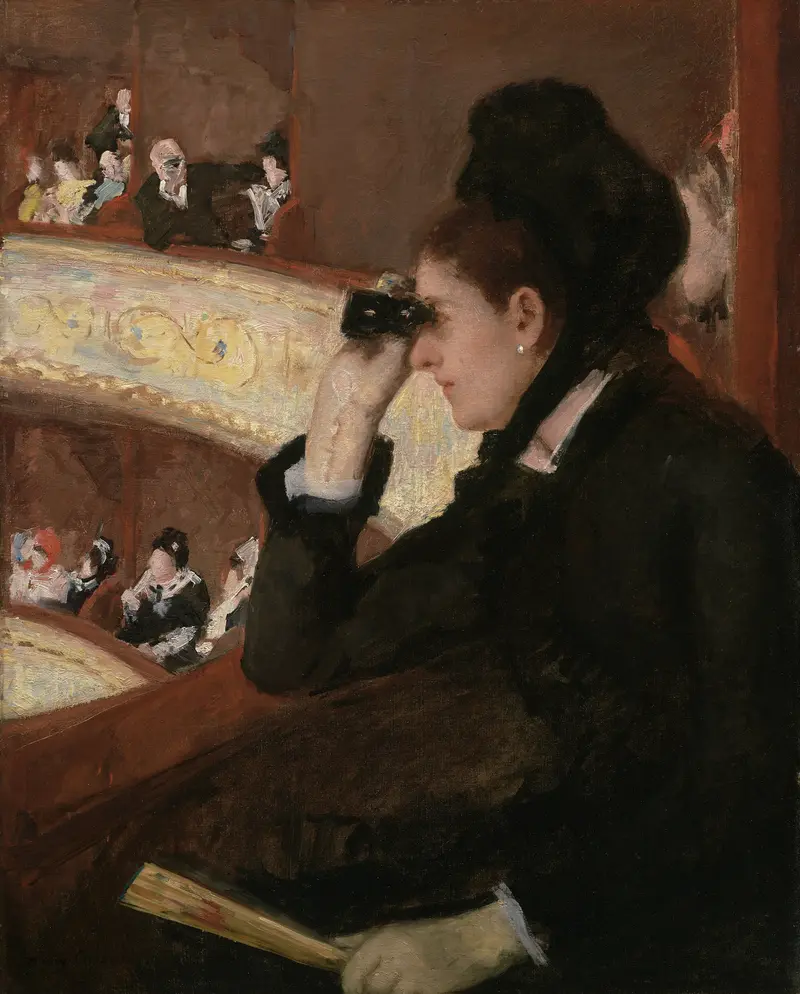
In The Loge
Mary Cassatt
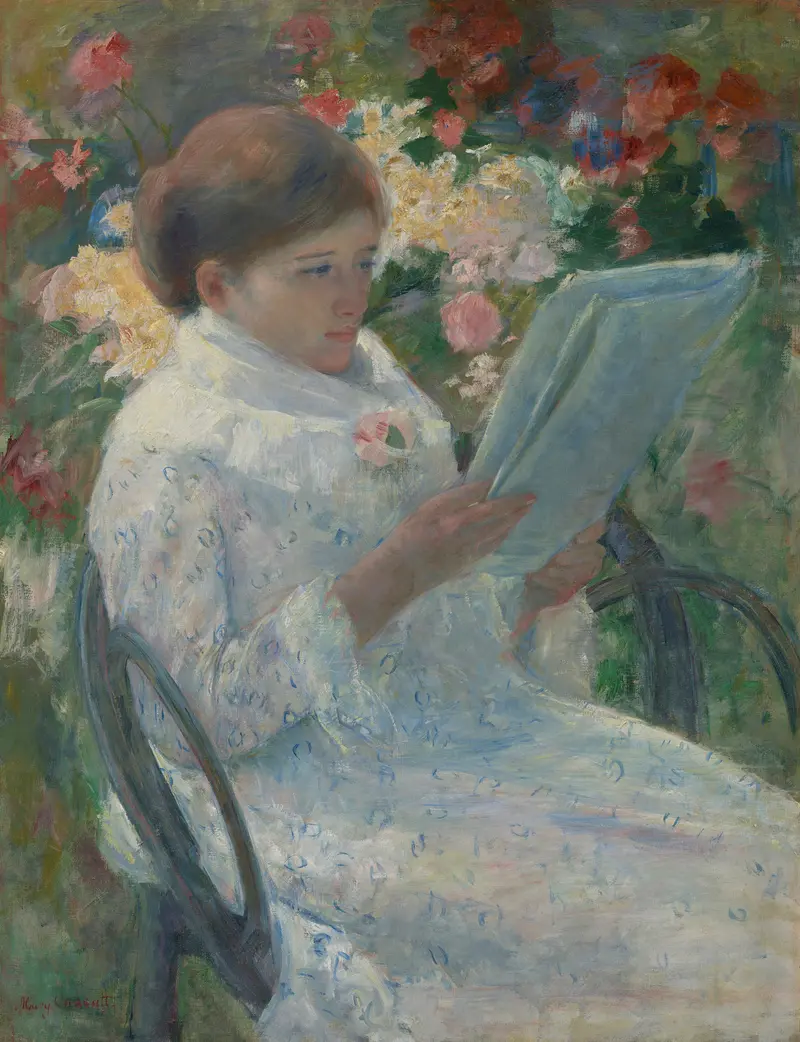
On a Balcony
Mary Cassatt





