
Breakfast in Bed — History & Facts
When Breakfast in Bed was first exhibited in 1897, it was immediately recognized as one of Mary Cassatt's most intimate explorations of the mother-and-child theme—a subject she would return to again and again, but rarely with such direct tenderness. What sets this work apart is its quiet defiance of the era’s conventions: while many late 19th-century artists depicted motherhood in grand, allegorical terms, Cassatt chose a private, everyday scene, inviting viewers into a world usually kept behind closed doors. The painting’s gentle domesticity was so striking that contemporary critics noted its “truthfulness and simplicity” in contrast to the sentimental idealizations common in French Salon art. In this softly lit bedroom, a mother reclines against crisp white pillows, her child nestled securely in her arms, both gazing outward with a sense of calm absorption.
The morning light filters through unseen curtains, illuminating the tousled hair and rumpled sheets, making the viewer almost feel the warmth and quiet of the room. The mother’s protective embrace and the child’s trusting posture capture a fleeting moment of connection, emphasizing the emotional bond rather than any narrative drama. Where Renoir might have surrounded his figures with lush, decorative detail, Cassatt pares away distractions, focusing on touch and gaze.
The teacup and breakfast tray, barely visible at the edge, ground the scene in the rituals of daily life. Like many of Cassatt's works, Breakfast in Bed was likely painted in her Paris studio, at a time when she was at the height of her powers and deeply involved with the Impressionist circle. The exact provenance of the painting is not fully documented, but it has passed through several private collections before finding its home in the Huntington Library, Art Museum, and Botanical Gardens in California. This painting stands as a testament to Cassatt's commitment to portraying women’s lives with honesty and empathy, and it remains one of her most beloved images.
Today, it is celebrated not just as a depiction of maternal affection, but as a quiet revolution in the art of seeing the everyday.
More Artworks by Mary Cassatt

The Child's Bath
Mary Cassatt

Mother and Child (Baby Getting Up from His Nap)
Mary Cassatt
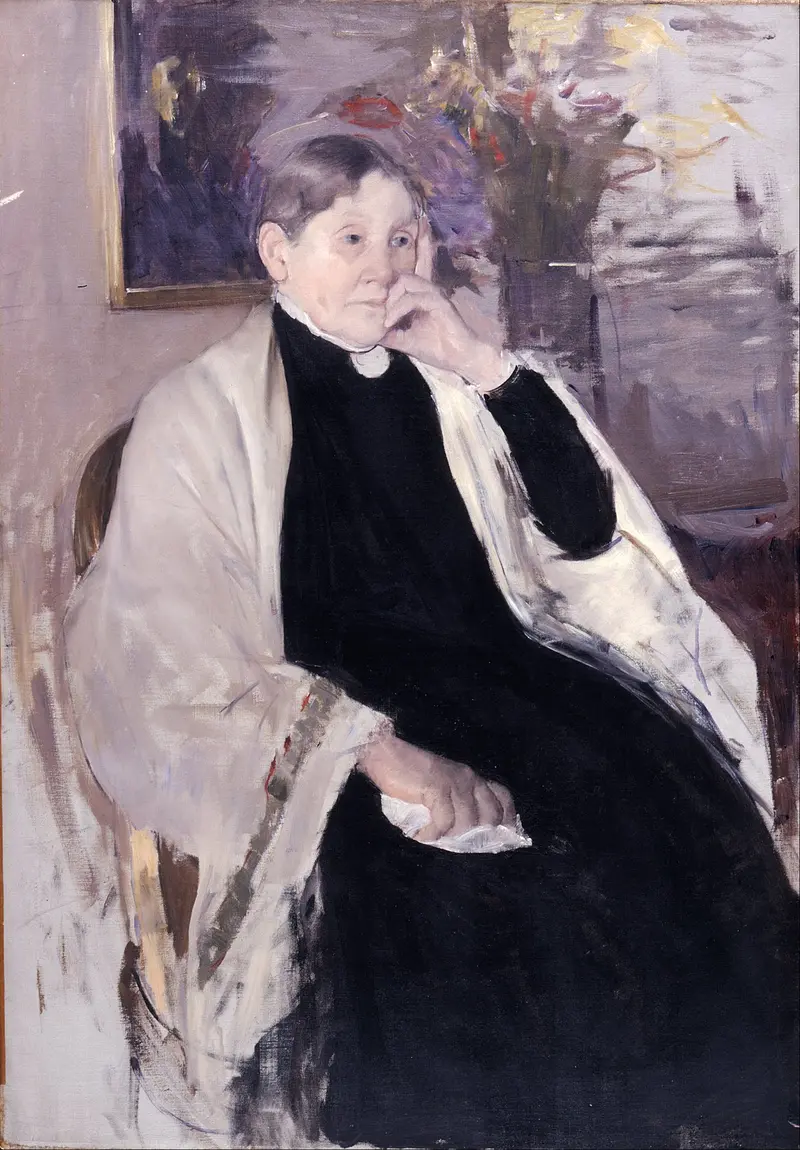
Mrs. Robert S. Cassatt, the Artist's Mother
Mary Cassatt
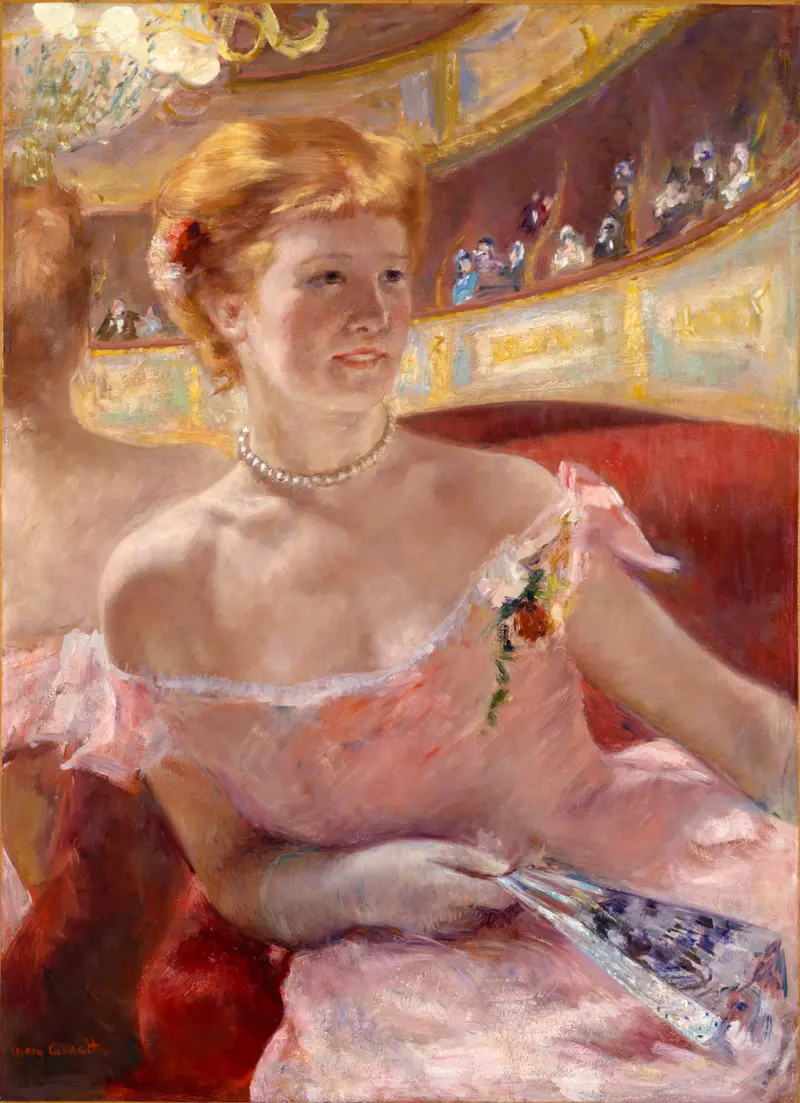
Woman with a Pearl Necklace in a Loge
Mary Cassatt
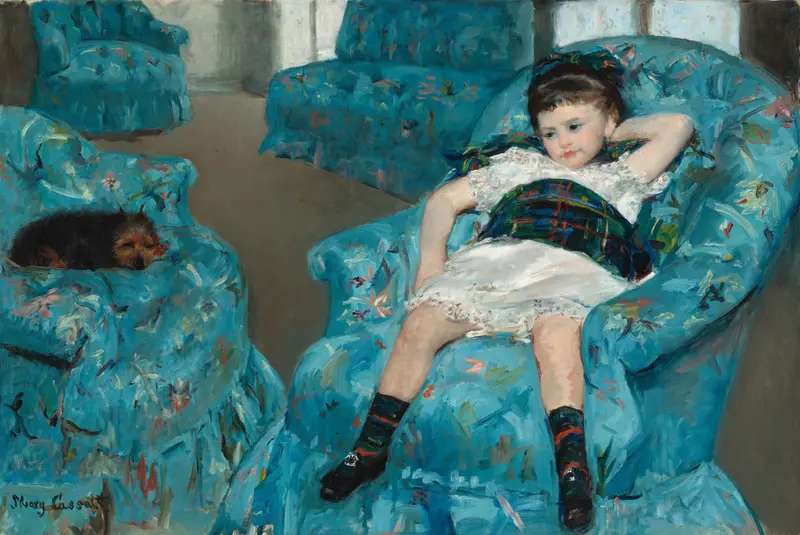
Little Girl in a Blue Armchair
Mary Cassatt
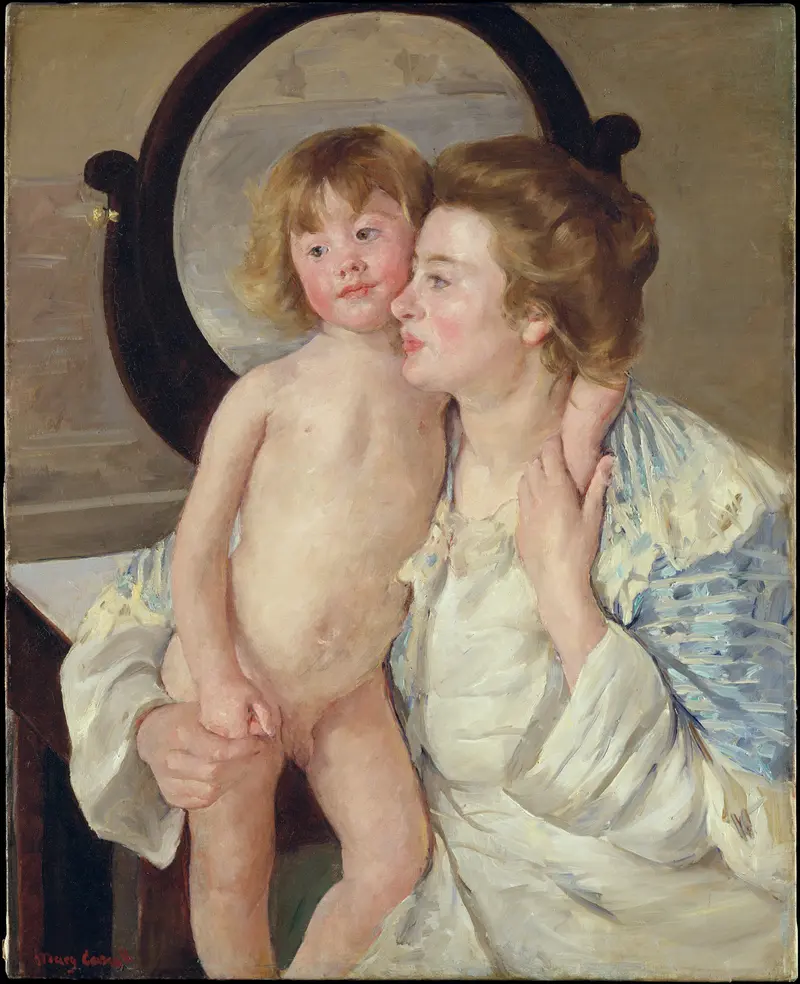
Mother and Child (The Oval Mirror)
Mary Cassatt
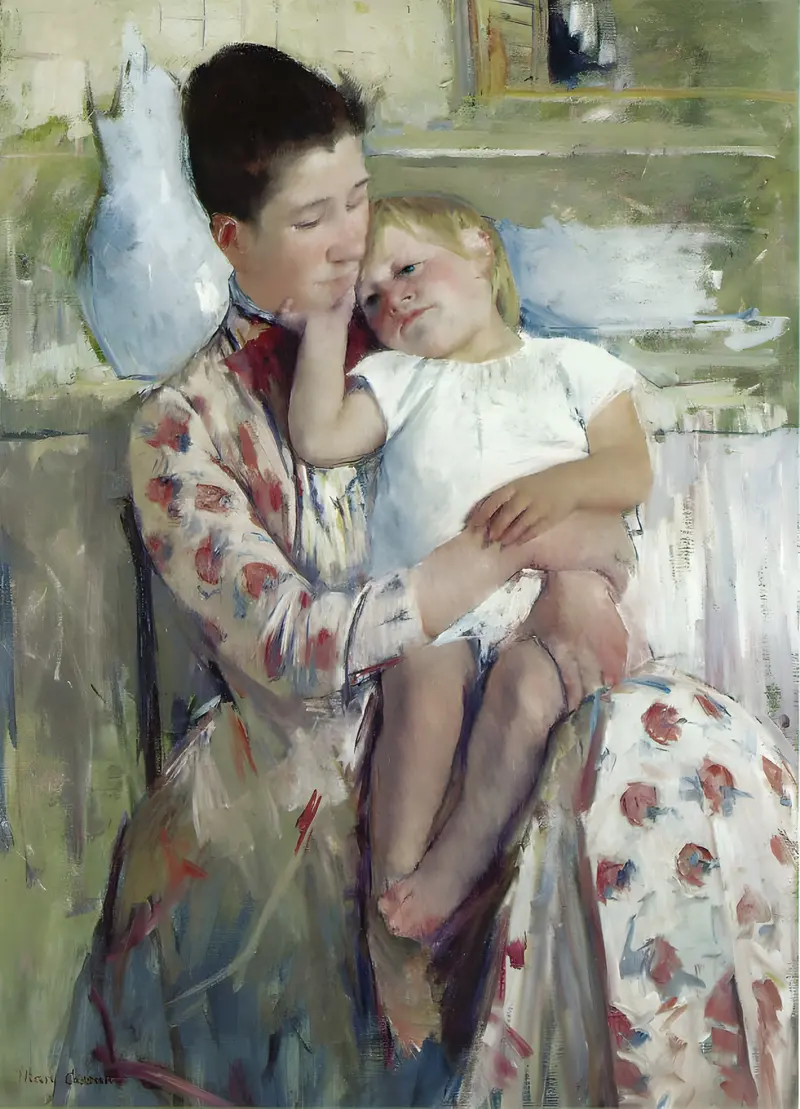
Mother and Child
Mary Cassatt
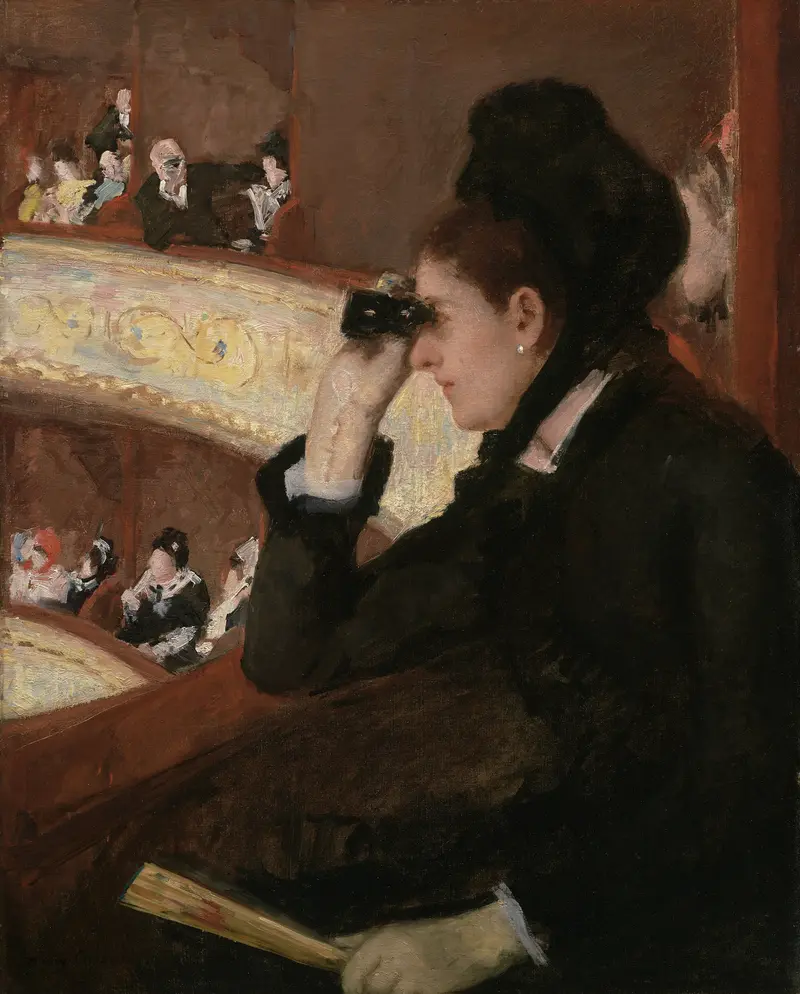
In The Loge
Mary Cassatt
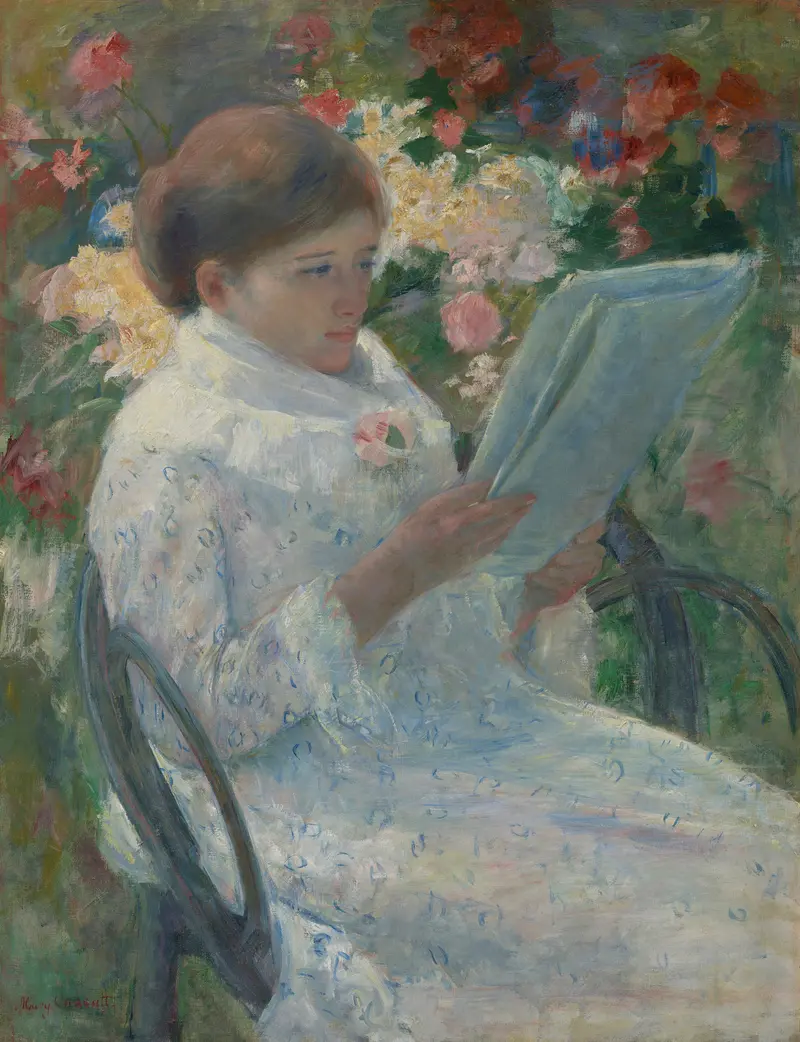
On a Balcony
Mary Cassatt
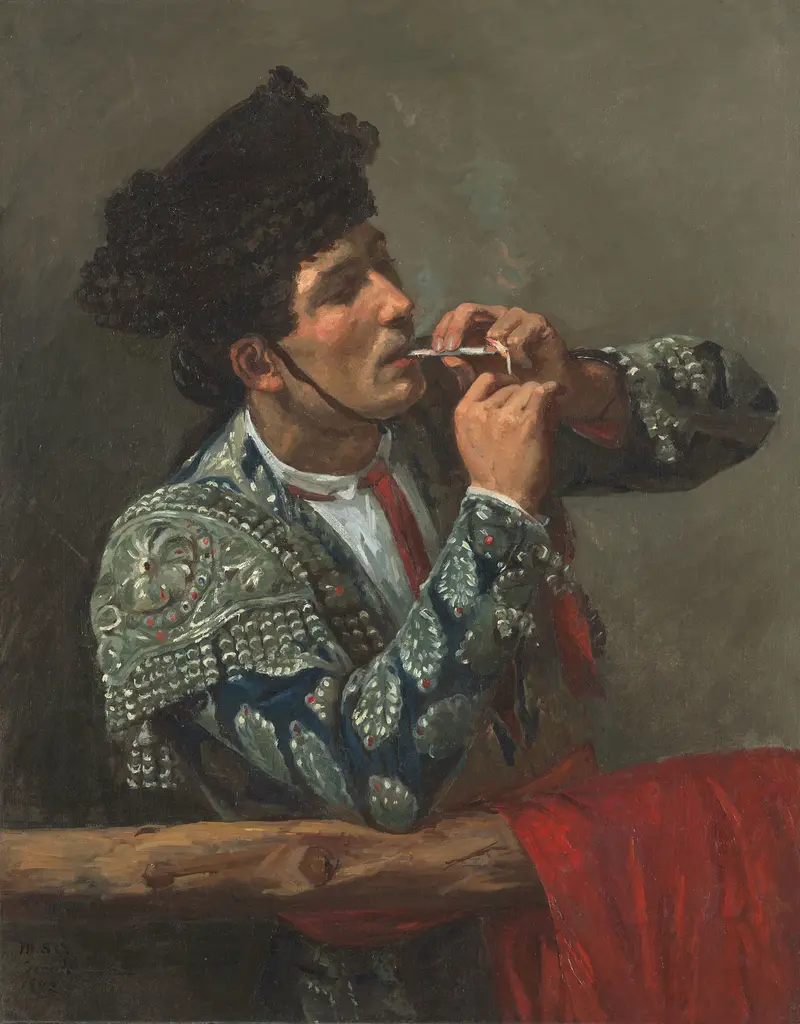
After the Bullfight
Mary Cassatt
More Genre Scene Art

Banquet of the Officers of the St George Civic Guard
Frans Hals

Rembrandt and Saskia in the Scene of the Prodigal Son
Rembrandt van Rijn

Bal du moulin de la Galette
Pierre-Auguste Renoir

Quadrille at the Moulin Rouge
Henri de Toulouse-Lautrec

A Burial at Ornans
Gustave Courbet

When Will You Marry?
Paul Gauguin