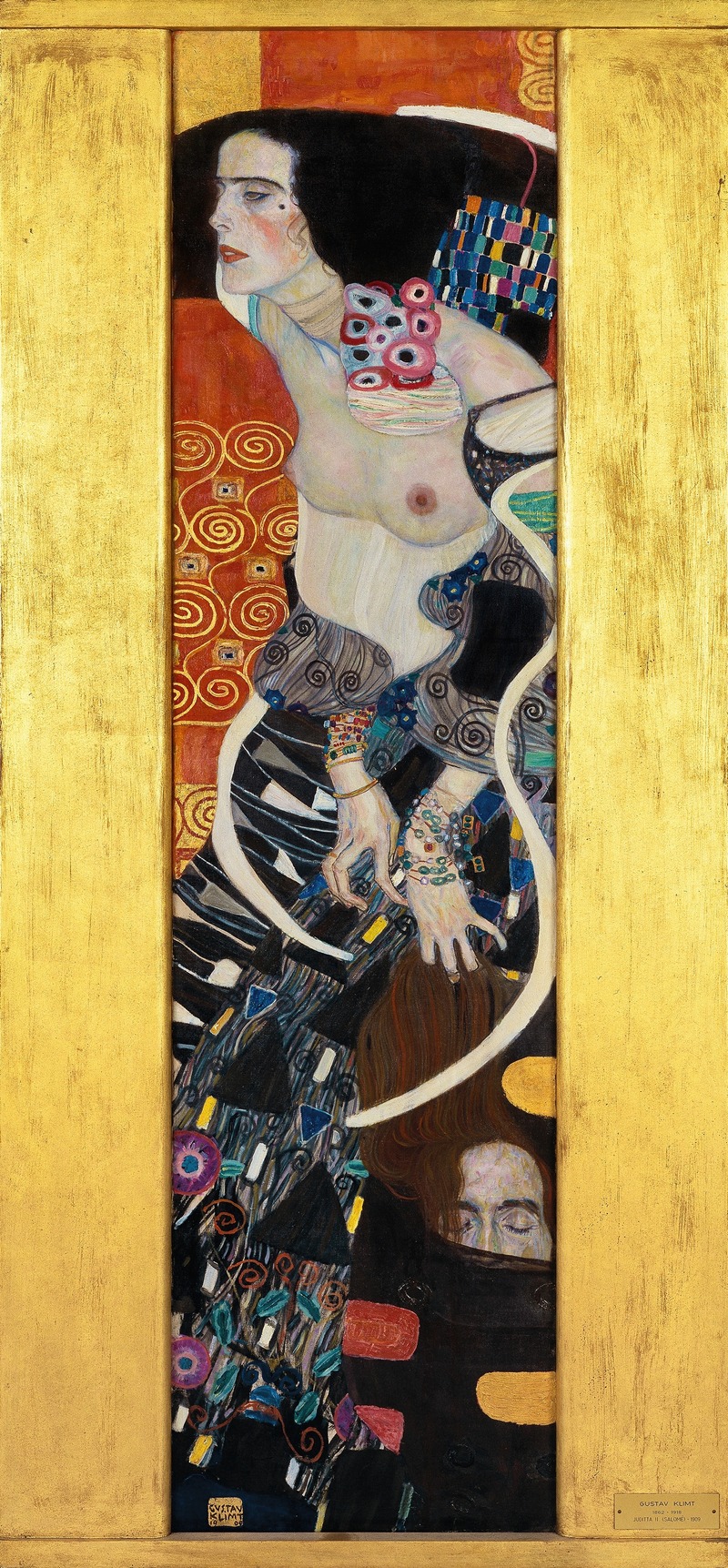
Discover insights about this artwork
Young Woman Wringing Her Hands over a Man’s Naked Body (verso) — History & Facts
In Young Woman Wringing Her Hands over a Man’s Naked Body (verso) by Francisco de Goya, a young woman is depicted in a moment of despair. She wrings her hands, a gesture that conveys her deep sorrow and emotional turmoil. The color palette is somber, dominated by dark tones that enhance the mood of grief.
The stark contrast between the woman's figure and the lifeless body of the man creates a powerful visual impact. The painting is rendered in oil on canvas, showcasing Goya's skill in capturing human emotion. The figures are painted with a realistic approach, emphasizing the anatomical details of both the woman and the man. Goya's brushwork is expressive, with visible strokes that add texture and depth to the composition.
The use of light and shadow further accentuates the emotional weight of the scene. Francisco de Goya was a prominent Spanish painter known for his ability to convey complex emotions through his art. This work, created in the late 18th century, reflects the Romanticism movement, focusing on individual feelings and the human condition. An interesting fact about this painting is that it is often interpreted as a commentary on the fragility of life and the pain of loss.
Goya's exploration of such themes resonates deeply, making this piece significant in his oeuvre.
More Artworks by Francisco de Goya
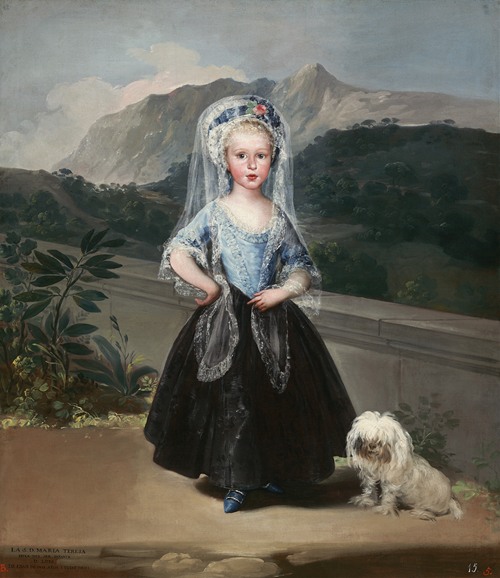
María Teresa de Borbón y Vallabriga,later Condesa de Chinchón
Francisco de Goya
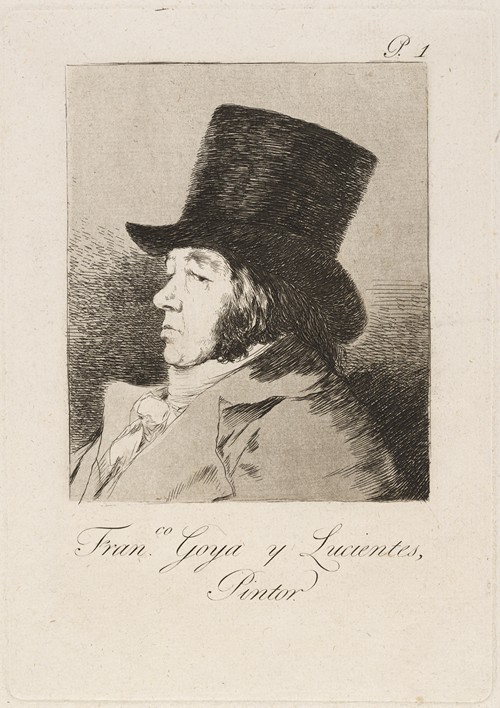
Francisco Goya y Lucientes, Pintor (Francisco Goya y Lucientes, painter)
Francisco de Goya
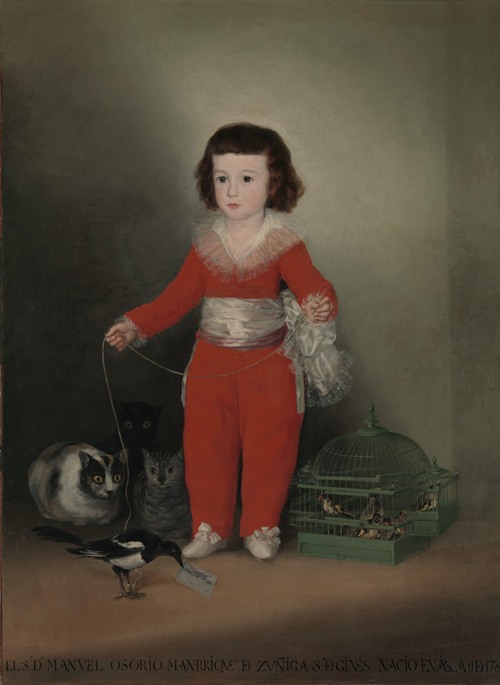
Manuel Osorio Manrique de Zuñiga (1784–1792)
Francisco de Goya
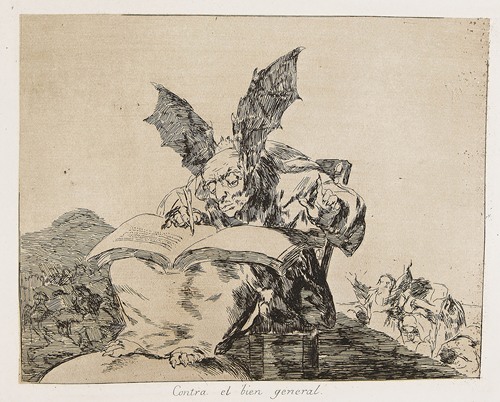
Los desastres de la guerra
Francisco de Goya
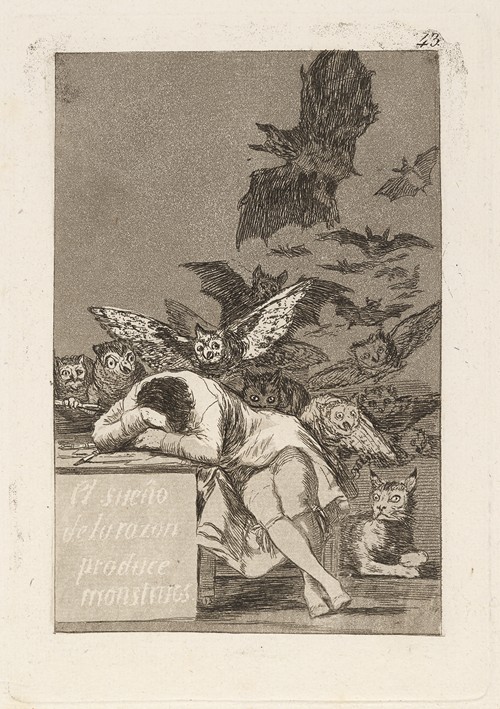
El sueño de la razon produce monstruos. (The sleep of reason produces monsters.)
Francisco de Goya
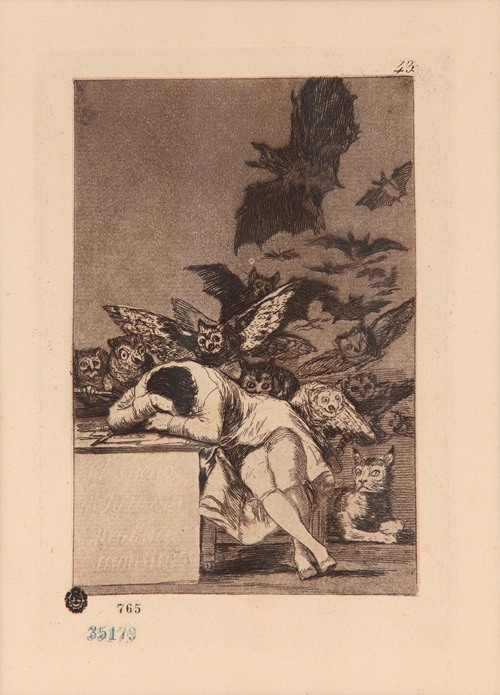
El sueño de la razon produce moustruos (Serie Caprichos)
Francisco de Goya
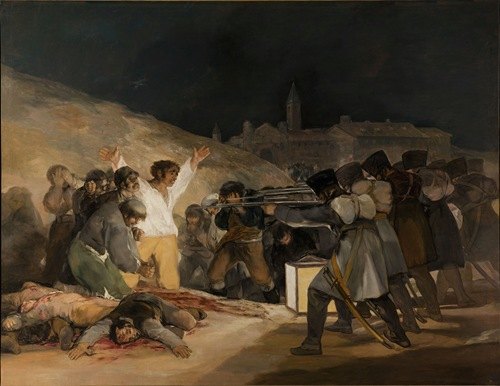
The Third of May
Francisco de Goya
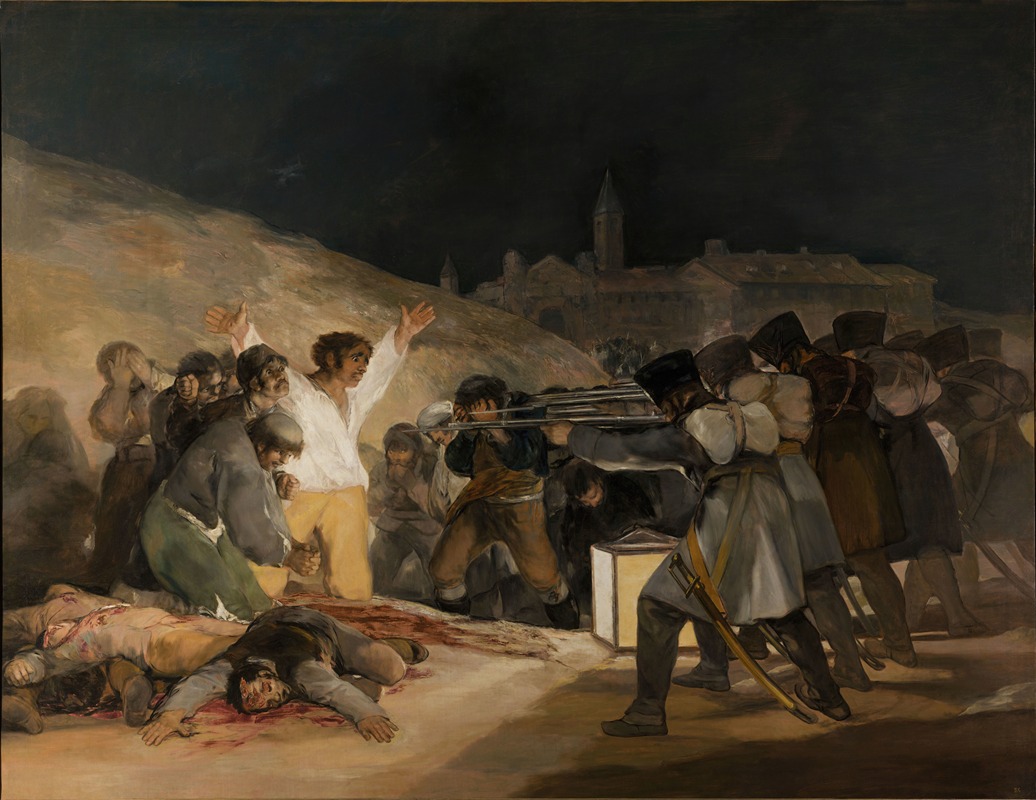
The Third of May 1808
Francisco de Goya
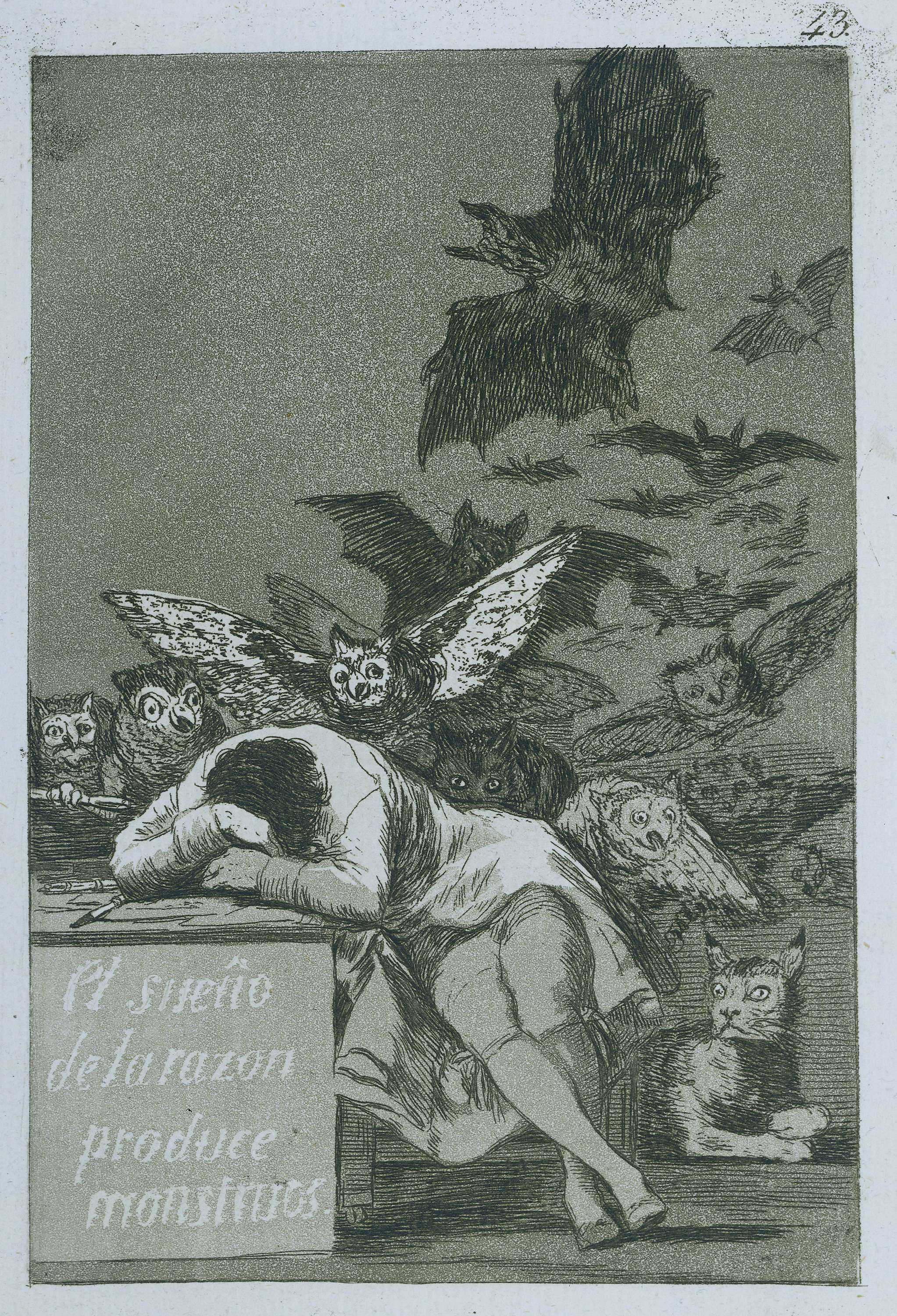
De slaap van de rede brengt monsters voort
Francisco de Goya
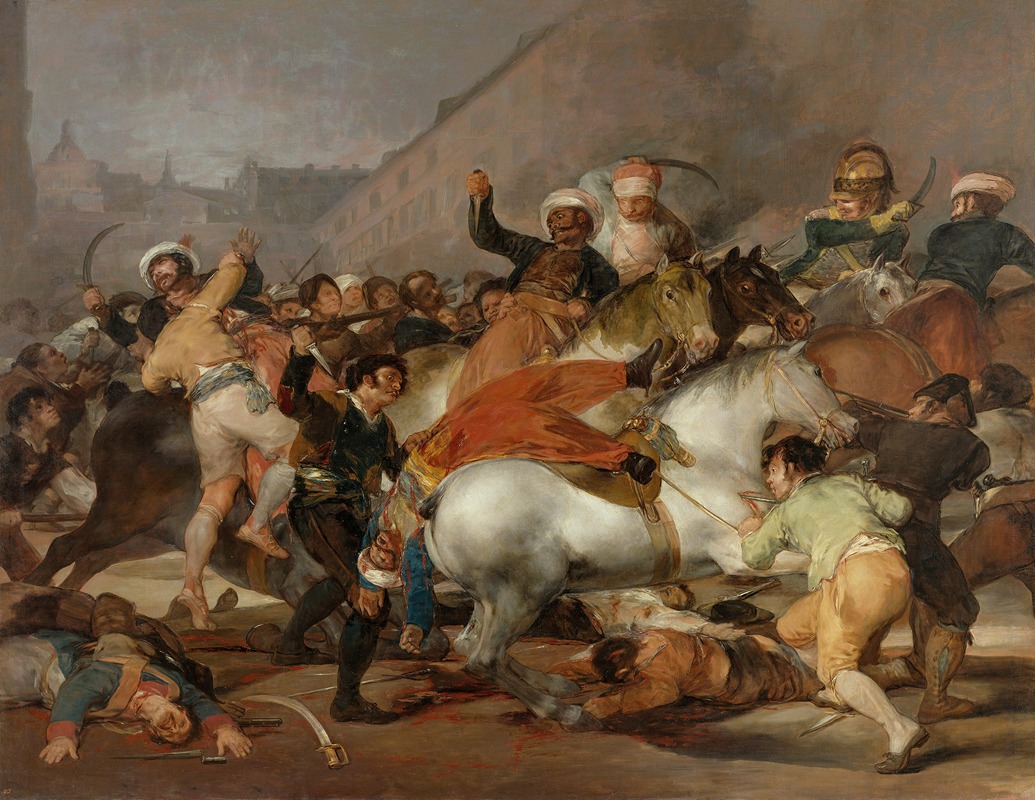
The Charge of the Mamelukes (1814)
Francisco de Goya