
Zakopane in Winter — History & Facts
When did color learn to lie? In the quiet embrace of winter, hues whisper secrets of longing, transforming the landscape into a canvas of dreams and desires. Focus on the soft blues and whites that cover the mountains and rooftops, as they cradle the village of Zakopane. Notice how the gentle strokes create a frosted stillness, inviting your gaze to wander over the snow-draped cottages nestled below the peaks. The muted tones evoke a sense of serenity, yet there lingers an undercurrent of yearning, as if the landscape itself is holding its breath in anticipation of spring. Explore the contrasts woven into the composition: the warm, earthy colors of the cottages juxtaposed against the cool, pristine snow.
Each brushstroke speaks to the passage of time and the inevitable cycles of nature, mirroring the human experience of hope and longing. The quietude is punctuated by the distant figure, a lone silhouette traversing the snowy path, evoking a sense of solitary reflection within the vastness of this winter scene. In 1906, during a period of artistic exploration and national pride in Poland, Jan Stanisławski painted this piece in his beloved Zakopane. The growing interest in capturing the essence of Polish landscapes coincided with the revival of Polish identity and culture.
As a prominent figure in the art movement, Stanisławski sought to convey the emotional depth of his surroundings, using his unique approach to color and light to evoke resonance within the viewer.
More Artworks by Jan Stanisławski
Browse all →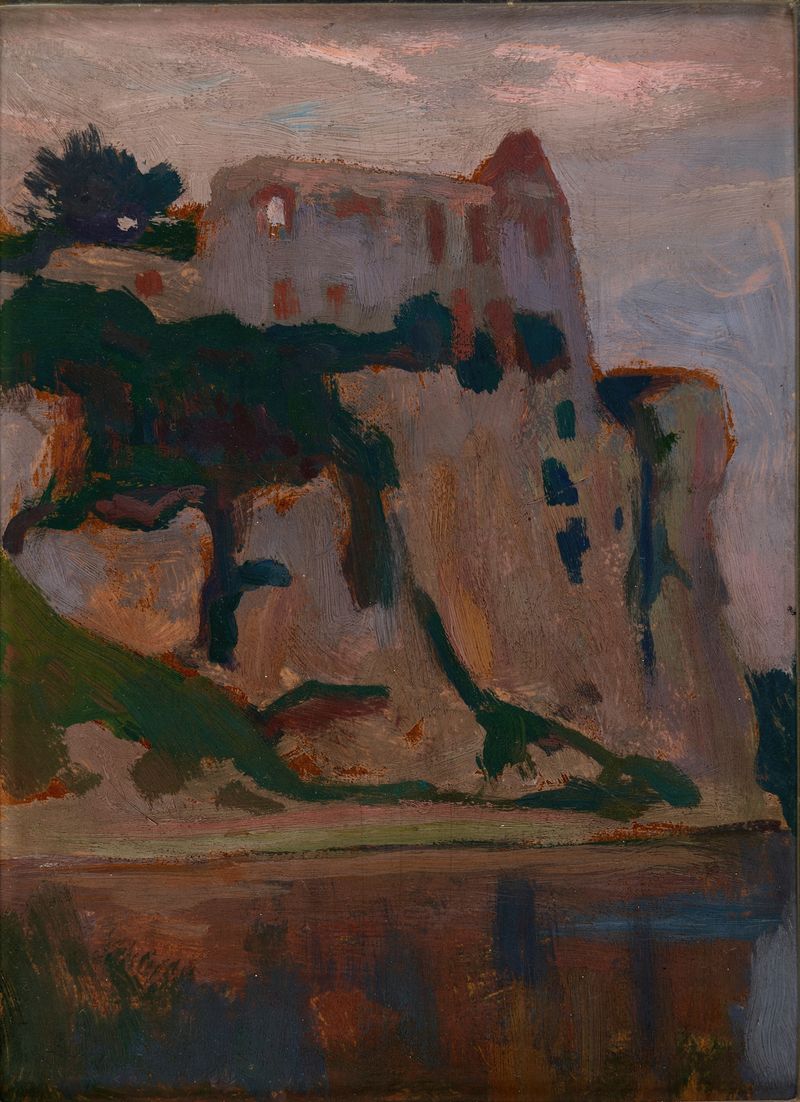
Tyniec at Dawn
Jan Stanisławski
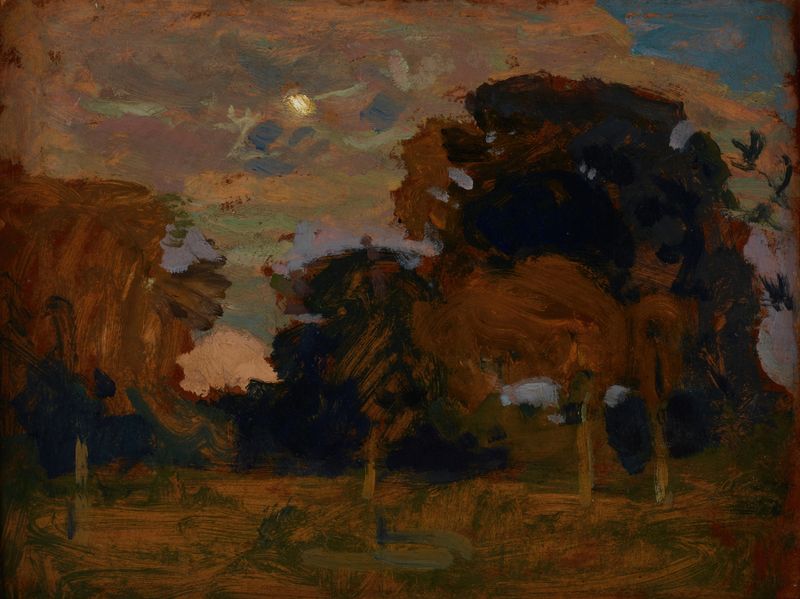
Moon in the Clouds
Jan Stanisławski
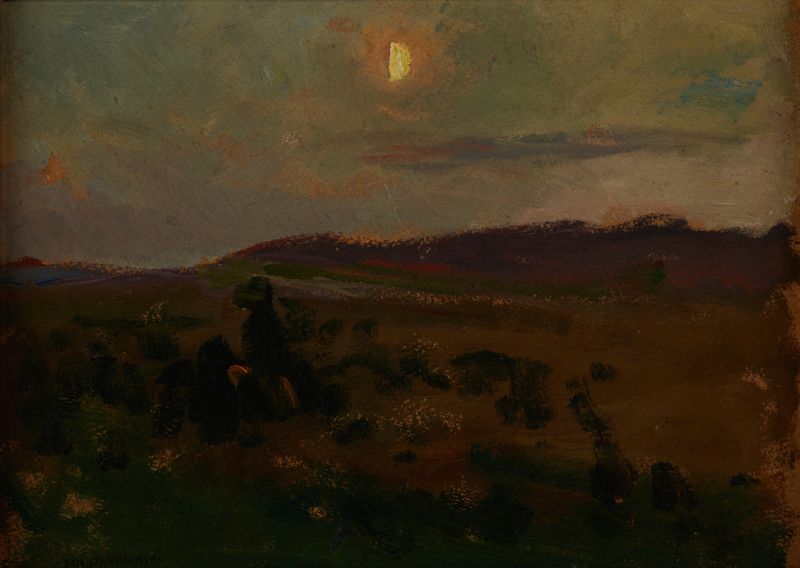
Moonrise
Jan Stanisławski
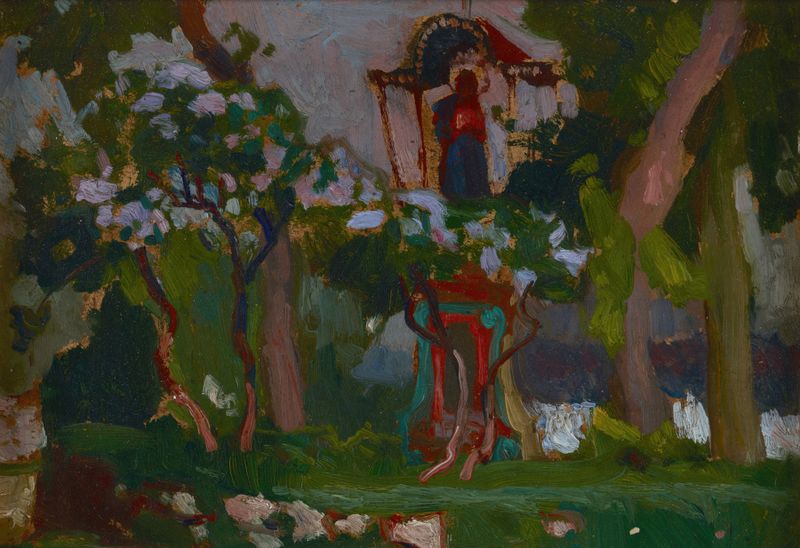
May
Jan Stanisławski
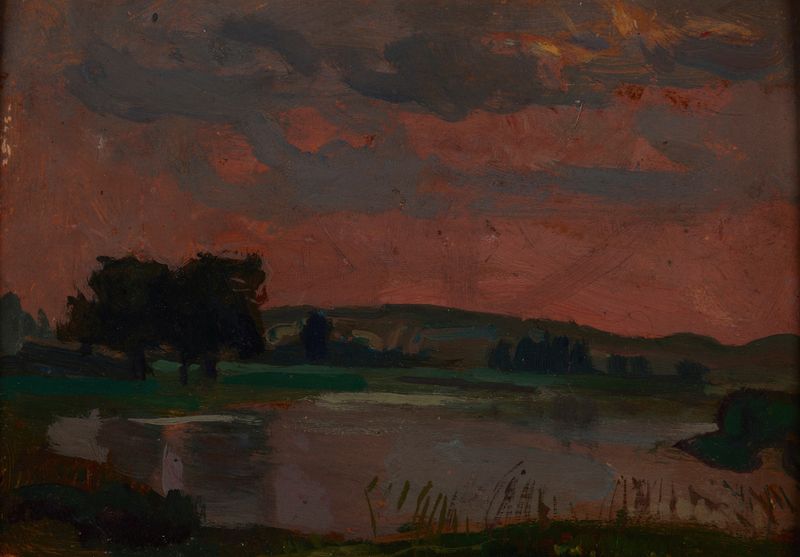
The Vistula in the Twilight
Jan Stanisławski
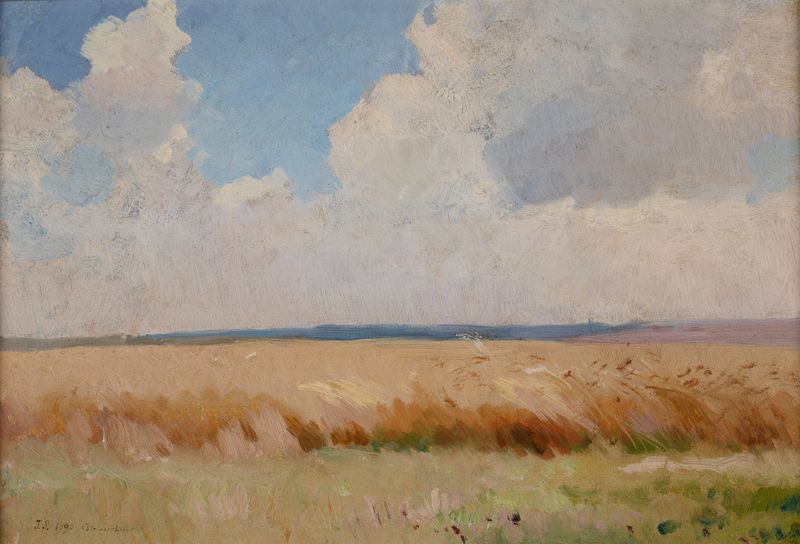
Field at Białocerkiew (Bila Tserkva)
Jan Stanisławski
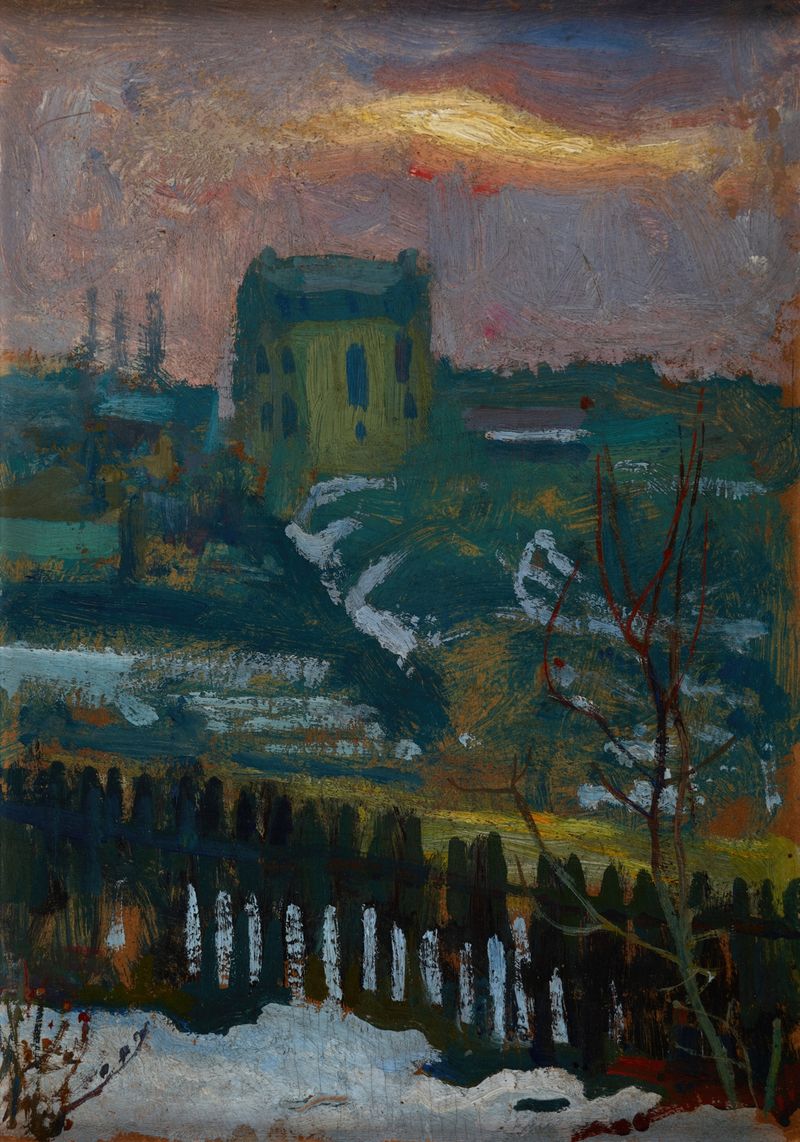
House in Winter
Jan Stanisławski
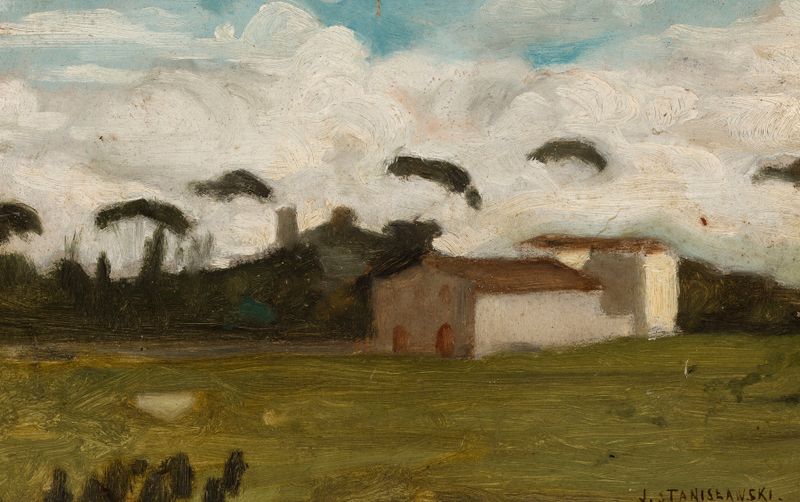
Landscape
Jan Stanisławski
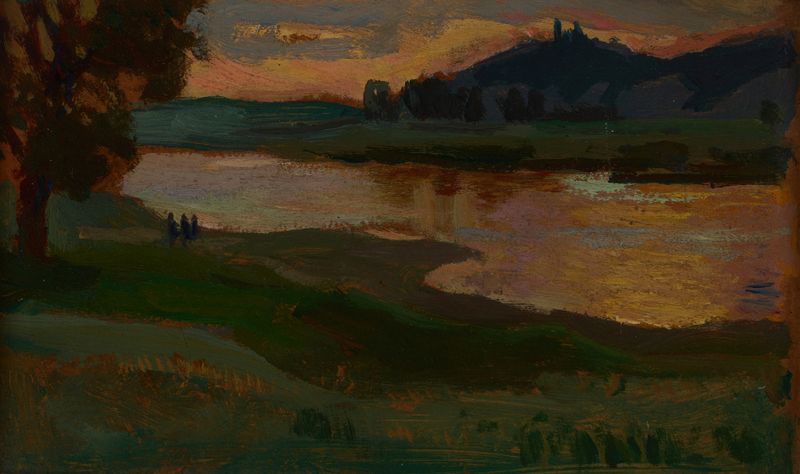
Bielany at Dusk
Jan Stanisławski
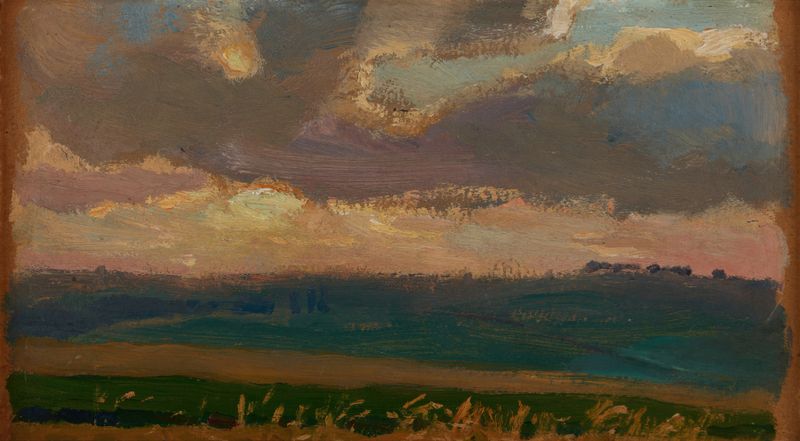
Fields at Proszowice
Jan Stanisławski





