
Zeehaven — History & Facts
Could beauty survive in a century of chaos? In Zeehaven, the serene waters reflect a world caught between tumult and tranquility, suggesting that even in disorder, there is a place for peace. Look to the horizon where gentle waves meet the sky, painted in soft hues of blue and gray. The composition balances bustling activity in the harbor with the calmness of the sea, drawing the eye toward the elegant ships docked at the quay. Notice how the carefully rendered details of the masts and sails contrast with the fluidity of the water, exemplifying the artist's skill in capturing both movement and stillness.
The interplay of light and shadow plays a crucial role, highlighting the delicate beauty of the scene and inviting contemplation. Delve deeper, and one can unearth layers of meaning beneath the surface. The ships symbolize trade and connection, yet their stillness hints at stagnation, perhaps a critique of economic challenges faced in the artist's time. Additionally, the tranquil sea serves as a reminder of nature's persistence, even amid human endeavors and struggles.
These contrasts evoke a sense of nostalgia, reflecting the duality of beauty and turmoil, urging viewers to find solace in the fleeting moments of peace. Reinier Nooms painted Zeehaven during the late 17th century, a period marked by political upheaval in the Netherlands and significant developments in maritime trade. Living in Amsterdam, he was deeply influenced by the flourishing Dutch Golden Age, where art and commerce thrived despite the surrounding chaos. This artwork stands as a testament to the resilience of beauty amid the complexities of existence, encapsulating a moment in time that resonates through the ages.
More Artworks by Reinier Nooms
Browse all →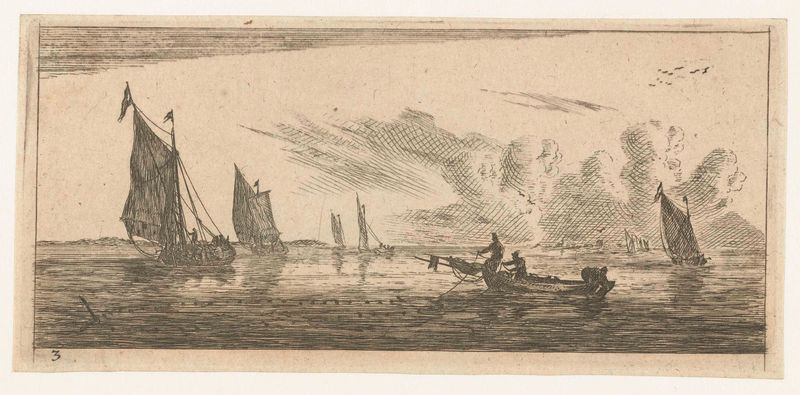
Zeegezicht met verschillende zeilschepen
Reinier Nooms
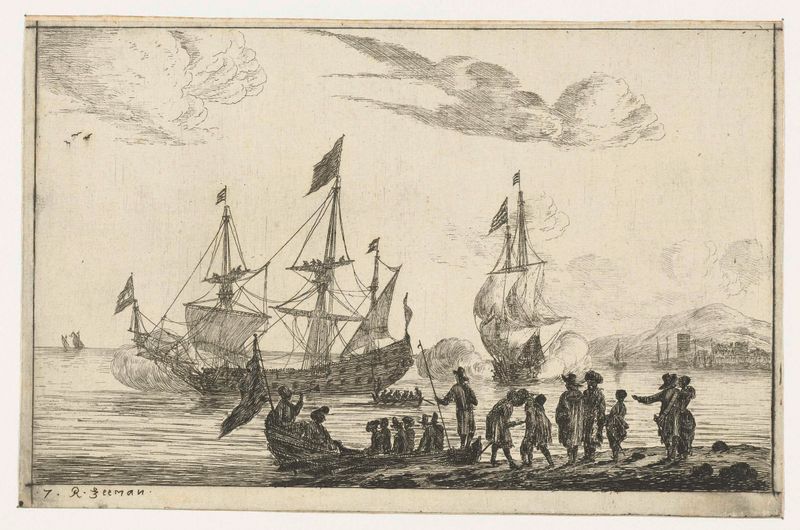
Havenscène met een spiegelsloep
Reinier Nooms
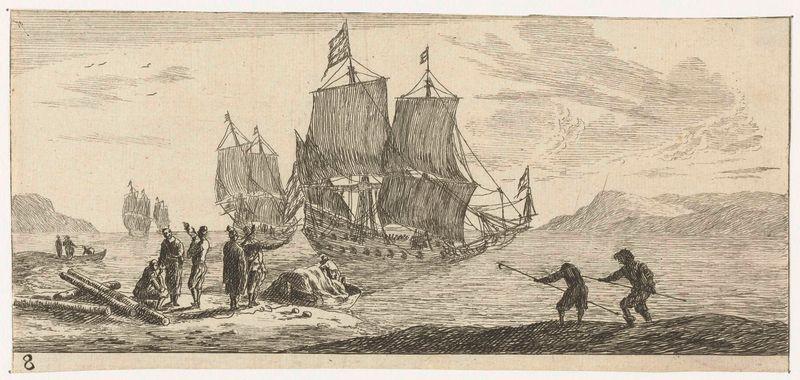
Vier grote zeilschepen in een baai
Reinier Nooms
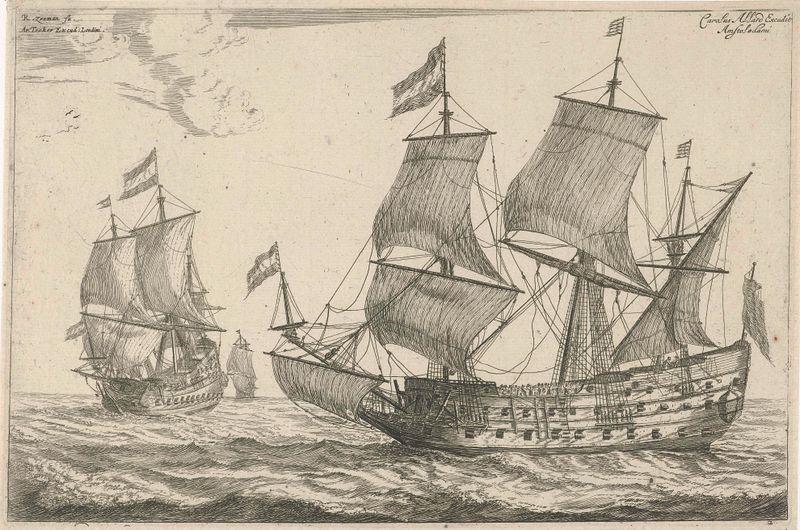
Twee grote oorlogsschepen
Reinier Nooms
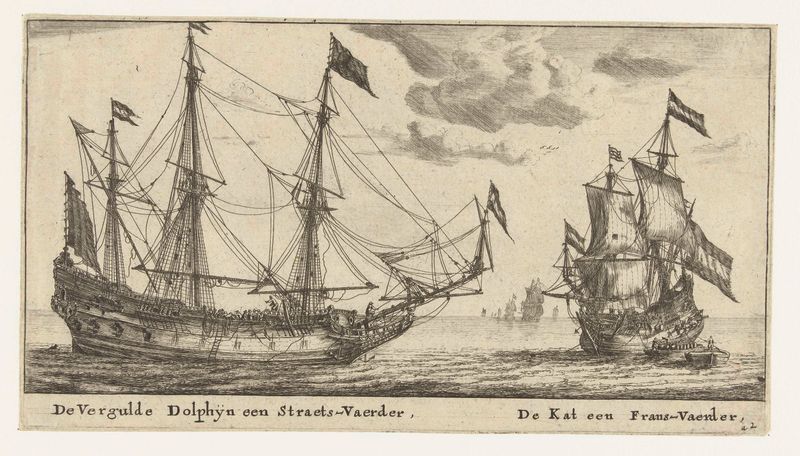
De schepen De Vergulde Dolfijn en De Kat
Reinier Nooms
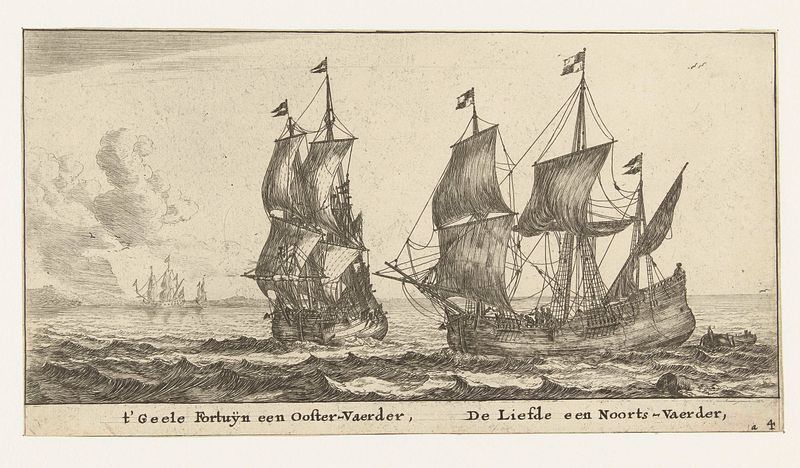
De schepen 't Gele Fortuin en De Liefde
Reinier Nooms
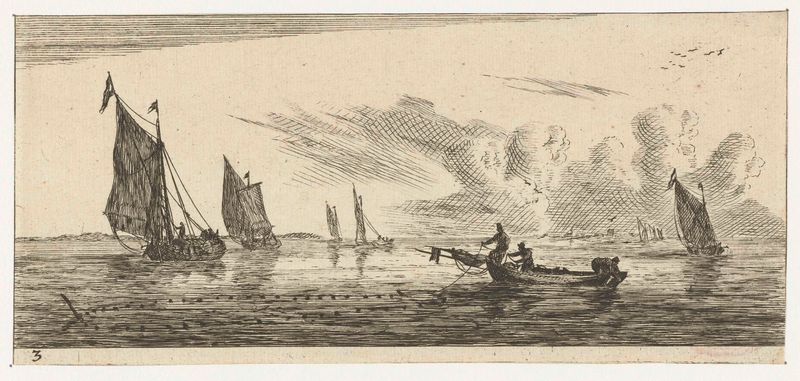
Zeegezicht met verschillende zeilschepen
Reinier Nooms
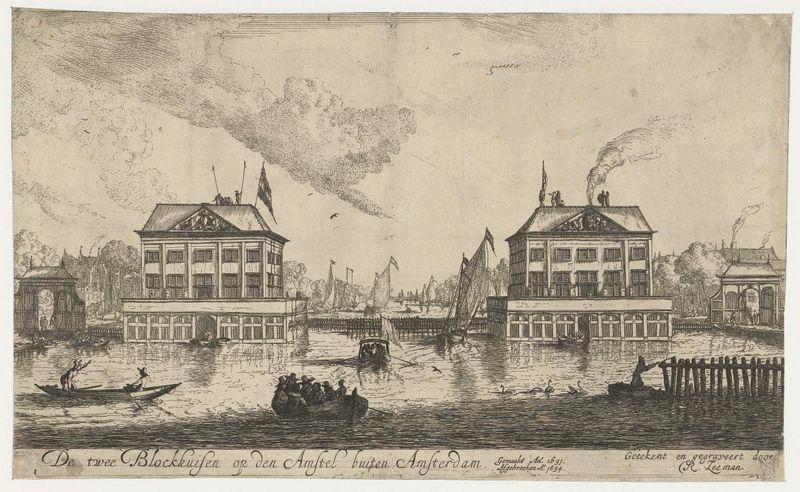
Gezicht op de twee Blokhuizen in de Amstel
Reinier Nooms
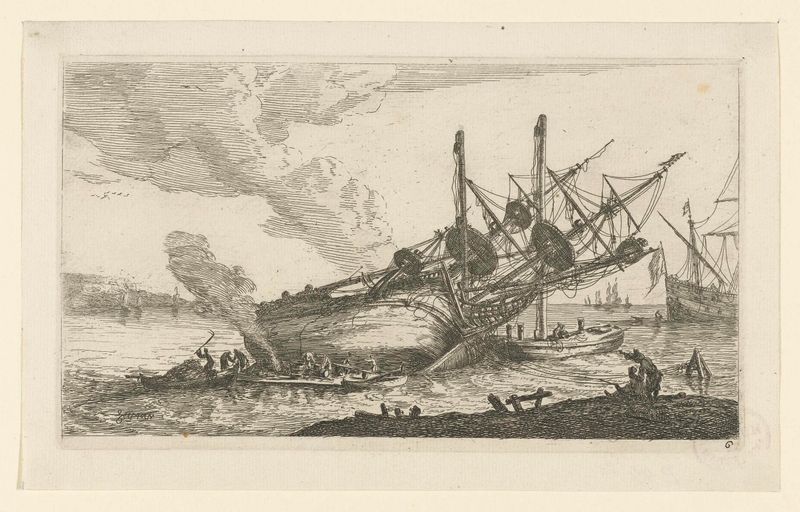
Reparaties aan de romp van een schip
Reinier Nooms
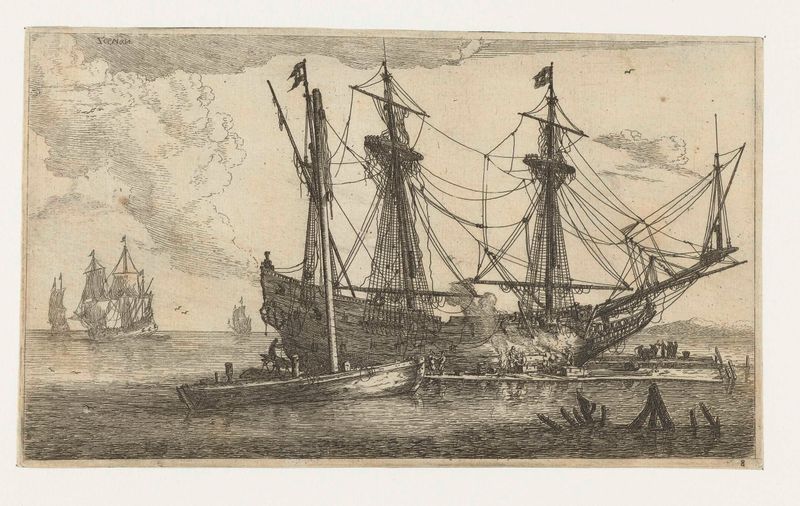
Reparaties aan de romp van een schip
Reinier Nooms





