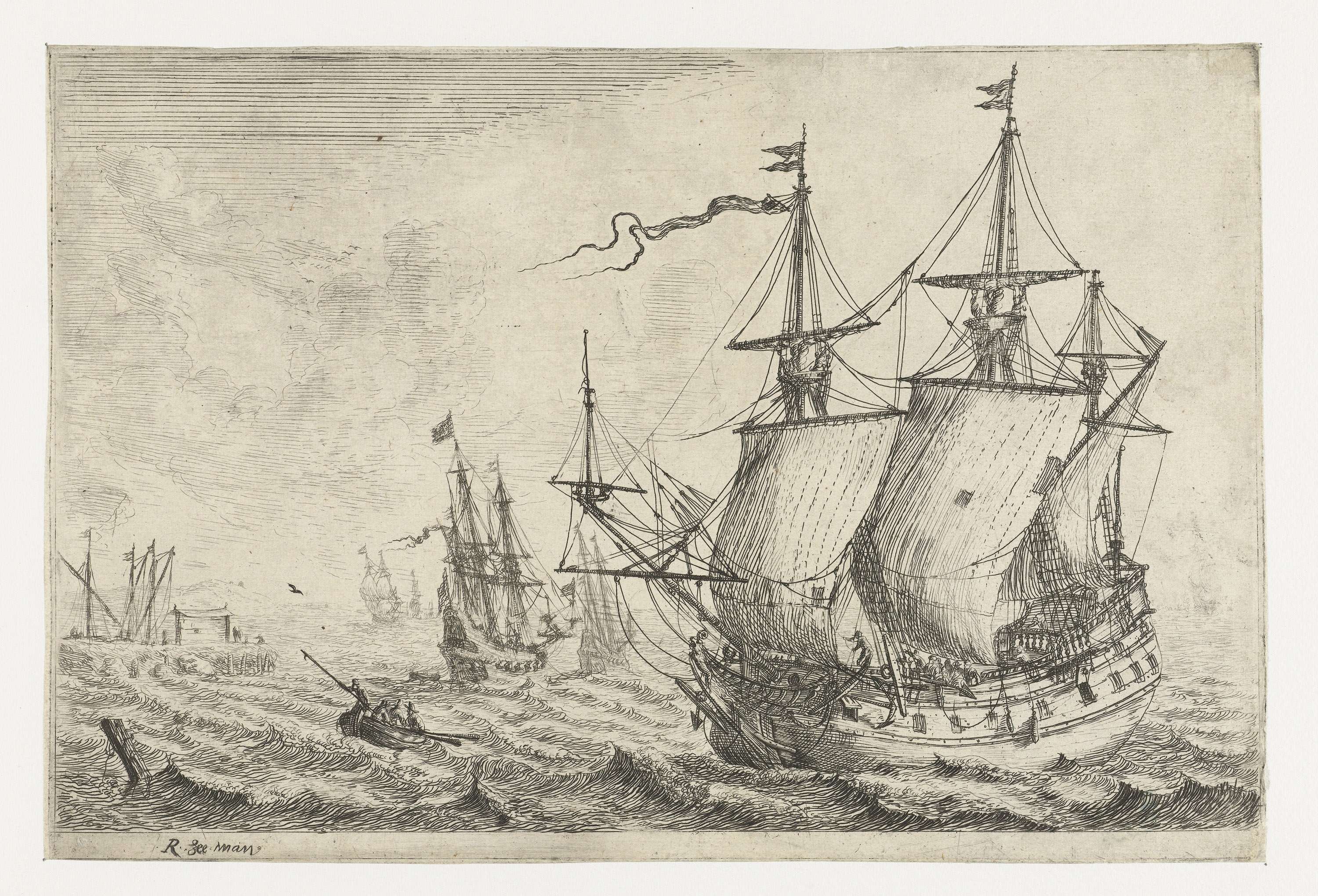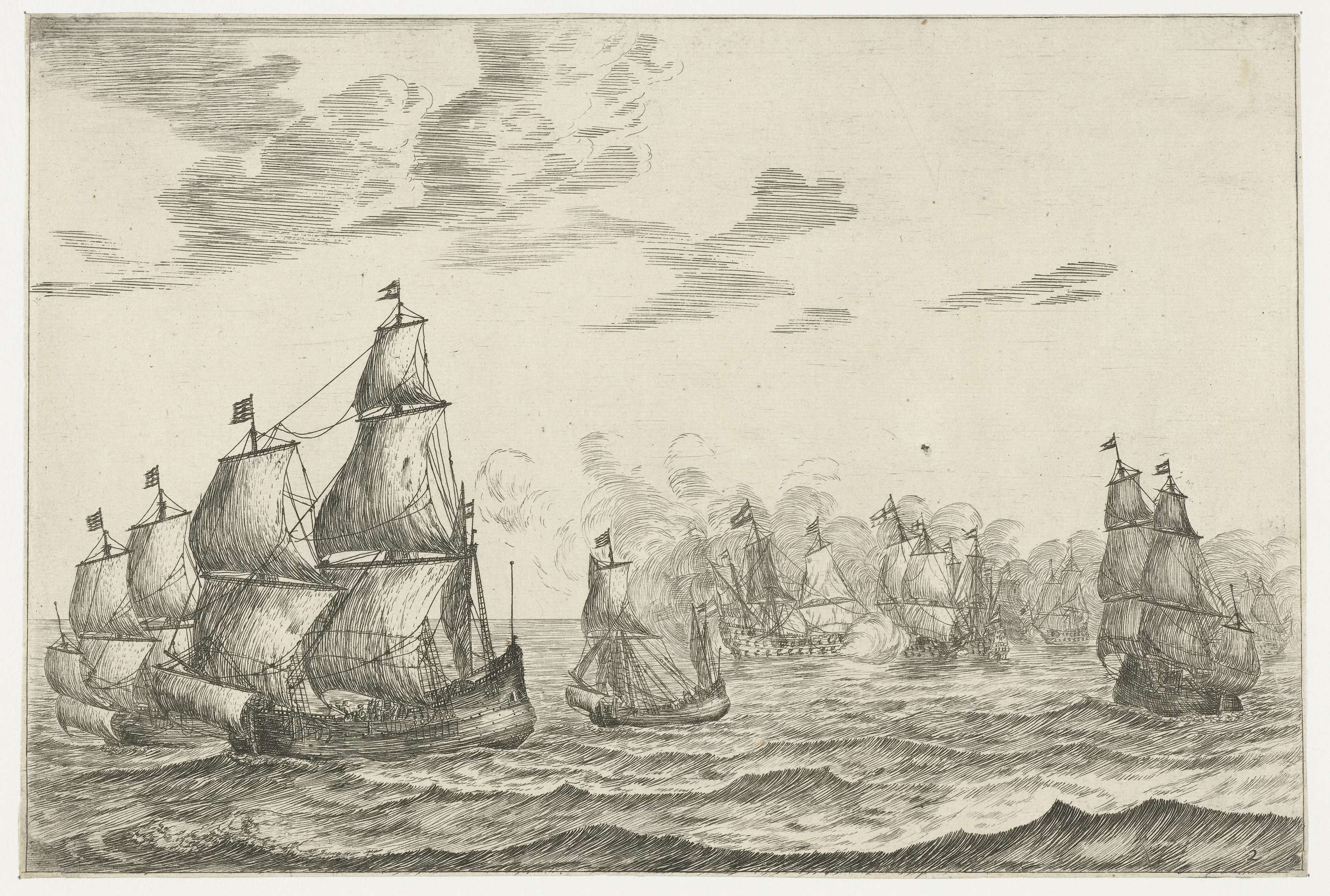
Zeeslag — History & Analysis
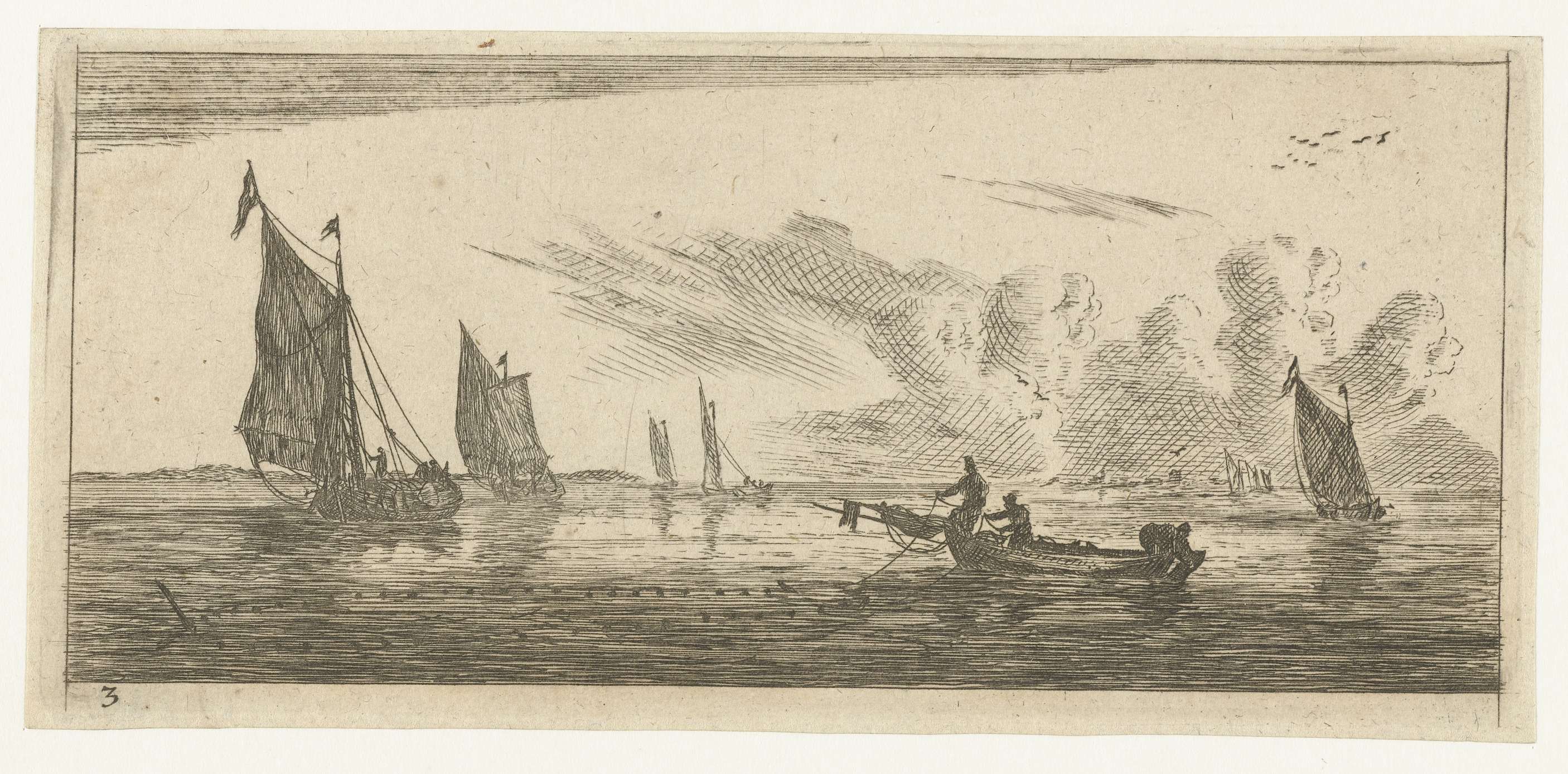
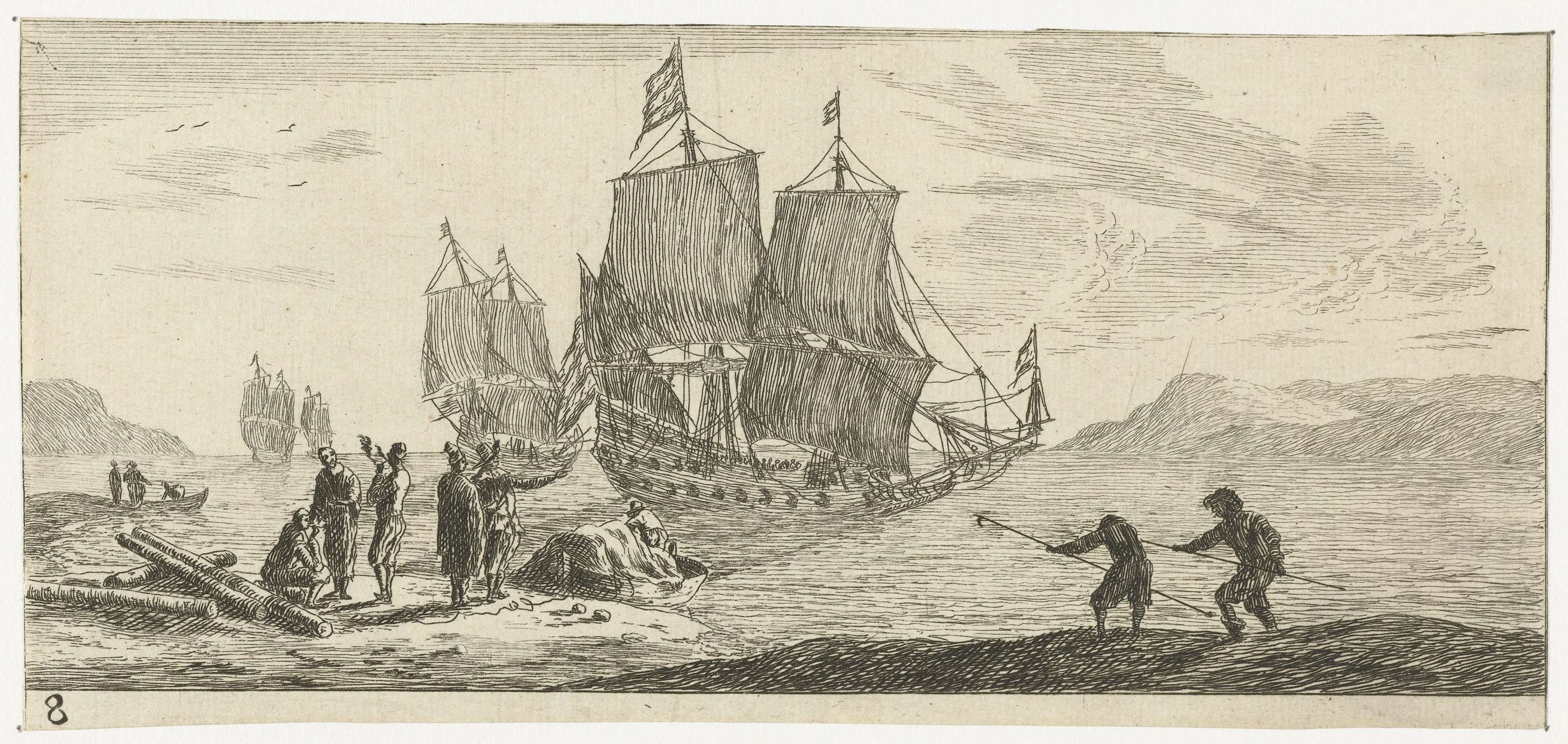
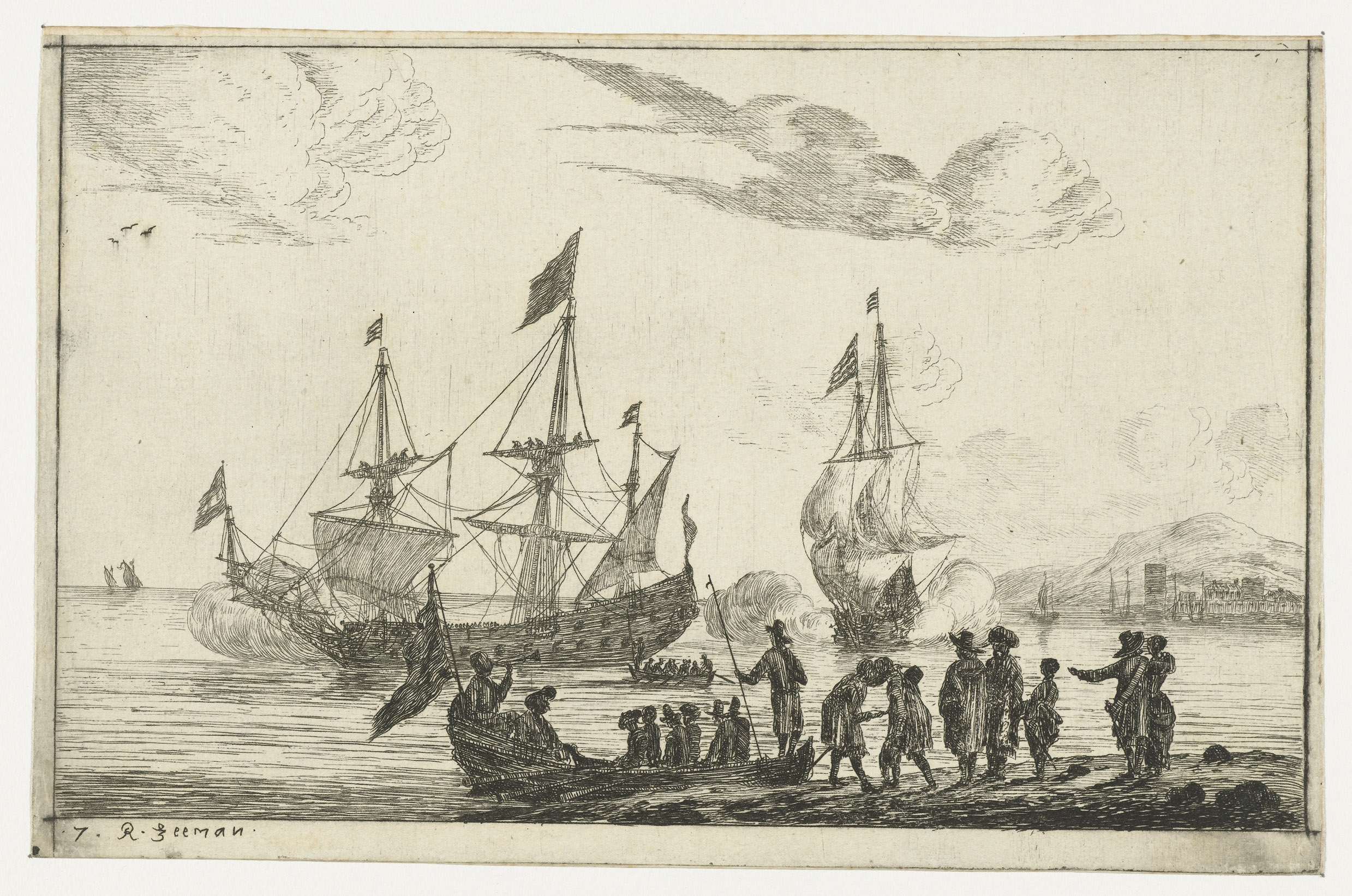
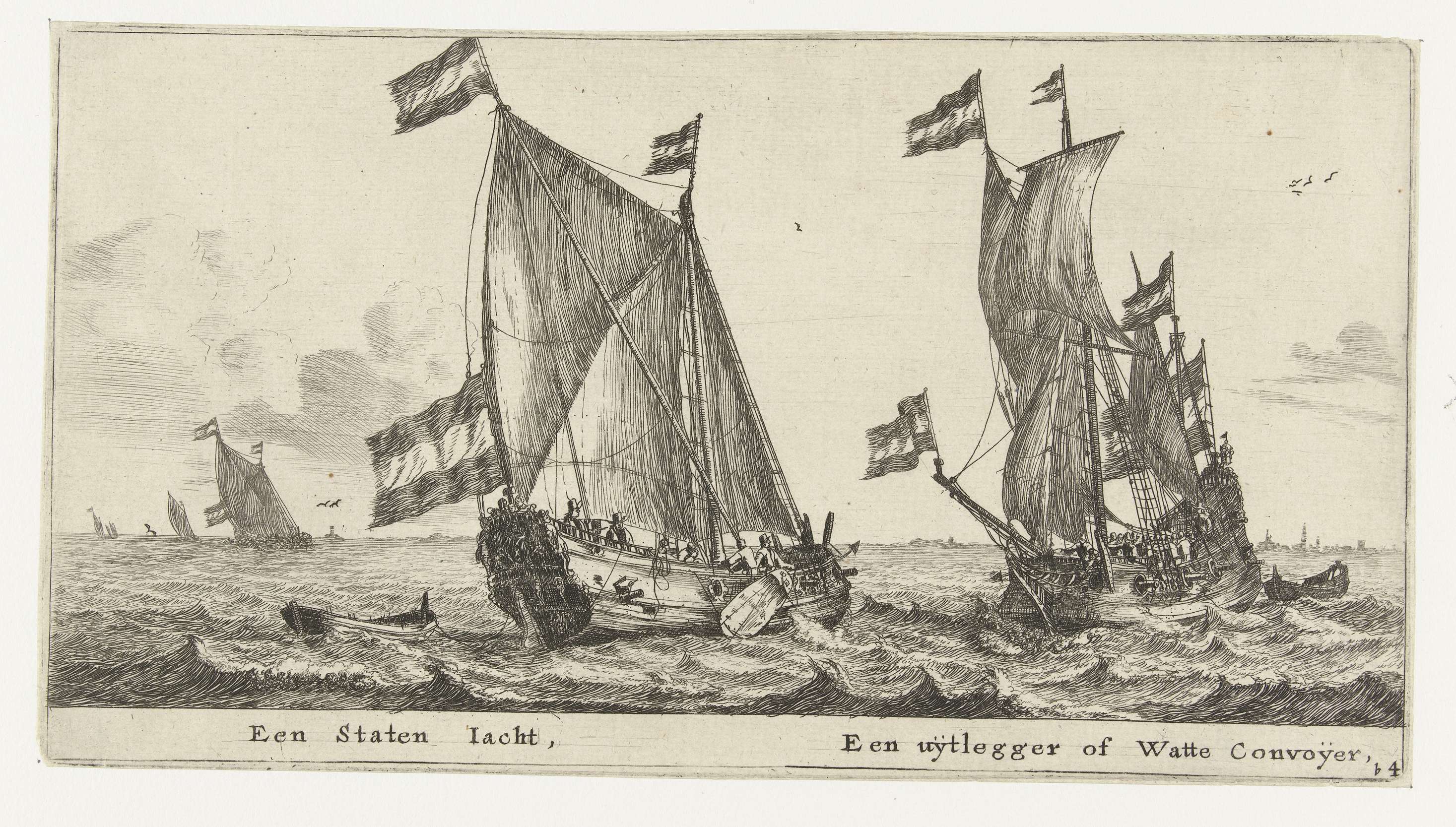
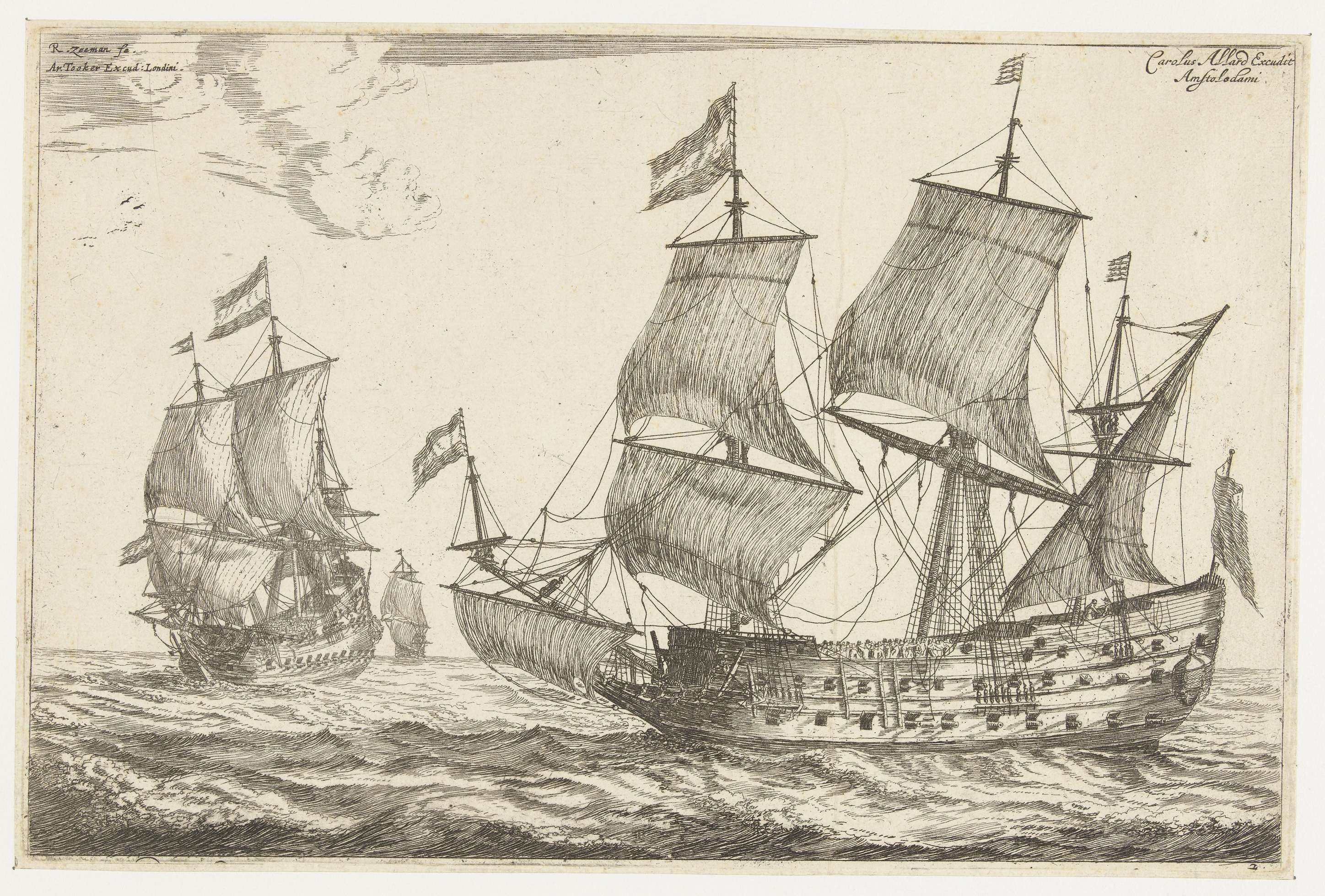
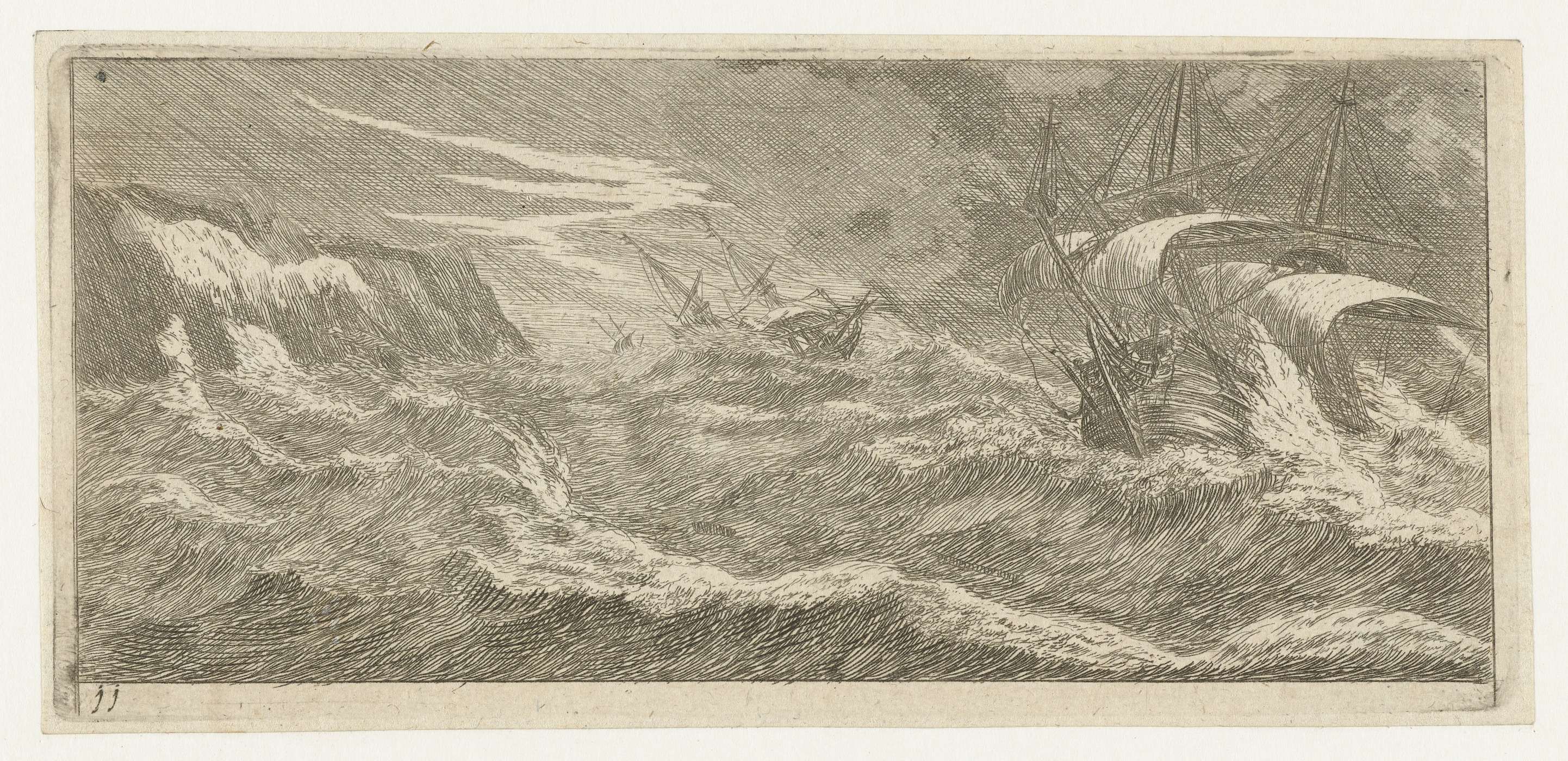
“Every brushstroke is a heartbeat remembered.” In the silent dance of light and shadow, the essence of a moment is captured, inviting contemplation on the delicate interplay between visibility and obscurity. Focus on the lower part of the canvas, where the water shimmers with a deep azure hue, reflecting the tension of the battle above. Notice the stark contrasts: the bright sails that billow against the muted sky, their movement palpable, and the dark shadows cast by the ships, whispering secrets of conflict and resolve. The composition is masterful, with a diagonal axis that draws the eye across the turbulent scene, creating a dynamic sense of motion and urgency.
Delve into the hidden meanings woven into the fabric of this naval encounter. The shadows play a vital role, not merely as absence of light, but as symbols of uncertainty that loom over the figures engaged in battle. Each vessel carries its own weight of destiny, and the interplay between the illuminated sails and the obscured hulls evokes a sense of the duality of glory and sacrifice inherent in maritime warfare. The contrasting colors of the canvas express both the chaos of war and the beauty of human endeavor amidst turmoil.
During the years 1652 to 1670, Reinier Nooms was immersed in the golden age of Dutch maritime painting, working primarily in Amsterdam. This period was marked by the Netherlands’ naval prowess, and Nooms sought to document the essence of these mighty sea battles. His works reflect not just the historical context but also personal experiences of the tumultuous sea life, resonating with the spirit of an era defined by exploration and conquest.