
Zermatt, Matterhorn — History & Facts
The first thing to catch the eye here is the Matterhorn itself, rising with a sharp, sculptural clarity against a field of pink sky. The mountain’s jagged silhouette is rendered in bold, almost graphic lines, its snowy flanks catching the last golden light while the lower slopes are swallowed in deep shadow. The stark contrast between the glowing summit and the darkened forest below is not just a play of light, but a visual strategy: the artist draws all attention upward, making the mountain a beacon, a destination.
The flat, poster-like treatment and the deliberate use of color transform this natural landmark into a symbol, inviting the viewer to imagine the crisp air and the thrill of arrival at Zermatt. Created in 1908, this work belongs to a period when travel posters were not only advertisements but also cultural ambassadors, designed to lure visitors to the wonders of Switzerland’s Alps. Such images were commissioned by railways, hotels, and tourism boards eager to attract a new class of leisure travelers, made possible by the expansion of train lines and the rise of the middle class. The bold lettering and stylized forms are hallmarks of early twentieth-century graphic design, when artists like Emil Cardinaux helped define the visual identity of the Swiss Alps for generations.
While little is recorded about this particular print’s journey, its survival as a self-scanned image speaks to the enduring appeal of both the mountain and the era’s vision of travel—one that still calls viewers to look up, and imagine themselves at the foot of the Matterhorn.
More Artworks by Emil Cardinaux
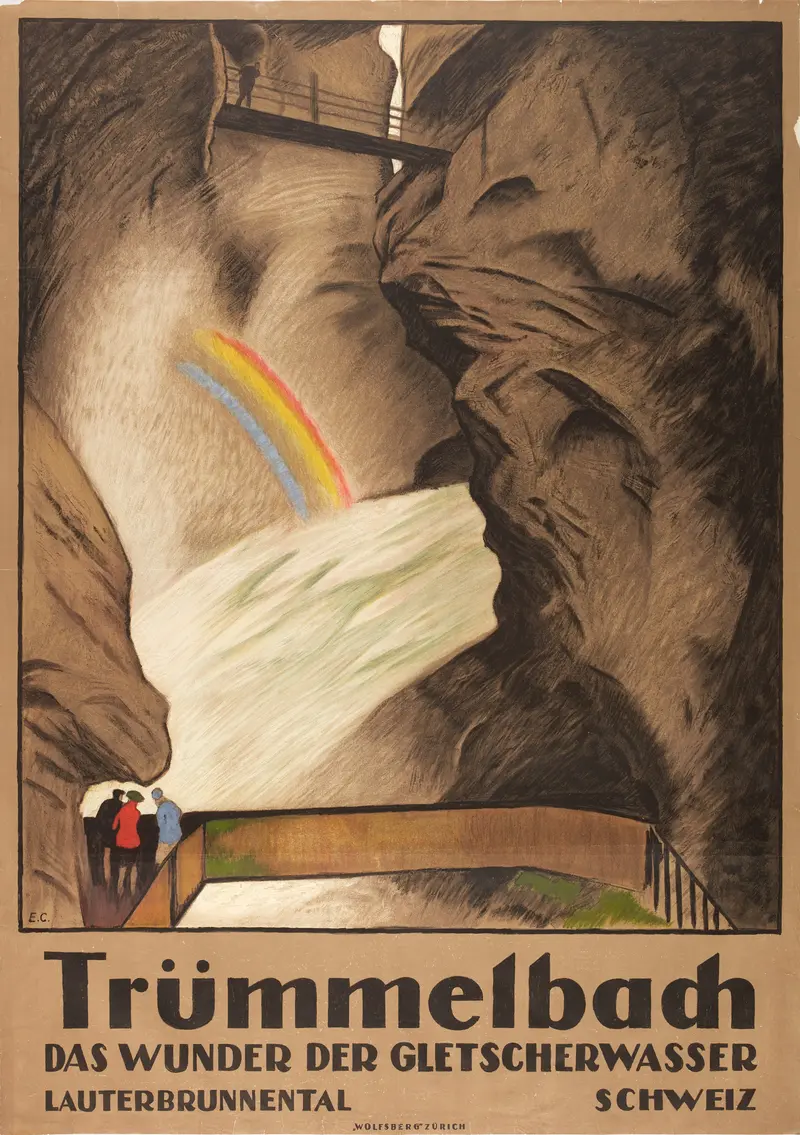
Trümmelbach
Emil Cardinaux
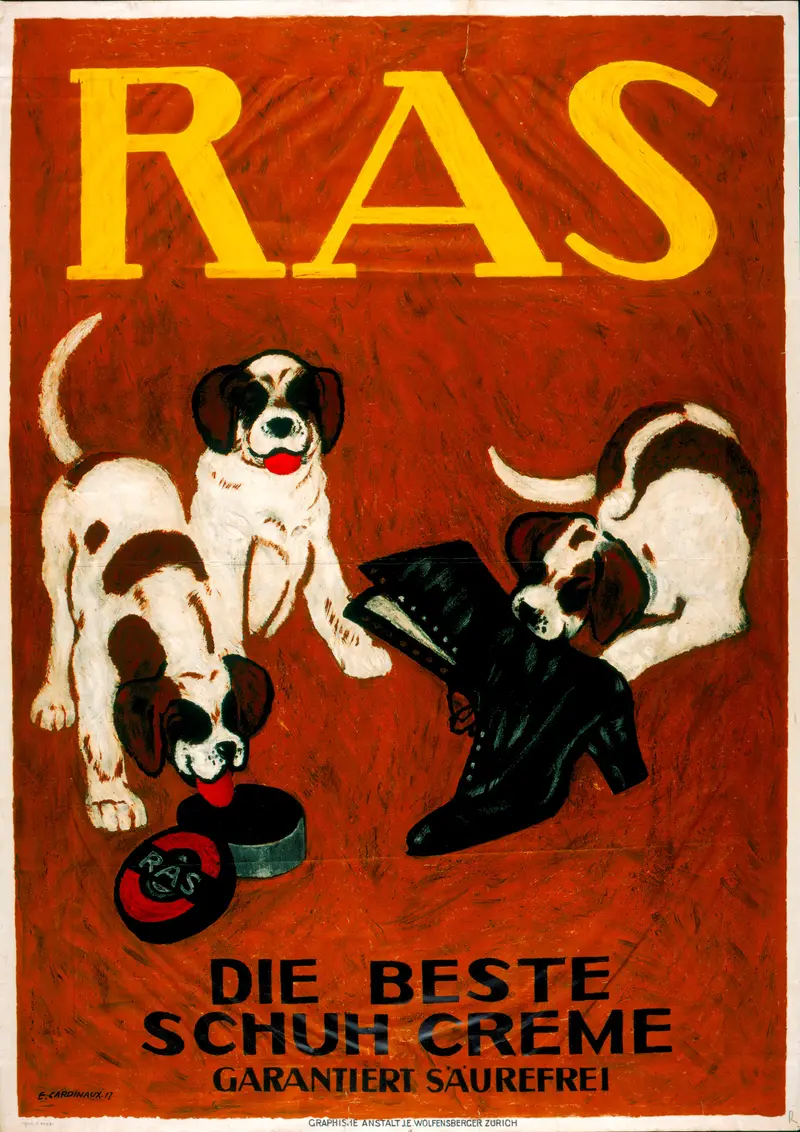
RAS, die beste Schuhcrème
Emil Cardinaux
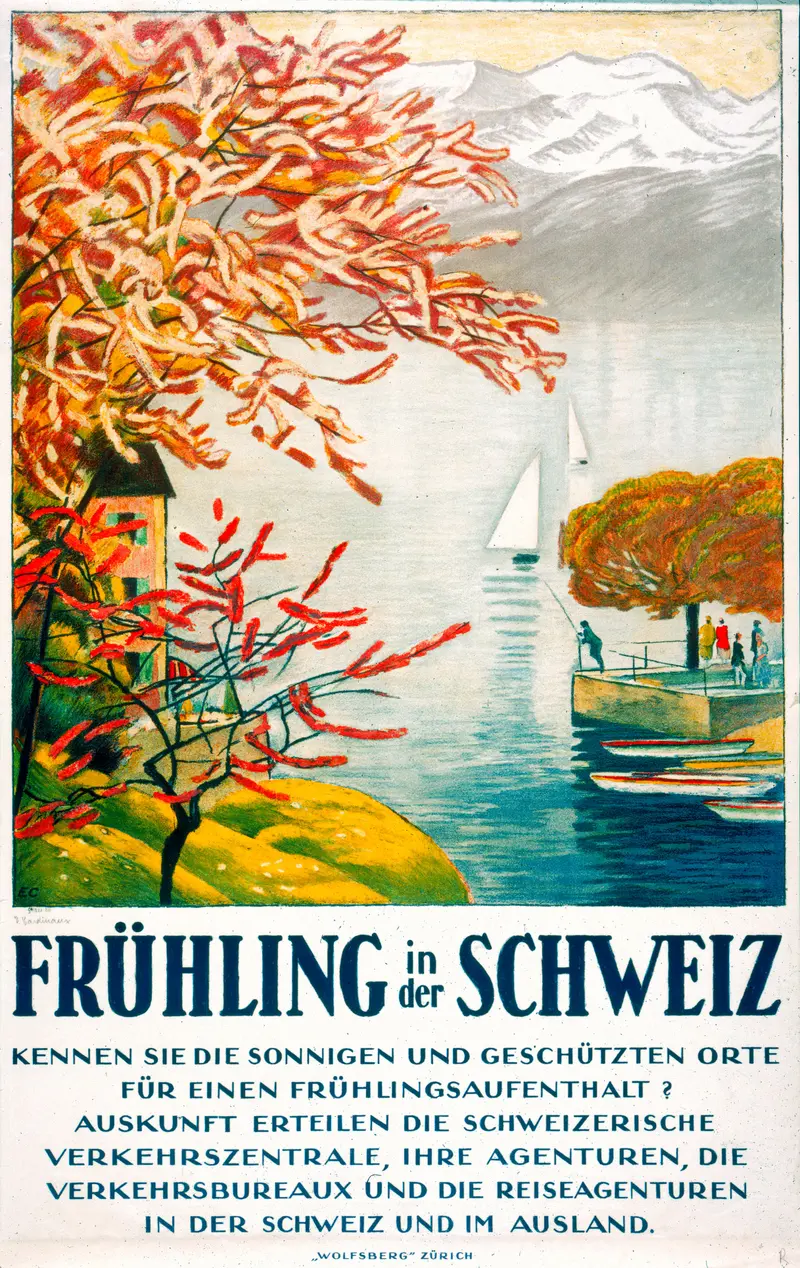
Frühling in der Schweiz
Emil Cardinaux
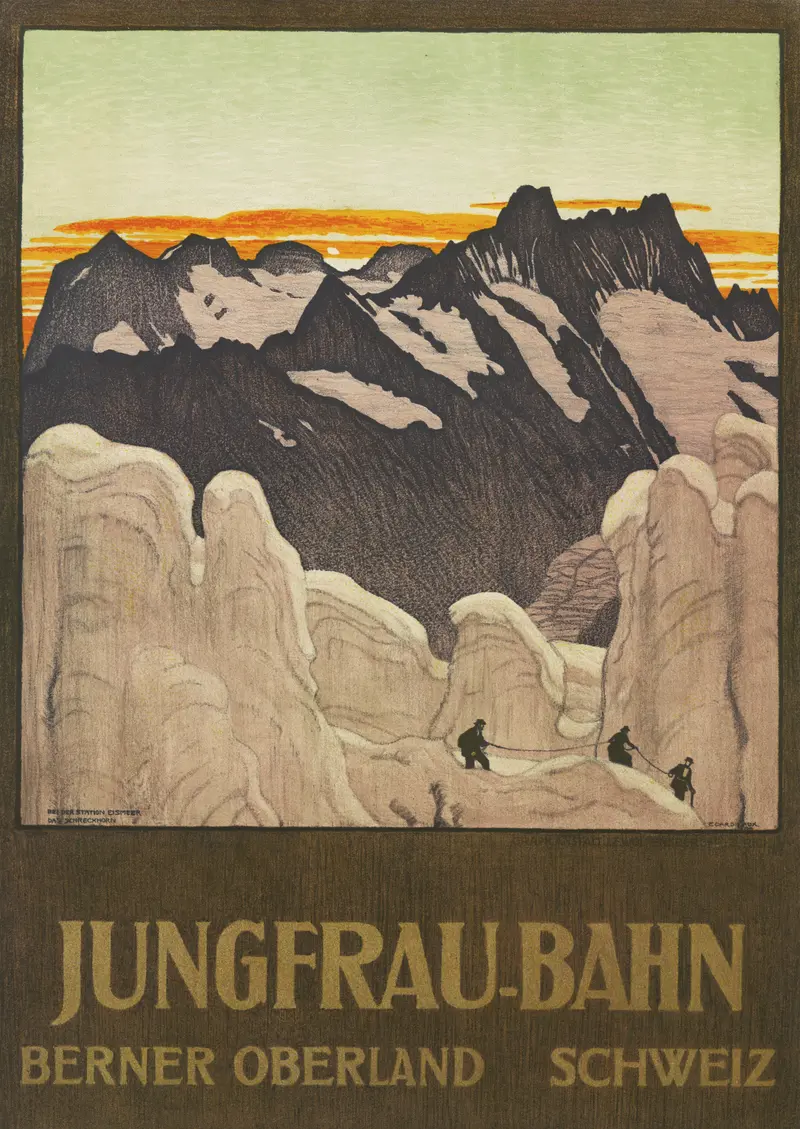
Jungfrau-Bahn, Berner Oberland
Emil Cardinaux

Bally – Schuhe für die Familie
Emil Cardinaux

Winter in Switzerland
Emil Cardinaux
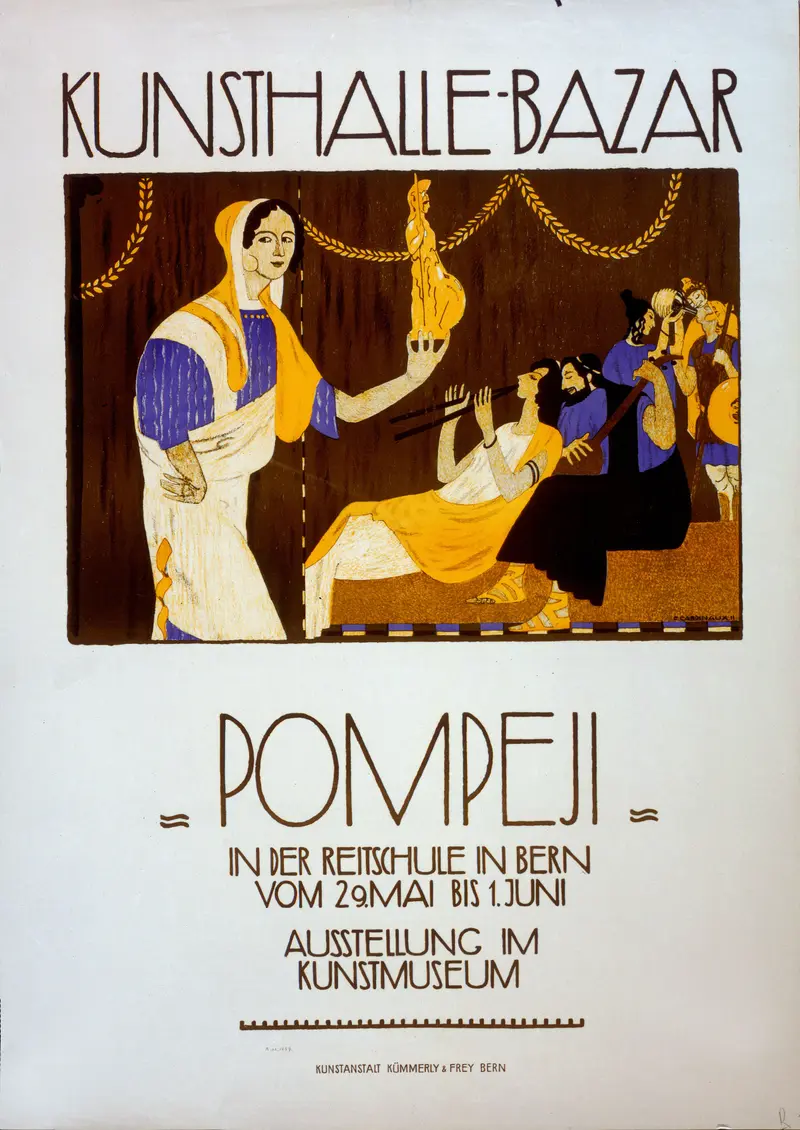
Kunsthalle-Bazar Pompeji, Bern 1911
Emil Cardinaux
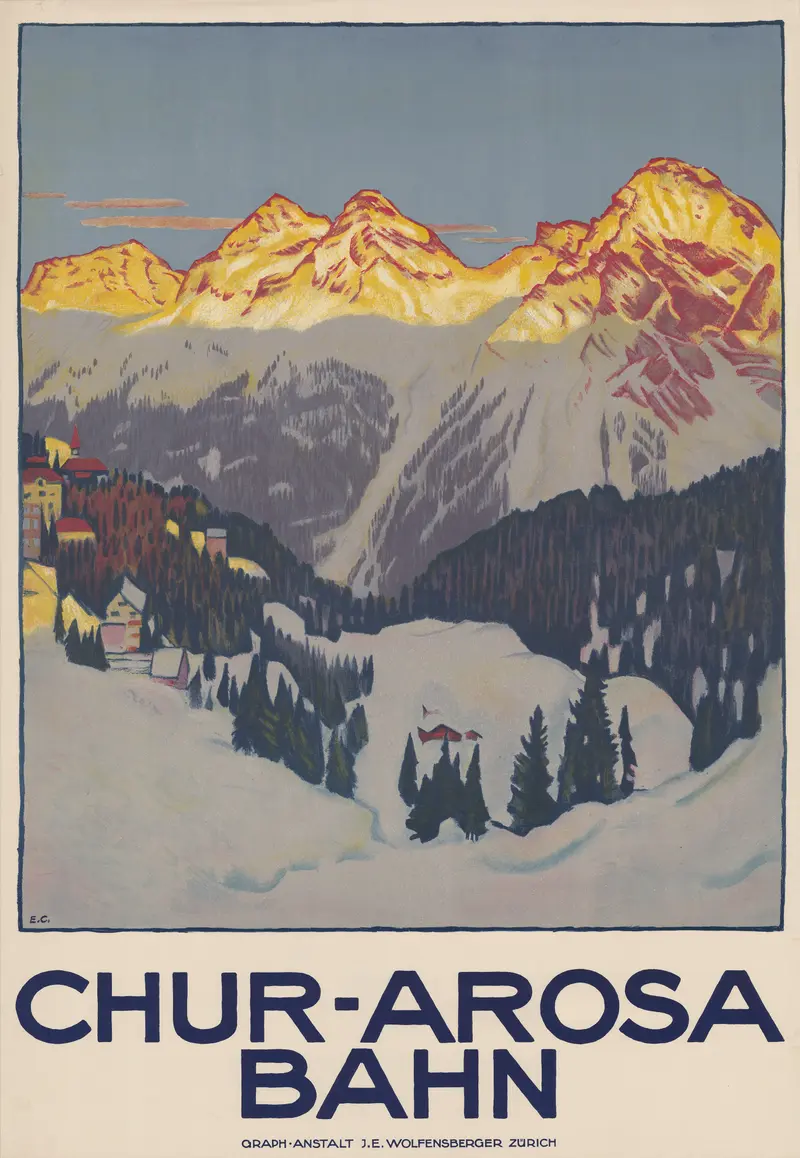
Chur-Arosa-Bahn
Emil Cardinaux
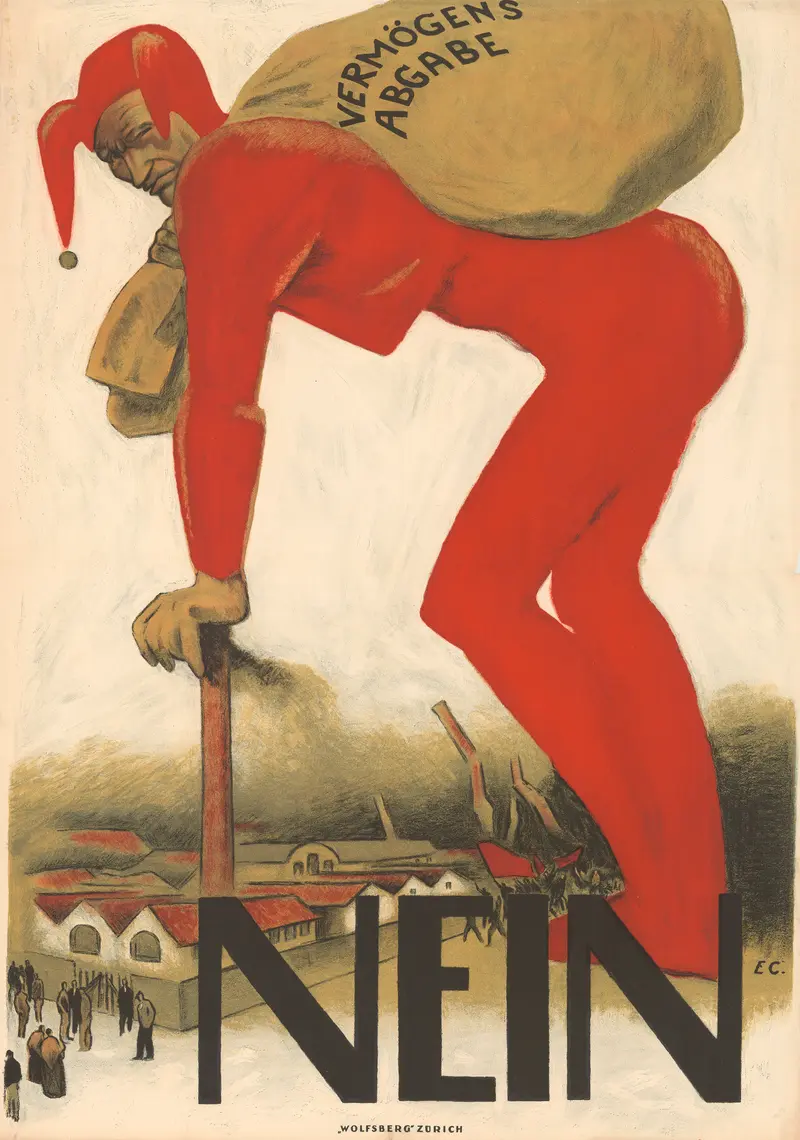
Vermögensabgabe – Nein
Emil Cardinaux
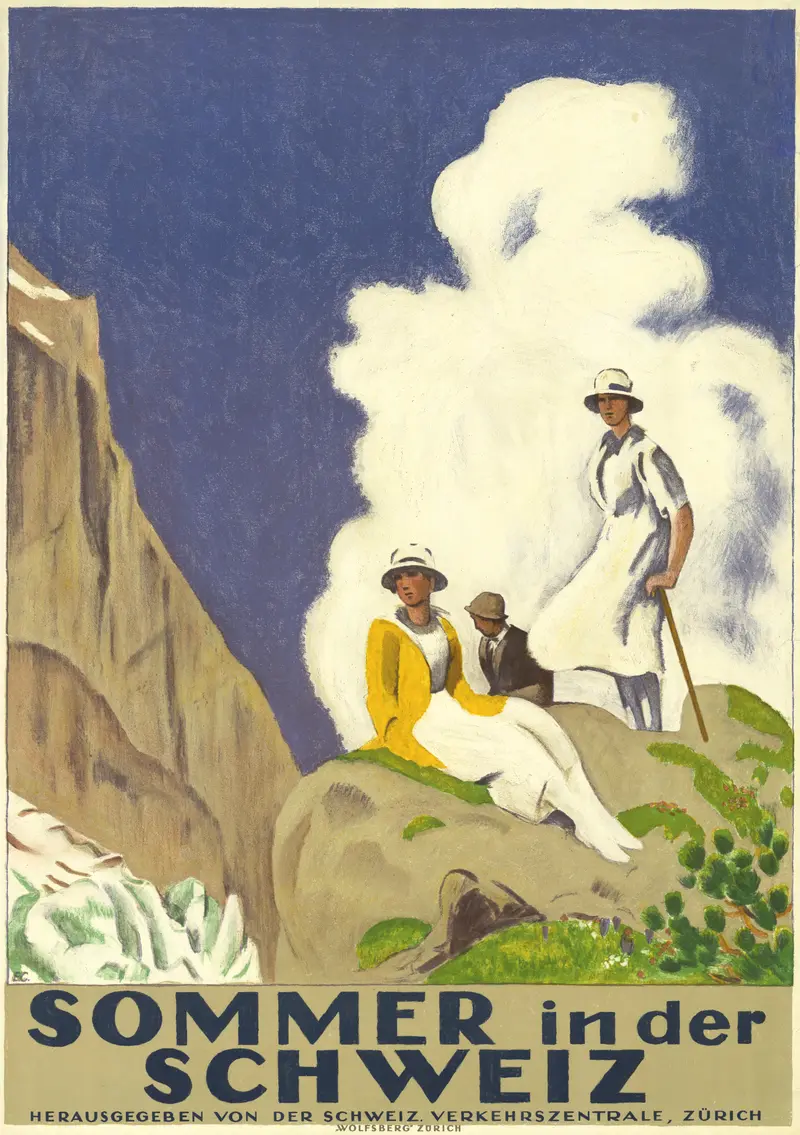
Sommer in der Schweiz
Emil Cardinaux
More Landscape Art

The Starry Night
Vincent van Gogh

View of Delft
Johannes Vermeer

Water Lilies
Claude Monet

The Grand Canal, Venice, looking north-west from the Ca' Corner to the Ca' Contarini degli Scrigni, with the campanile of Santa Maria della Carità
Canaletto

Windsor Castle
Canaletto

The Grand Canal looking North-East from the Palazzo Dolfin-Manin to the Rialto Bridge
Canaletto