Zes jachthonden — History & Facts
Who listens when art speaks of silence? In Zes jachthonden, the quietude of absence resonates profoundly, capturing the weight of loss in the unspoken. Look to the left at the serene composition where the six hunting dogs lie in repose, their bodies a study of relaxed vigilance. Their fur, delicately rendered with strokes of browns and whites, invites the viewer to trace the soft contours and subtle expressions that hint at their nature. Notice how the light cascades softly across their forms, creating an interplay of shadow and illumination that accentuates their stillness, almost as if time has paused in this intimate moment of companionship. Beneath the surface, the positioning of the dogs reveals a deeper narrative—a mingling of loyalty and longing.
Each dog's gaze, poised yet distant, suggests a yearning for a hunt that has come to an end, evoking a sense of nostalgia that lingers in the air. The absence of human figures heightens this emotional tension, leaving the viewer to ponder what has been lost, yet also what remains in the quiet intimacy shared between these creatures. Created between 1646 and 1647, Wenceslaus Hollar painted this piece while living in London, a city vibrant with artistic activity yet marked by personal upheaval. During this period, he navigated the tumultuous aftermath of the English Civil War, reflecting a world in transition.
His work often bridged the gap between observation and interpretation, synthesizing his experiences into artworks that speak of resilience and reflection in the face of change.
More Artworks by Wenceslaus Hollar
Browse all →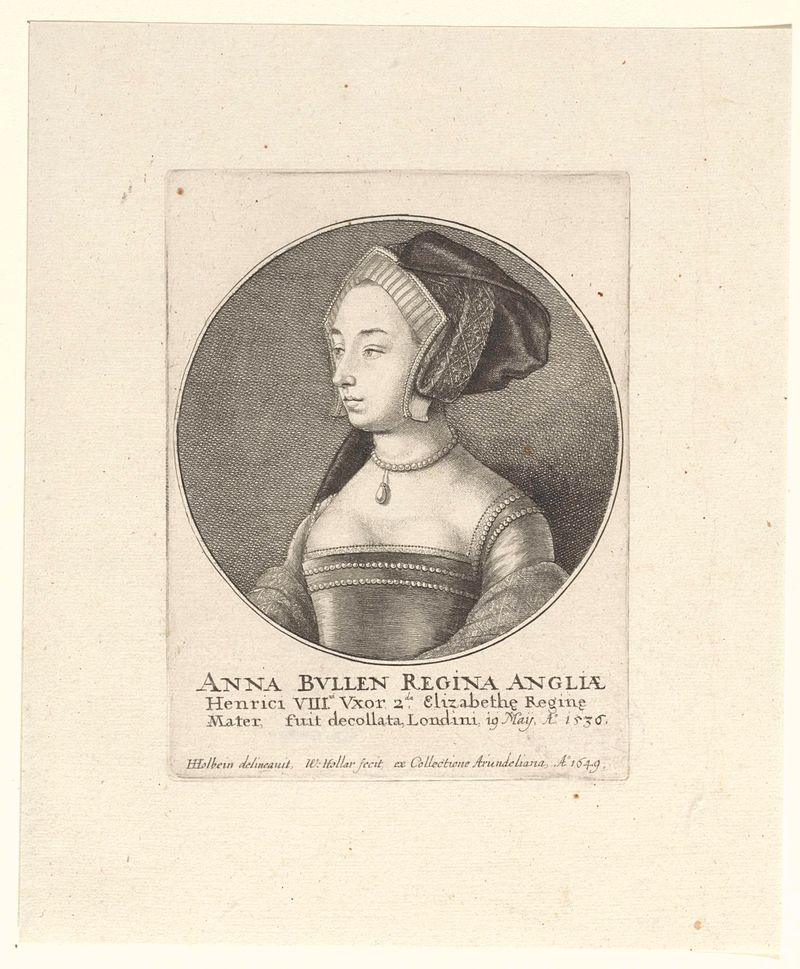
Portret van Anna Boleyn, koningin van Engeland
Wenceslaus Hollar
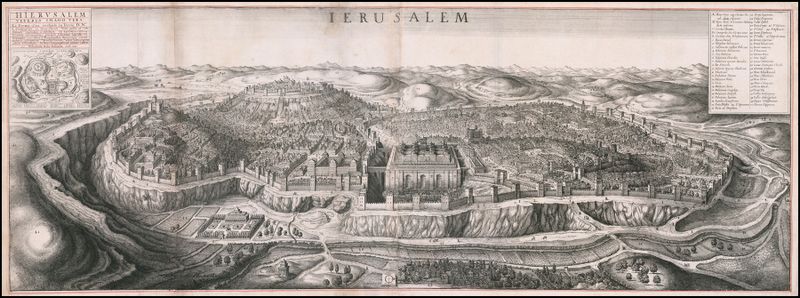
Bird’s eye view of Jerusalem
Wenceslaus Hollar
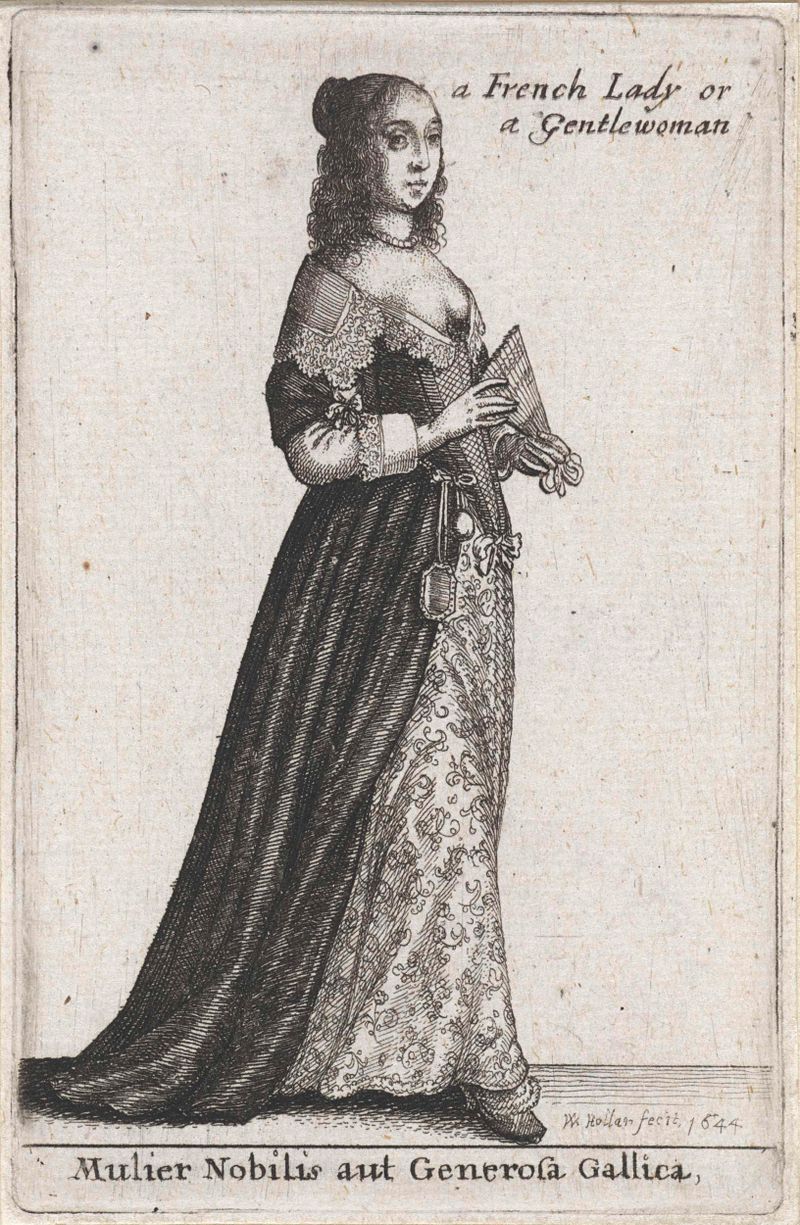
Mulier Nobilis aut Generosa Gallica / a French Lady or Gentlewoman
Wenceslaus Hollar
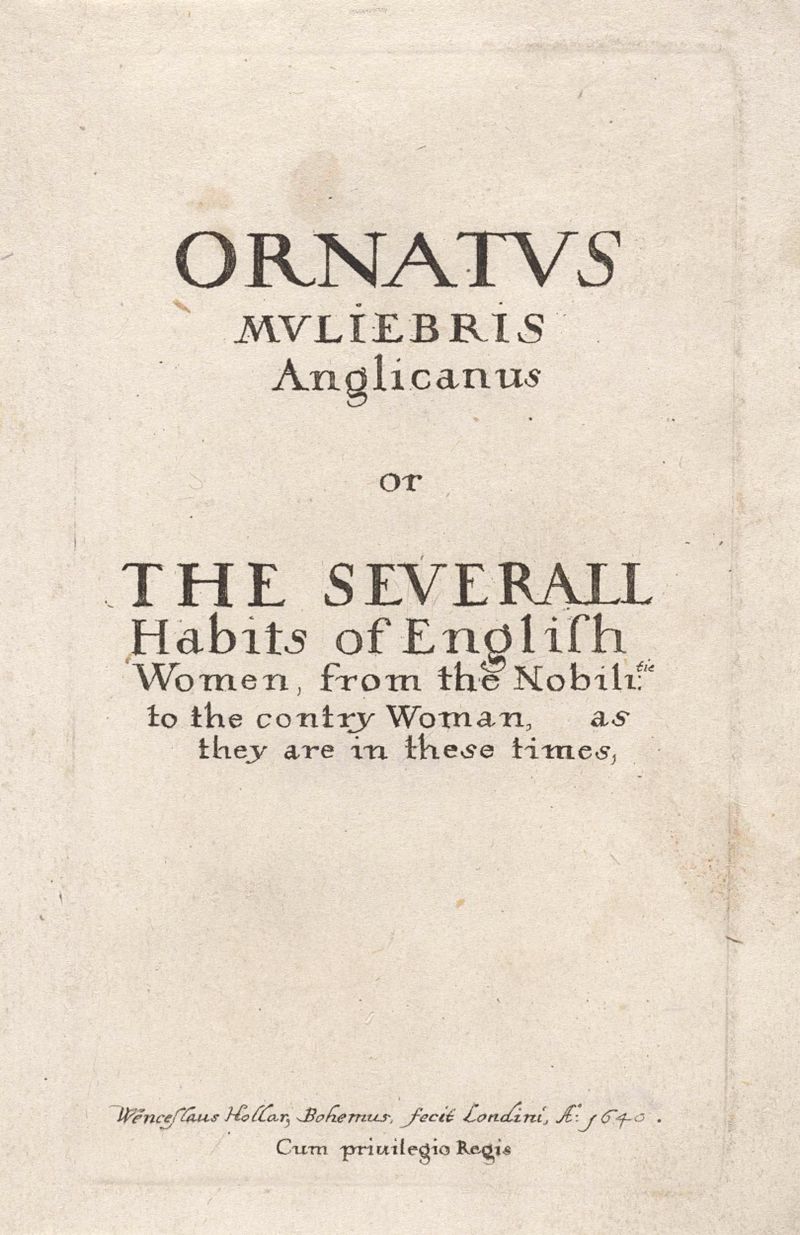
Titelprent voor: Ornatus Muliebris Anglicanus
Wenceslaus Hollar
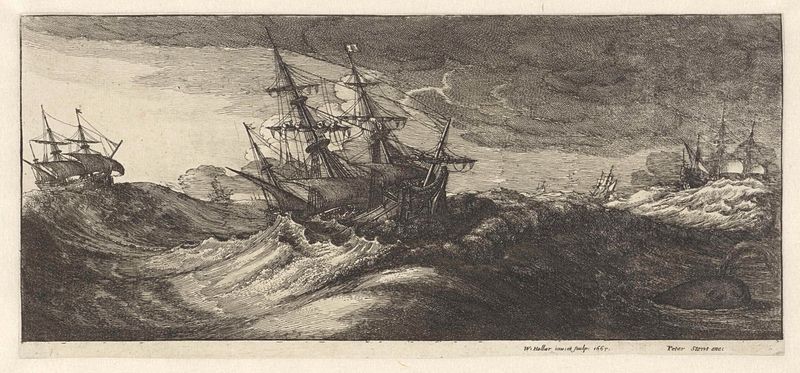
Oorlogsschepen en een walvis in een zeestorm
Wenceslaus Hollar
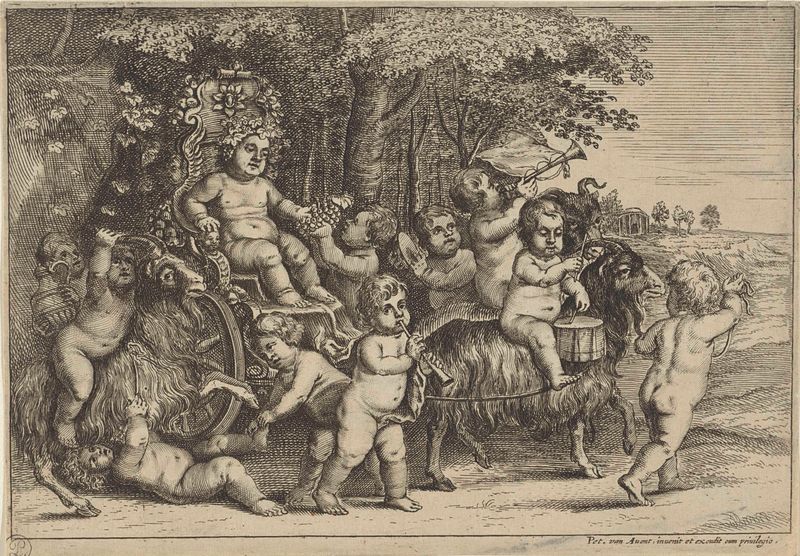
Optocht van bacchant en jongetjes op geiten
Wenceslaus Hollar
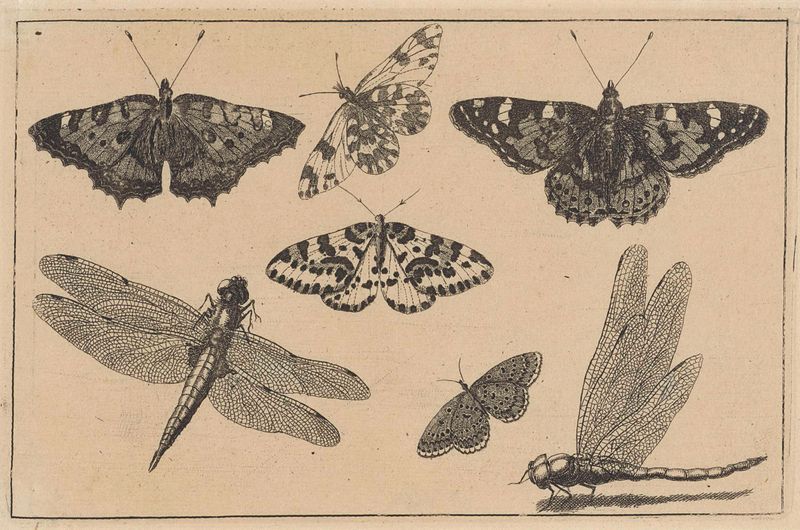
Twee libellen en vijf vlinders
Wenceslaus Hollar
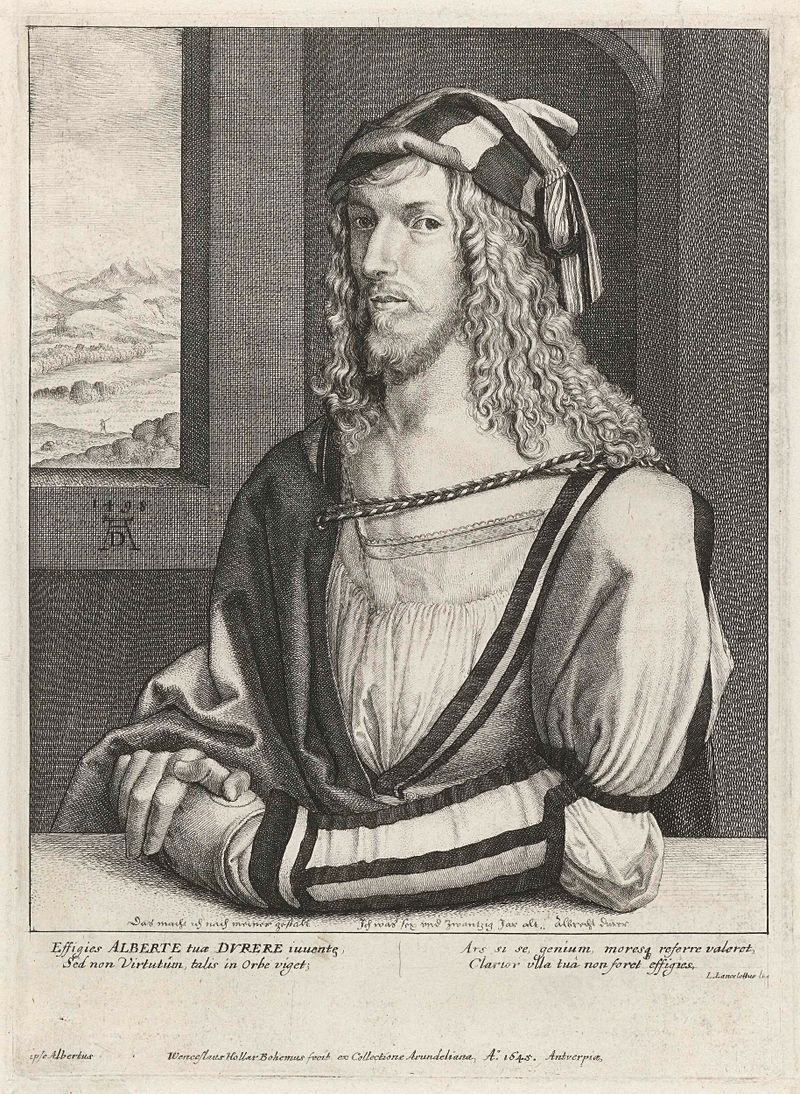
Portret van Albrecht Dürer
Wenceslaus Hollar
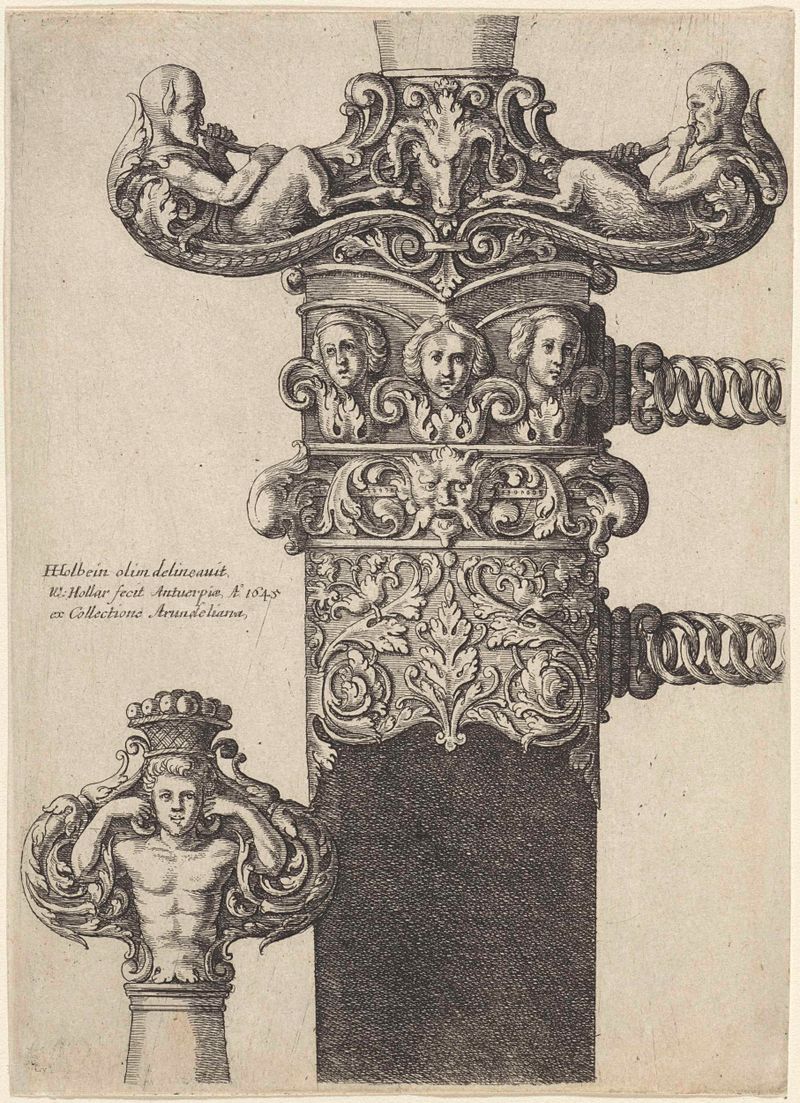
Ornamenteel ontwerp voor een dolk
Wenceslaus Hollar
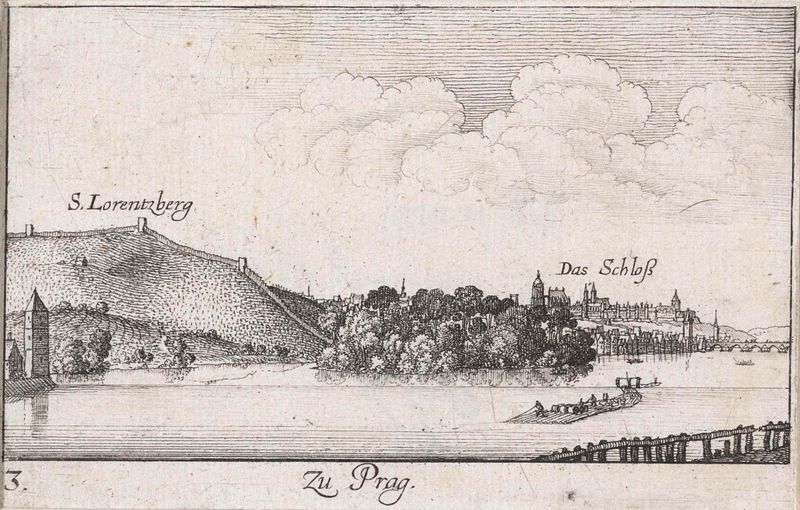
Gezicht op Praag vanaf de Moldau
Wenceslaus Hollar