Zes liggende jachthonden — History & Facts
In the quietude of a moment captured on canvas, the legacy of artistry speaks louder than the clamor of existence. Focus on the elegant forms of the hounds reclined in repose, their bodies fluid and graceful against the subdued earth tones. Notice how the gentle brushwork creates a soft texture on their fur, inviting you to feel the warmth emanating from their figures. The play of light subtly defines their contours, highlighting the attentive ears and watchful eyes that hint at a lingering instinct, even in their calm state. Each hound embodies a story, a duality of serenity and latent energy.
The way they lie together suggests companionship and loyalty, yet their individual postures imply a narrative of hierarchy and dominance within the pack. The surrounding space is minimal, drawing attention to their presence while evoking a sense of tranquility — a moment suspended in time that hints at the unbreakable bond between animal and master, hunter and companion. Wenceslaus Hollar painted Zes liggende jachthonden in 1647 during a period of significant artistic evolution in Europe. Residing in the Netherlands at the time, he was influenced by the burgeoning Baroque movement, which emphasized realism and emotional depth.
His work reflects not only the breed’s noble presence but also Hollar’s keen observation of nature, revealing his personal passion for capturing the essence of life in a world transforming through art and exploration.
More Artworks by Wenceslaus Hollar
Browse all →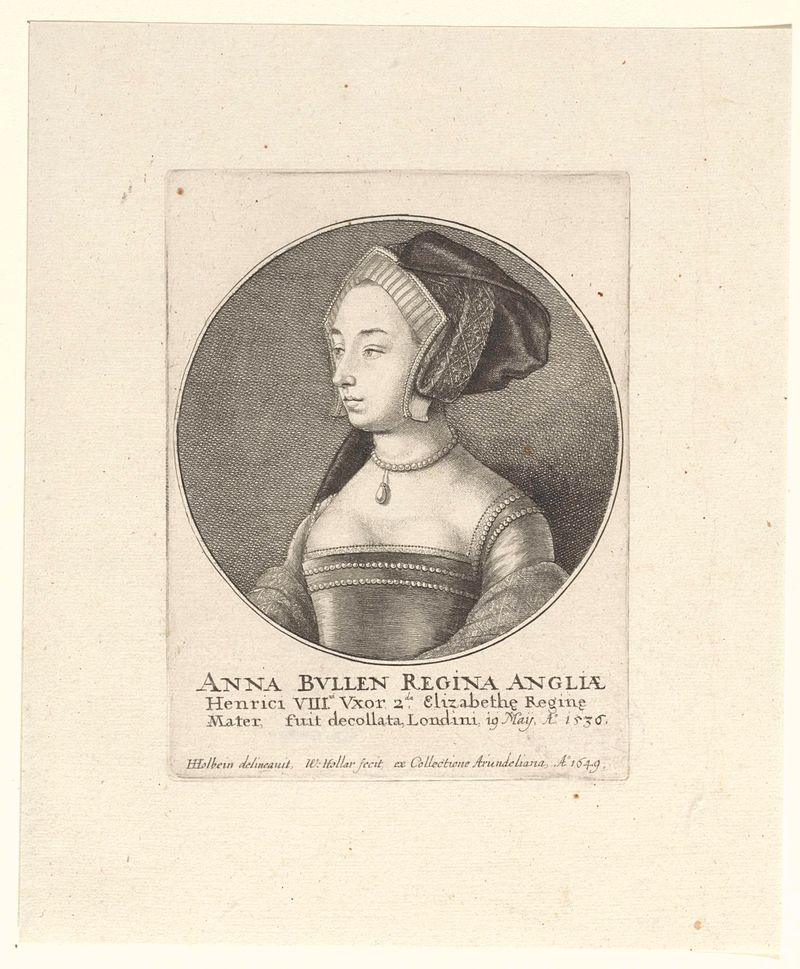
Portret van Anna Boleyn, koningin van Engeland
Wenceslaus Hollar
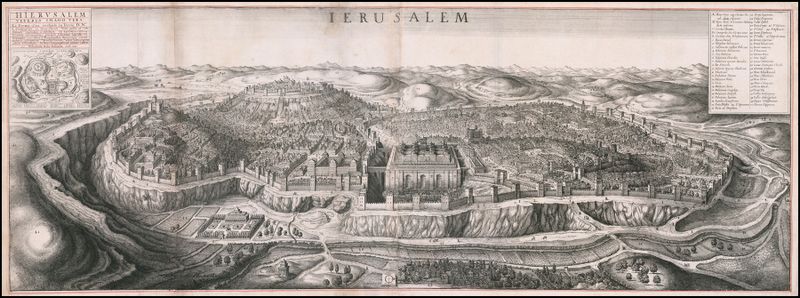
Bird’s eye view of Jerusalem
Wenceslaus Hollar
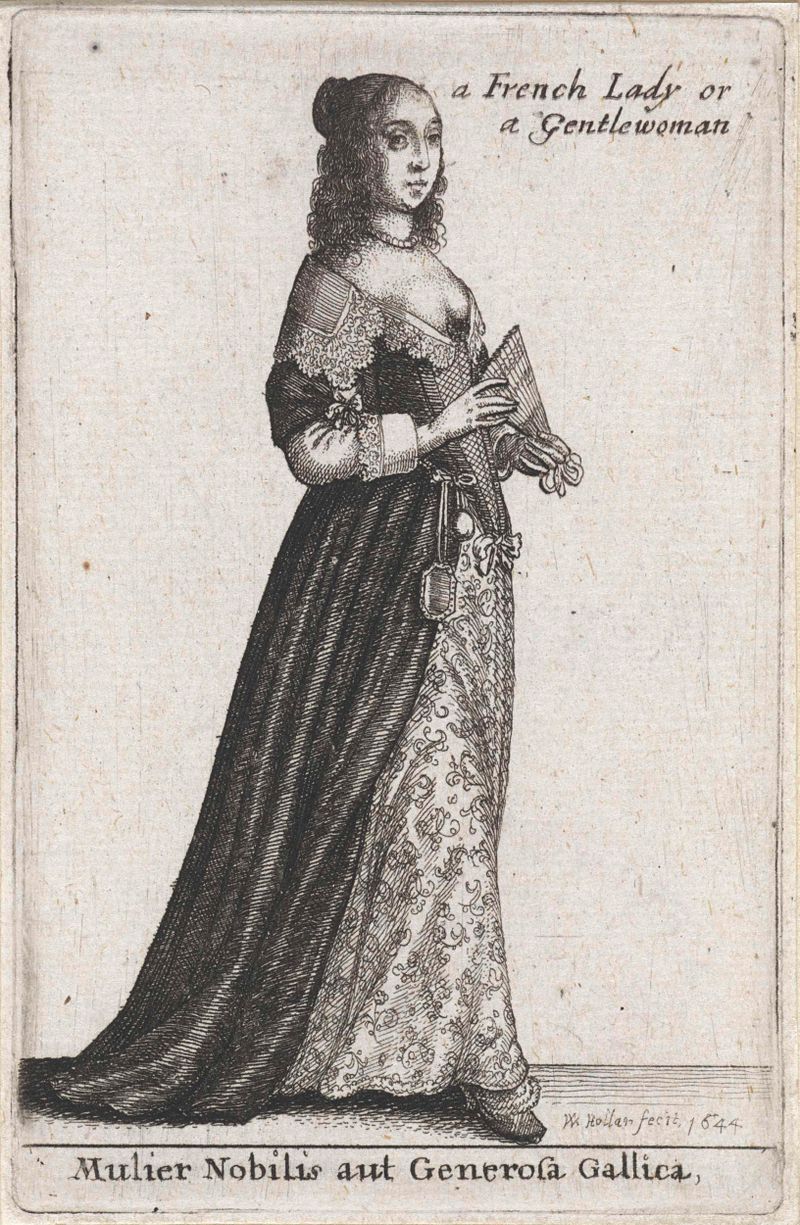
Mulier Nobilis aut Generosa Gallica / a French Lady or Gentlewoman
Wenceslaus Hollar
Titelprent voor: Ornatus Muliebris Anglicanus
Wenceslaus Hollar
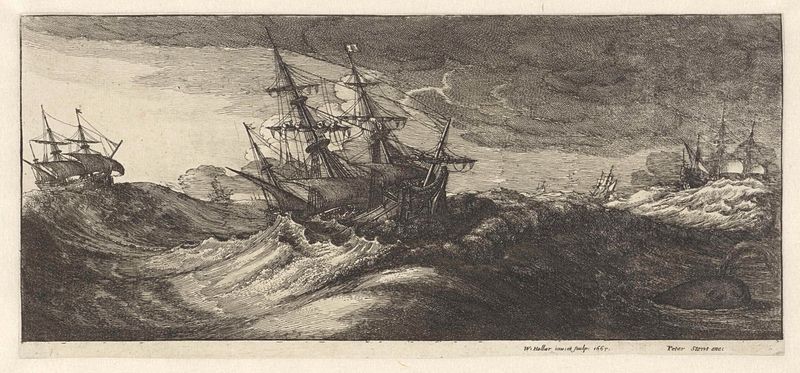
Oorlogsschepen en een walvis in een zeestorm
Wenceslaus Hollar
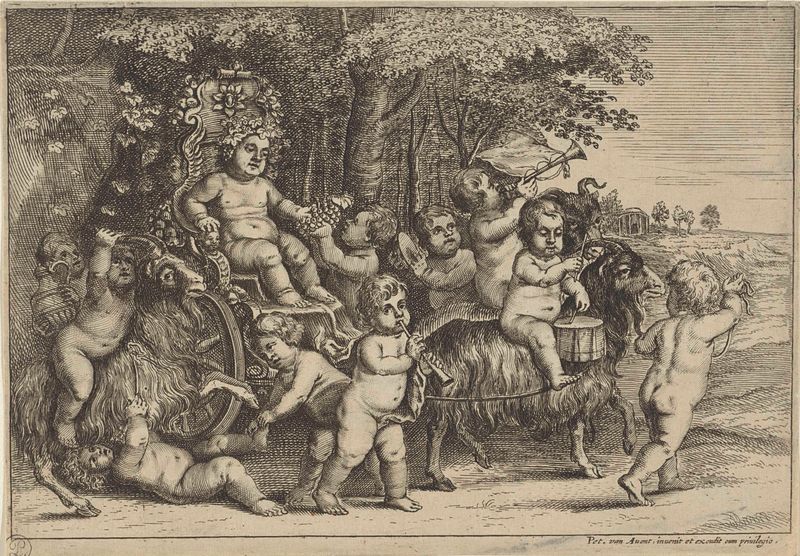
Optocht van bacchant en jongetjes op geiten
Wenceslaus Hollar
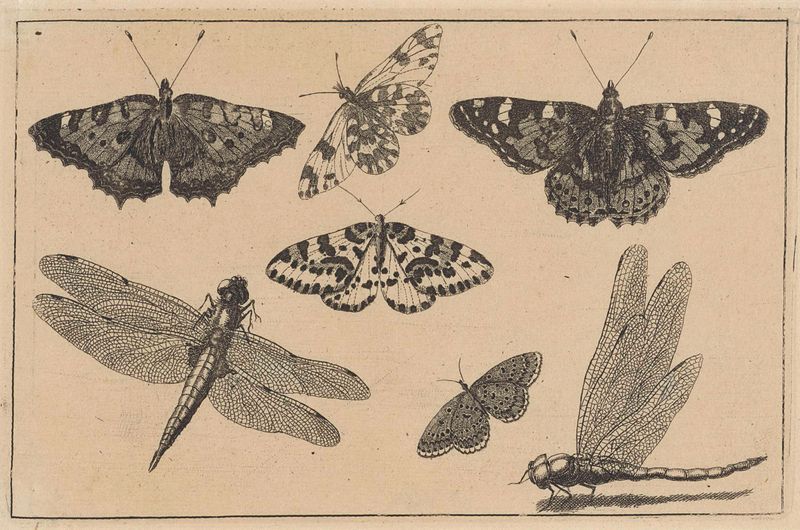
Twee libellen en vijf vlinders
Wenceslaus Hollar
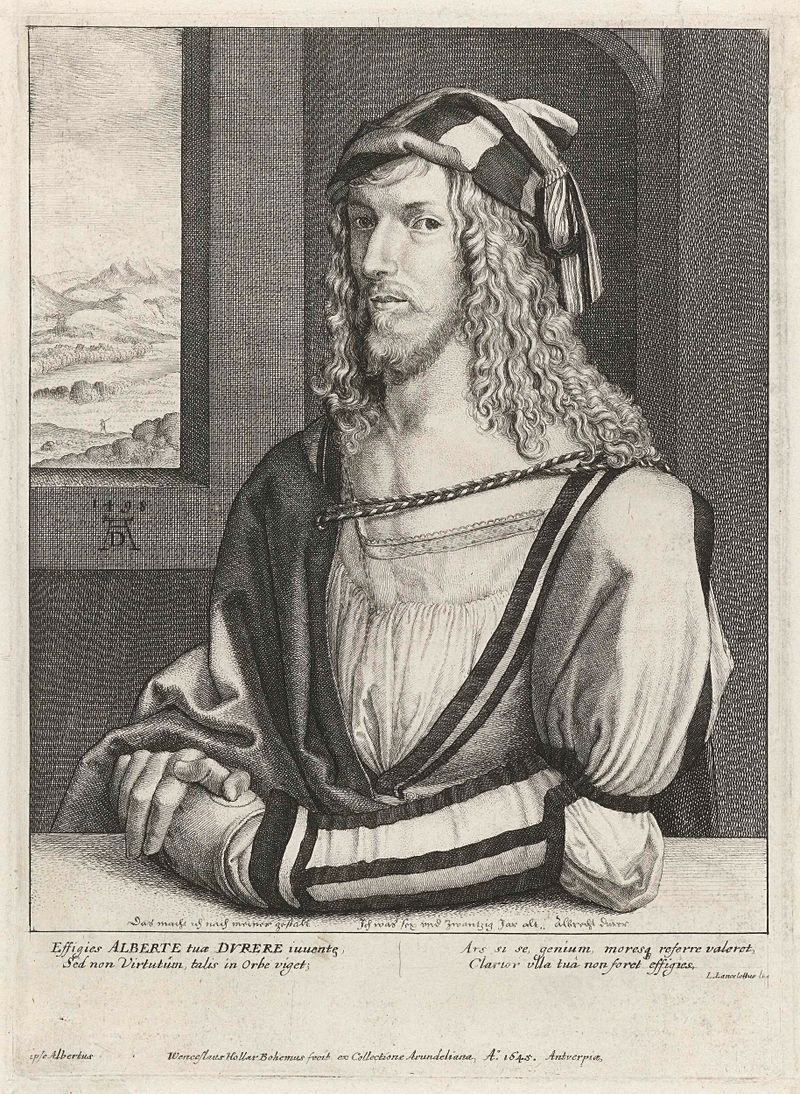
Portret van Albrecht Dürer
Wenceslaus Hollar
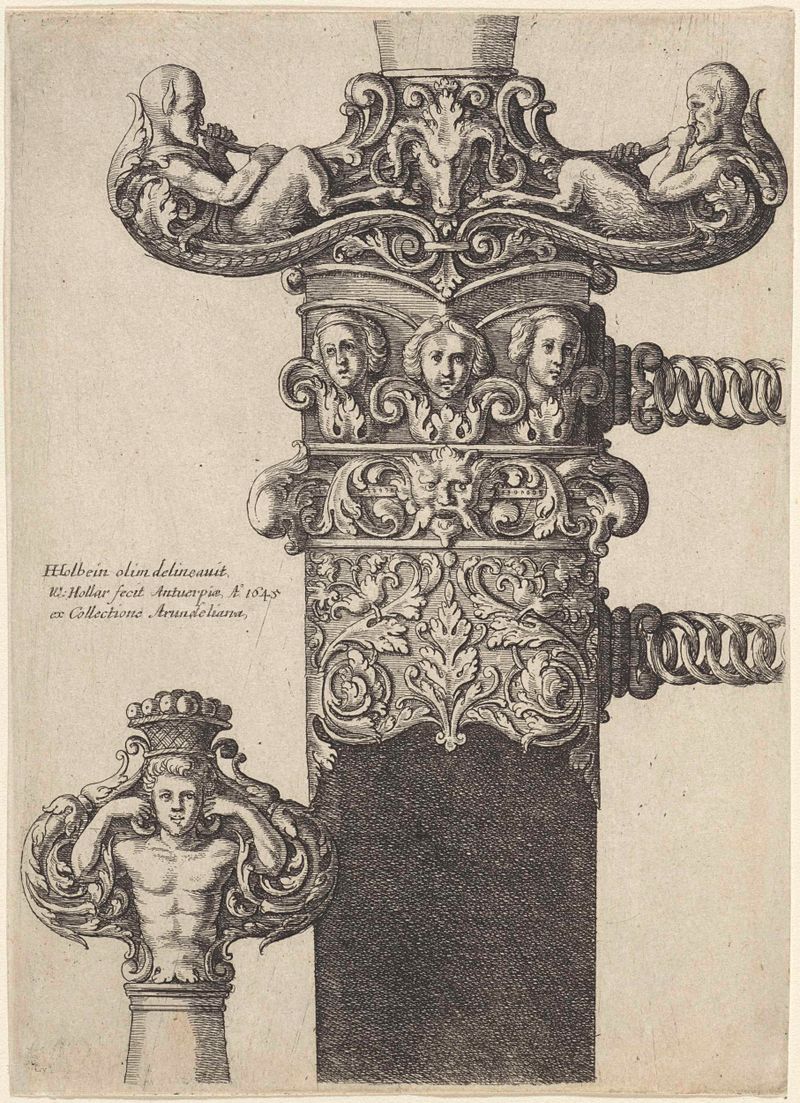
Ornamenteel ontwerp voor een dolk
Wenceslaus Hollar
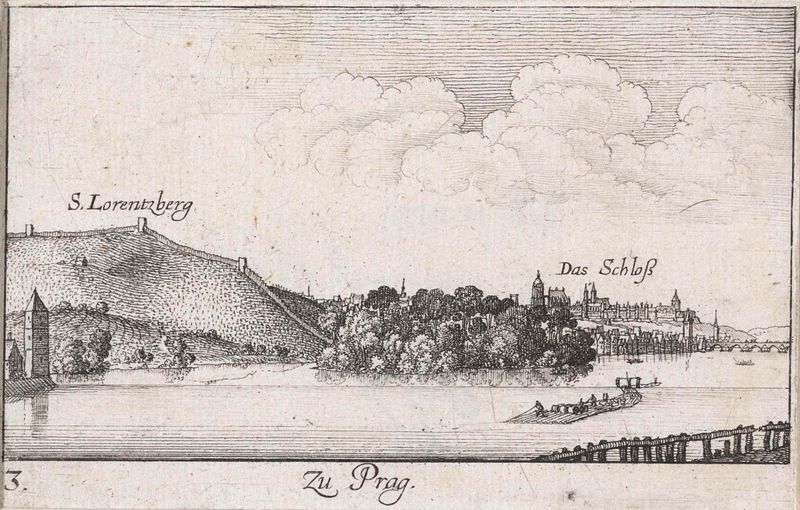
Gezicht op Praag vanaf de Moldau
Wenceslaus Hollar