
Zes Passiescènes: Kruisdraging, Christus aan het volk getoond (Ecce homo), Doornenkroning, Geseling, Christus voor Pilatus, Gevangenneming — History & Facts
In the realm of art, illusion becomes a mirror reflecting our deepest fears and aspirations. Look closely at the intricate details; notice how the figures are meticulously arranged, each one a testament to the painstaking craftsmanship of the artist. The somber hues dominate the palette, creating an atmosphere thick with tension and sorrow. The expressions of the depicted figures draw you in—anguish etched into their faces, their gestures a silent outcry against the backdrop of suffering and fate.
Pay attention to the subtle interplay of light and shadow, which adds depth and a haunting realism to their forms. Within this masterpiece lies a commentary on the fragility of human existence. The contrasting emotions of despair and hope weave through the scenes, culminating in a visual narrative that speaks to the human condition. The varied postures of the characters, from the burdened figure carrying the cross to the anguished crowd, create an emotional tapestry where each moment reflects a different facet of despair.
One can sense the weight of the sacrifice portrayed, resonating with the viewer's own experiences of suffering and redemption. Created between 1635 and 1661, this work emerges from a time of intense religious fervor and upheaval in Europe. Callot, living in France, was deeply influenced by the Counter-Reformation and the Baroque style that emphasized emotion and drama. As he navigated through his own personal challenges, including financial difficulties, this period became a pivotal moment in his artistic development, leading him to explore the depth of human emotion through these poignant scenes.
More Artworks by Jacques Callot
Browse all →
Titelprent voor de prentreeks 'De kleine apostelen' (Het martelaarschap van de apostelen)
Jacques Callot
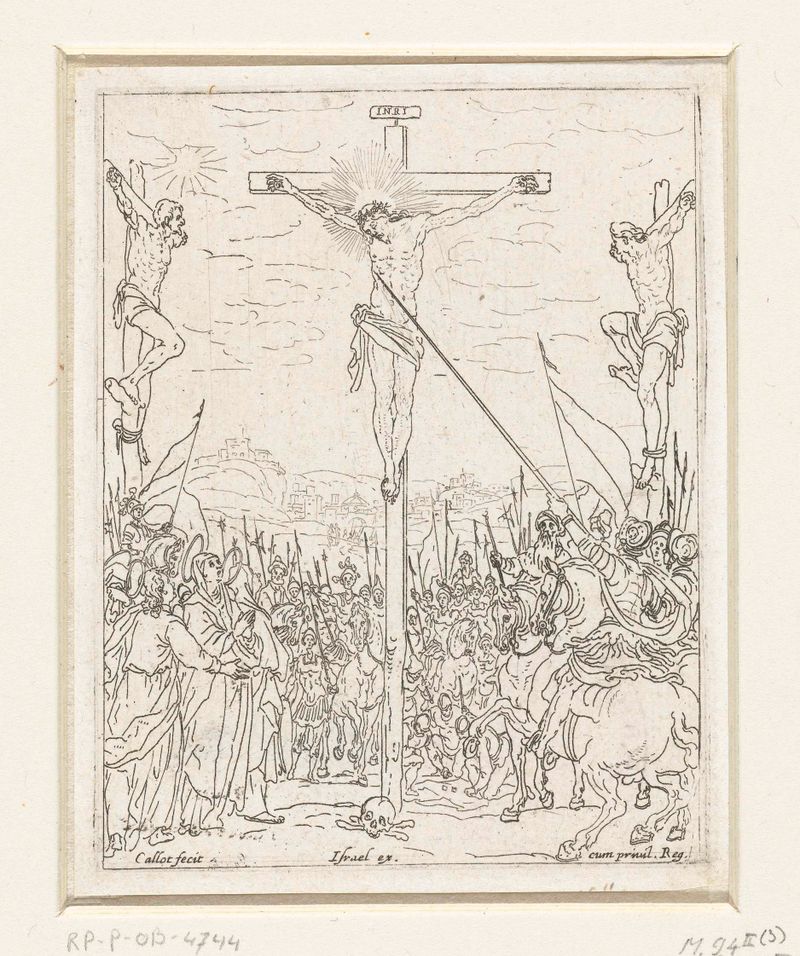
Kruisiging
Jacques Callot

De doortocht door de Rode Zee
Jacques Callot

De verloren zoon als zwijnenhoeder
Jacques Callot

Annunciatie
Jacques Callot
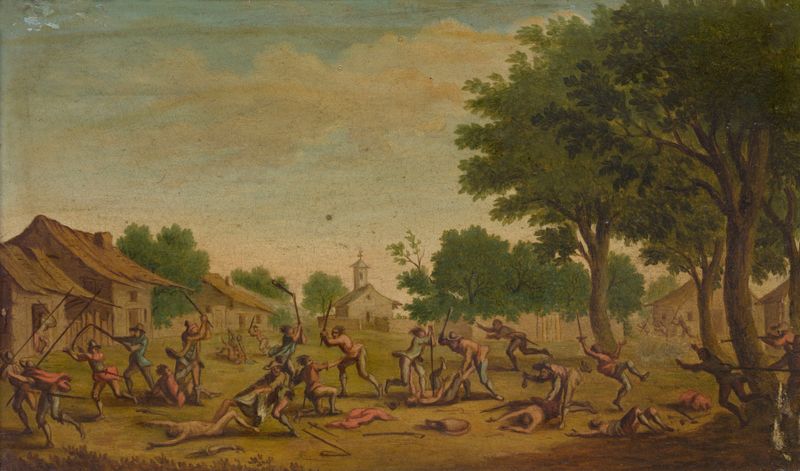
Village Fight
Jacques Callot

Titelprent voor prentreeks 'Het leven van Maria'
Jacques Callot
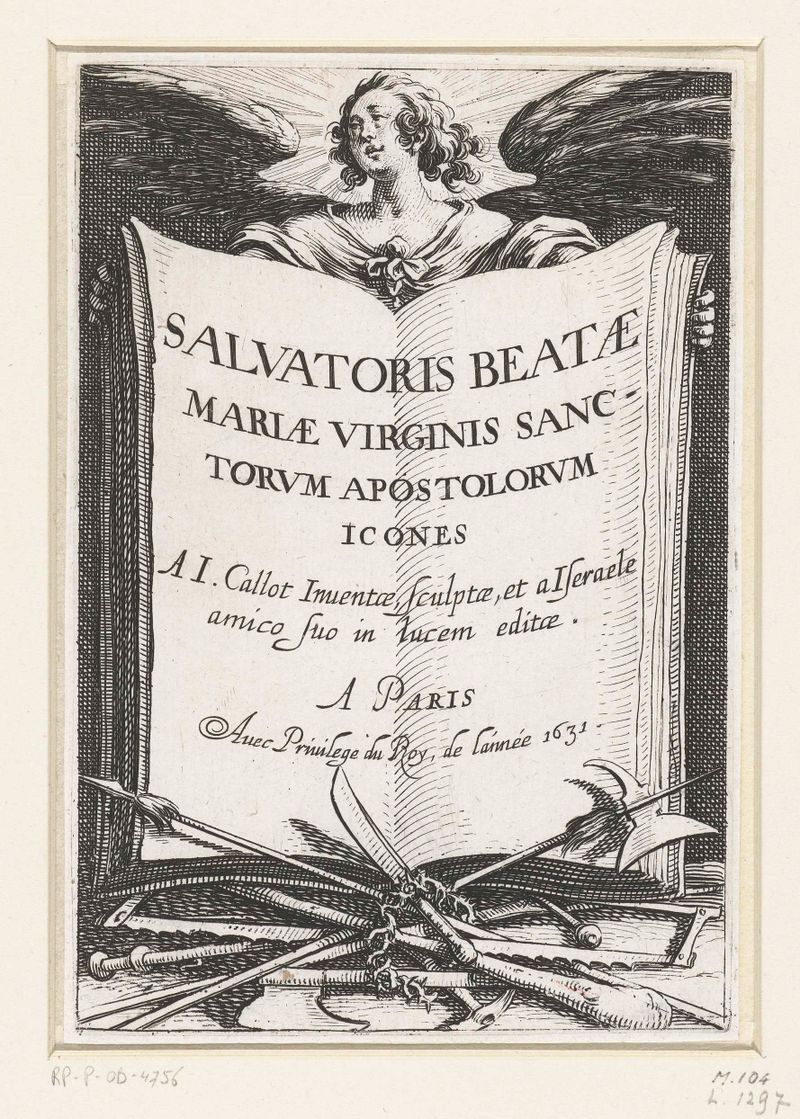
Titelprent voor de prentreeks 'De grote apostelen' (Christus, Maria en de apostelen)
Jacques Callot

Christus aan het volk getoond (Ecce homo)
Jacques Callot
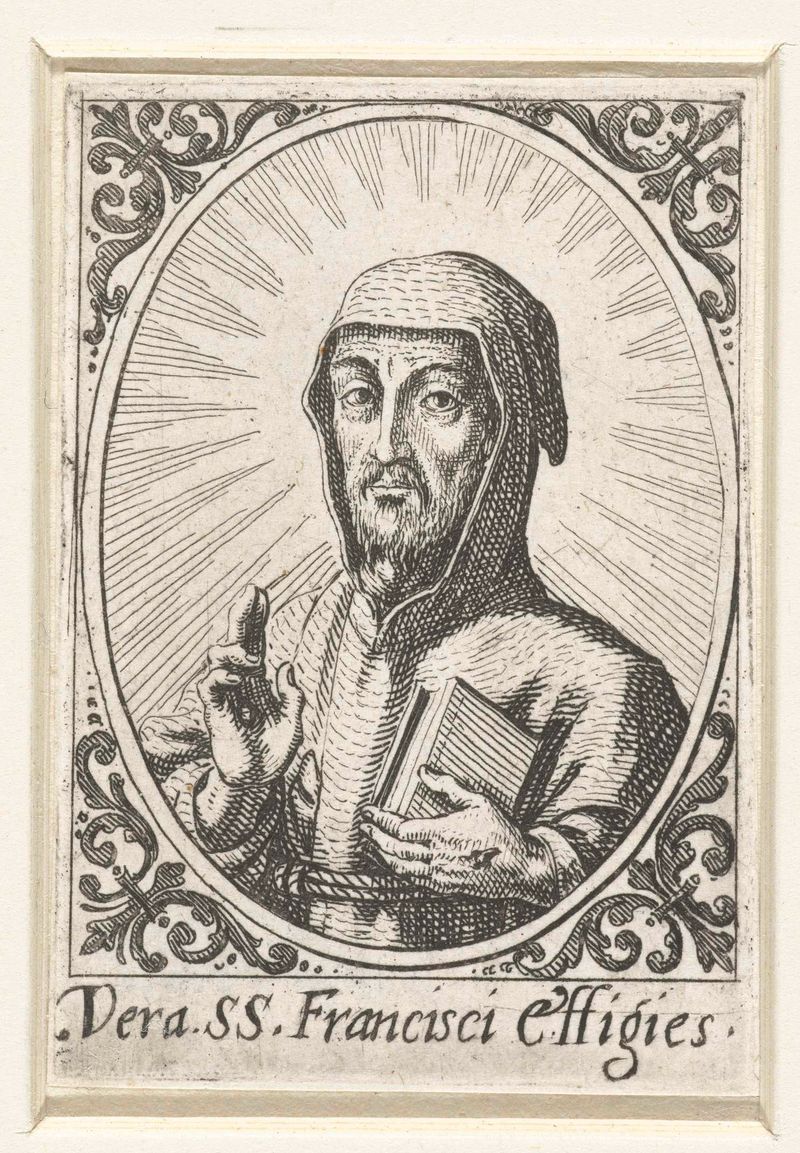
Portret van de Heilige Franciscus
Jacques Callot
More Religious Art
Browse all →
The Return of the Prodigal Son
Rembrandt van Rijn

The Garden of Earthly Delights
El Bosco

Count Orgaz’ funeral
El Greco

The Hundred Guilder Print: the central piece with Christ preaching, the plate arched
Rembrandt van Rijn

The Descent from the Cross
Rogier van der Weyden

The return of the prodigal son
Rembrandt van Rijn