
Zes Passiescènes: Kruisdraging, Christus aan het volk getoond (Ecce homo), Doornenkroning, Geseling, Christus voor Pilatus, Gevangenneming — History & Facts
In the delicate interplay of light and shade, desire for understanding swells, anchored in the depths of human suffering. Each vignette invites us to confront our own emotions, forging a path through the heart of despair and longing. Focus on the intricate details that Callot masterfully weaves into the fabric of his work. Look closely at the anguished expressions of the figures; their faces speak volumes of their torment and yearning.
Notice how the artist employs stark contrasts between the dark shadows and the muted tones, creating an atmosphere thick with tension. The defined lines guide the eye from one painful scene to another, drawing us into the narrative of Christ’s passion—a visceral journey of struggle. The composition reveals layers of meaning, particularly in the juxtaposition of the crowds against the solitary figure of Christ. This contrast encapsulates the duality of public spectacle and personal anguish, igniting a deep sense of empathy as we find ourselves between the two.
Each moment, from the mockery of the crown of thorns to the desperate captivity, paints a vivid portrait of desire—both for redemption and the understanding of suffering. In 1631, Jacques Callot created this series amidst a shifting artistic landscape in France, marked by the rising Baroque movement. Living in Nancy, he was deeply influenced by both the local and broader European contexts, where themes of piety and suffering were prevalent. His innovative use of etching not only showcased technical prowess but also reflected the emotional depths he wished to convey through each carefully crafted scene.
More Artworks by Jacques Callot
Browse all →
Titelprent voor de prentreeks 'De kleine apostelen' (Het martelaarschap van de apostelen)
Jacques Callot
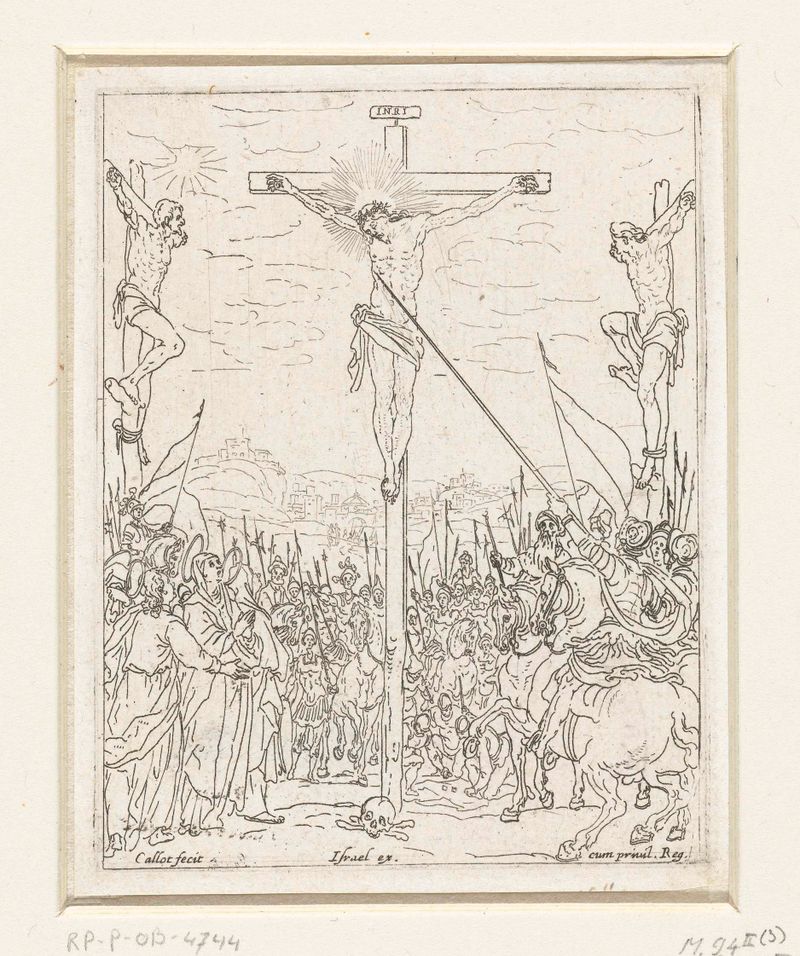
Kruisiging
Jacques Callot

De doortocht door de Rode Zee
Jacques Callot

De verloren zoon als zwijnenhoeder
Jacques Callot

Annunciatie
Jacques Callot
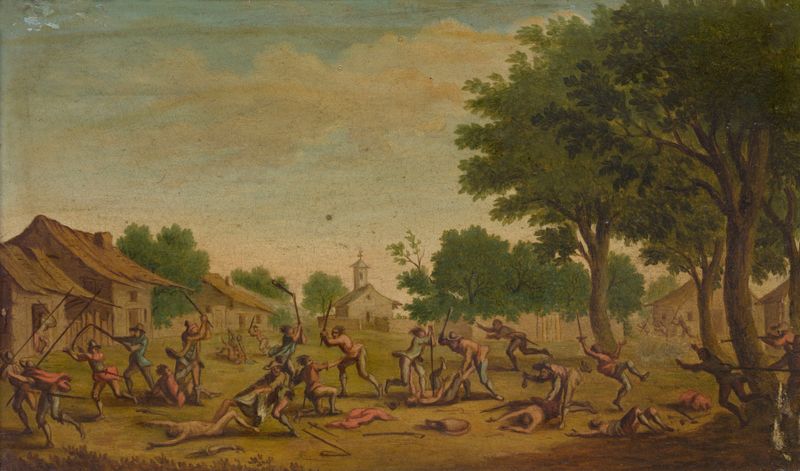
Village Fight
Jacques Callot

Titelprent voor prentreeks 'Het leven van Maria'
Jacques Callot
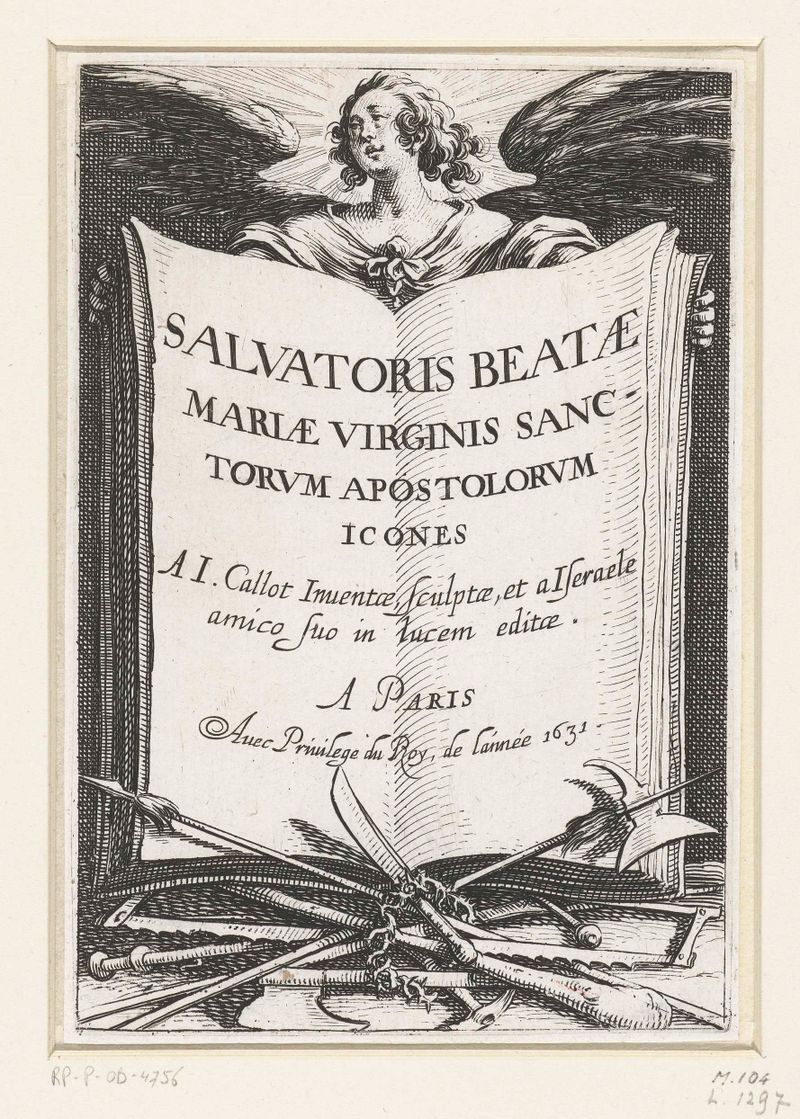
Titelprent voor de prentreeks 'De grote apostelen' (Christus, Maria en de apostelen)
Jacques Callot

Christus aan het volk getoond (Ecce homo)
Jacques Callot
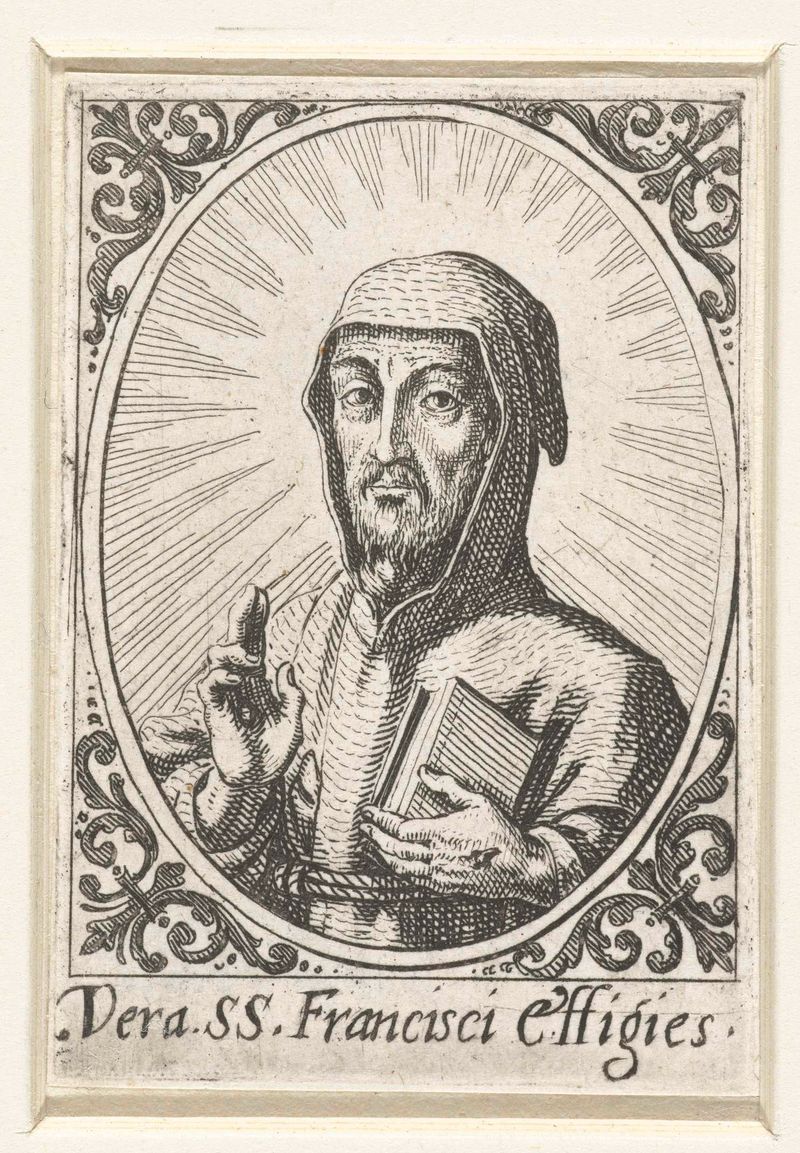
Portret van de Heilige Franciscus
Jacques Callot
More Religious Art
Browse all →
The Return of the Prodigal Son
Rembrandt van Rijn

The Garden of Earthly Delights
El Bosco

Count Orgaz’ funeral
El Greco

The Hundred Guilder Print: the central piece with Christ preaching, the plate arched
Rembrandt van Rijn

The Descent from the Cross
Rogier van der Weyden

The return of the prodigal son
Rembrandt van Rijn