Zeven jachthoornen — History & Facts
Could beauty survive in a century of chaos? Wenceslaus Hollar’s Zeven jachthoornen presents a delicate exploration of fragility, inviting viewers to contemplate the transient nature of art and existence. Look closely at the intricate details of the seven hunting horns, gracefully arranged across the canvas. Notice how the artist employs a subtle interplay of light and shadow to sculpt the contours of each horn, revealing their polished surfaces and ornamental embellishments. The muted color palette, dominated by earth tones, evokes a sense of somber elegance, while the meticulous lines demonstrate Hollar’s mastery of etching. Delve deeper into the implications of this piece; the hunting horns represent both the thrill of pursuit and the weight of tradition.
Their careful arrangement suggests harmony and order, yet the very fragility of the materials hints at the impermanence of such pursuits. In the backdrop of a tumultuous period marked by political upheaval, the horns serve as a poignant reminder of the fleeting moments of beauty amidst chaos. Created between 1646 and 1647, this work emerged during a turbulent era in Europe, marked by the Thirty Years' War. Hollar, a Czech engraver and printmaker, was living in England, having fled the war's devastation.
His artistic focus shifted towards capturing the intricate details of the world around him, reflecting both the complexities of his experiences and the broader tensions within the art world of the time.
More Artworks by Wenceslaus Hollar
Browse all →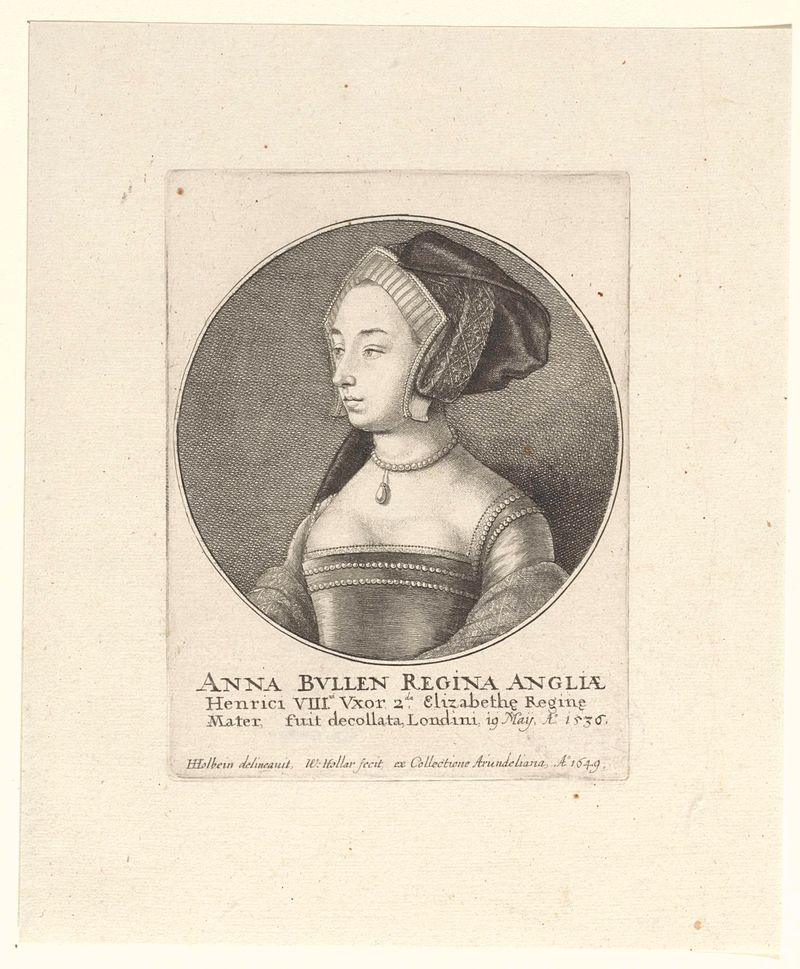
Portret van Anna Boleyn, koningin van Engeland
Wenceslaus Hollar
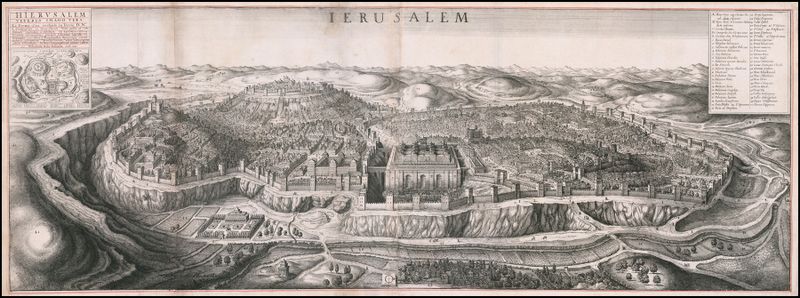
Bird’s eye view of Jerusalem
Wenceslaus Hollar
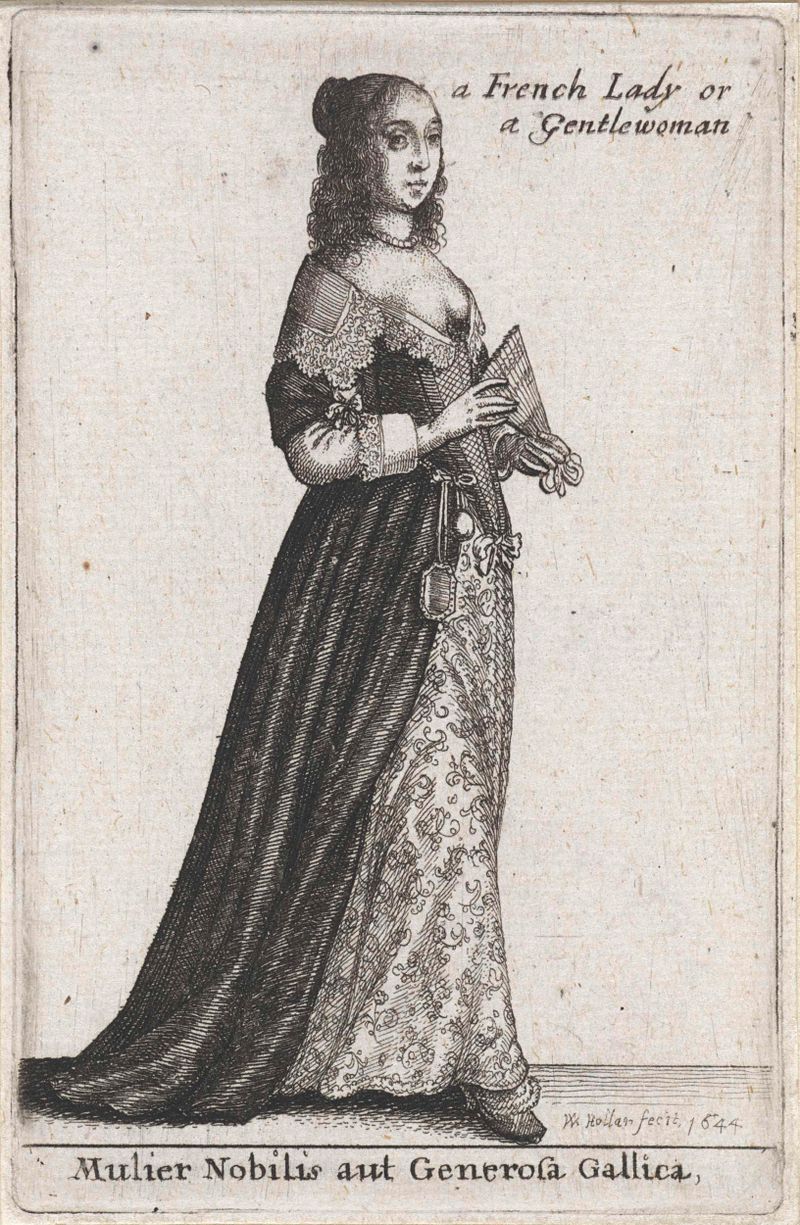
Mulier Nobilis aut Generosa Gallica / a French Lady or Gentlewoman
Wenceslaus Hollar
Titelprent voor: Ornatus Muliebris Anglicanus
Wenceslaus Hollar
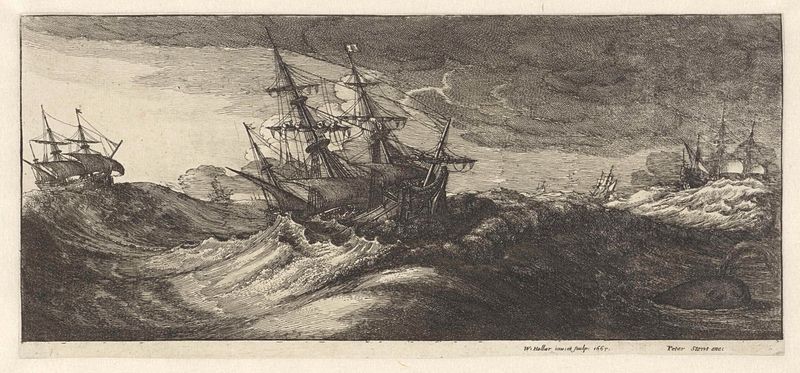
Oorlogsschepen en een walvis in een zeestorm
Wenceslaus Hollar
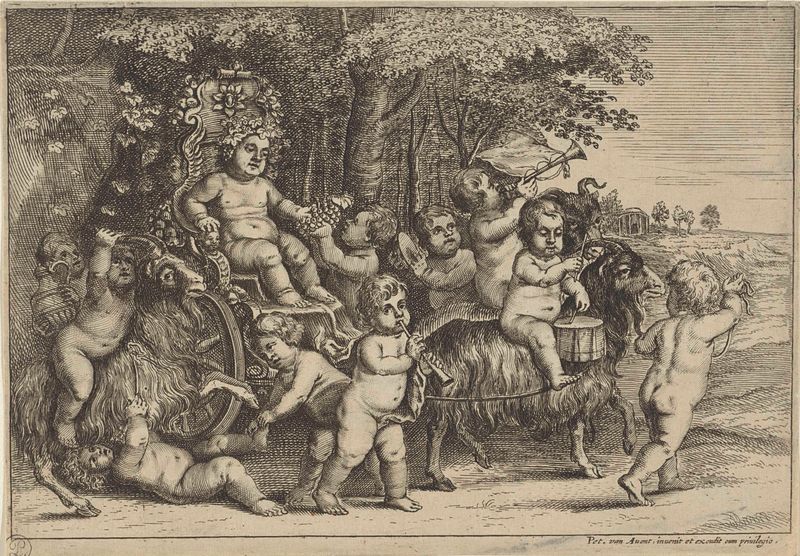
Optocht van bacchant en jongetjes op geiten
Wenceslaus Hollar
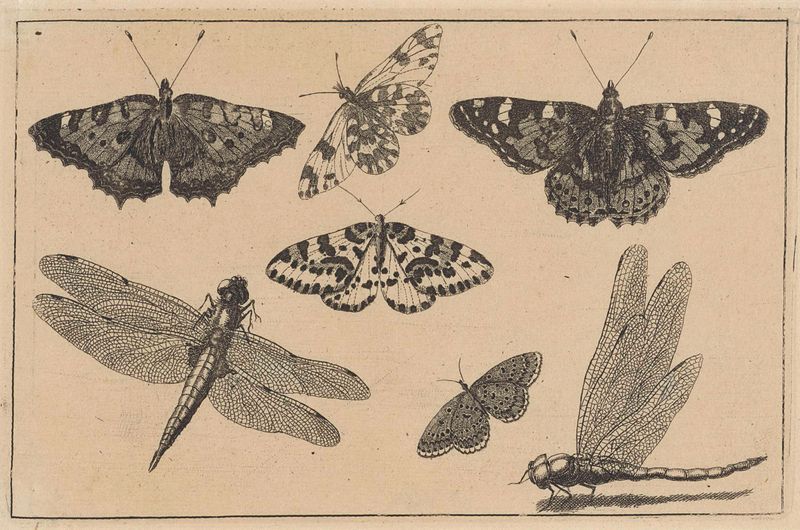
Twee libellen en vijf vlinders
Wenceslaus Hollar
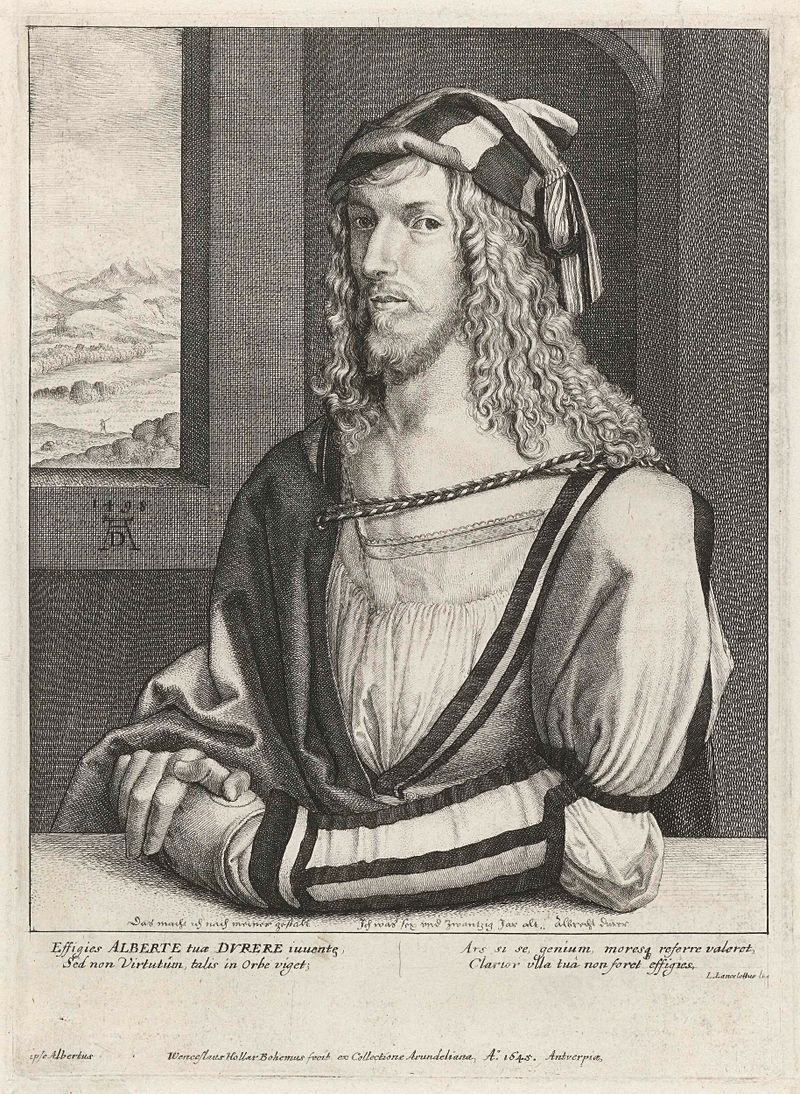
Portret van Albrecht Dürer
Wenceslaus Hollar
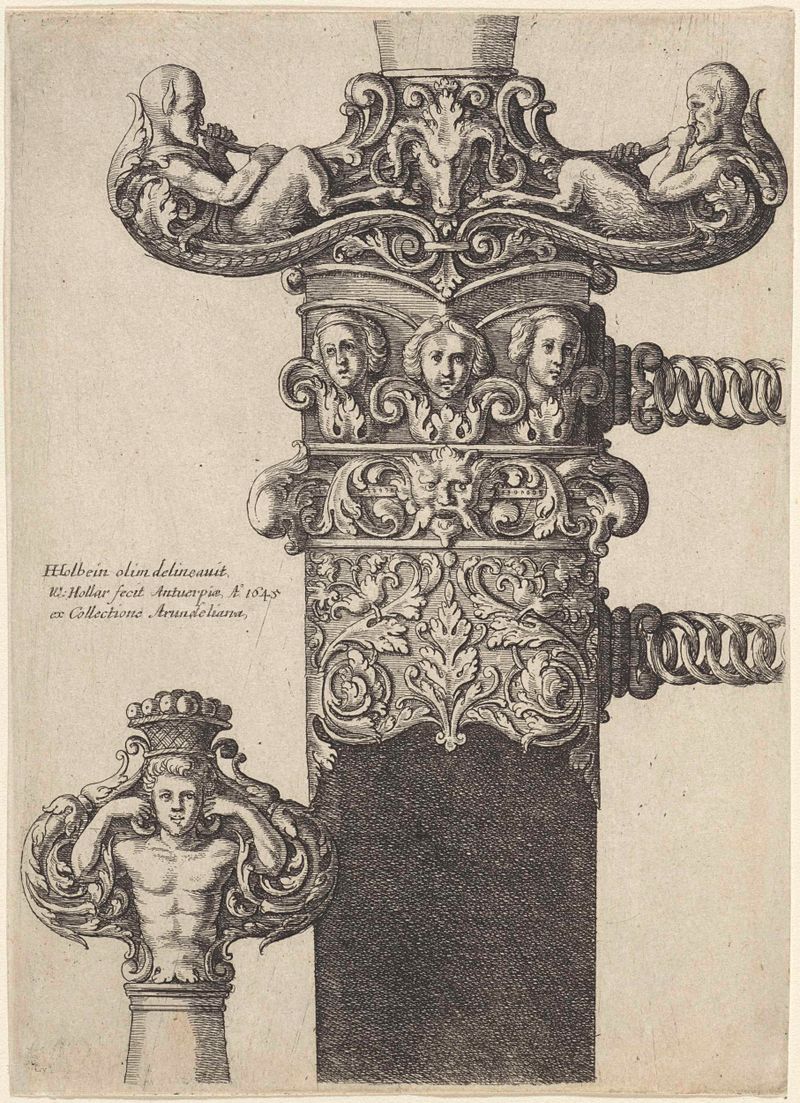
Ornamenteel ontwerp voor een dolk
Wenceslaus Hollar
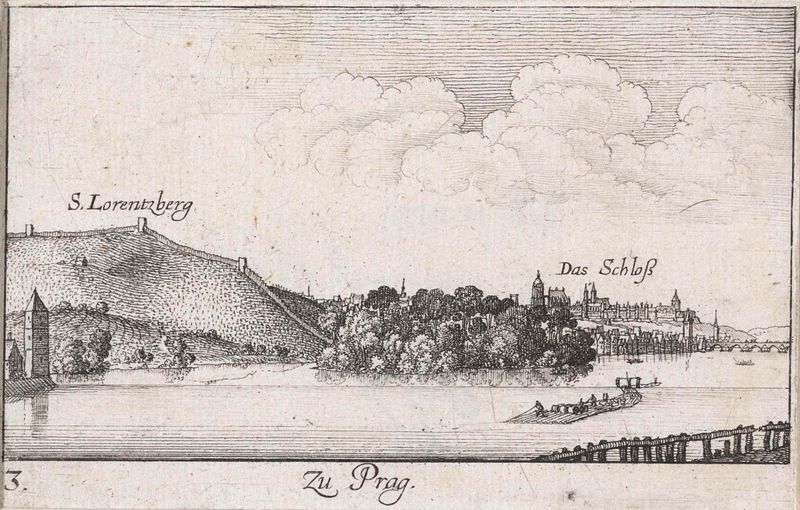
Gezicht op Praag vanaf de Moldau
Wenceslaus Hollar