Zima — History & Facts
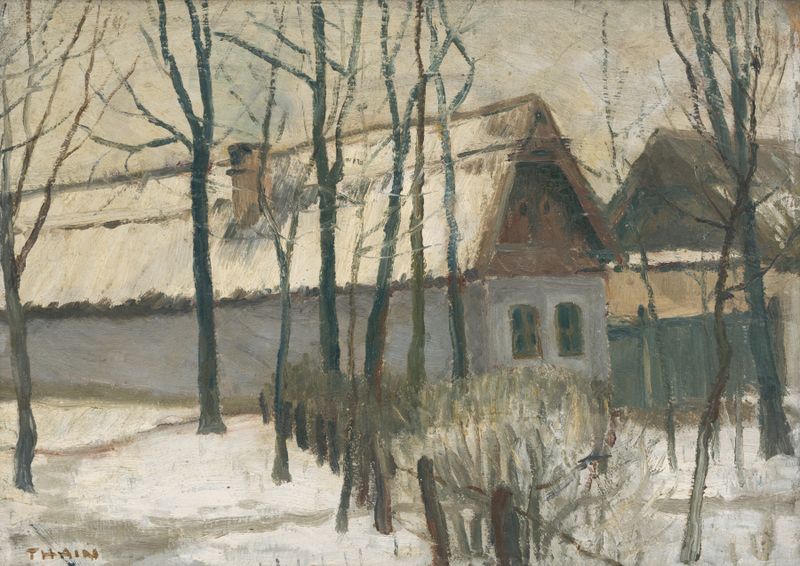
What if beauty was never meant to be finished? In a world where the lines of reality and imagination blur, Zima invites introspection and a sense of awakening. Focus first on the tranquil hues that envelop the canvas. Look to the soft blues and whites that dominate the scene, evoking the chill of winter. The artist’s careful brushwork creates a sense of movement, as if the snow is gently falling or shifting in the wind.
Notice how the stark contrasts between the icy foreground and the muted background pull you in, drawing your gaze into the vast expanse of a serene winter landscape. Delve deeper still, and you will uncover hidden tensions within the calm. The faint outlines of trees in the distance seem to whisper stories of resilience against the harshness of winter. The interplay between light and shadow suggests more than just the cold; it speaks to the duality of beauty and desolation.
Each stroke resonates with a quiet longing, hinting at life beneath the surface that defies the chill, sparking intrigue about what lies hidden in the snow. Created between 1915 and 1925, Ján Thain's Zima emerged during a transformative period in art, where modernist movements began to flourish. This era was marked by a search for new forms of expression, as artists grappled with the aftermath of World War I and the changing landscapes of their societies. Thain, working in the heart of Europe, used this canvas to capture a moment suspended in time, reflecting both isolation and an awakening to new possibilities that lay ahead.