
Zomer — History & Facts
Is this a mirror — or a memory? In the delicate strokes of a summer's day, Zomer invites viewers into a world where reflection transcends mere imagery, inviting us to ponder the essence of time and nature. Look to the center of the composition, where verdant foliage frames a tranquil body of water, creating a perfect symmetry that draws the eye. Hollar’s meticulous engraving technique captures the intricate details of each leaf and ripple, while the muted hues of green and soft blues evoke a serene atmosphere. The gentle play of light across the surface of the water reveals not just the environment, but also hints at deeper connections between the two realms of reality and illusion. As you delve further, consider the contrast between the solid, tangible elements of the landscape and the ephemeral reflections that dance upon the water's surface.
This interplay suggests a duality; what is real, and what is but an echo of existence? The stillness of the scene belies an underlying tension, as if nature itself holds its breath, caught between the permanence of summer and the inevitable passage of time. In 1629, Hollar created this work while residing in the Netherlands, during a period marked by artistic flourishing and a renewed interest in landscape engravings. This was a time when he was deepening his exploration of detail and perspective, influenced by his surroundings and the burgeoning Baroque movement across Europe. Zomer exemplifies this blend of technique and emotional resonance, reflecting both a personal and collective experience of nature's beauty.
More Artworks by Wenceslaus Hollar
Browse all →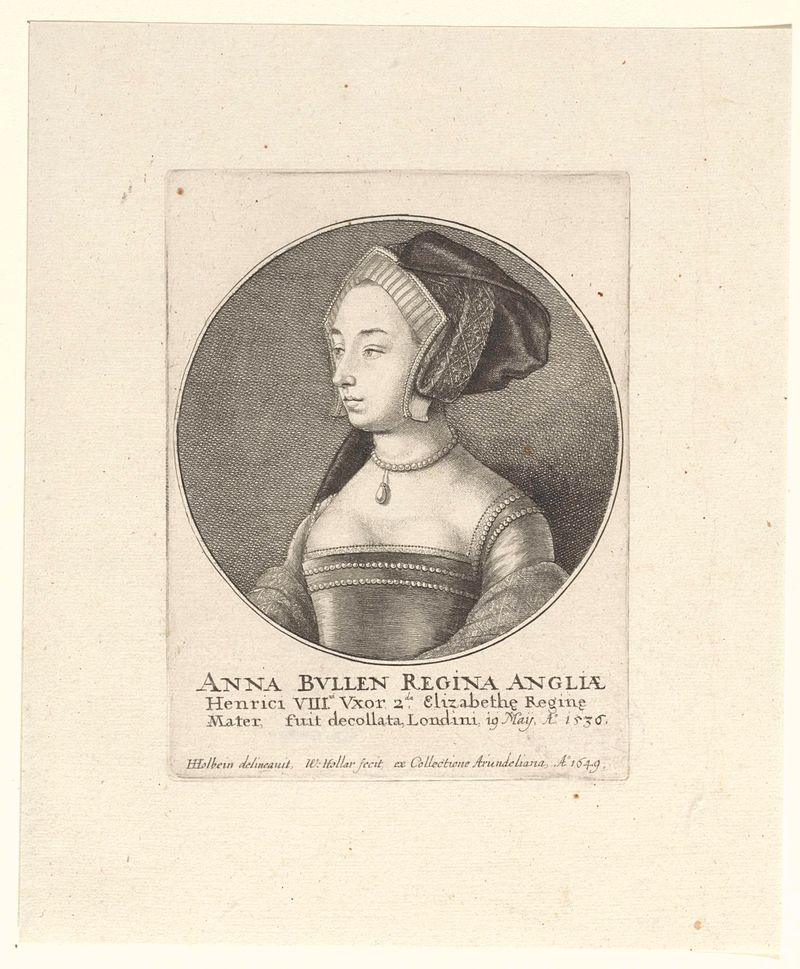
Portret van Anna Boleyn, koningin van Engeland
Wenceslaus Hollar
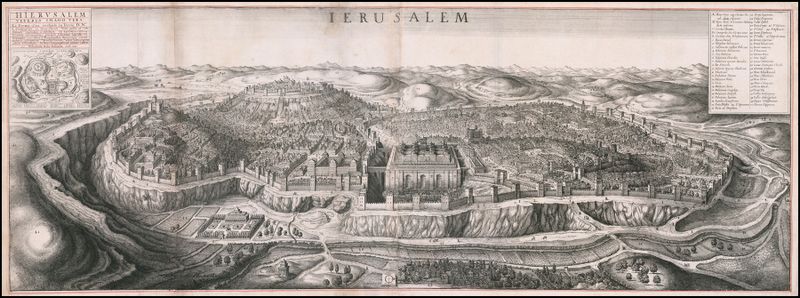
Bird’s eye view of Jerusalem
Wenceslaus Hollar
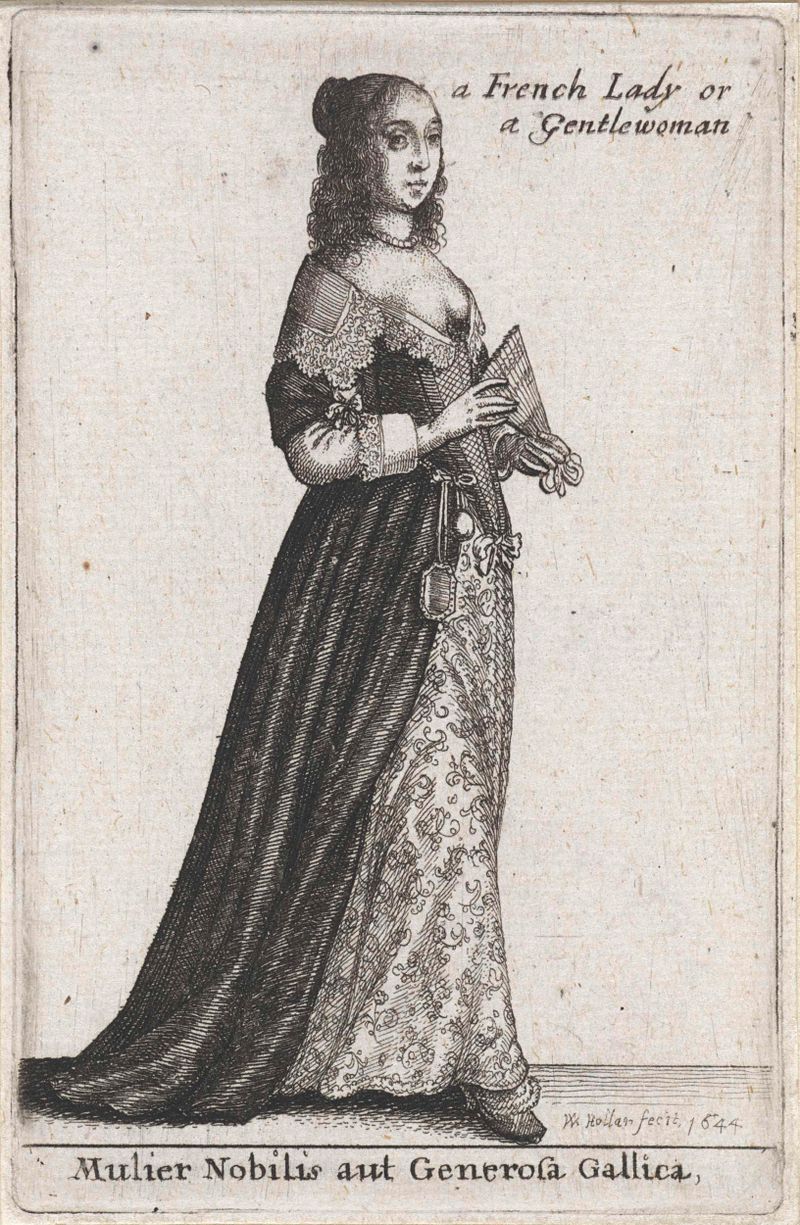
Mulier Nobilis aut Generosa Gallica / a French Lady or Gentlewoman
Wenceslaus Hollar
Titelprent voor: Ornatus Muliebris Anglicanus
Wenceslaus Hollar
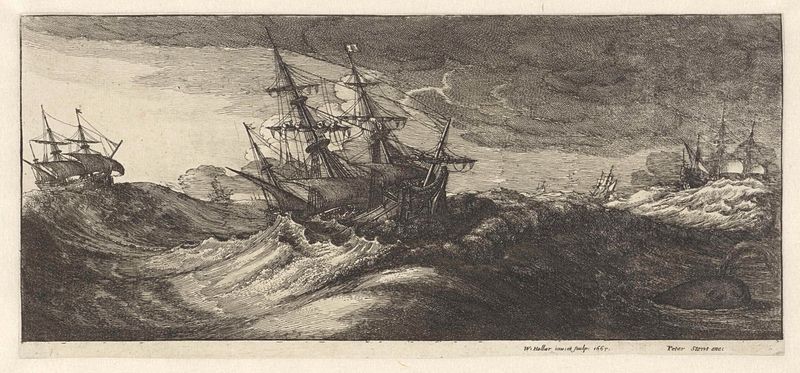
Oorlogsschepen en een walvis in een zeestorm
Wenceslaus Hollar
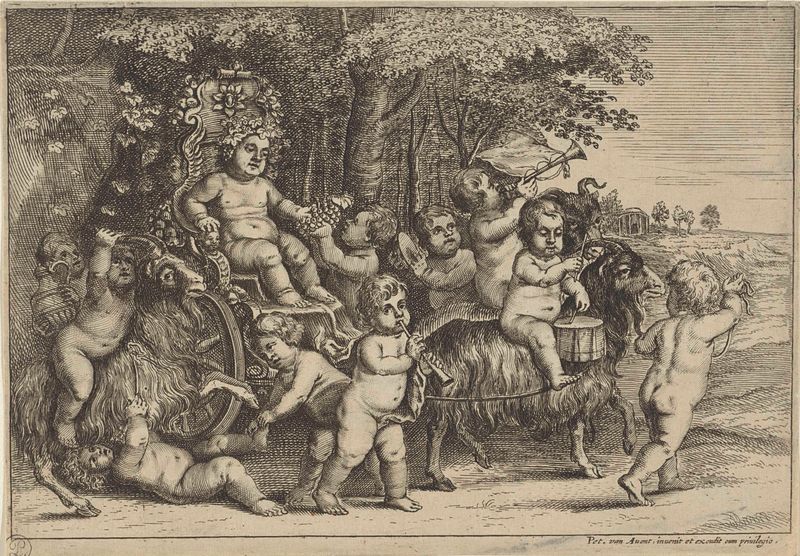
Optocht van bacchant en jongetjes op geiten
Wenceslaus Hollar
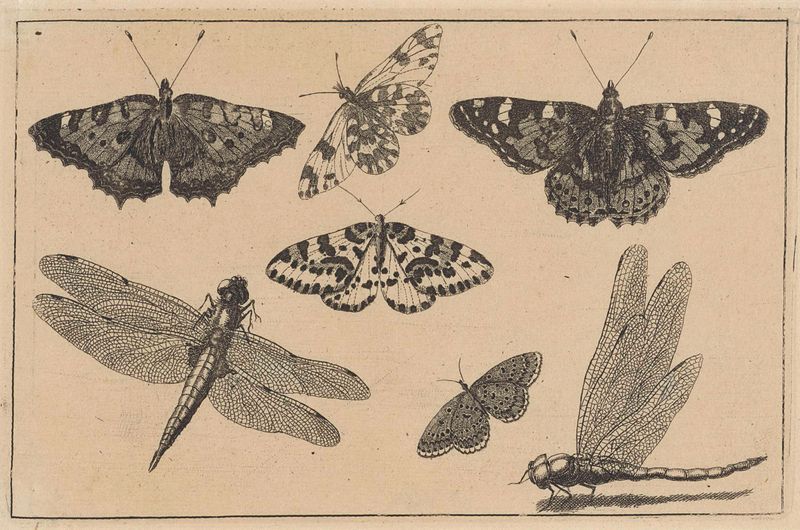
Twee libellen en vijf vlinders
Wenceslaus Hollar
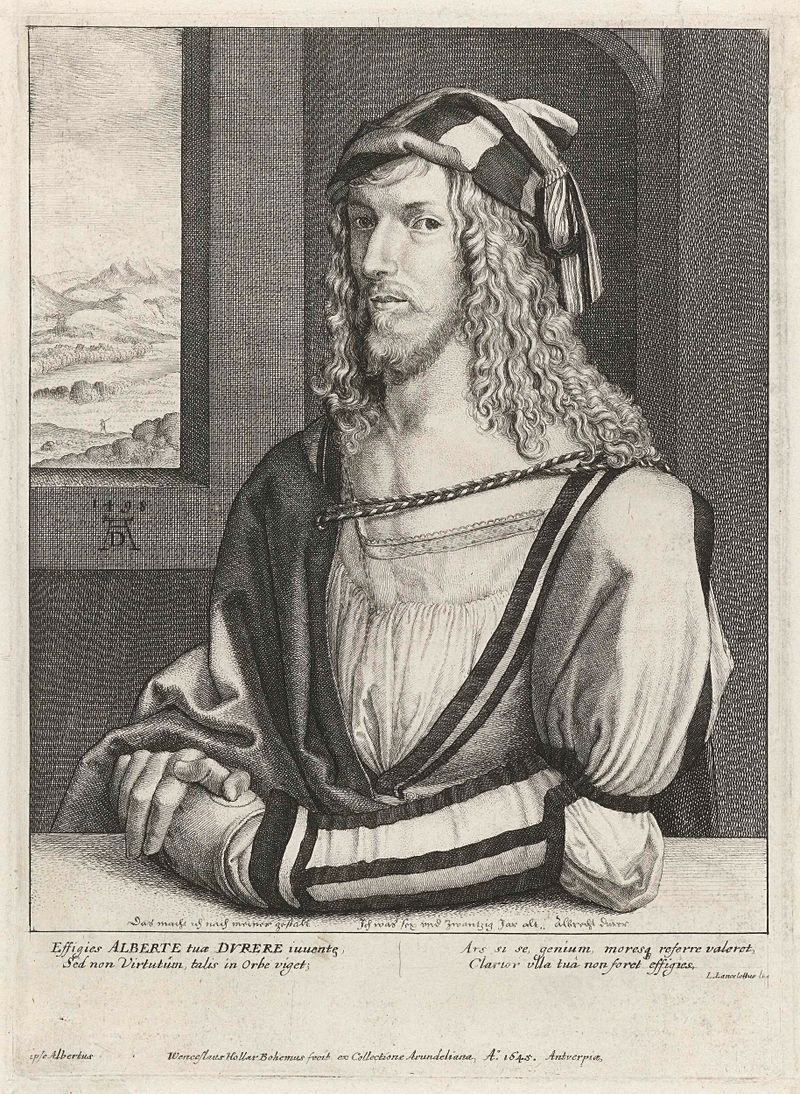
Portret van Albrecht Dürer
Wenceslaus Hollar
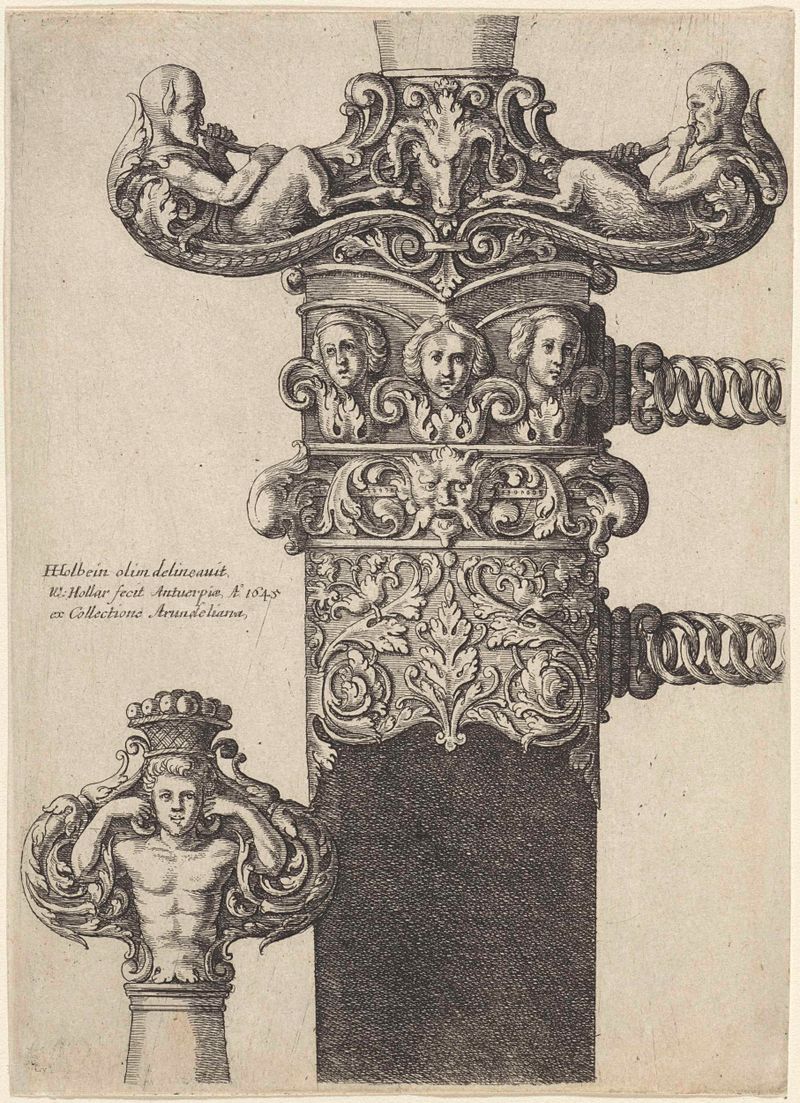
Ornamenteel ontwerp voor een dolk
Wenceslaus Hollar
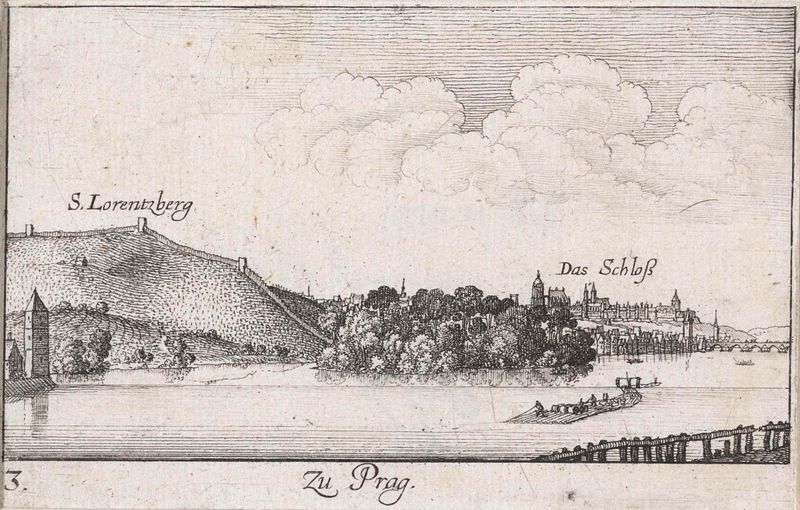
Gezicht op Praag vanaf de Moldau
Wenceslaus Hollar





