
Zomer — History & Facts
In that quiet space between longing and fulfillment, we find ourselves suspended, yearning for what lies just beyond reach. As you approach Zomer, let your gaze settle first on the lush, verdant landscape that unfolds in delicate strokes. Notice how the vibrant greens are interspersed with warm hues of gold and brown, creating an inviting tapestry that sings of summer's bounty. Look closely at the intricate details of the foliage and the gentle curves of the rolling hills, which guide your eye through the composition, inviting you to explore the scene deeper. Beneath this pastoral beauty lies a richer narrative of transience and nostalgia.
The sun-drenched fields evoke a sense of abundance, yet there is an underlying tension in the work—a fleeting moment captured, reminding us that summer, like joy, is ephemeral. The subtle interplay of light and shadow speaks of time's passage, while the figures that inhabit the landscape seem both engaged and distant, embodying the bittersweet essence of longing for connection and permanence. Created in 1641 during a time of political upheaval in Europe, Wenceslaus Hollar’s Zomer reflects his experiences in Antwerp, where he found solace in nature amidst the turmoil. The artist, a master of etching, sought to capture the tranquility and beauty of the world around him, using this work as a testament to the peacefulness of the countryside in contrast to the chaos of his time.
More Artworks by Wenceslaus Hollar
Browse all →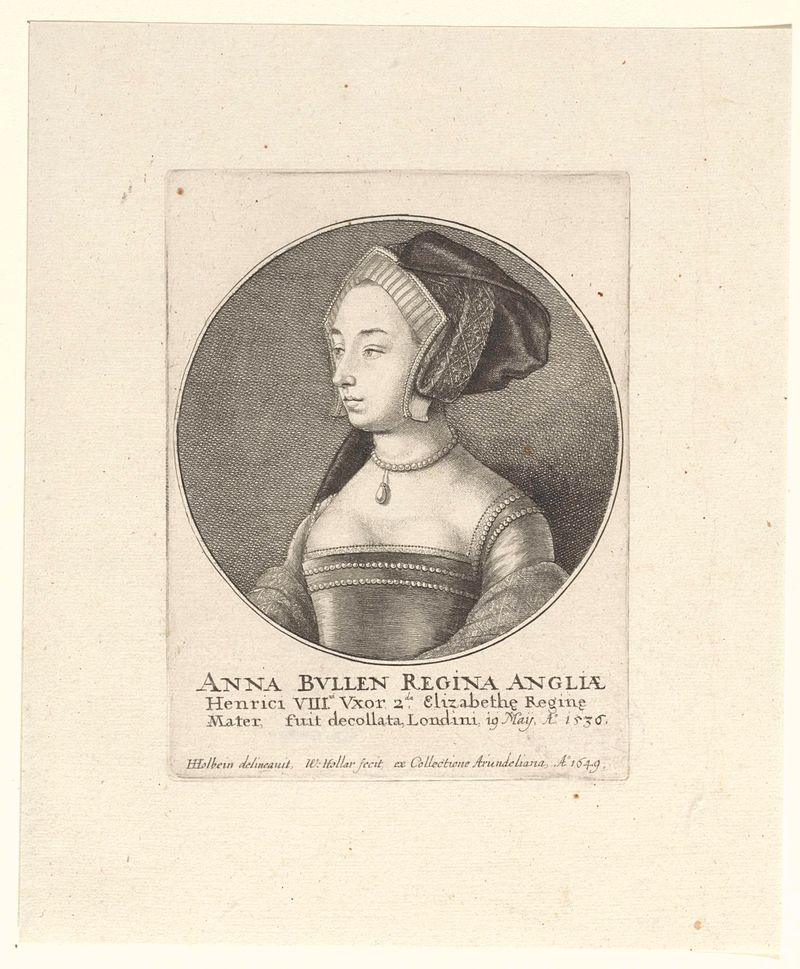
Portret van Anna Boleyn, koningin van Engeland
Wenceslaus Hollar
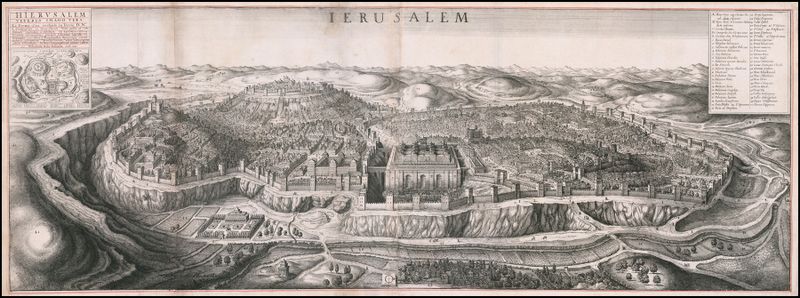
Bird’s eye view of Jerusalem
Wenceslaus Hollar
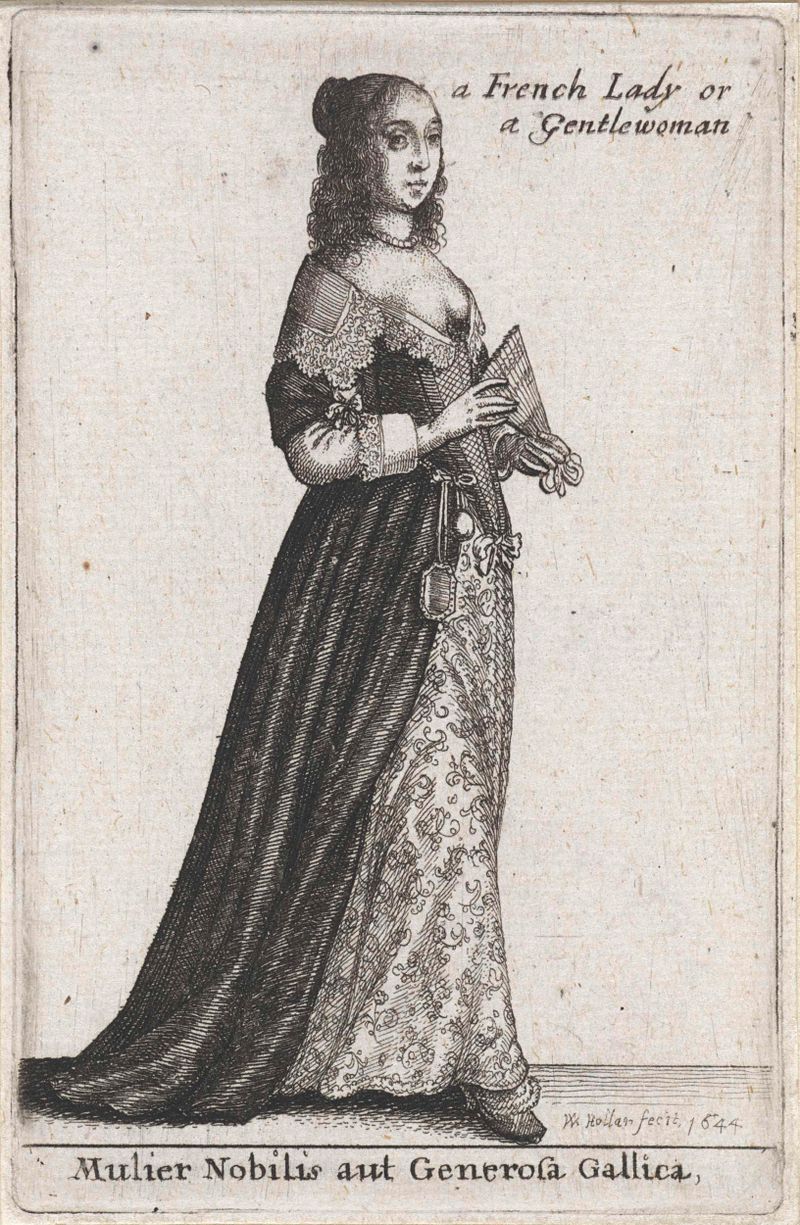
Mulier Nobilis aut Generosa Gallica / a French Lady or Gentlewoman
Wenceslaus Hollar
Titelprent voor: Ornatus Muliebris Anglicanus
Wenceslaus Hollar
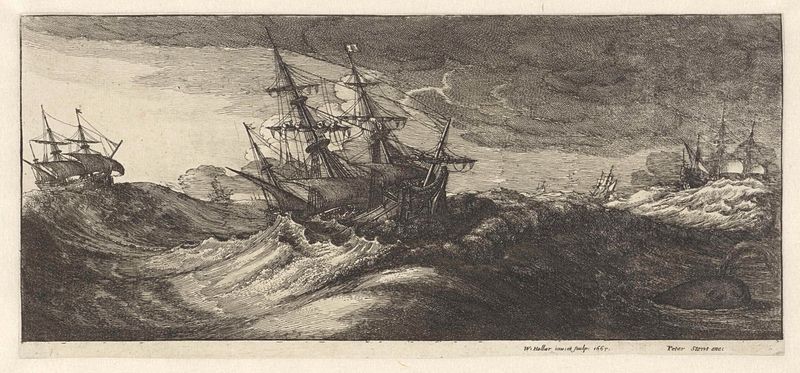
Oorlogsschepen en een walvis in een zeestorm
Wenceslaus Hollar
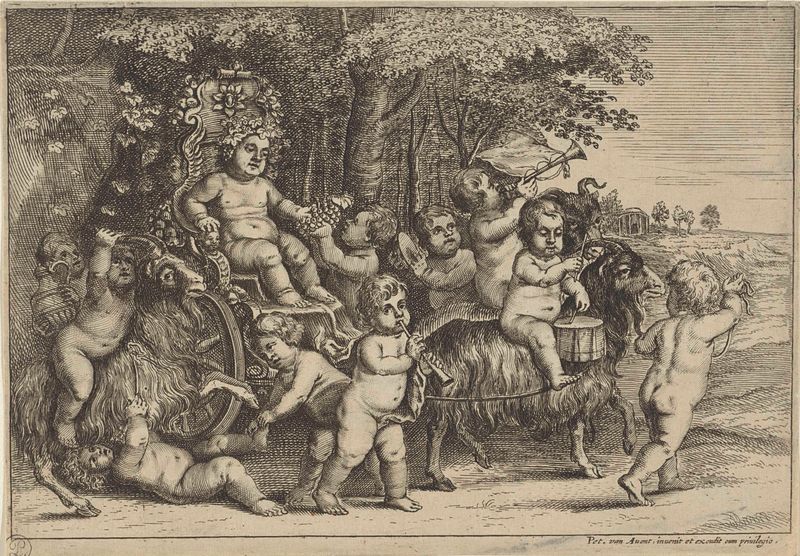
Optocht van bacchant en jongetjes op geiten
Wenceslaus Hollar
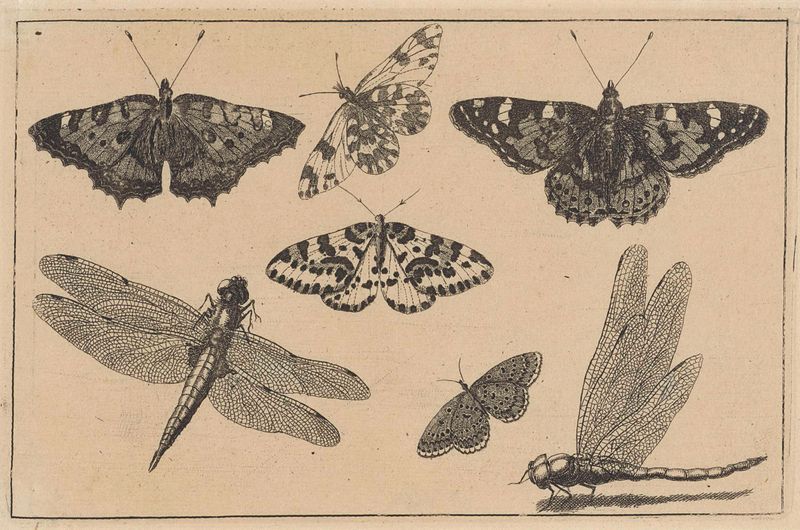
Twee libellen en vijf vlinders
Wenceslaus Hollar
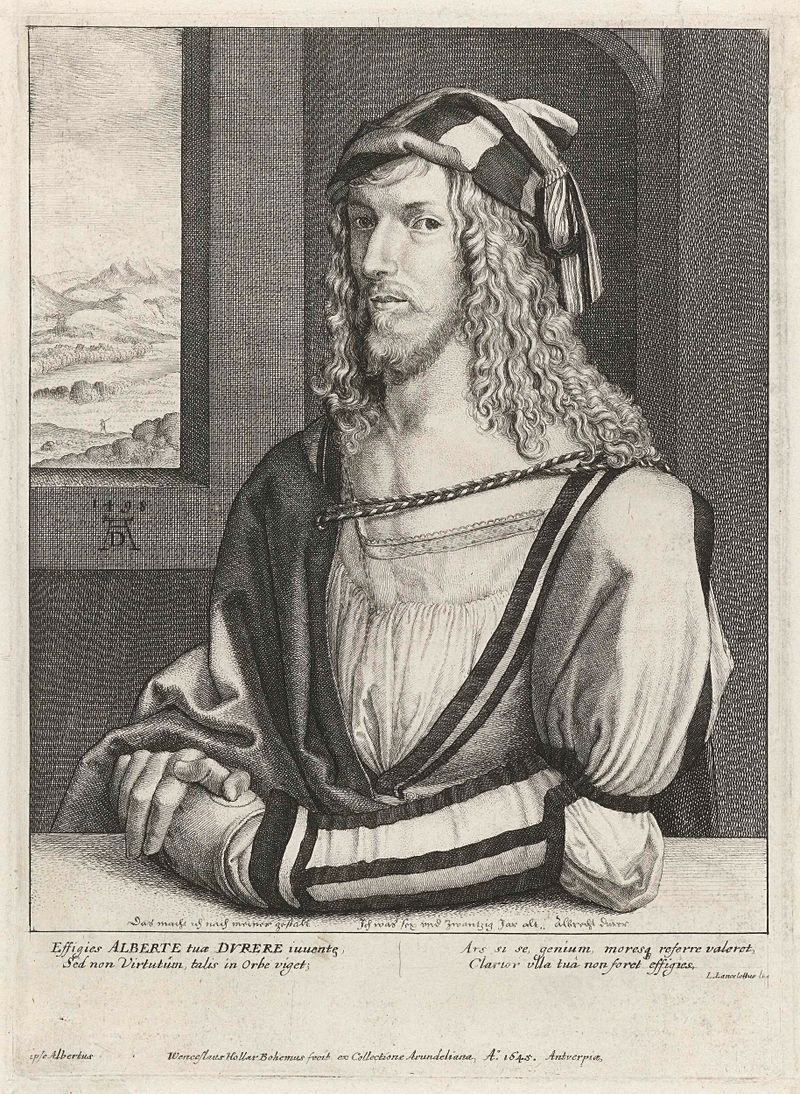
Portret van Albrecht Dürer
Wenceslaus Hollar
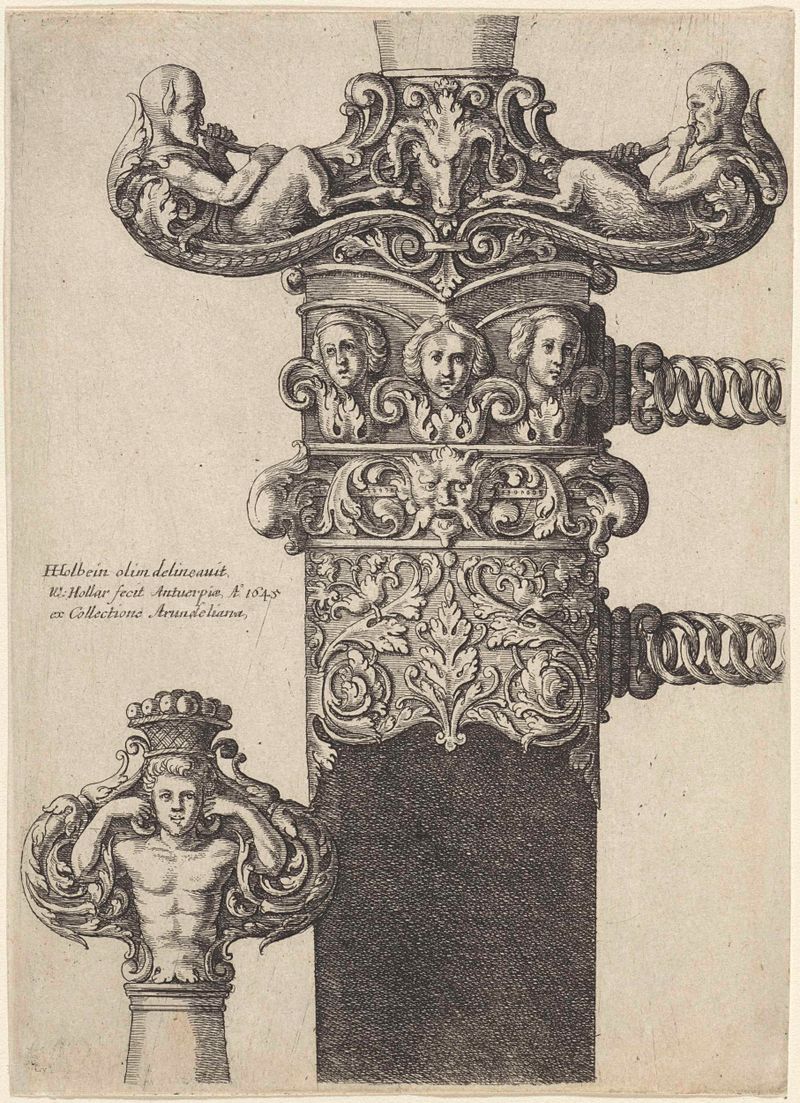
Ornamenteel ontwerp voor een dolk
Wenceslaus Hollar
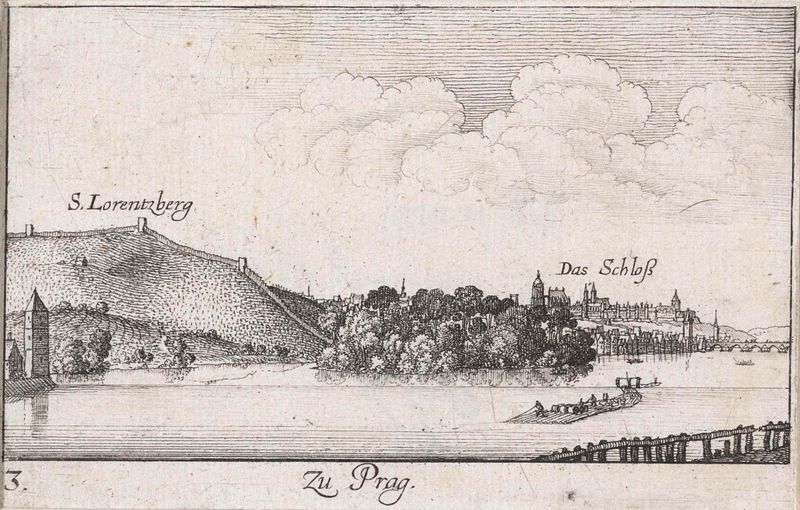
Gezicht op Praag vanaf de Moldau
Wenceslaus Hollar





