
Zondeval — History & Facts
In the delicate balance of chaos and clarity, madness weaves its intricate web through time and space, beckoning our gaze. Look to the center of the composition where figures intertwine, each gesture laced with a sense of unease. The nuanced linework that defines their forms creates a rhythm, drawing the eye along the contours of despair and ecstasy. Notice how the muted palette of browns and greys envelops the scene, allowing the subtle splashes of color to punctuate the madness, revealing layers of emotion beneath the surface.
Hollar's technique of etching offers a tactile quality that invites you to explore the textures of each figure's expression, amplifying the intensity of their silent confessions. In their stillness, a multitude of stories unfolds—what madness lurks behind the eyes of the seated figure, whose gaze seems to pierce through reality? The stark contrast between the fluidity of motion and the rigidity of expression evokes a haunting tension, suggesting the fragility of sanity. Each element harmonizes to create a profound commentary on the human experience, where whispers of despair mingle with the echoes of existence, hinting at the struggle against inner demons. Created in the late 17th century, during a time of immense political and societal upheaval, the artist found himself grappling with the complexities of his own world. Living in London as an émigré from Bohemia, Hollar's work reflects not only his personal challenges but also the broader turmoil of an era marked by conflict and uncertainty.
Zondeval, painted around 1680, serves as both a personal testimony and a universal exploration of madness, resonating across the ages.
More Artworks by Wenceslaus Hollar
Browse all →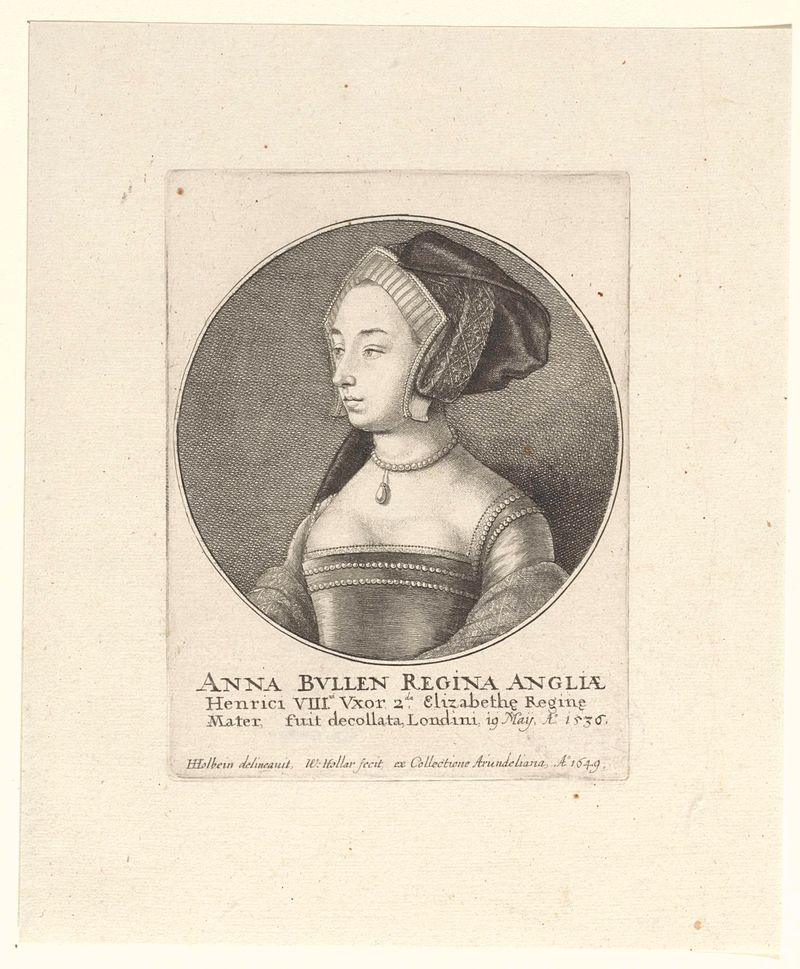
Portret van Anna Boleyn, koningin van Engeland
Wenceslaus Hollar
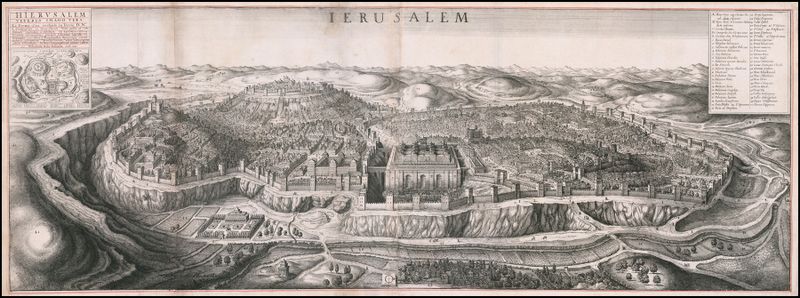
Bird’s eye view of Jerusalem
Wenceslaus Hollar
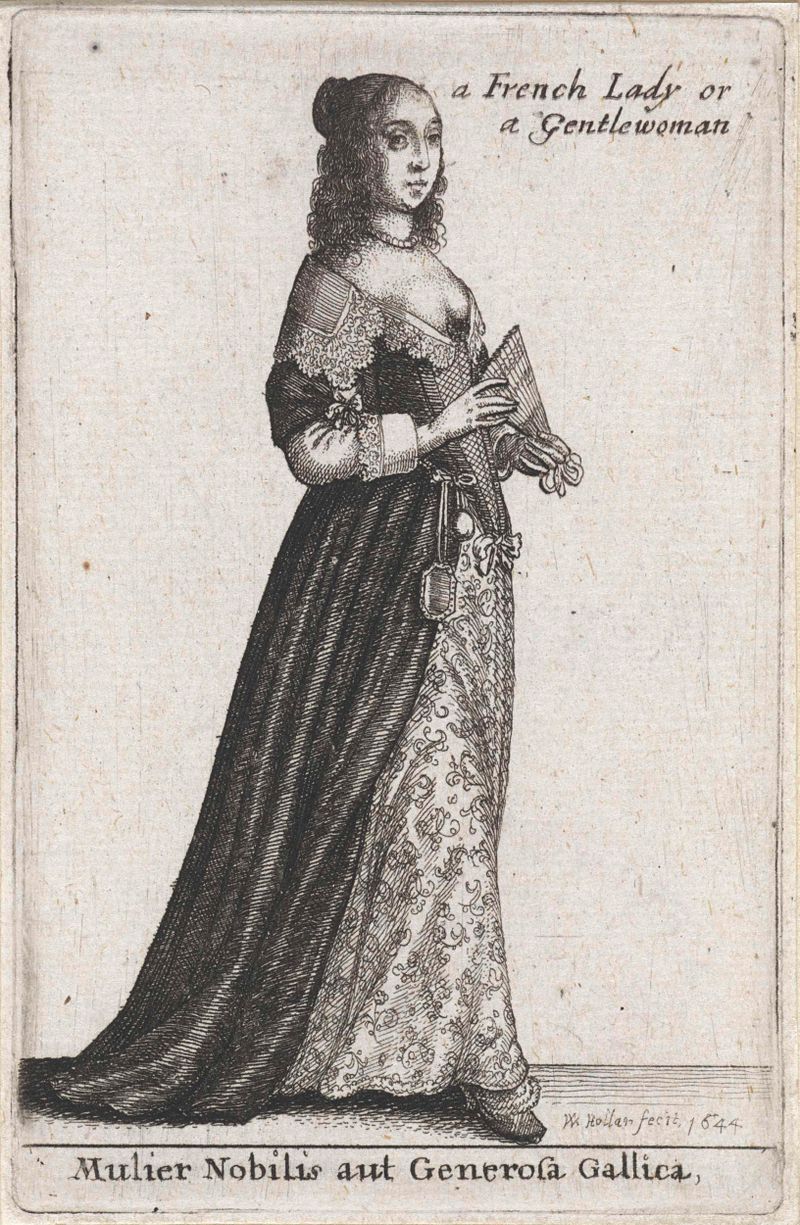
Mulier Nobilis aut Generosa Gallica / a French Lady or Gentlewoman
Wenceslaus Hollar
Titelprent voor: Ornatus Muliebris Anglicanus
Wenceslaus Hollar
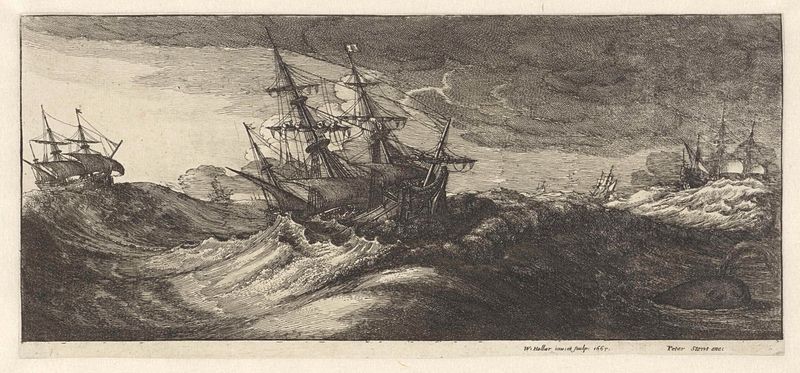
Oorlogsschepen en een walvis in een zeestorm
Wenceslaus Hollar
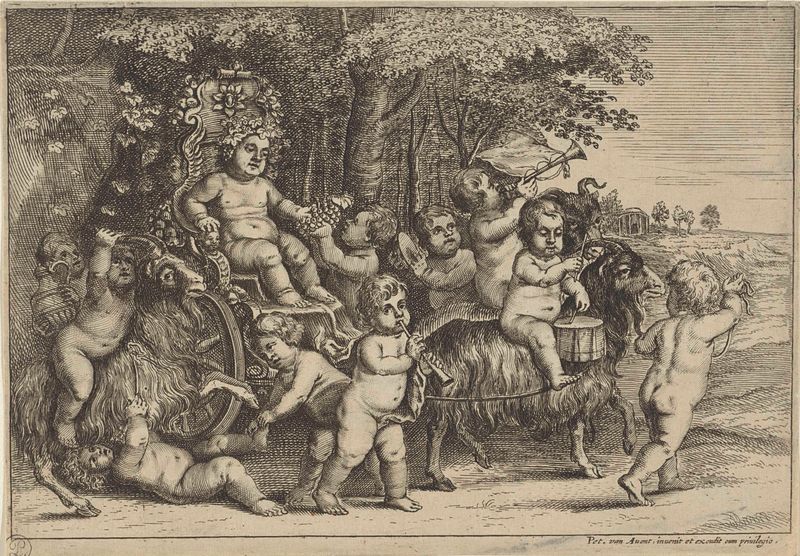
Optocht van bacchant en jongetjes op geiten
Wenceslaus Hollar
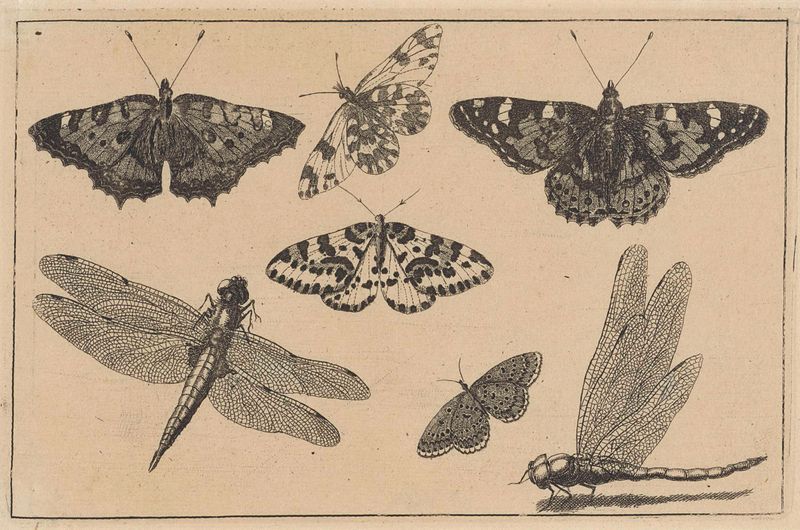
Twee libellen en vijf vlinders
Wenceslaus Hollar
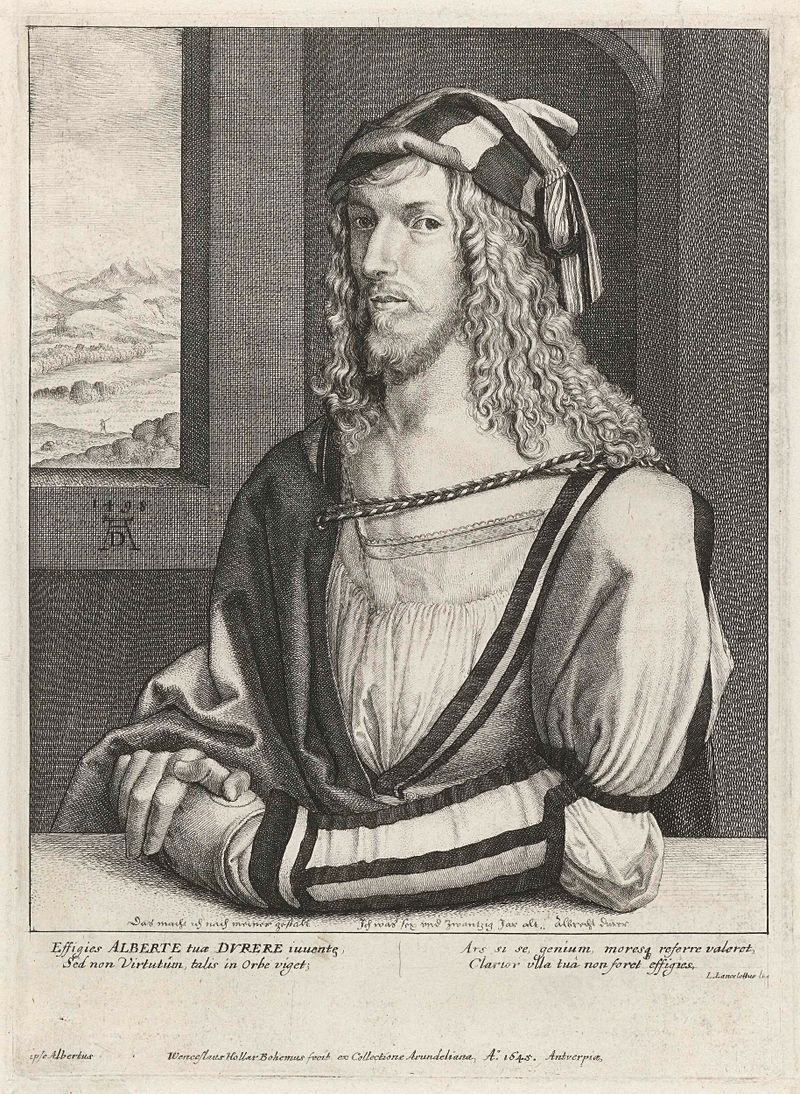
Portret van Albrecht Dürer
Wenceslaus Hollar
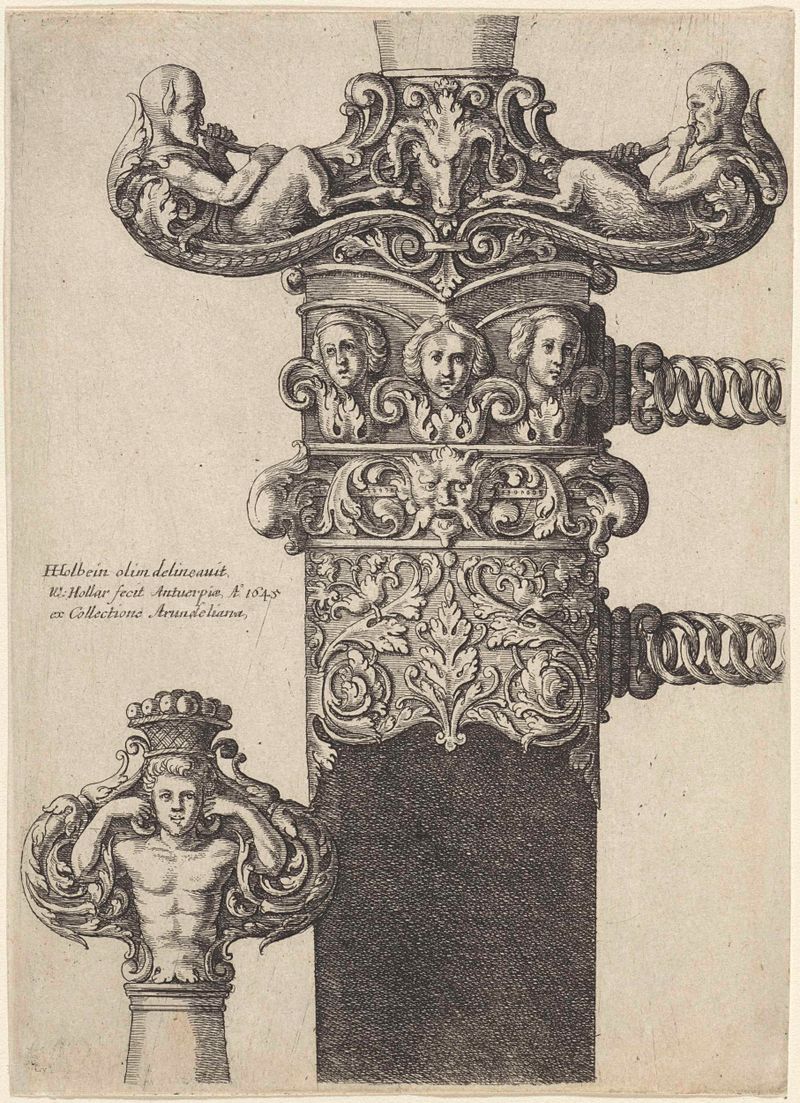
Ornamenteel ontwerp voor een dolk
Wenceslaus Hollar
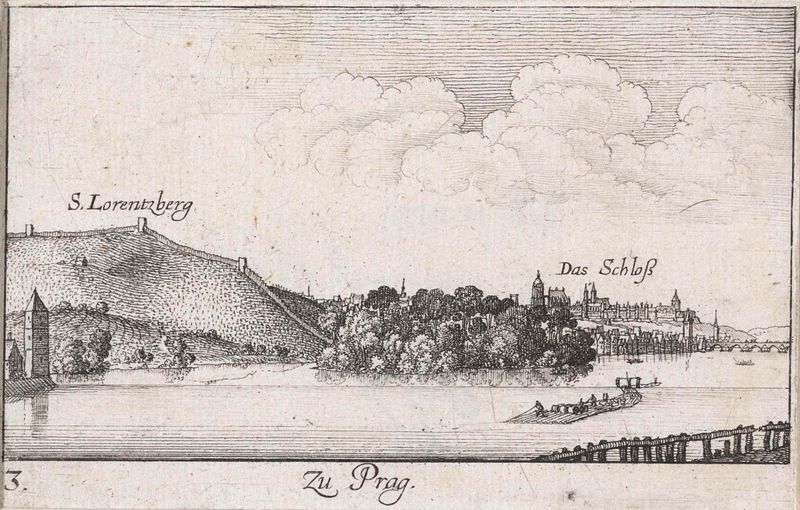
Gezicht op Praag vanaf de Moldau
Wenceslaus Hollar





