
Zondeval — History & Facts
In the wake of a world awakening, one can’t help but ponder the layers of existence captured in the depths of this remarkable work. Look to the intricate lines that weave together the delicate forms within the composition, each contour and curve speaking of quiet reverence. The subtle interplay of light and shadow reveals not only the physicality of the figures but also the emotion behind their gestures. A muted palette, rich in earthy tones, invites the viewer to linger, demanding attention to the nuanced expressions that radiate vulnerability and strength. Beneath the surface lies a rich tapestry of meaning.
The figures are locked in a moment of introspection, each one resonating with the tension between hope and despair, a reflection of the fragile human condition. The careful arrangement of the elements creates a visual dialogue, suggesting connections and disconnections, as if the viewer is peering into a collective consciousness at a turning point. This quiet yet profound exploration offers insight into the very nature of awakening—both personal and universal. In 1651, Wenceslaus Hollar was living in London, having fled the turmoil of the Thirty Years' War.
His work during this period reflects the Baroque style's emphasis on detail and emotional depth, while also tapping into the broader currents of the time, including a growing fascination with human fragility and resilience. As he painted, the world around him shifted, and his art became a powerful testament to the awakening spirit of a new era.
More Artworks by Wenceslaus Hollar
Browse all →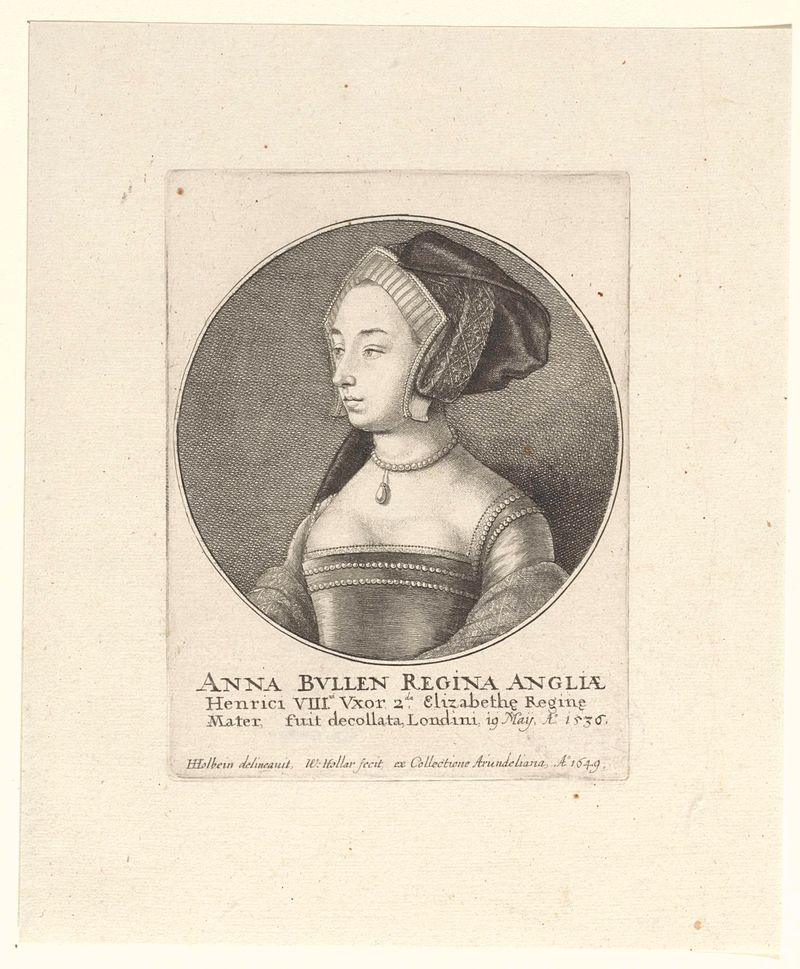
Portret van Anna Boleyn, koningin van Engeland
Wenceslaus Hollar
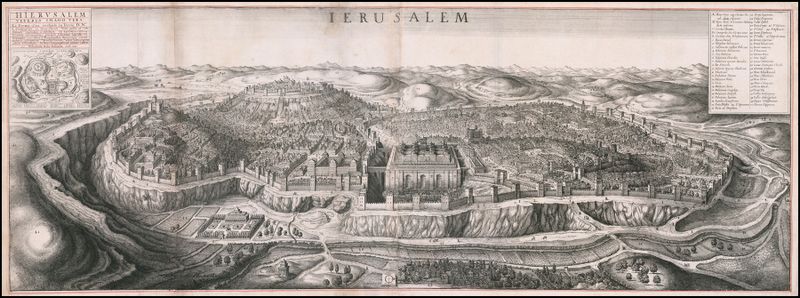
Bird’s eye view of Jerusalem
Wenceslaus Hollar
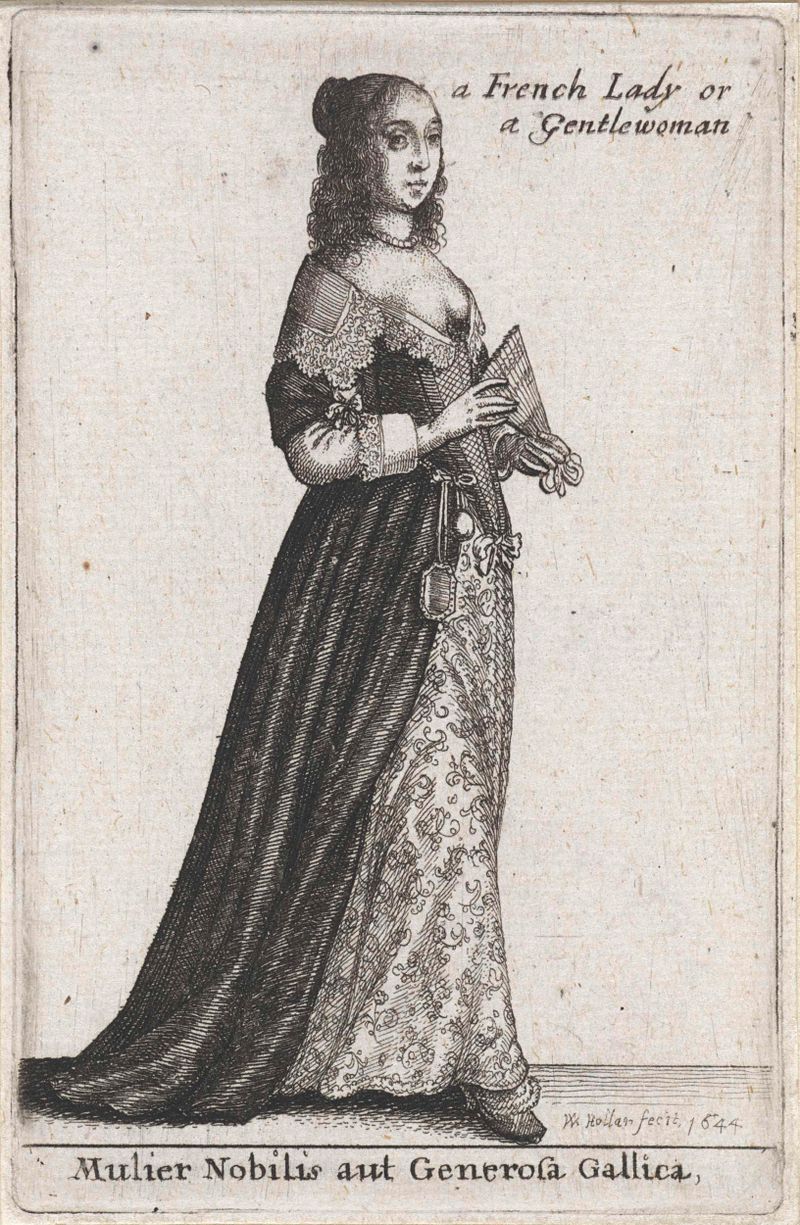
Mulier Nobilis aut Generosa Gallica / a French Lady or Gentlewoman
Wenceslaus Hollar
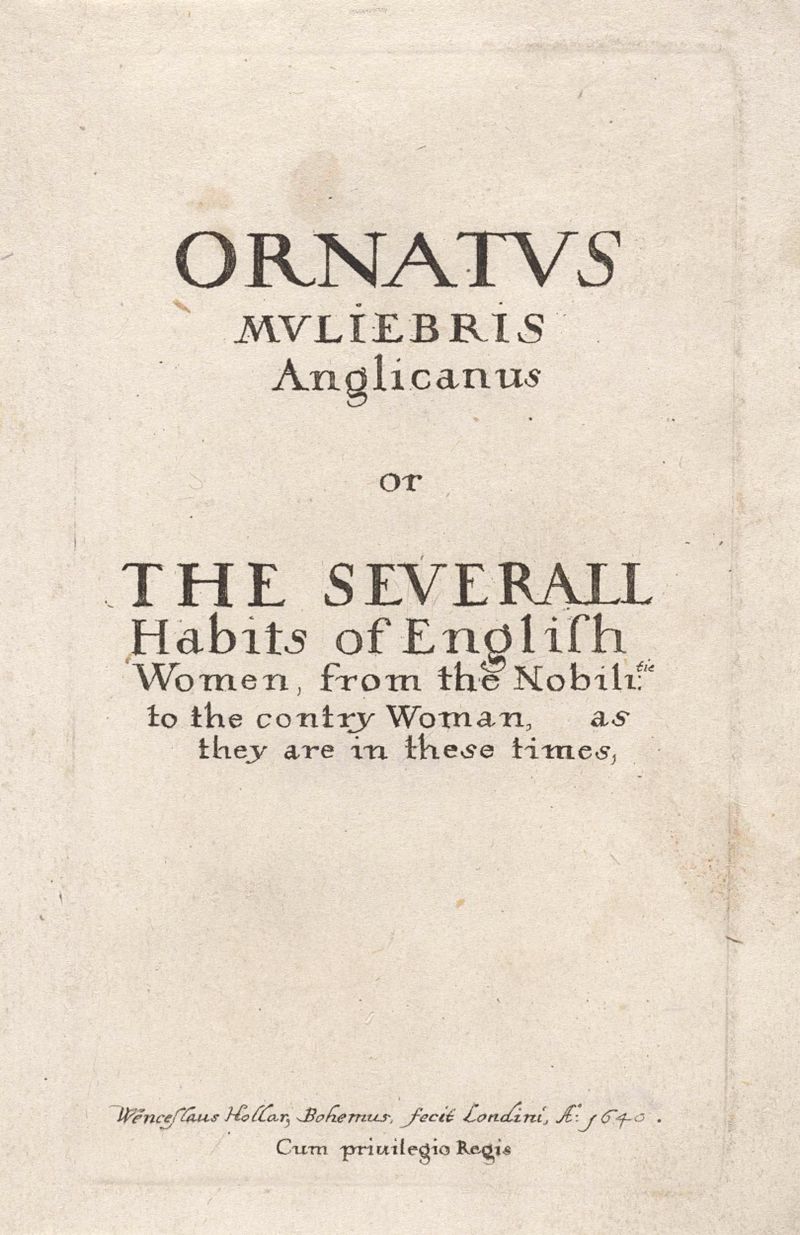
Titelprent voor: Ornatus Muliebris Anglicanus
Wenceslaus Hollar
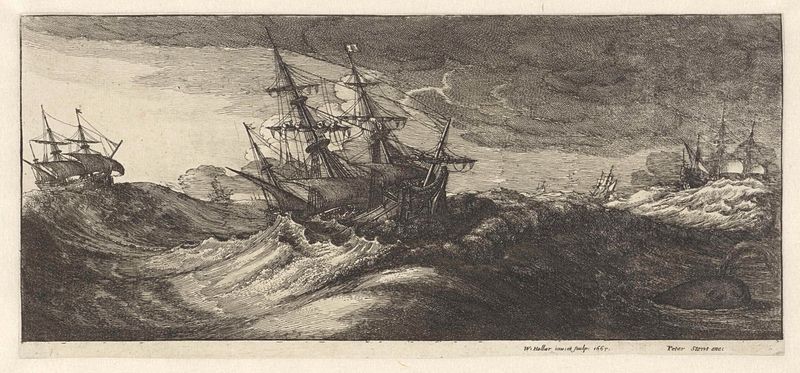
Oorlogsschepen en een walvis in een zeestorm
Wenceslaus Hollar
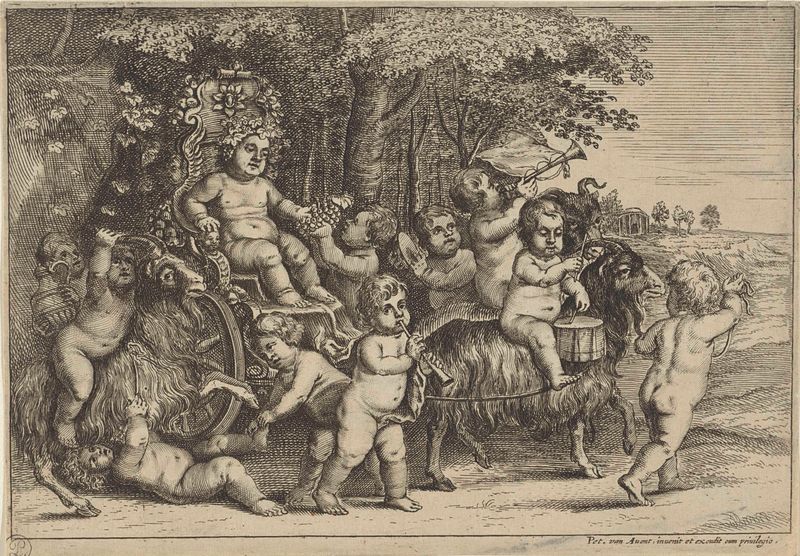
Optocht van bacchant en jongetjes op geiten
Wenceslaus Hollar
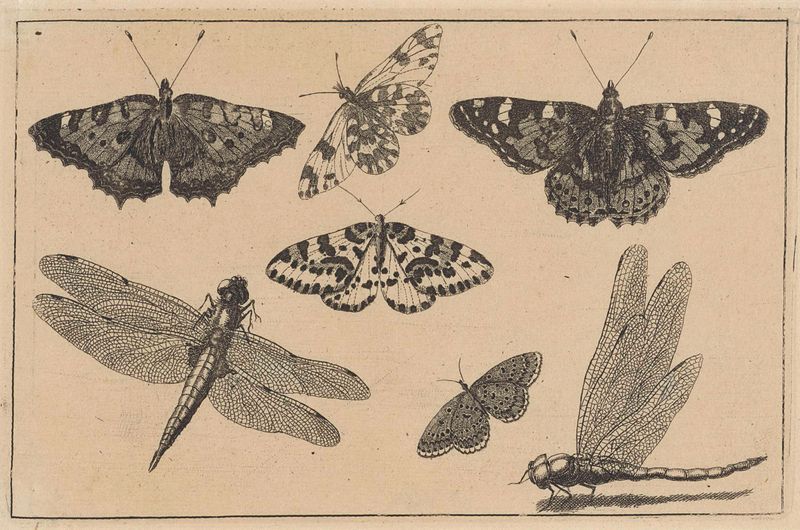
Twee libellen en vijf vlinders
Wenceslaus Hollar
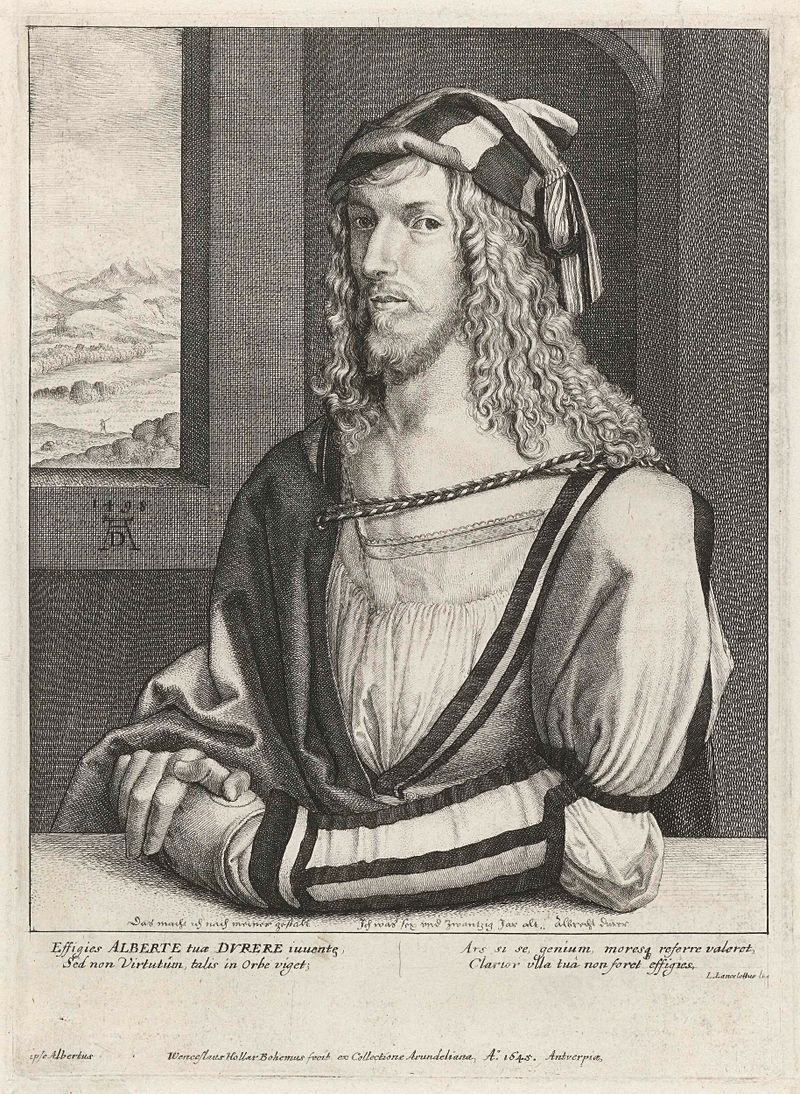
Portret van Albrecht Dürer
Wenceslaus Hollar
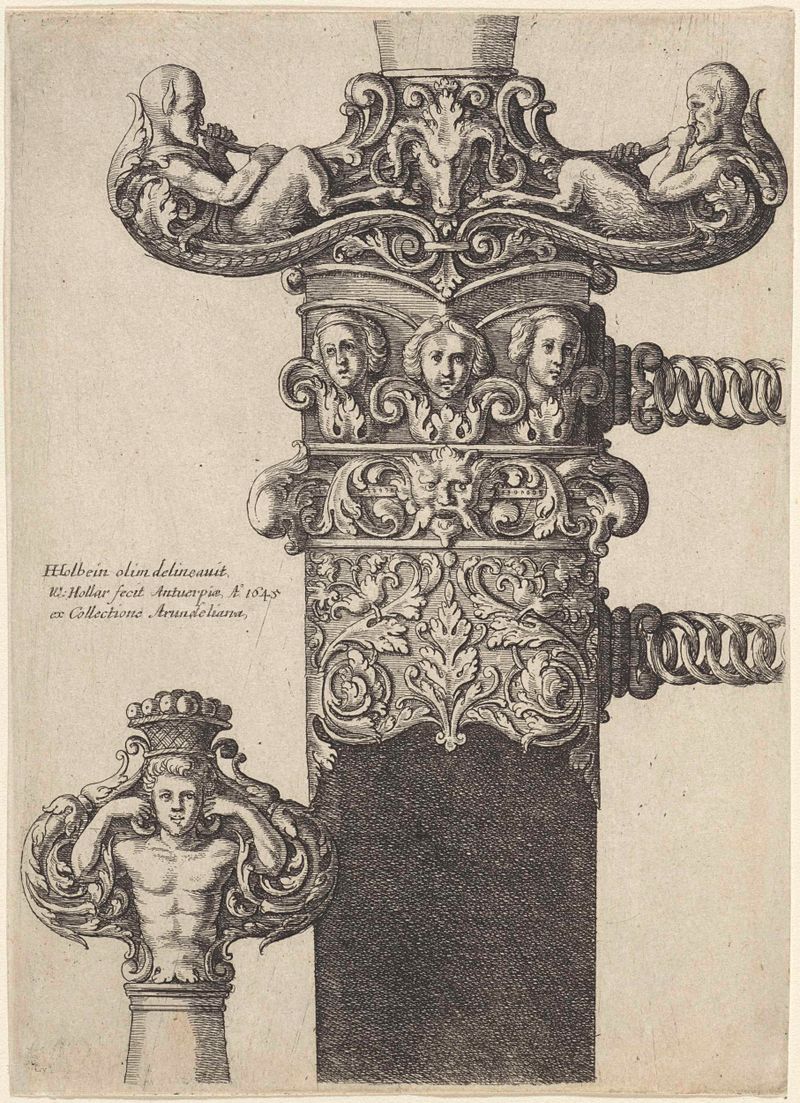
Ornamenteel ontwerp voor een dolk
Wenceslaus Hollar
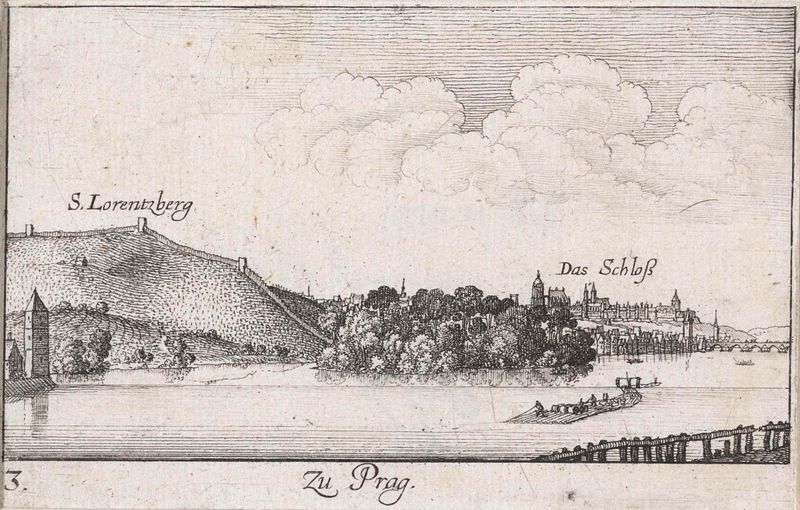
Gezicht op Praag vanaf de Moldau
Wenceslaus Hollar





