
Zondeval — History & Facts
What if beauty was never meant to be finished? The act of reflection, both in art and life, reveals truths often obscured by surface allure. Look closely at the upper left corner, where the light illuminates the delicate contours of a face, capturing the fleeting essence of humanity. The meticulously rendered textures of fabric and skin invite you to trace the brushstrokes, each one a testament to the artist's precision. The stark contrast of shadows against the vibrant hues unfolds a narrative that transcends time, drawing your gaze across the canvas in a reverent pilgrimage. Beneath the surface lies a complex interplay of emotion and identity.
The juxtaposition of physical beauty and inner turmoil suggests a poignant solitude, where the subject's gaze seems simultaneously engaging and evasive. This duality evokes introspection in the viewer, prompting questions about the masks we wear and the truths we conceal. The reflective surfaces not only showcase the artist's technical skill but stand as metaphors for the layers of self that we navigate in our own lives. Hans Holbein II created Zondeval in 1538 during a period marked by his deepening engagement with portraiture in Tudor England.
At this time, he was profoundly influenced by the Renaissance's exploration of individuality and the human condition. As he painted, the world was experiencing significant religious and political upheaval, which ratified the importance of capturing the essence of the moment—a testament to the enduring power of identity and reflection.
More Artworks by Hans Holbein (II)
Browse all →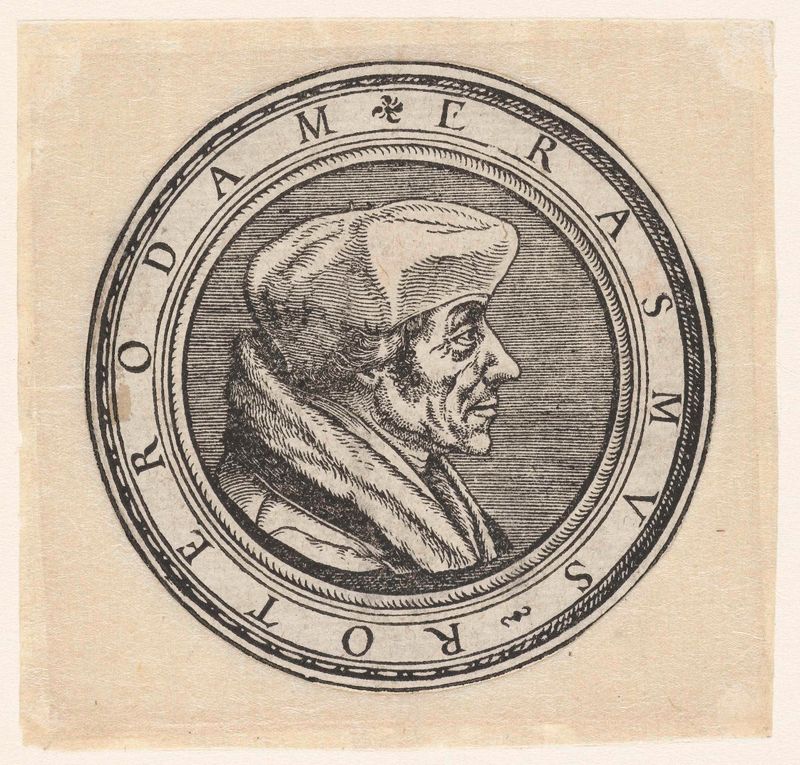
Portret van Erasmus
Hans Holbein (II)
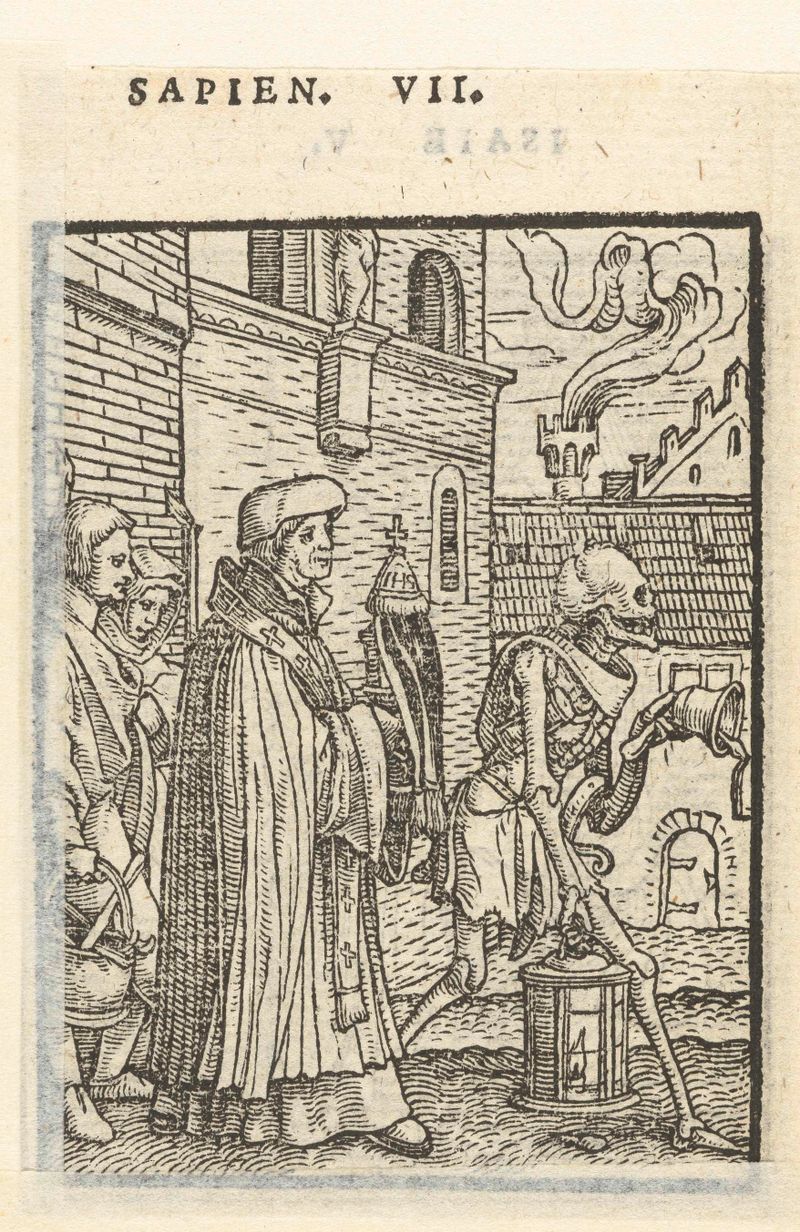
Priester en de Dood
Hans Holbein (II)
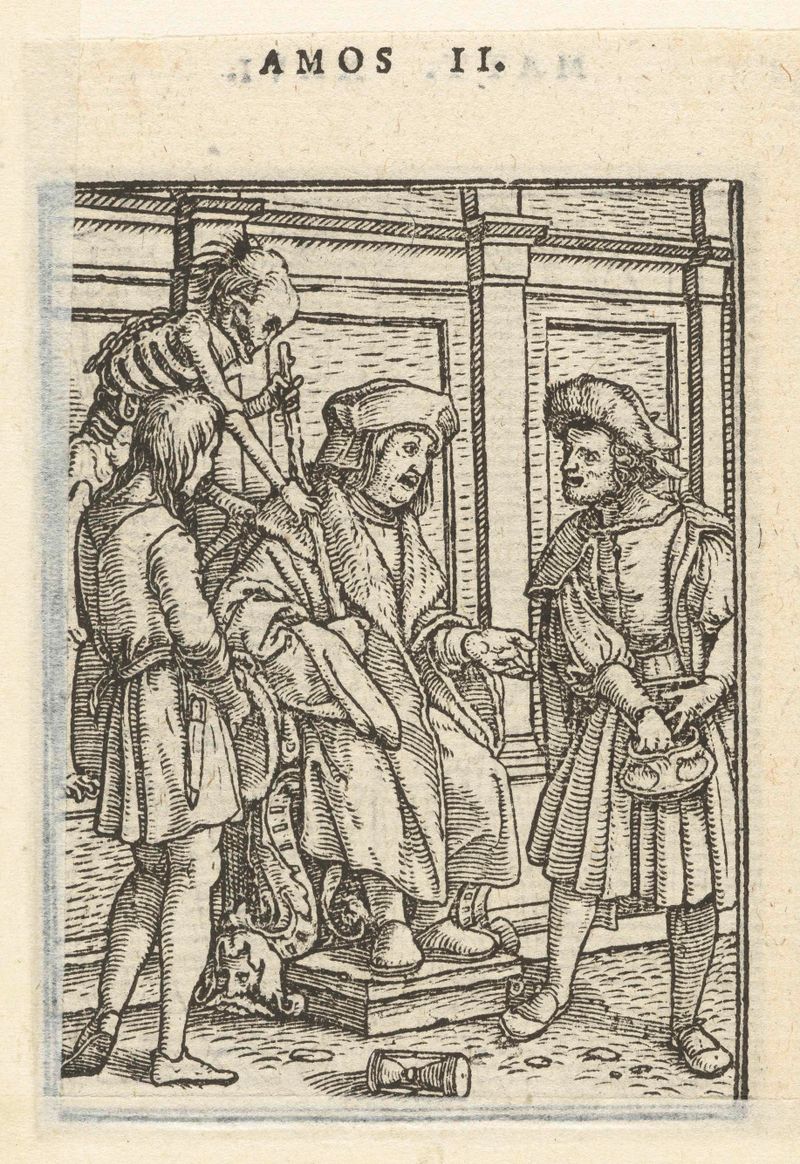
Rechter en de Dood
Hans Holbein (II)
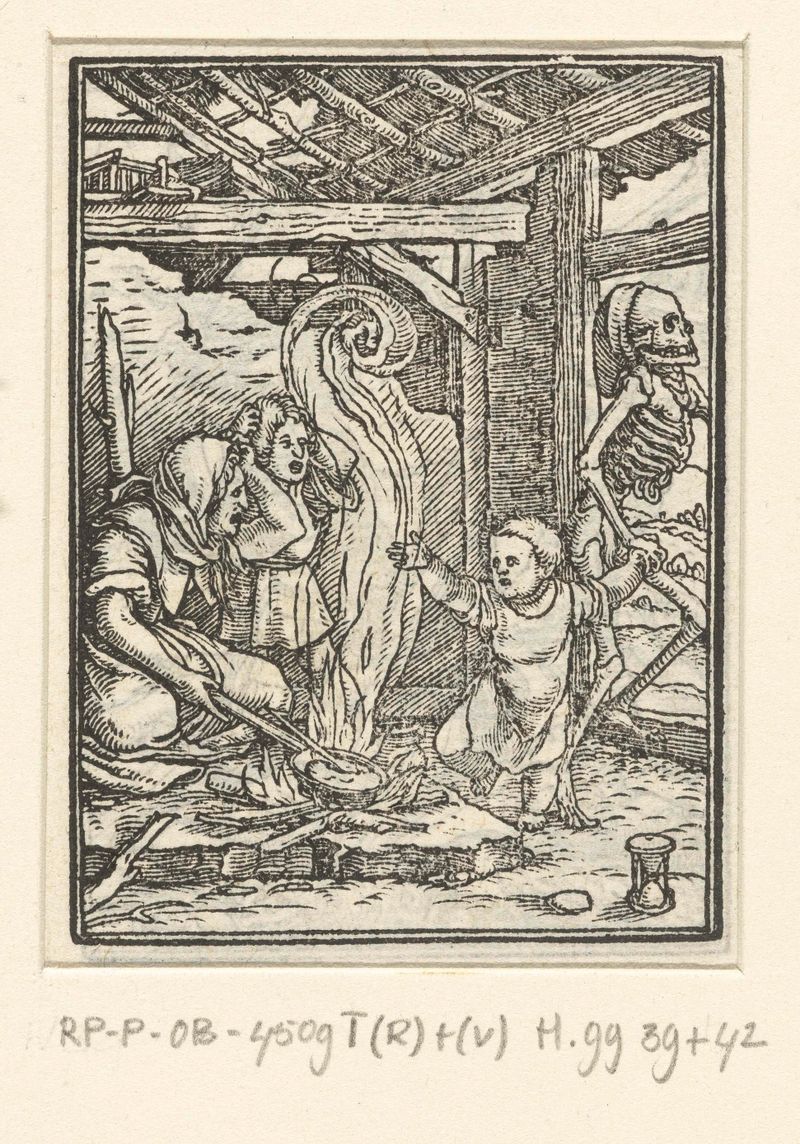
Kind en de Dood
Hans Holbein (II)
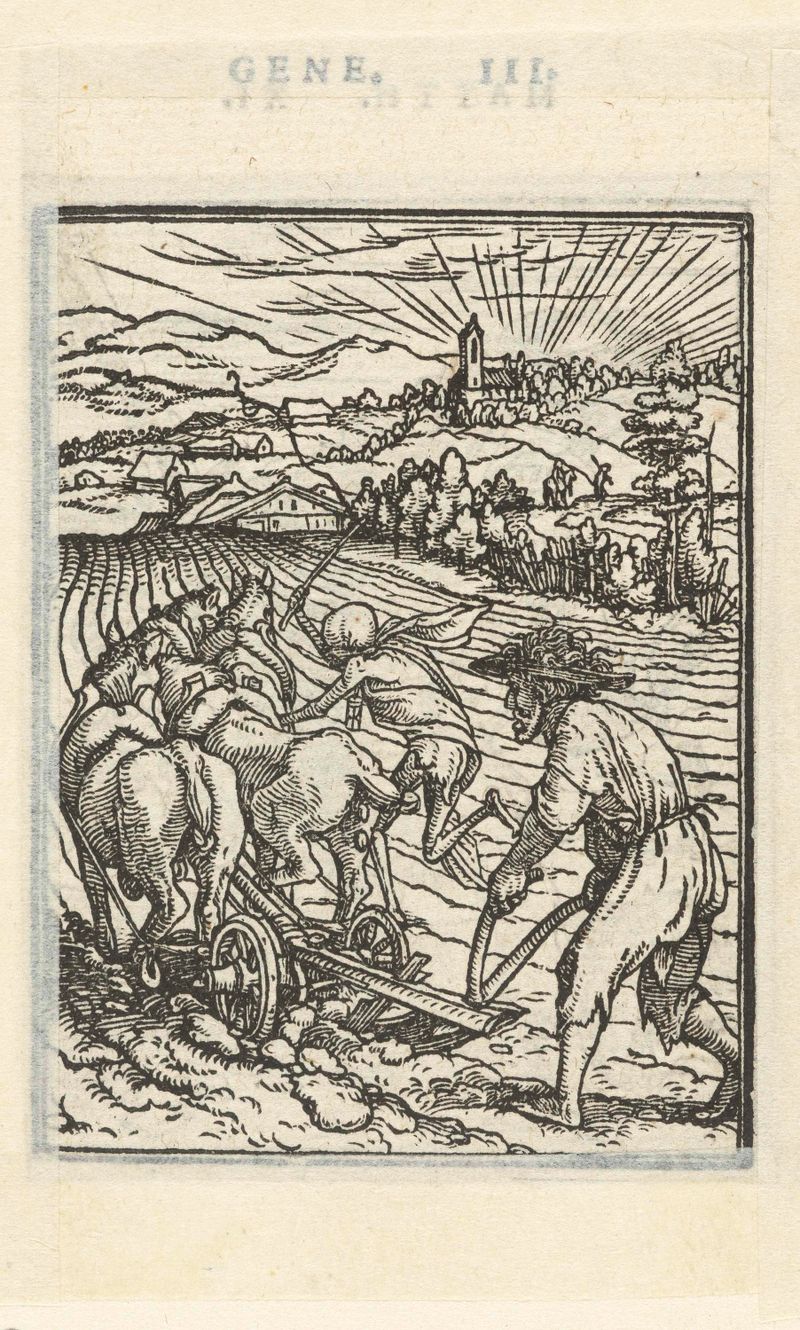
Boer en de Dood
Hans Holbein (II)
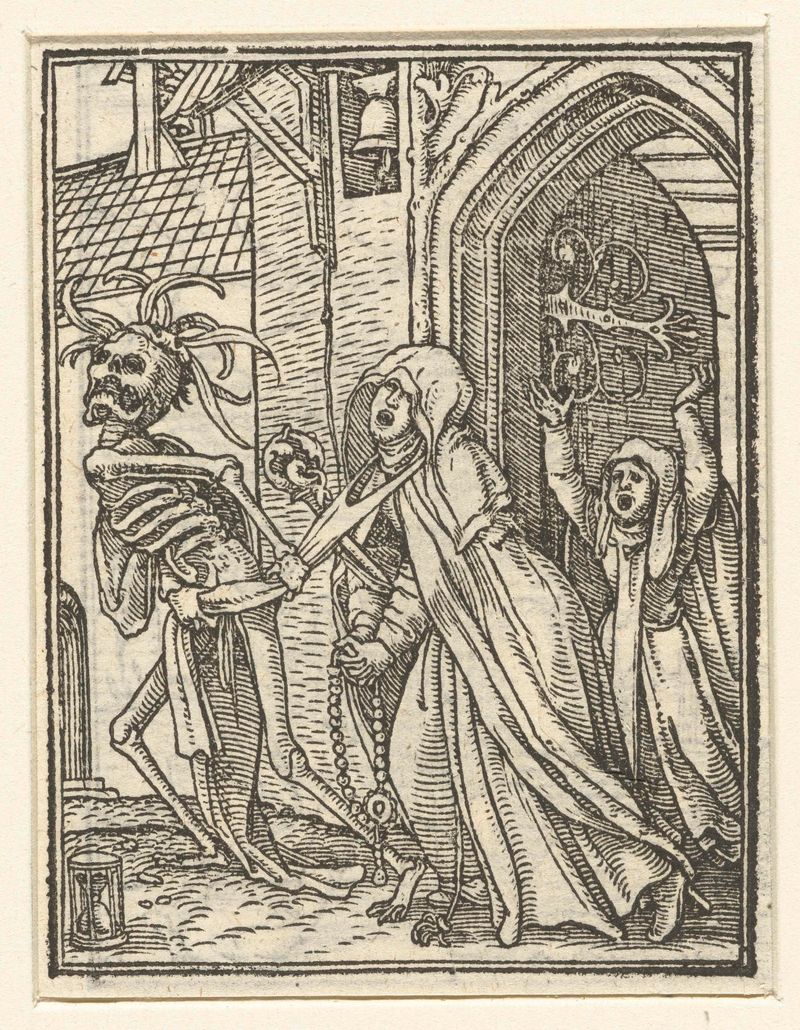
Abdis en de Dood
Hans Holbein (II)
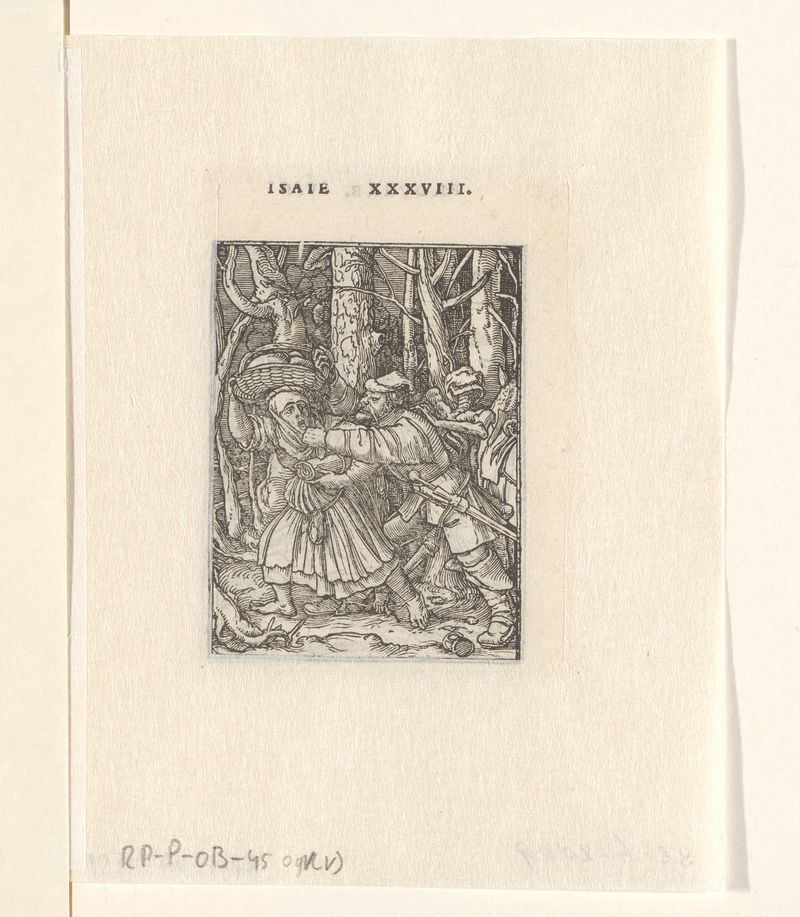
Dief en de Dood
Hans Holbein (II)
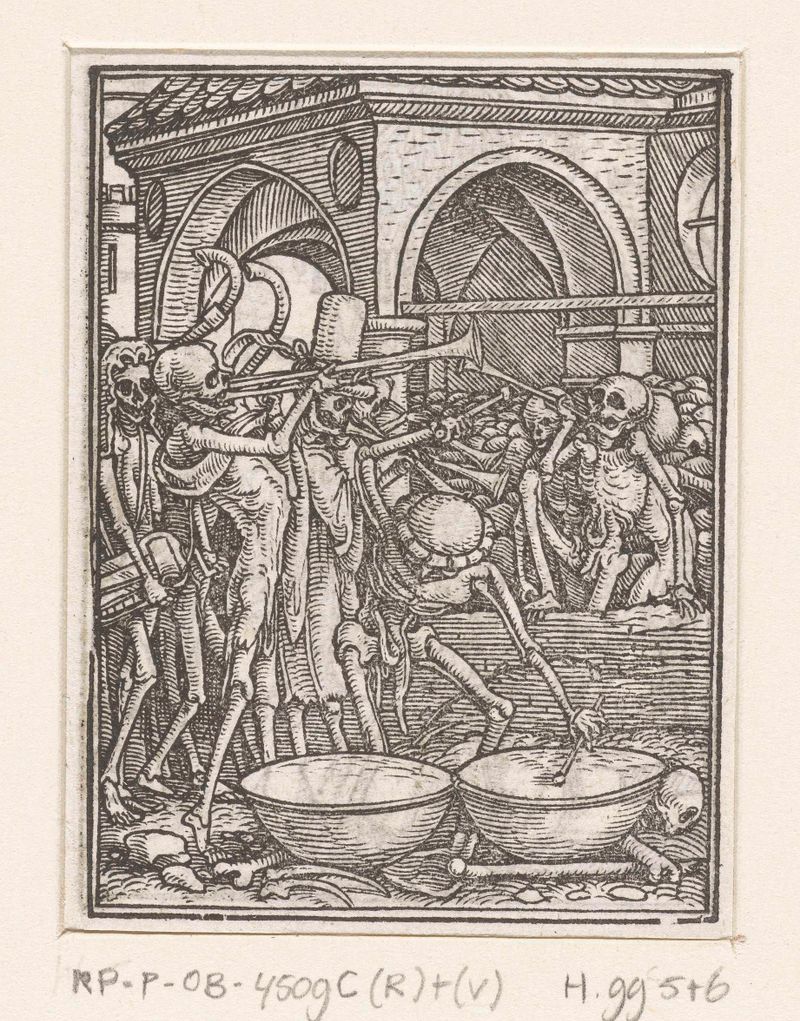
Skeletons Making Music from Dance of the Dead
Hans Holbein (II)
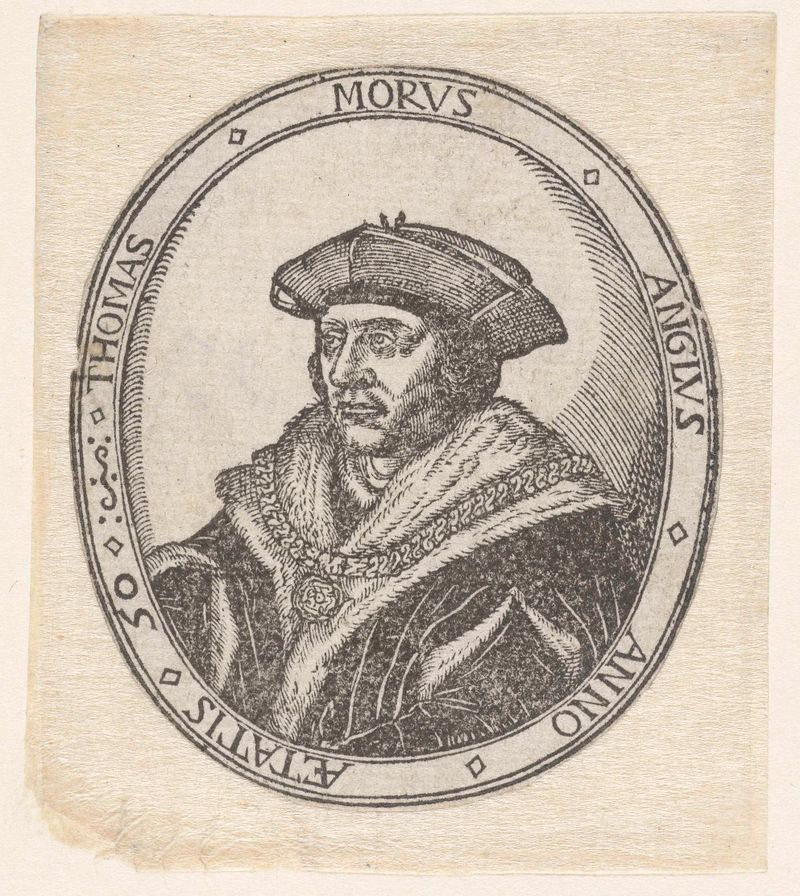
Portret van Thomas More
Hans Holbein (II)
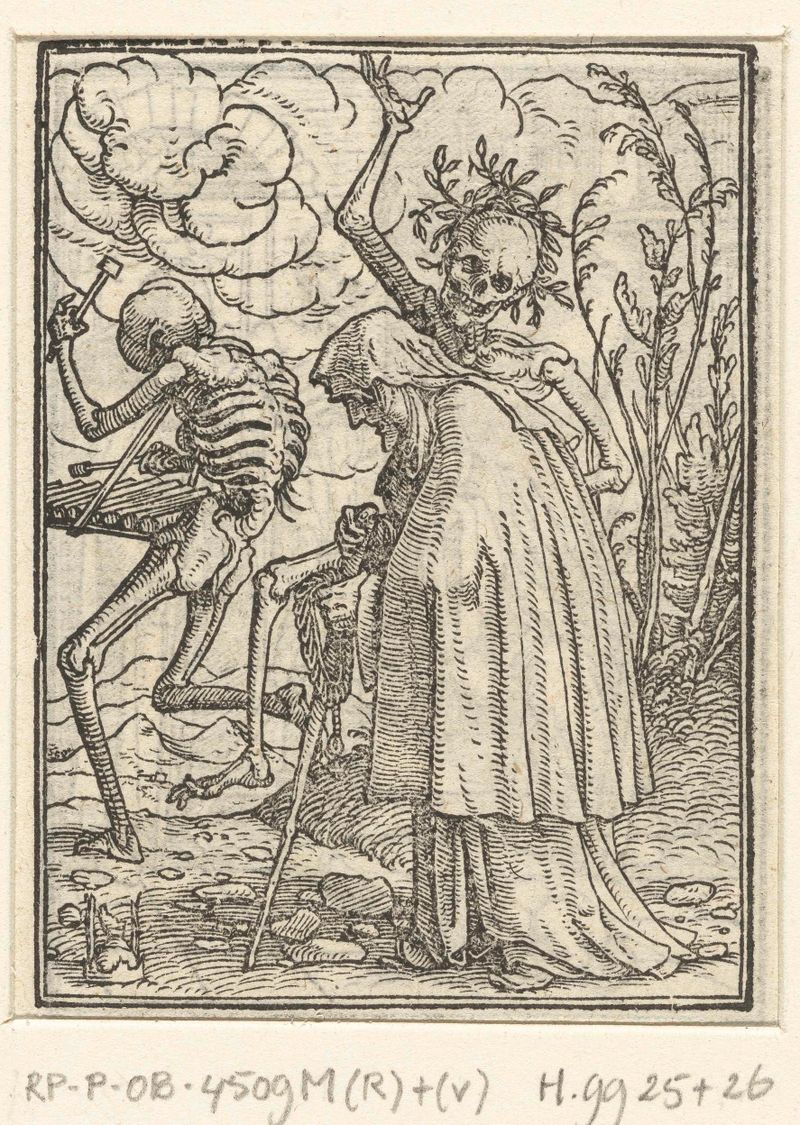
Oude vrouw en de Dood
Hans Holbein (II)
More Portrait Art
Browse all →
Las meninas
Diego Velázquez

Self-portrait with a Bandaged Ear and Pipe
Unidentified artist

Girl with a Pearl Earring
Johannes Vermeer

The Sampling Officials of the Amsterdam Drapers’ Guild, Known as ‘The Syndics’
Rembrandt van Rijn

The Hundred Guilder Print: the man seen on the back in the lower left corner
Rembrandt van Rijn

Portrait of Dr Gachet
Vincent van Gogh