
Landscape Study, Tree — History & Facts
What first catches the eye in Landscape Study, Tree is the sheer presence of the tree itself—its gnarled trunk twisting upward, branches reaching in every direction, as if caught mid-gesture. The artist’s pencil work draws you in: light flickers across the foliage, while deep shadows carve out the hollows of the bark, giving the tree a sense of age and quiet endurance. Notice how the leaves are suggested with quick, energetic marks, while the trunk is rendered with careful, almost sculptural attention—this contrast pulls the viewer’s gaze from the airy crown down to the grounded, knotted roots.
The background recedes gently, allowing the tree to dominate, its silhouette almost monumental against the empty space. There is a sense of solitude and dignity here, the kind that invites you to pause and look closer. Drawn in pencil on paper by Hilma af Klint, a Swedish artist whose later works would revolutionize abstract art, this undated study belongs to a long tradition of landscape drawing in northern Europe. Such studies were often exercises in observation, a way for artists to sharpen their sense of form and light before embarking on larger compositions.
In the late nineteenth and early twentieth centuries, artists like af Klint were trained to look closely at nature, capturing not only outward appearances but also the rhythms and structures beneath. Though the exact context of this drawing is lost to history, it now resides with the Stiftelsen Hilma af Klints verk, a reminder of the artist’s roots in careful observation before her leap into the spiritual and abstract. Let your eye linger on the play of shadow and line—the tree stands as both subject and symbol, bridging the world of nature and the world of imagination.
More Artworks by Hilma af Klint

Portrait
Hilma af Klint
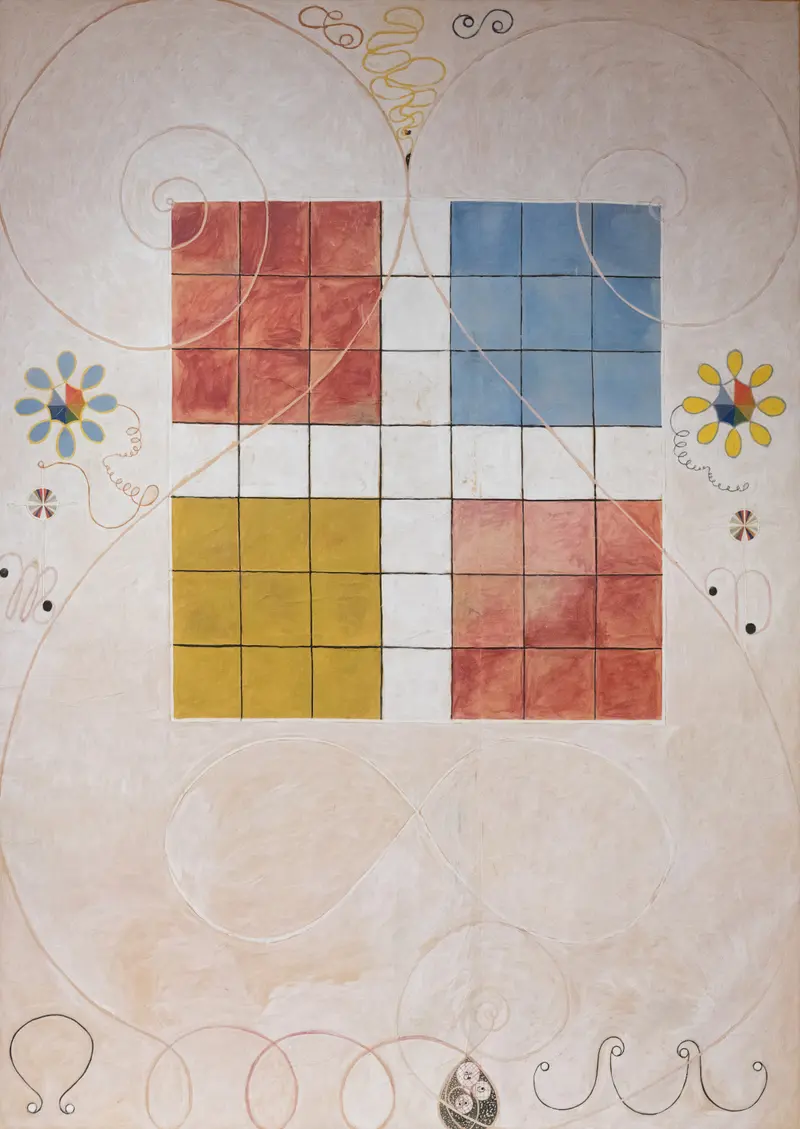
The Ten Largest, No. 10, Old Age
Hilma af Klint
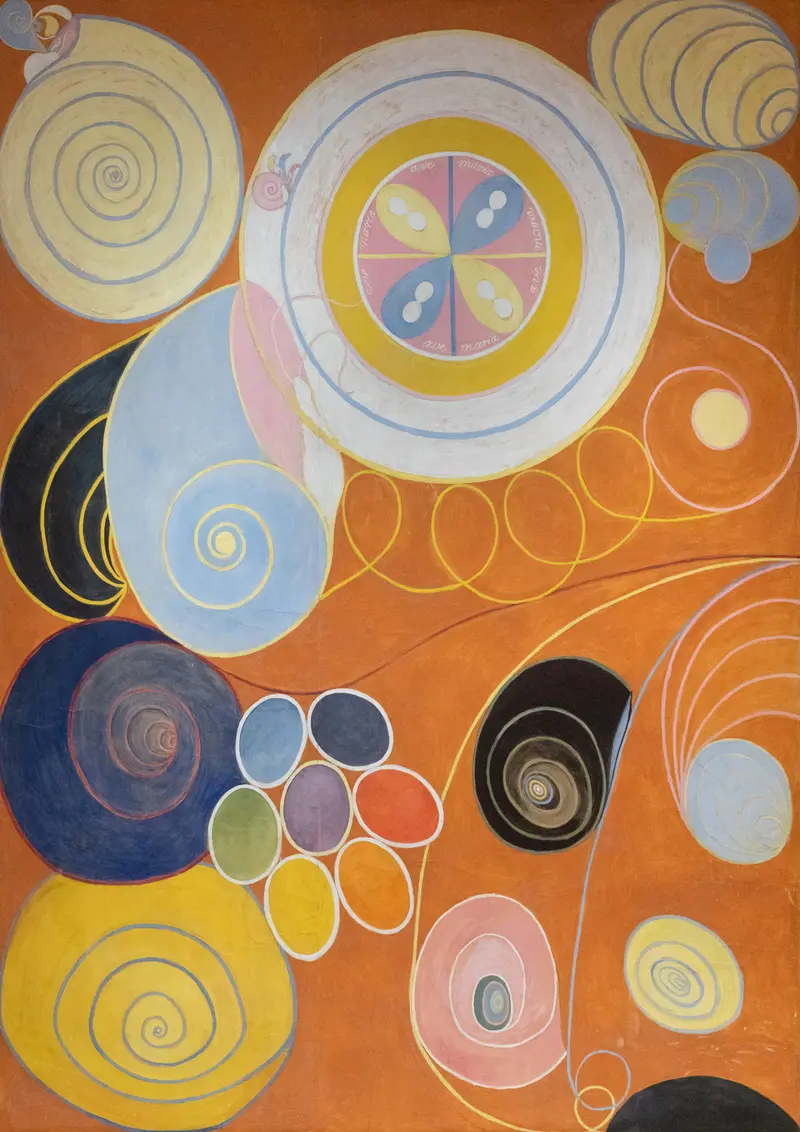
The Ten Largest, No. 3, Youth
Hilma af Klint
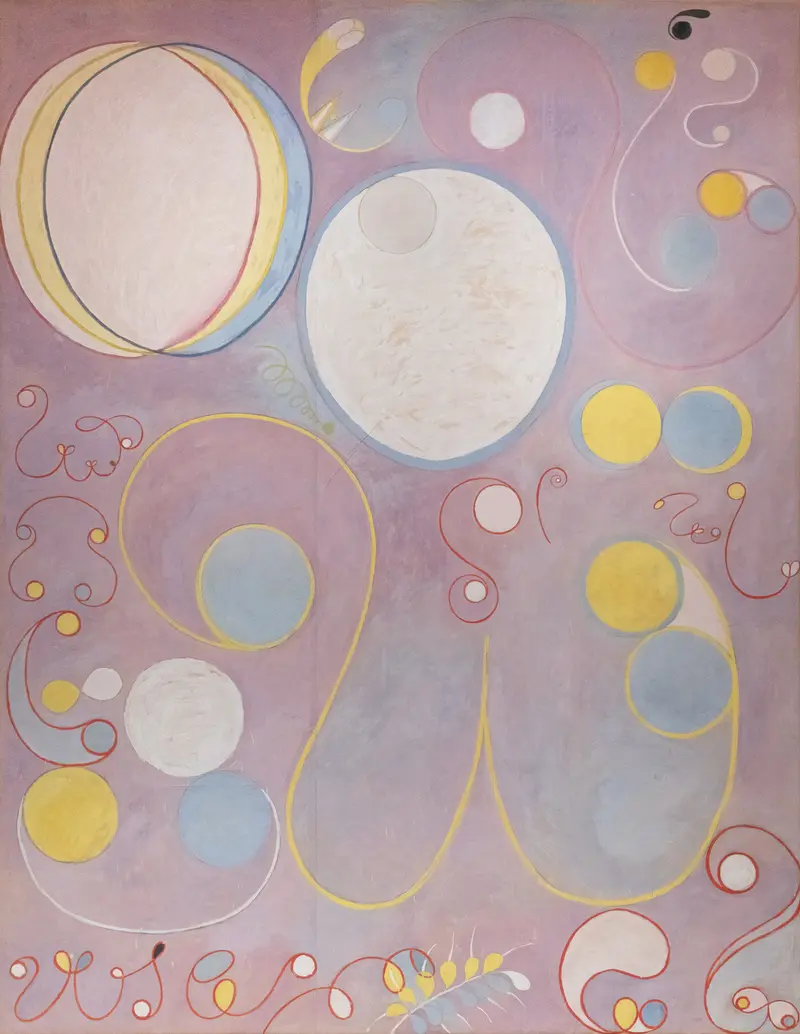
The Ten Largest, No. 8, Adulthood
Hilma af Klint
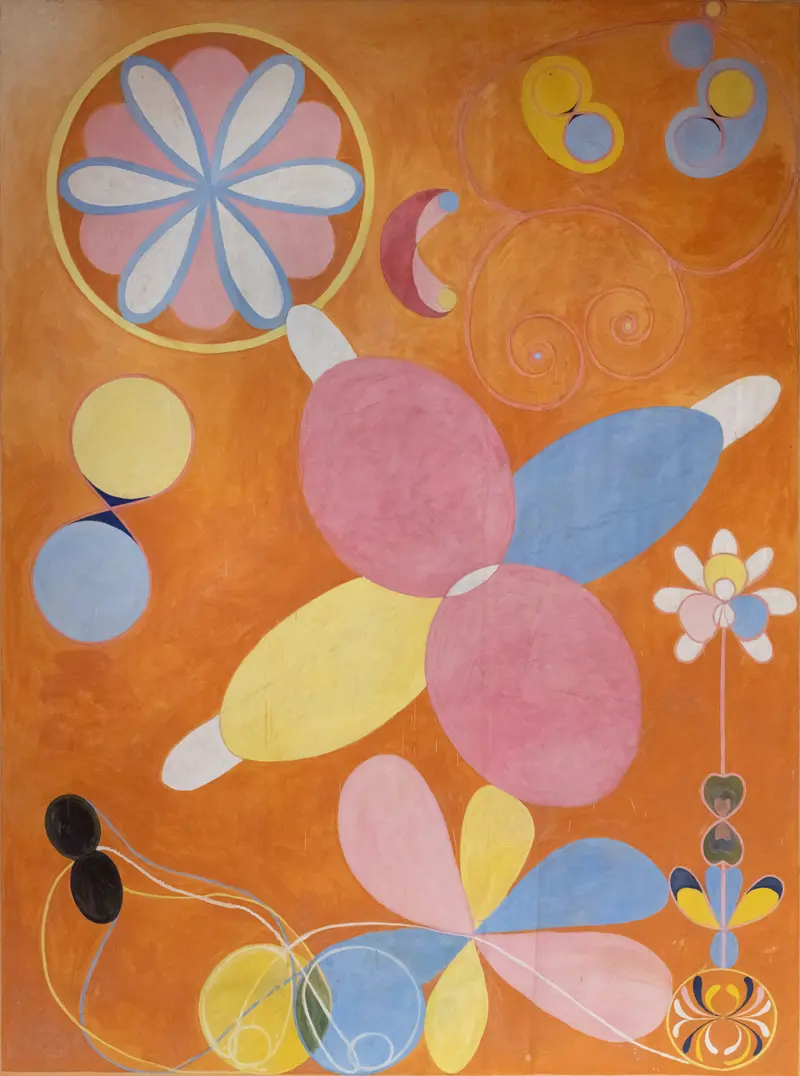
The Ten Largest, No. 4, Youth
Hilma af Klint
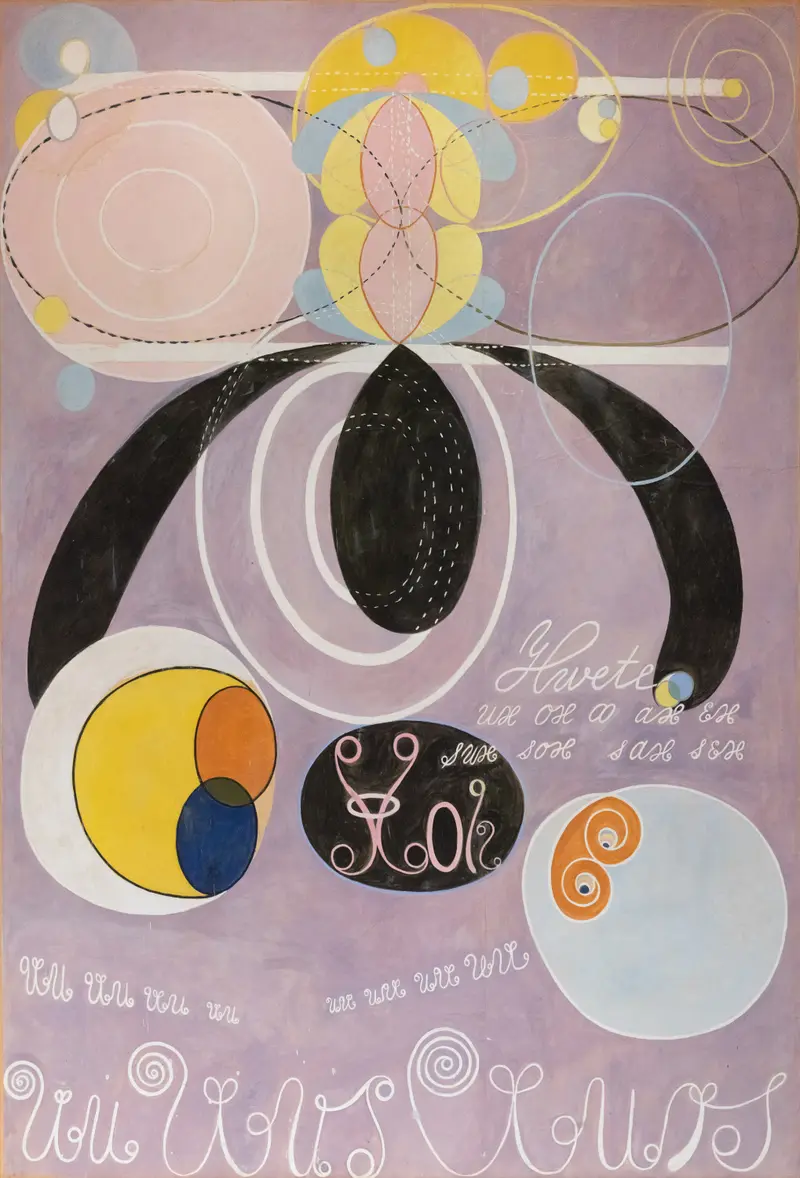
The Ten Largest, No. 6, Adulthood
Hilma af Klint
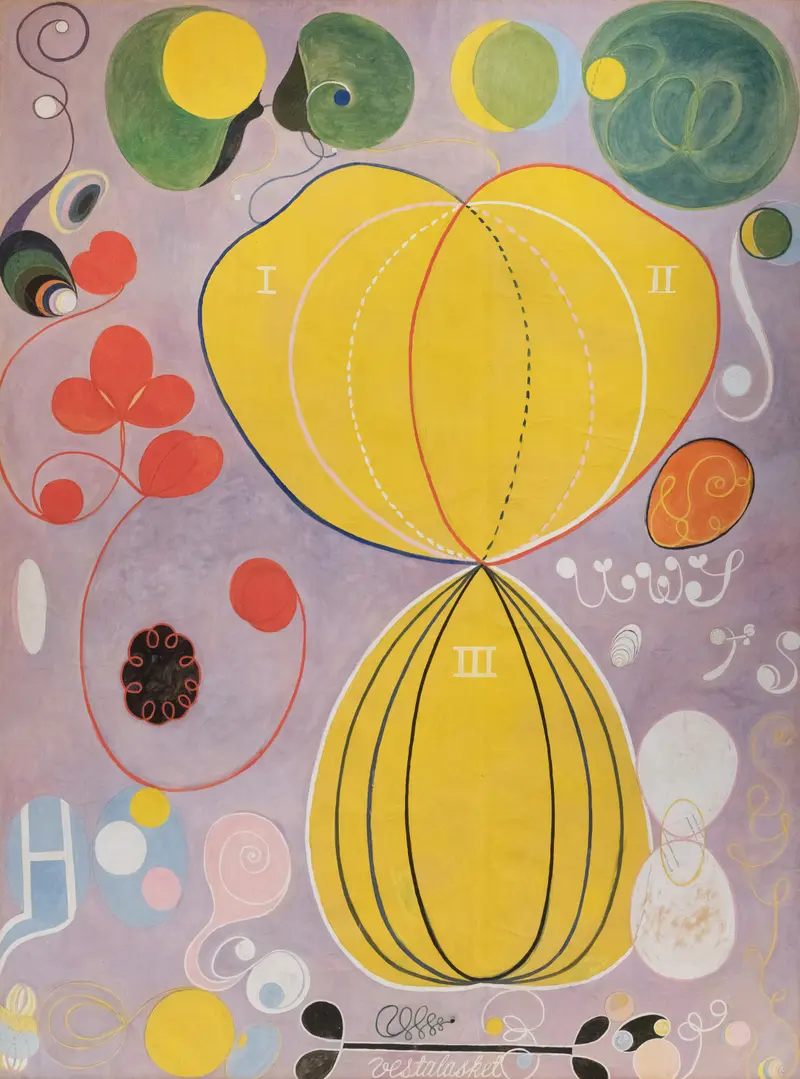
The Ten Largest, No. 7, Adulthood
Hilma af Klint

The Swan, No. 17, Group IX/SUW
Hilma af Klint
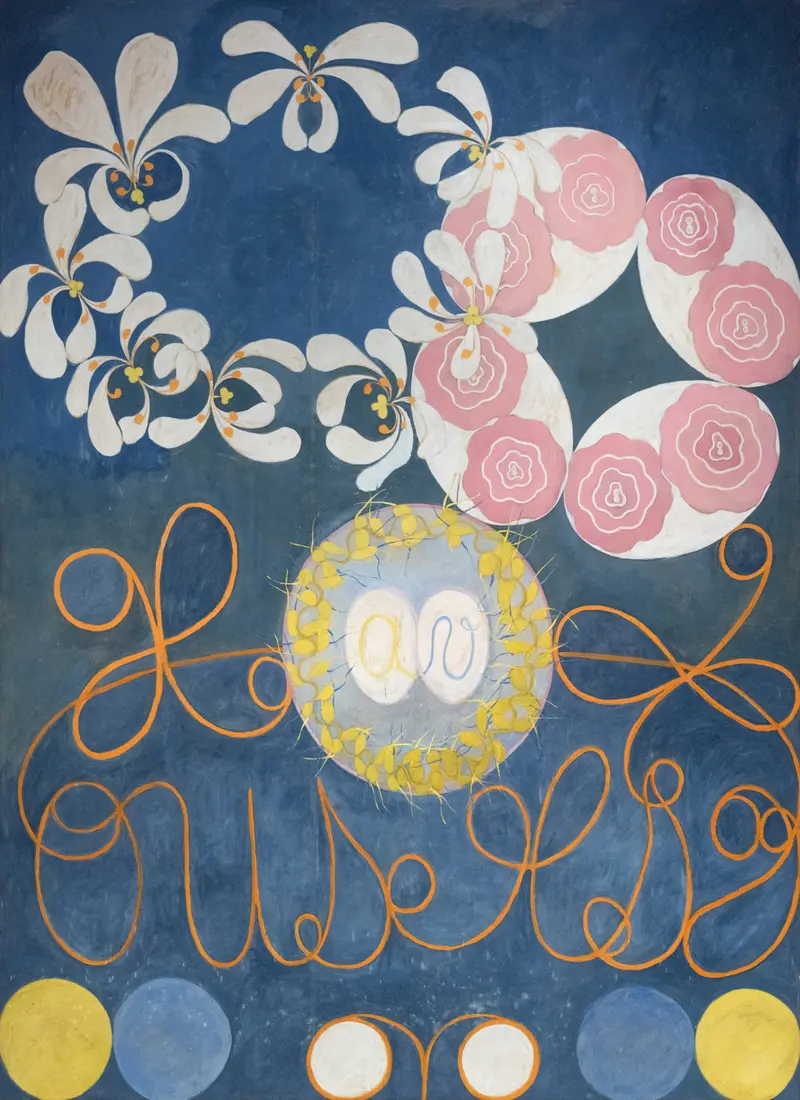
The Ten Largest, No. 1, Childhood
Hilma af Klint
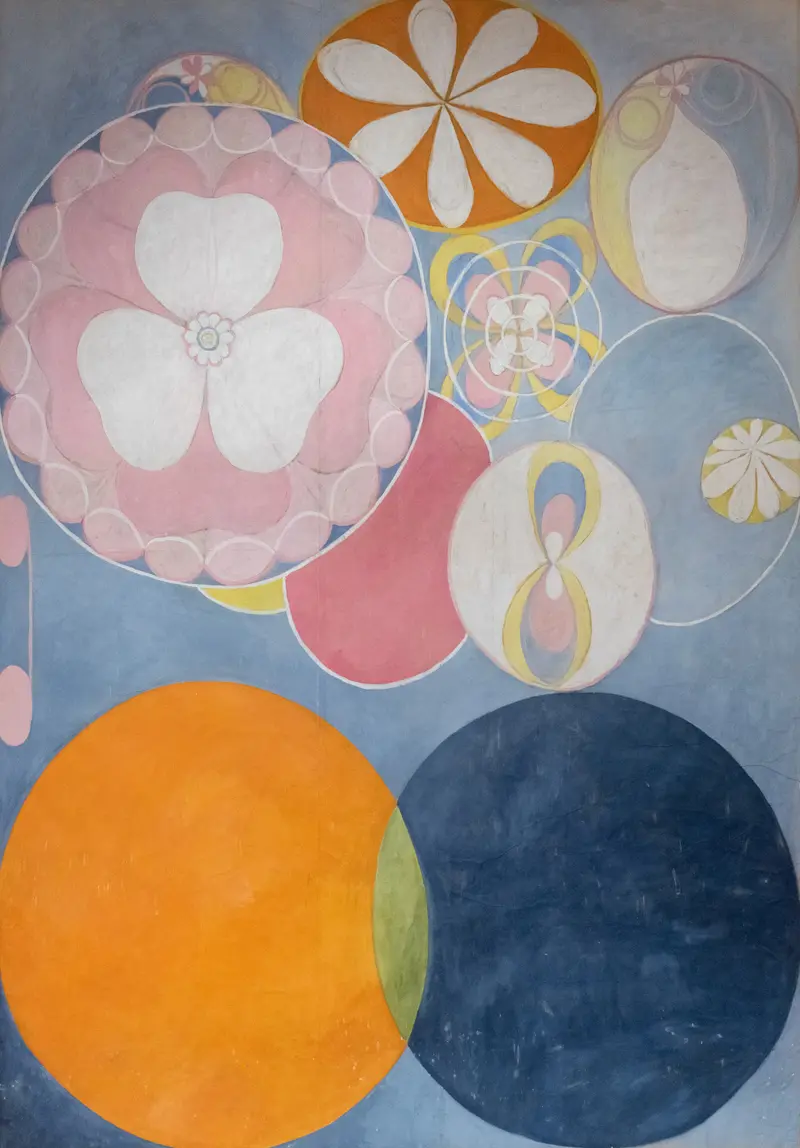
The Ten Largest, No. 2, Childhood
Hilma af Klint
More Landscape Art

Starry Night
Vincent van Gogh

View of Delft
Johannes Vermeer

Water Lilies
Claude Monet

The Grand Canal, Venice, looking north-west from the Ca' Corner to the Ca' Contarini degli Scrigni, with the campanile of Santa Maria della Carità
Canaletto

Windsor Castle
Canaletto

The Grand Canal looking North-East from the Palazzo Dolfin-Manin to the Rialto Bridge
Canaletto