Poppy — History & Facts
What first catches the eye in Poppy is the sheer immediacy of the blossom’s orange-red flare, rising from the page as if freshly plucked from a summer field. The largest flower, fully open and almost audacious in its confidence, draws the gaze into its deep, shadowed heart, where ink and watercolor pool together to create a sense of depth and mystery. Each petal is rendered with a careful layering of transparent washes, their edges ruffled and alive, while the stems twist with a natural, unforced grace.
The pale background, unadorned and almost clinical, serves to heighten the drama of the poppy’s color, making it seem both specimen and marvel. The composition feels both scientific and personal, as if the artist is inviting us to study and to marvel in equal measure. This work comes from the 1890s, a period when botanical illustration was both a scientific necessity and a field for artistic exploration. In Sweden, where Hilma af Klint lived and worked, such studies were often commissioned by universities, naturalists, or collectors eager to catalogue the natural world with precision and beauty.
Yet, the hand here hints at more than documentation: the poppy’s wildness is not tamed, and the play of ink and watercolor suggests an artist attentive to both the facts and the spirit of her subject. Preserved today by the Hilma af Klints stiftelse, this sheet stands as a quiet testament to a time when art and science were kindred pursuits—inviting us, even now, to linger over the details and imagine the world that produced such careful wonder.
More Artworks by Hilma af Klint

Portrait
Hilma af Klint
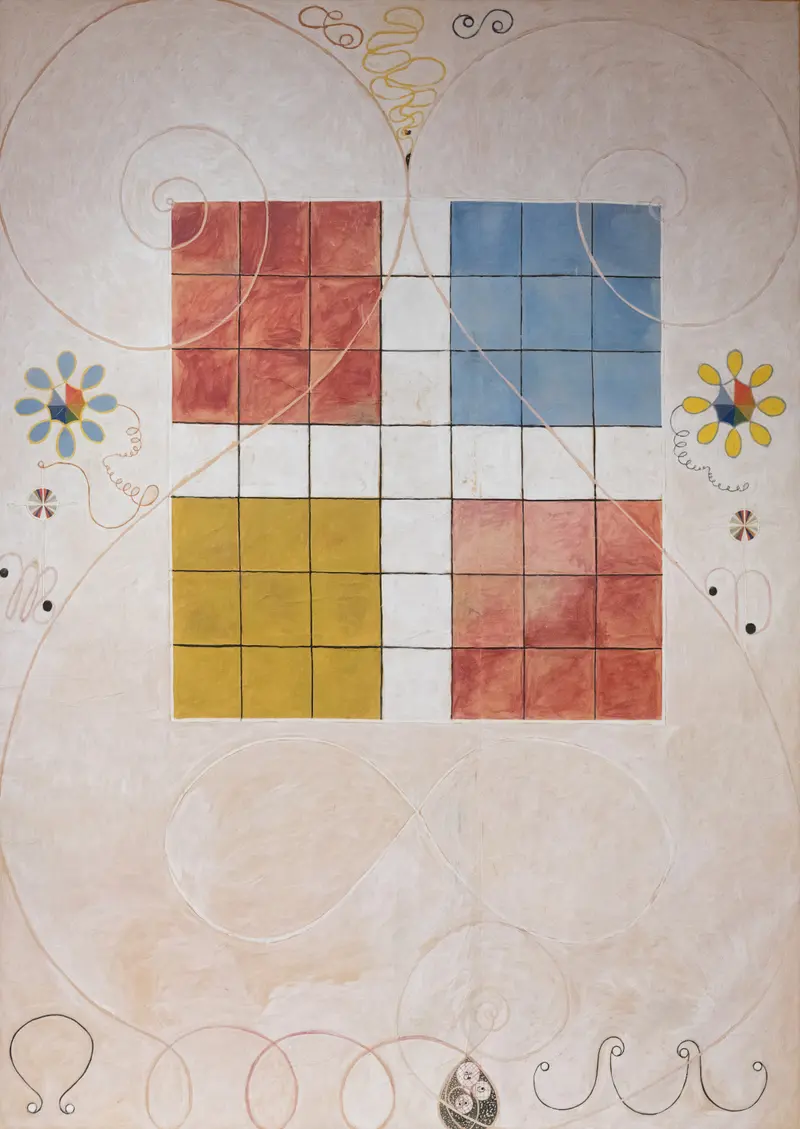
The Ten Largest, No. 10, Old Age
Hilma af Klint
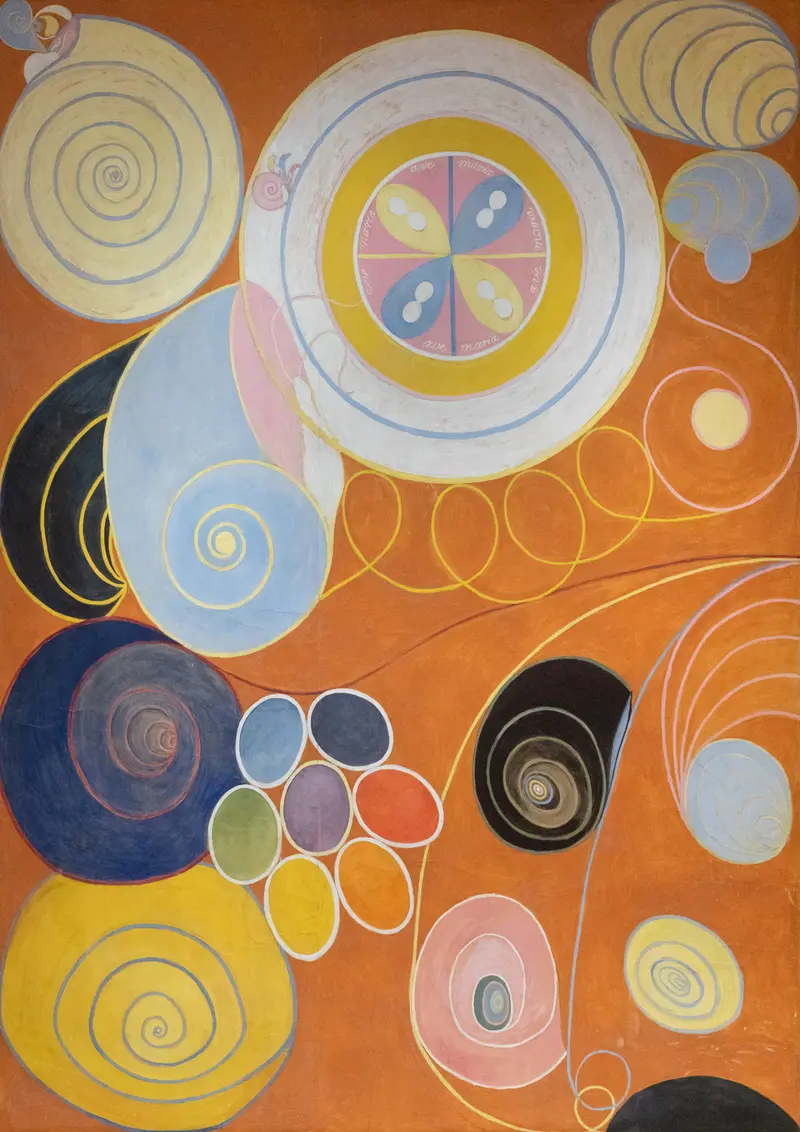
The Ten Largest, No. 3, Youth
Hilma af Klint
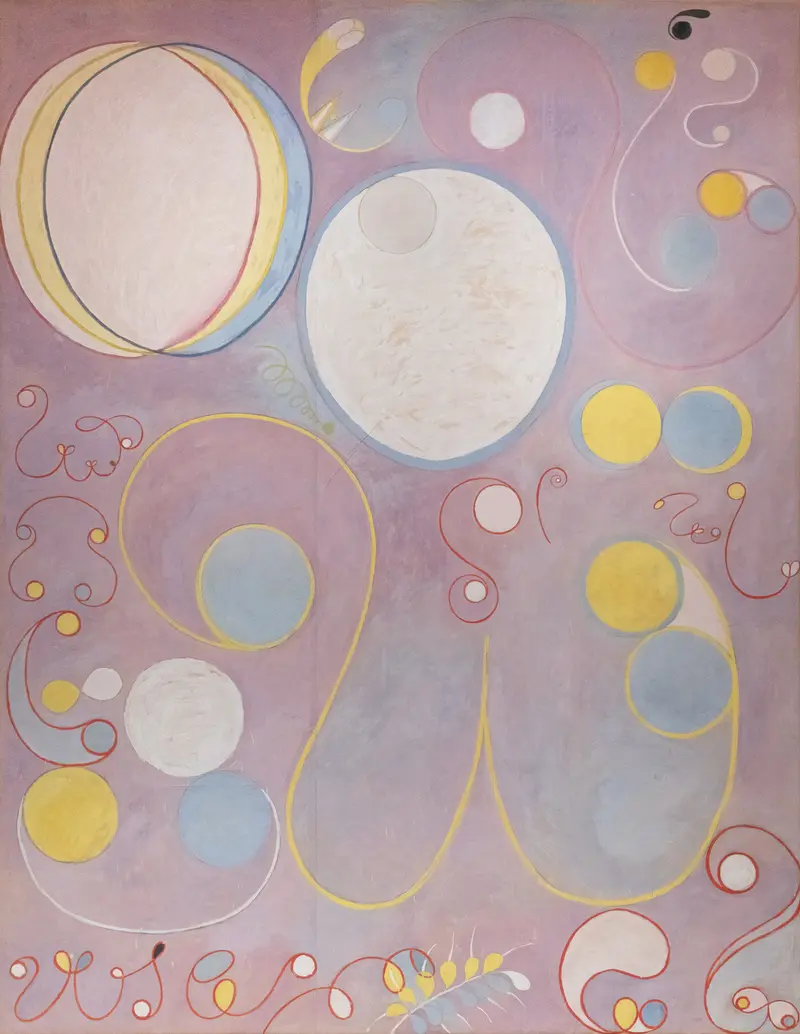
The Ten Largest, No. 8, Adulthood
Hilma af Klint
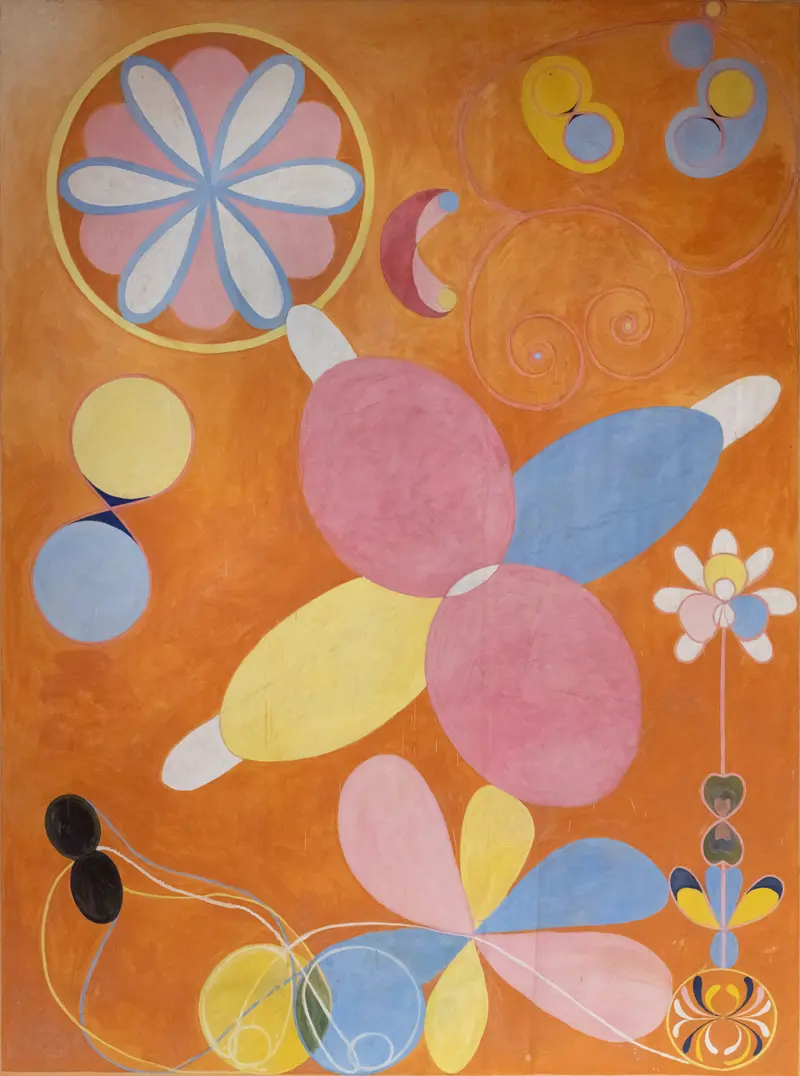
The Ten Largest, No. 4, Youth
Hilma af Klint
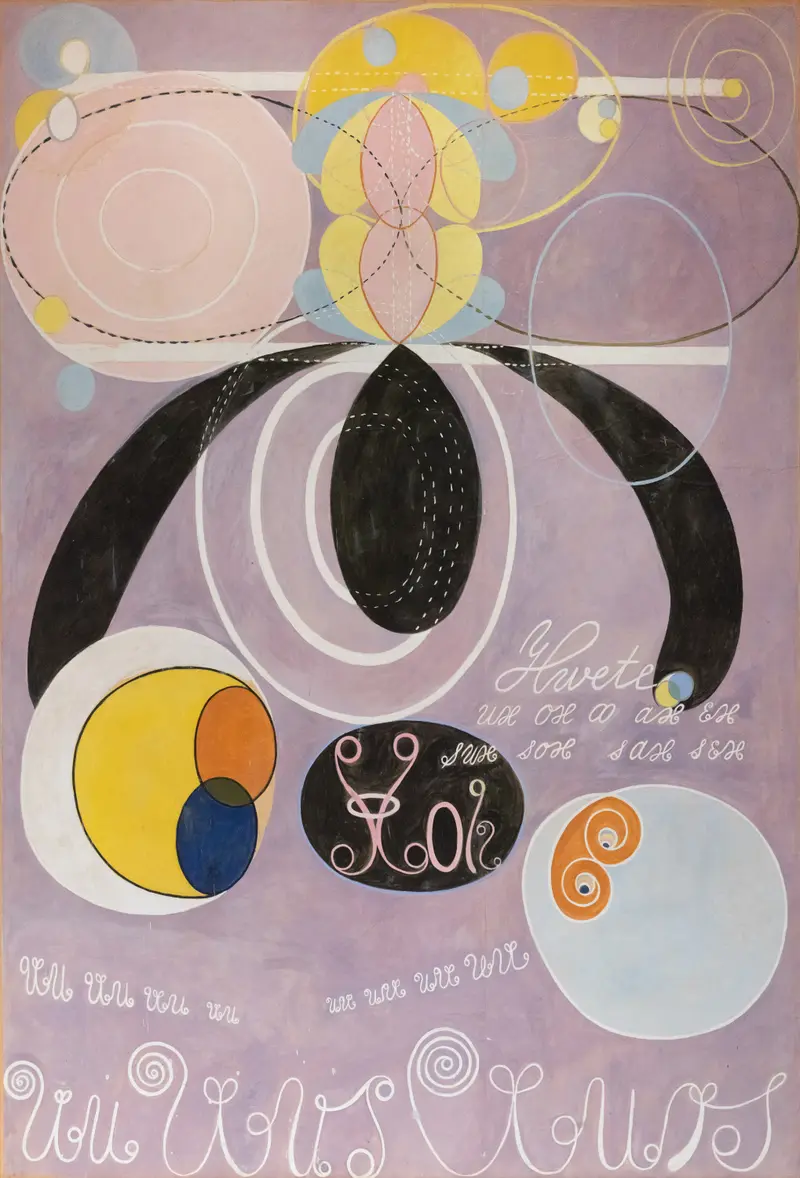
The Ten Largest, No. 6, Adulthood
Hilma af Klint
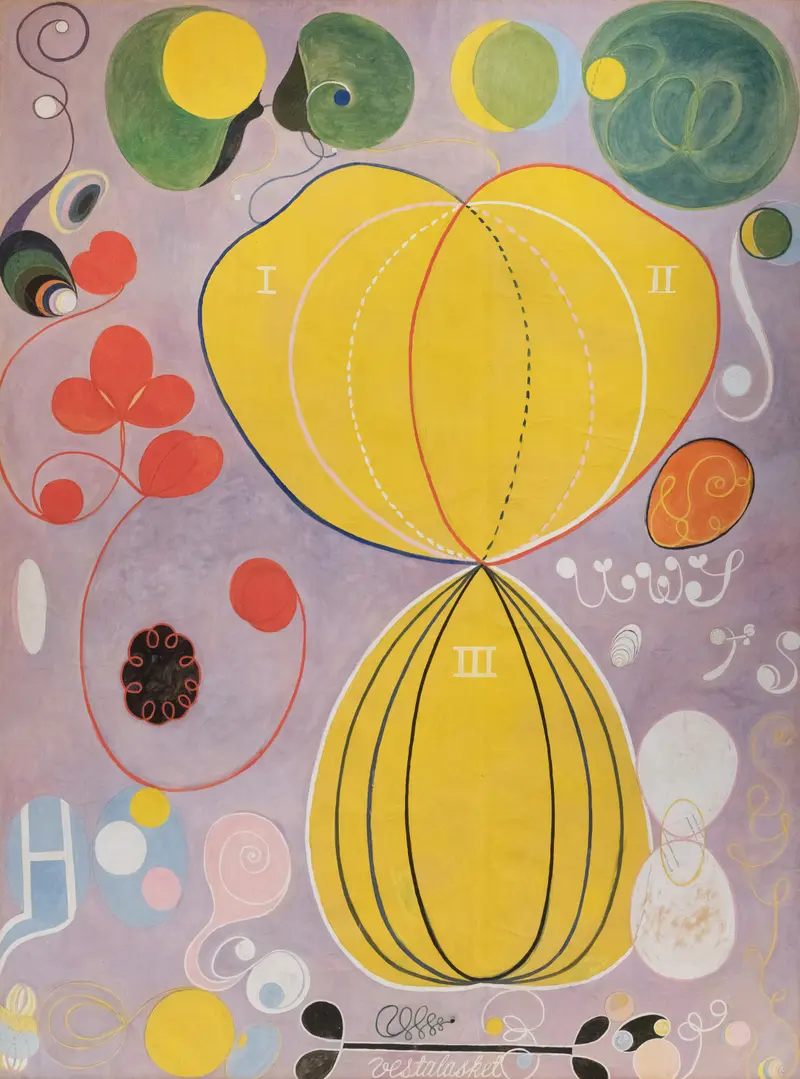
The Ten Largest, No. 7, Adulthood
Hilma af Klint

The Swan, No. 17, Group IX/SUW
Hilma af Klint
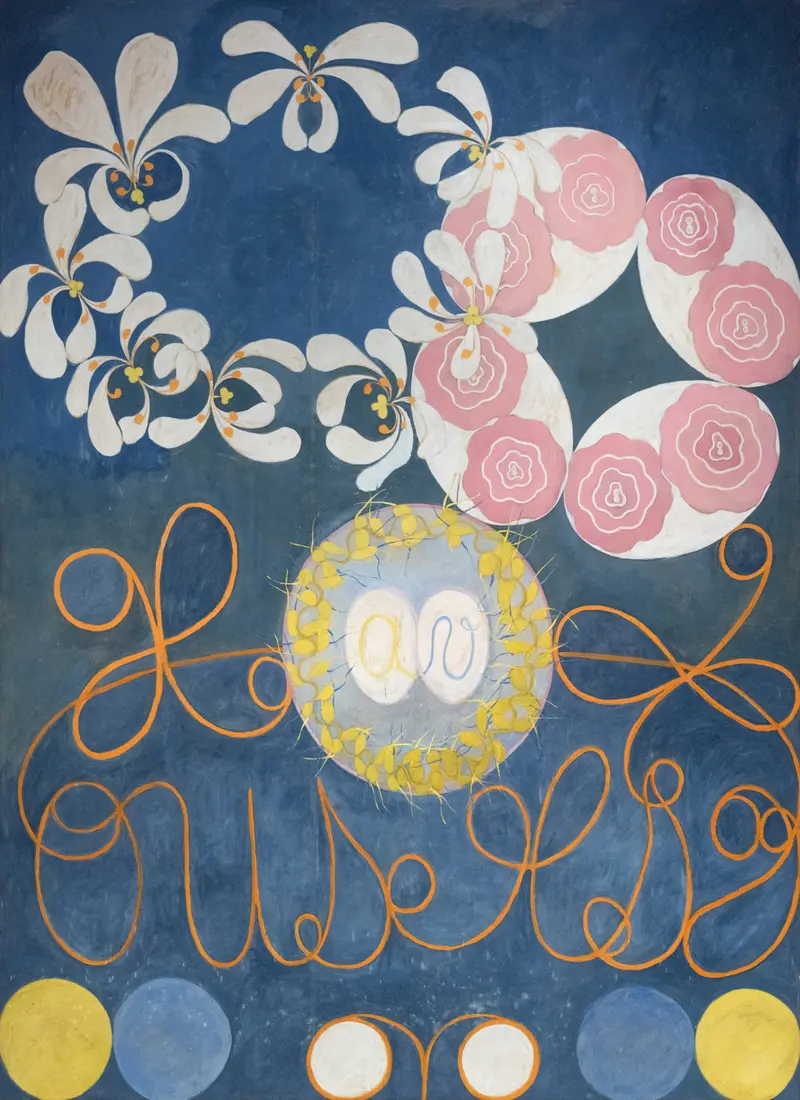
The Ten Largest, No. 1, Childhood
Hilma af Klint
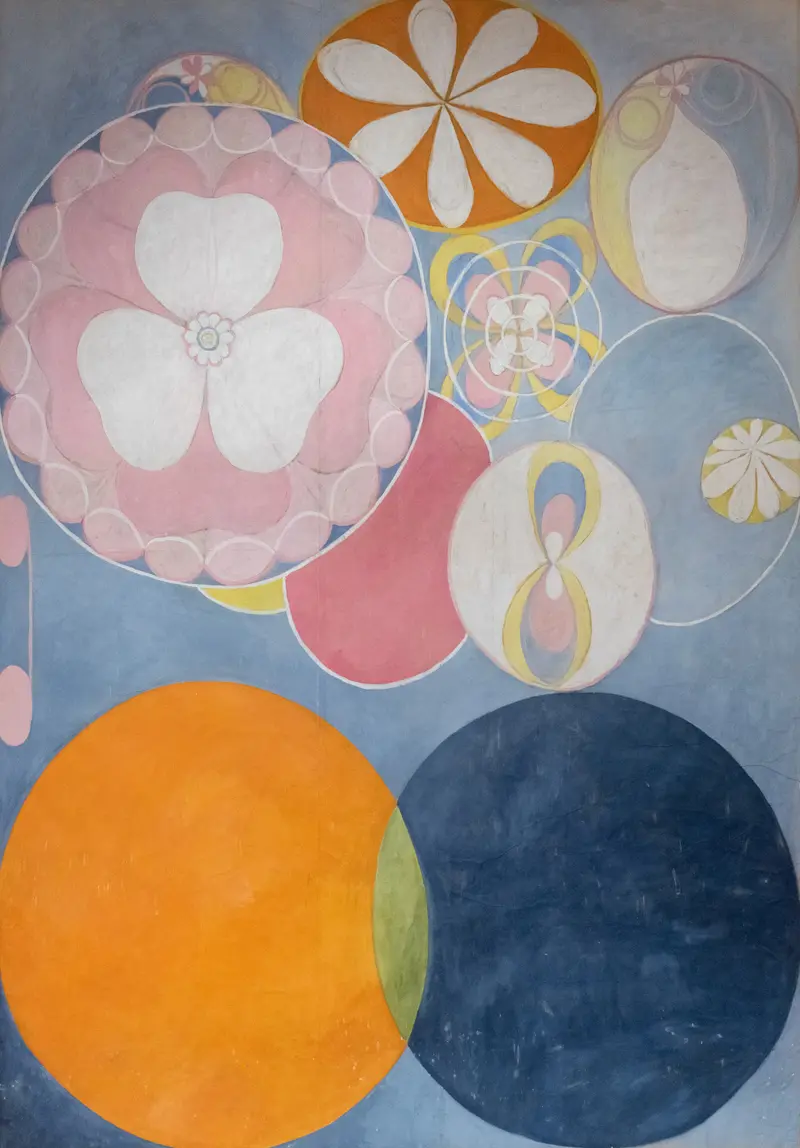
The Ten Largest, No. 2, Childhood
Hilma af Klint