
Farmhouse — History & Facts
What draws the eye first in Farmhouse by Hilma af Klint is the way sunlight glances off the red-tiled roof, anchoring the quiet geometry of the house against a haze of green and blue. The brushwork is brisk and lively, especially in the riot of lilac bushes that nearly swallow the lower walls, their cool tones setting off the warmth of the roof above. A solitary figure stands near the hedge, shaded by a parasol—an almost incidental presence, yet she gives the scene its sense of scale and gentle narrative.
The garden in the foreground, with its scattered orange and red blooms, creates a sense of depth and lived-in order, while the loose handling of paint in the sky and foliage keeps the mood light and immediate. This is a world observed in a moment of stillness, where the ordinary becomes quietly luminous. Painted in 1891, this small oil on wood belongs to the tradition of late 19th-century Scandinavian landscape painting, a genre that often celebrated the rural and domestic as a counterpoint to the rapid urbanization of the era. Works like this were favored by a rising middle class eager to affirm their connection to the countryside, whether as memory, aspiration, or simple pleasure.
Hilma af Klint—later famous for her pioneering abstract works—here shows herself attentive to the everyday poetry of place, long before her spiritual explorations. Now housed in the Östergötlands museum in Linköping, the painting’s modest size and subject invite the viewer to step closer, to notice the play of color and the intimacy of a summer day held fast in paint.
More Artworks by Hilma af Klint

Portrait
Hilma af Klint
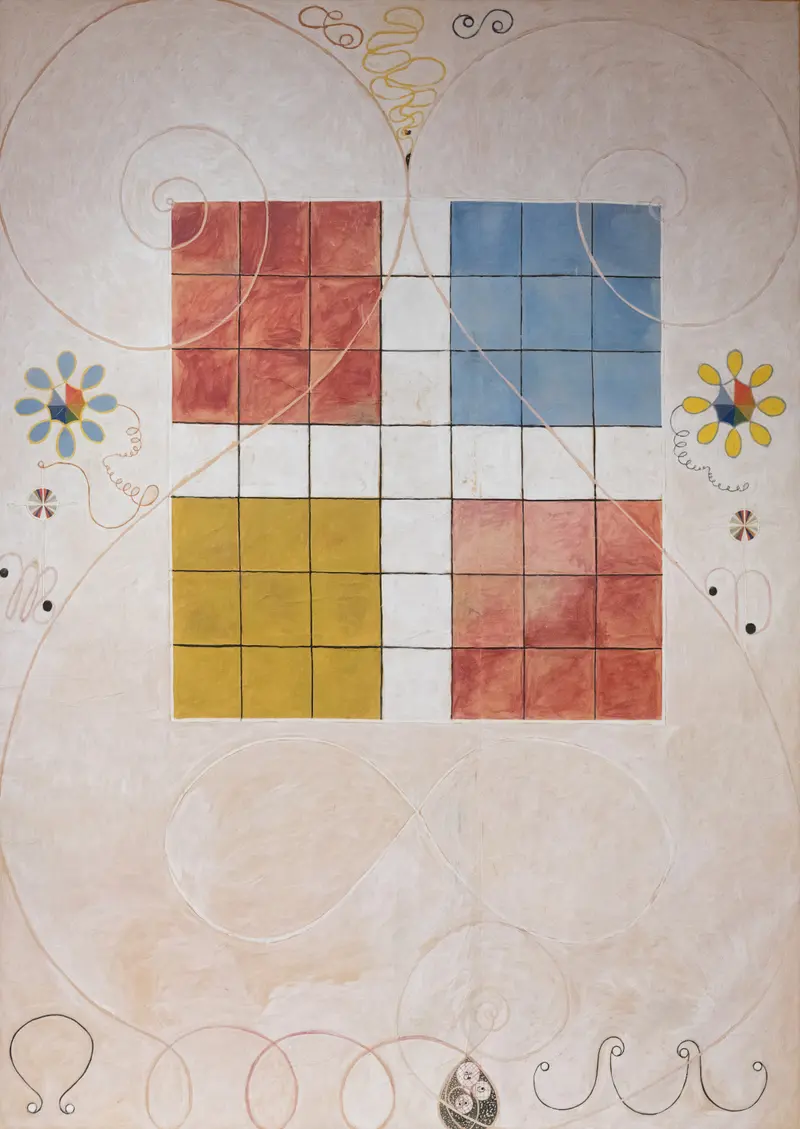
The Ten Largest, No. 10, Old Age
Hilma af Klint
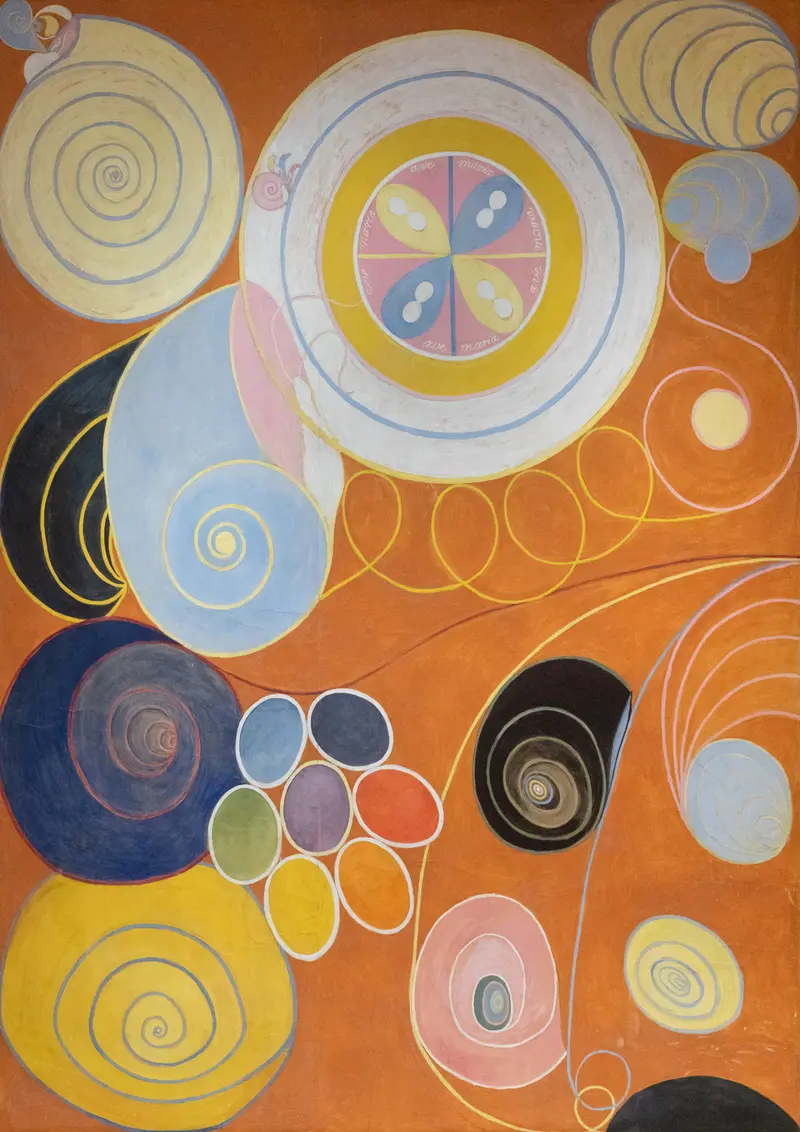
The Ten Largest, No. 3, Youth
Hilma af Klint
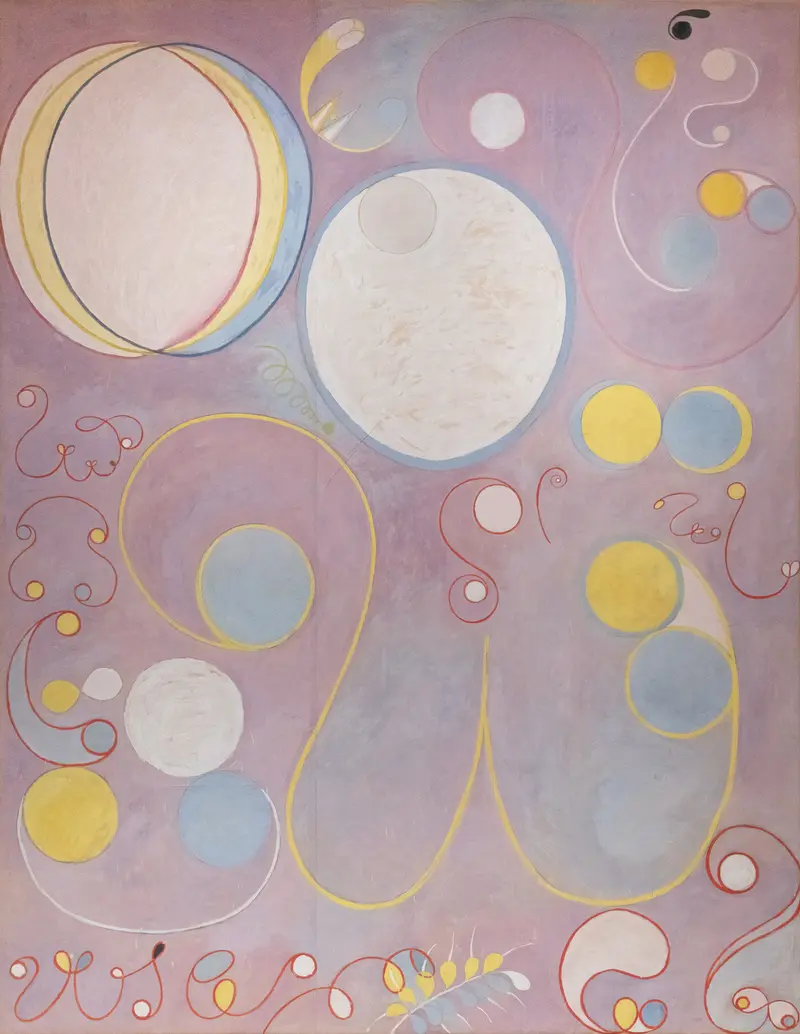
The Ten Largest, No. 8, Adulthood
Hilma af Klint
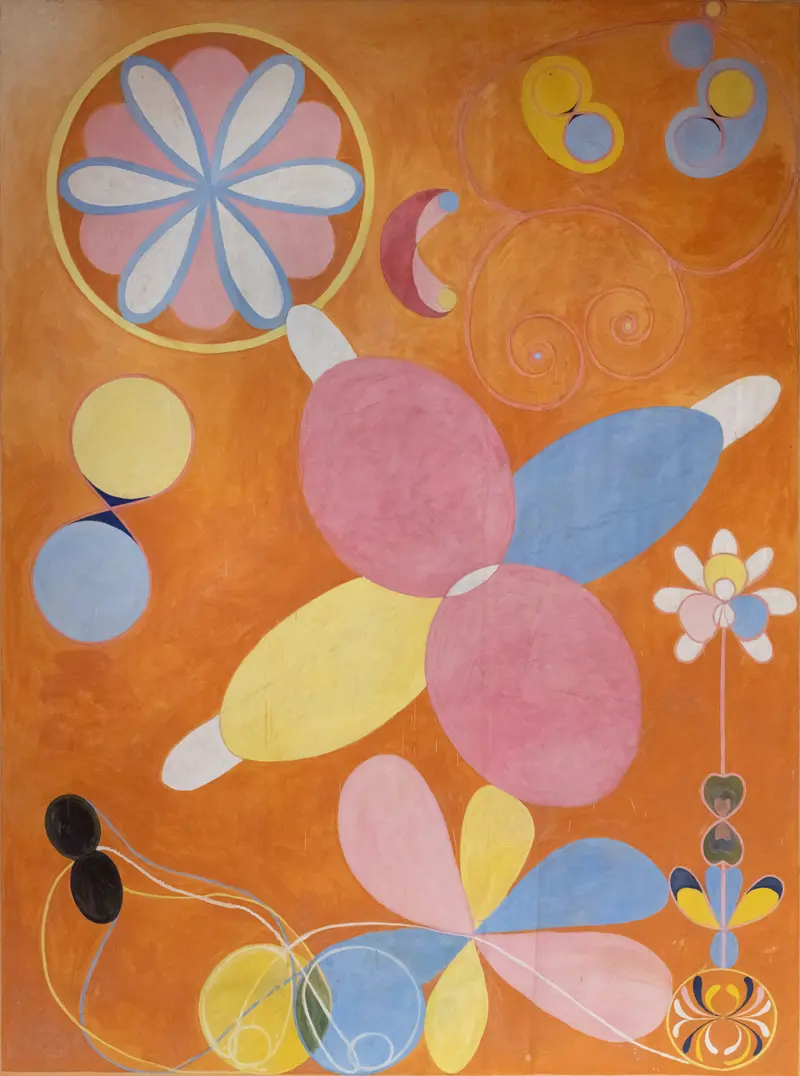
The Ten Largest, No. 4, Youth
Hilma af Klint
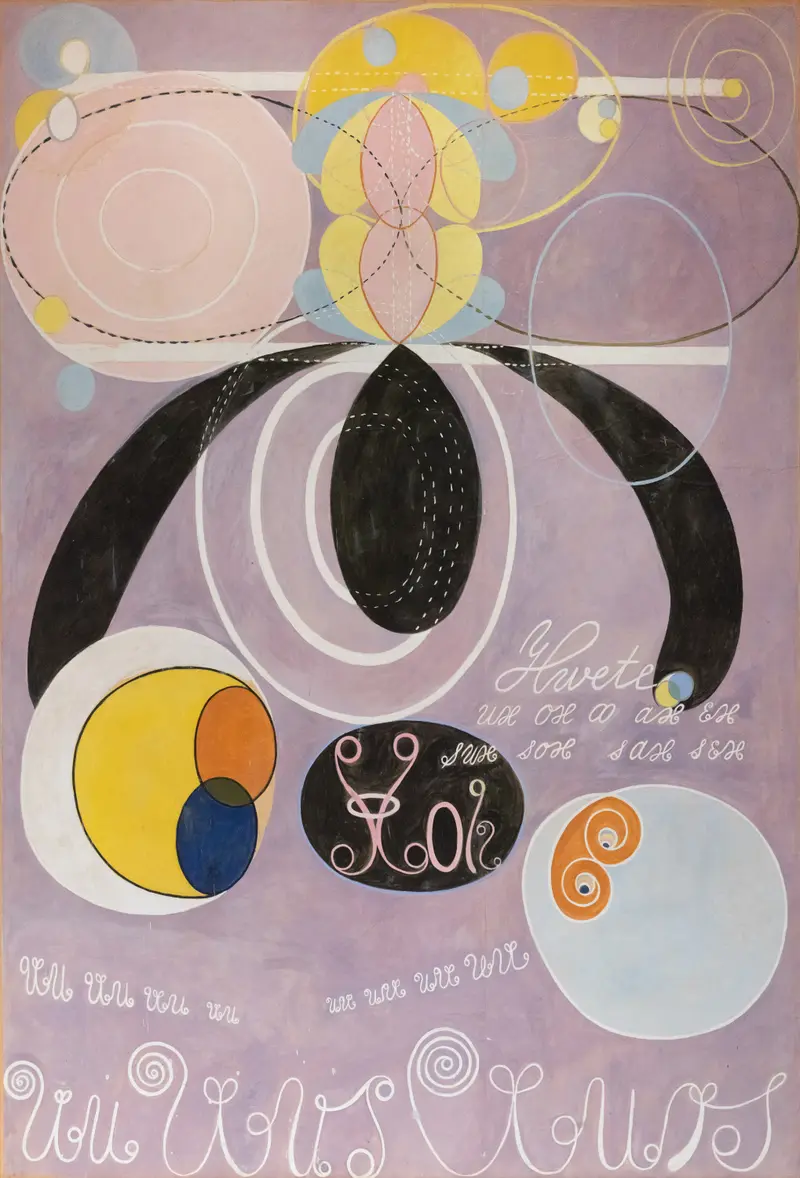
The Ten Largest, No. 6, Adulthood
Hilma af Klint
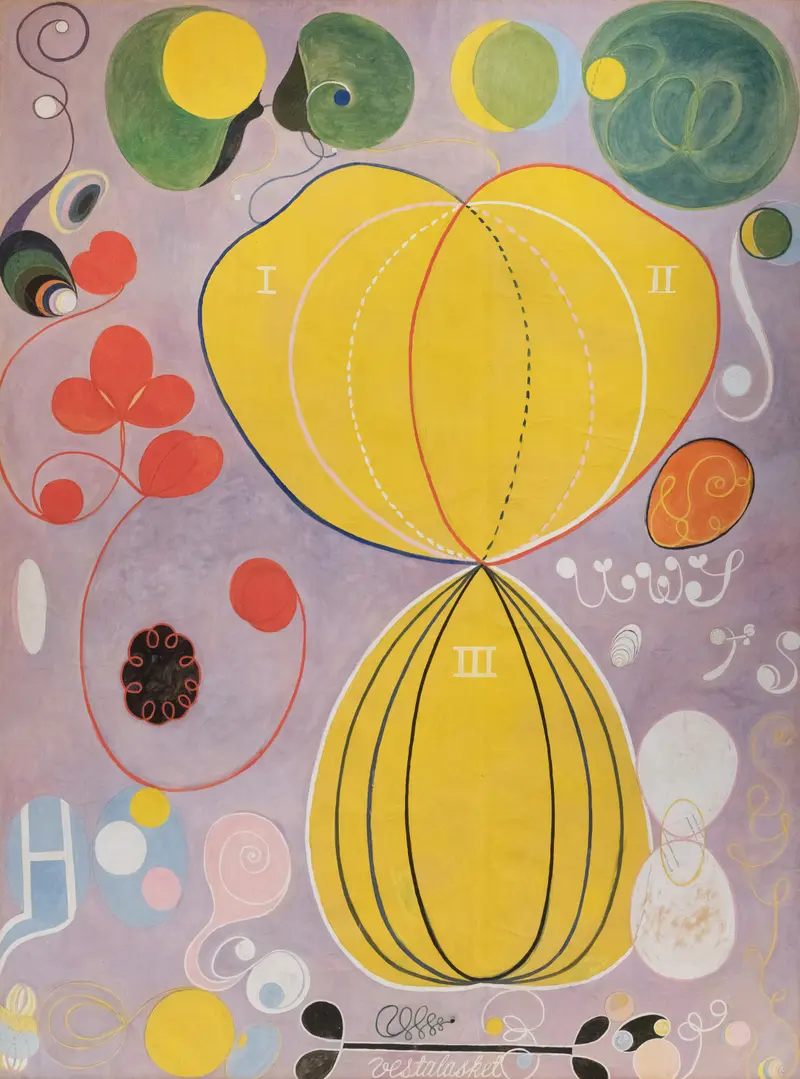
The Ten Largest, No. 7, Adulthood
Hilma af Klint

The Swan, No. 17, Group IX/SUW
Hilma af Klint
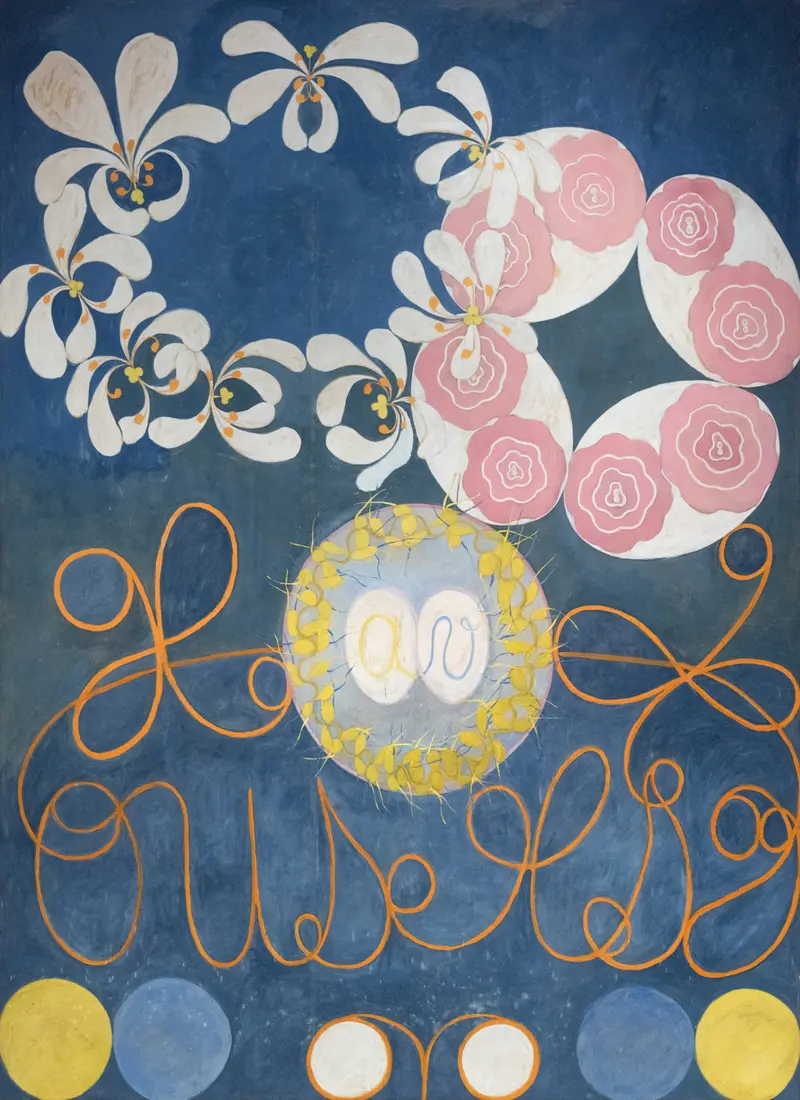
The Ten Largest, No. 1, Childhood
Hilma af Klint
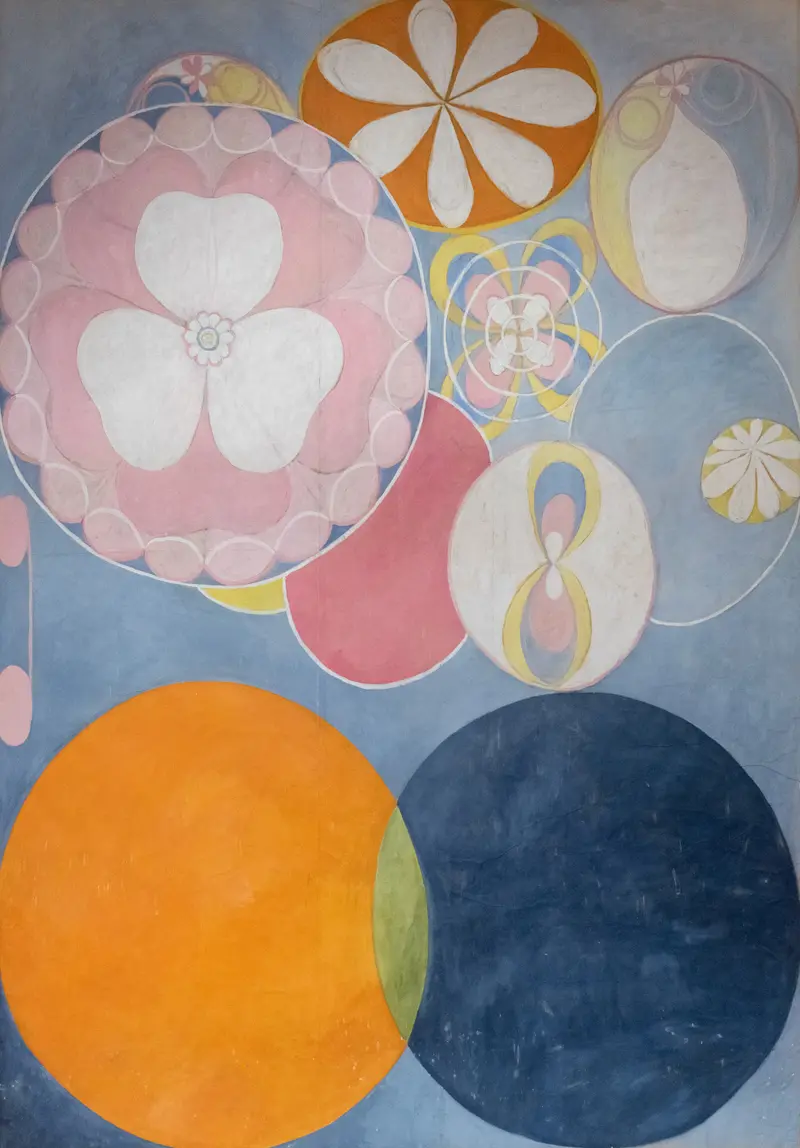
The Ten Largest, No. 2, Childhood
Hilma af Klint
More Landscape Art

The Starry Night
Vincent van Gogh

View of Delft
Johannes Vermeer

Water Lilies
Claude Monet

The Grand Canal, Venice, looking north-west from the Ca' Corner to the Ca' Contarini degli Scrigni, with the campanile of Santa Maria della Carità
Canaletto

Windsor Castle
Canaletto

The Grand Canal looking North-East from the Palazzo Dolfin-Manin to the Rialto Bridge
Canaletto