
A Boy bringing Home a sick Lamb — History & Facts
What pulls the viewer in first is the shaft of warm light falling across the rough-hewn interior, drawing all eyes to the small drama at its heart: a boy, still in his outdoor clothes, presenting a limp lamb to the watchful, anxious figures of his family. The lamb’s pale fleece catches the light, making it the silent center of the scene, while the boy’s posture—half-hopeful, half-weary—suggests both urgency and care. Around him, the room is crowded with the textures of rural life: drying laundry overhead, a pot suspended above the hearth, shelves lined with simple vessels.
The brushwork is loose but purposeful, suggesting the smoky, lived-in air of the cottage and the closeness of the family’s world. Painted in 1864, A Boy bringing Home a sick Lamb belongs to a period when artists across Europe turned with new attention to the everyday realities of rural people. In Norway, where Adolph Tidemand made his name, such images were more than sentimental: they were part of a national project, celebrating the endurance and dignity of country life at a time of social change. Works like this, now in the National Museum of Art, Architecture and Design, offered urban viewers a window into a world both familiar and distant, where small acts of care—like the rescue of a sick animal—stood for larger values of kinship and perseverance.
The painting invites us to linger, to search out each gesture and shadow, and to imagine the quiet stories unfolding around the fire.
More Artworks by Adolph Tidemand

Bridal Procession on the Hardangerfjord
Adolph Tidemand
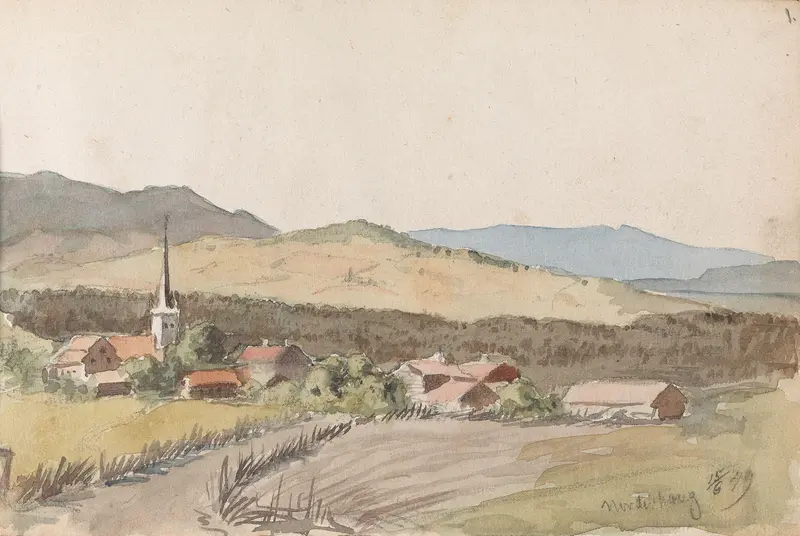
Fra Haugsbygd
Adolph Tidemand
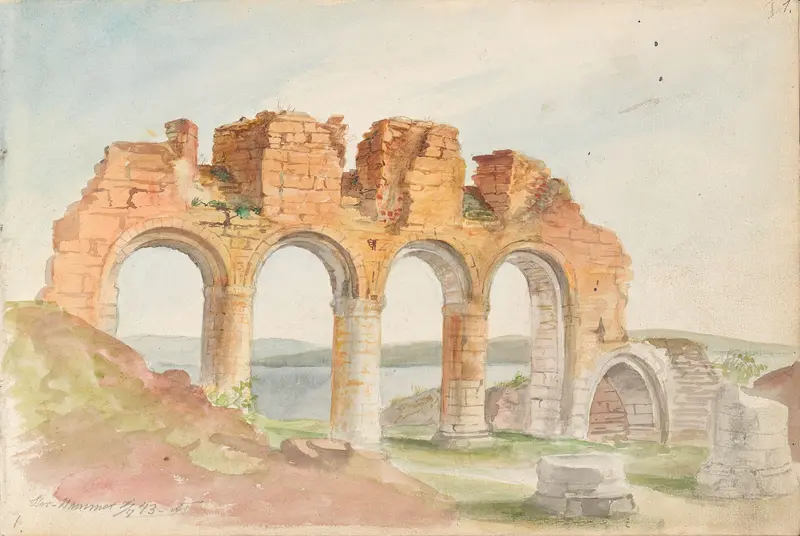
Domkirkeruinen, Hamar
Adolph Tidemand
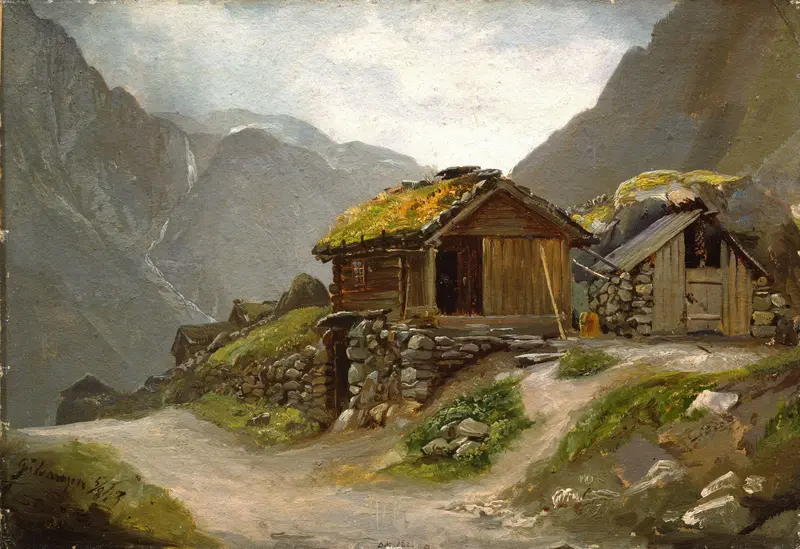
View from Gudvangen
Adolph Tidemand
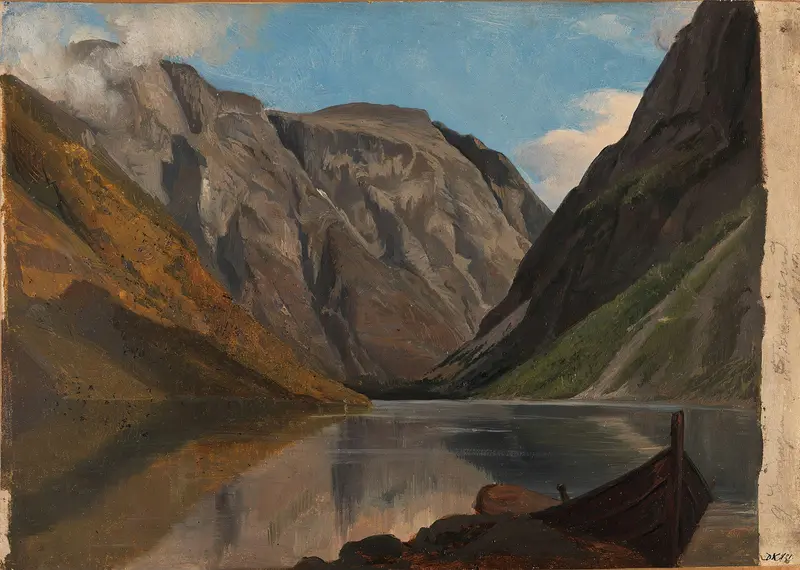
View of Gudvangen
Adolph Tidemand
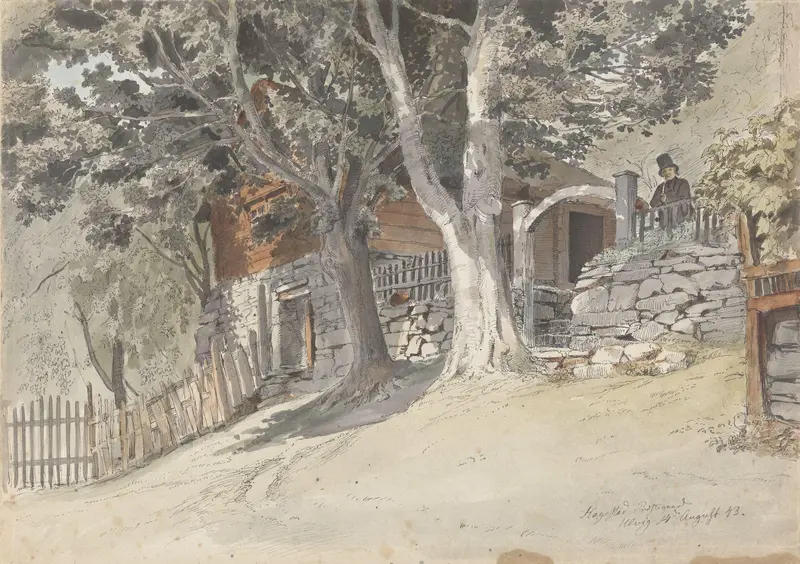
Hagestad prestegård, Ulvik i Hardanger
Adolph Tidemand
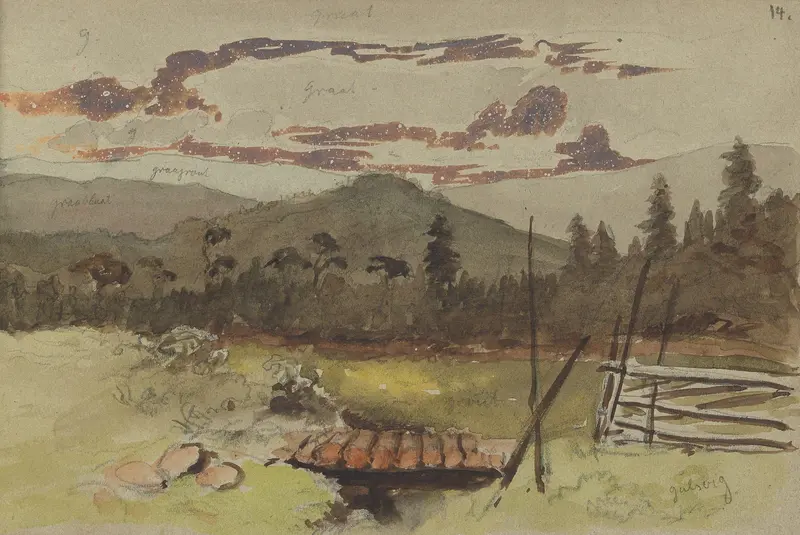
Fra Gulsvik
Adolph Tidemand
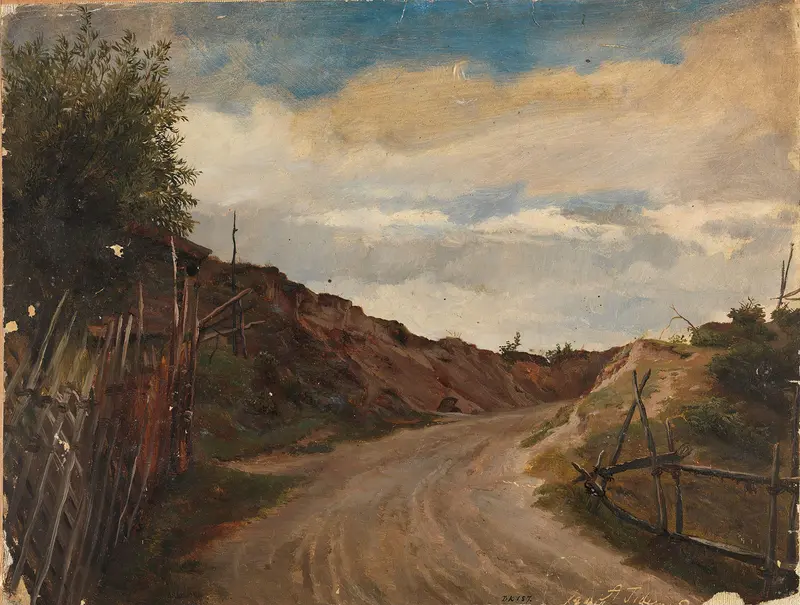
Country Road
Adolph Tidemand
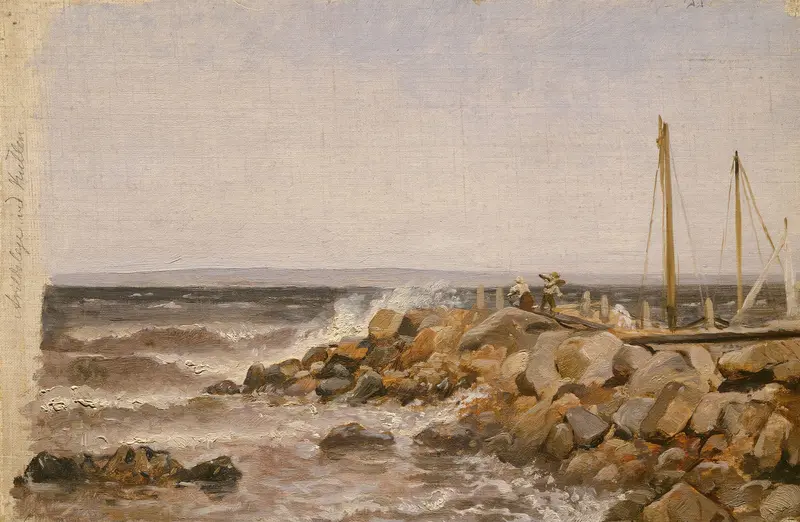
From Kullen in Sweden
Adolph Tidemand
Untitled
Adolph Tidemand
More Genre Scene Art

Banquet of the Officers of the St George Civic Guard
Frans Hals

Rembrandt and Saskia in the Scene of the Prodigal Son
Rembrandt van Rijn

Bal du moulin de la Galette
Pierre-Auguste Renoir

Quadrille at the Moulin Rouge
Henri de Toulouse-Lautrec

A Burial at Ornans
Gustave Courbet

When Will You Marry?
Paul Gauguin