
A Boy in a Red-lined Cloak — History & Facts
When A Boy in a Red-lined Cloak first appeared in Parisian circles around 1780, it was immediately recognized as a departure from the grand mythological and rococo fantasies that had made Jean-Honoré Fragonard famous. Instead of frolicking lovers or lush garden scenes, here was a solitary boy, his gaze both direct and enigmatic, wrapped in a cloak whose vivid lining seemed almost to glow. The painting’s subject and purpose remain a mystery; no commission is recorded, and scholars still debate whether the boy was a real sitter or an idealized figure.
This ambiguity has fueled centuries of speculation, making the work a favorite among those who seek hidden stories in portraiture. The boy stands at the edge of shadow, his face illuminated by a gentle, diffused light that draws the viewer into his world. The red lining of his cloak bursts forth against the muted background, a visual anchor that both frames and protects him, suggesting a sense of importance or inner fire. His expression is alert yet reserved, lips slightly parted as if caught in a moment of thought or speech.
Unlike the formal, stiff portraits of the era, Fragonard imbues his subject with a sense of immediacy and warmth, reminiscent of the informal studies by Jean-Baptiste Greuze, yet with a lighter, more playful touch. The absence of overt symbolism or attributes leaves the interpretation open, inviting viewers to imagine the boy’s story for themselves. As with many works by Fragonard from his later years, the provenance of A Boy in a Red-lined Cloak is uncertain. There is no surviving record of its first owner, and the painting’s medium—possibly oil on canvas or panel—remains unconfirmed.
It likely remained in private hands for much of its existence, surfacing in various European collections before entering the public eye in the twentieth century. Today, it stands as a testament to Fragonard’s versatility and his ability to capture fleeting expressions, marking a quiet yet significant shift from the exuberance of the Rococo to the more introspective mood that would soon define French art.
More Artworks by Jean-Honoré Fragonard
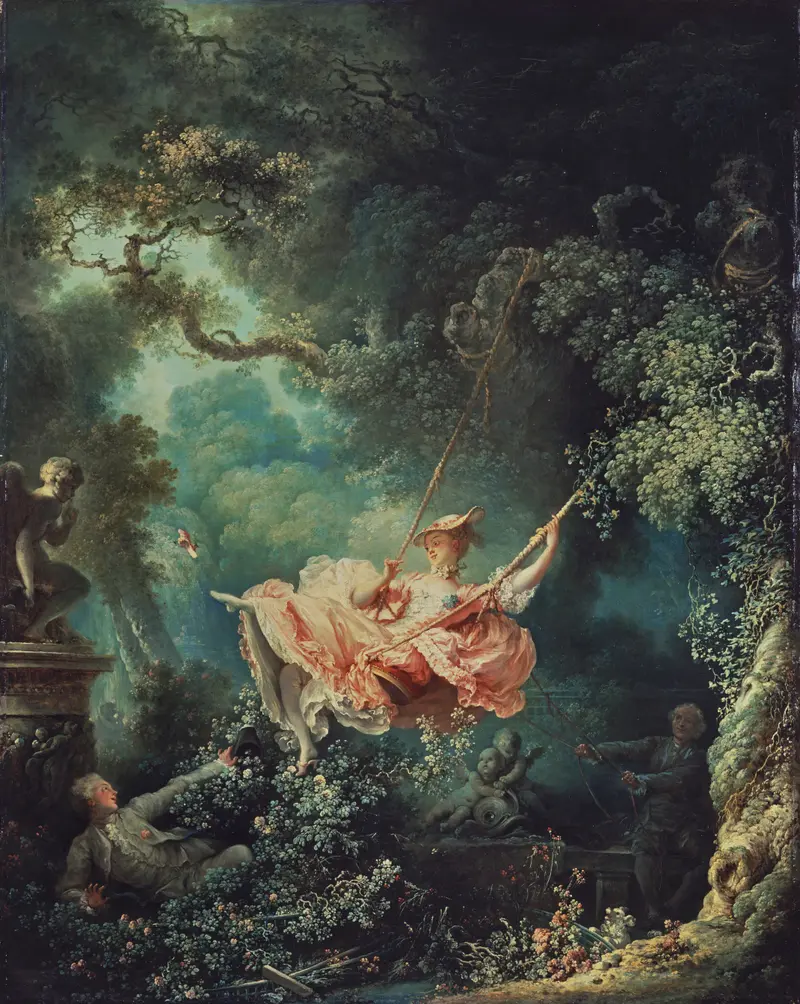
The Swing
Jean-Honoré Fragonard

The Swing
Jean-Honoré Fragonard
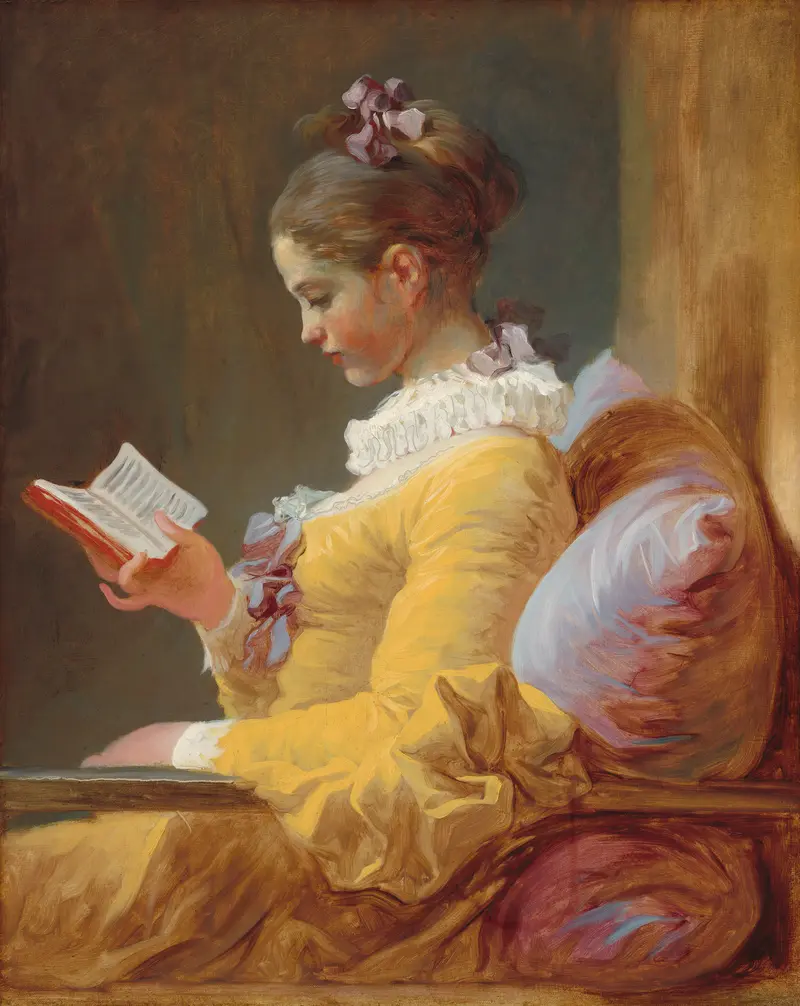
A Young Girl Reading
Jean-Honoré Fragonard
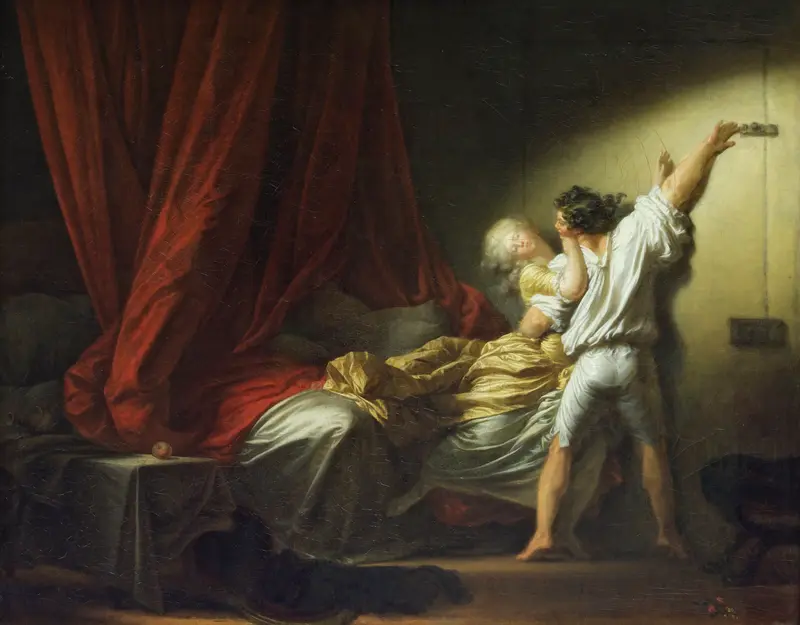
The Lock
Jean-Honoré Fragonard
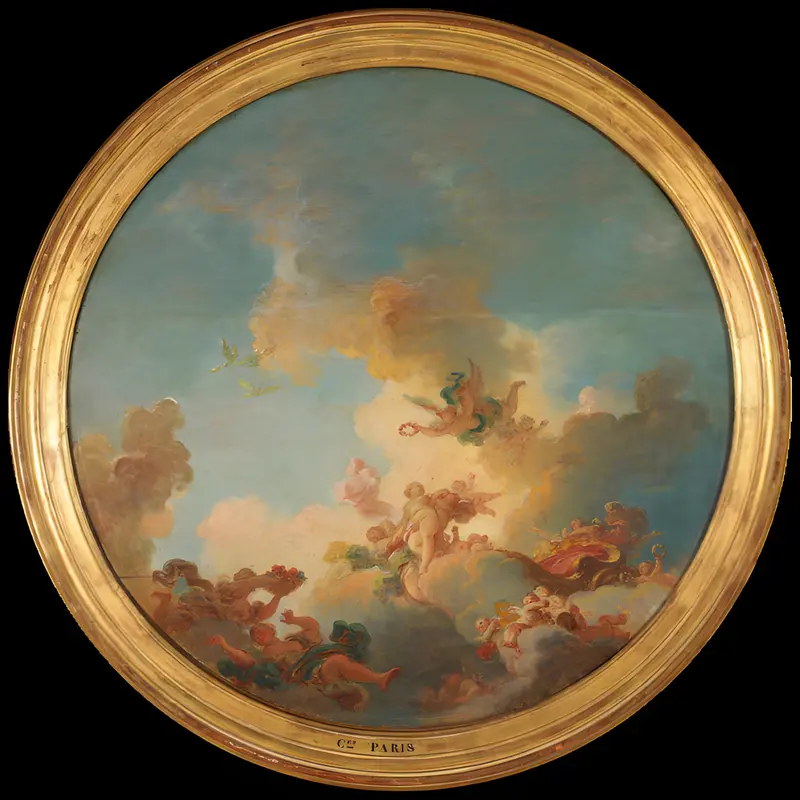
The Triumph of Venus
Jean-Honoré Fragonard
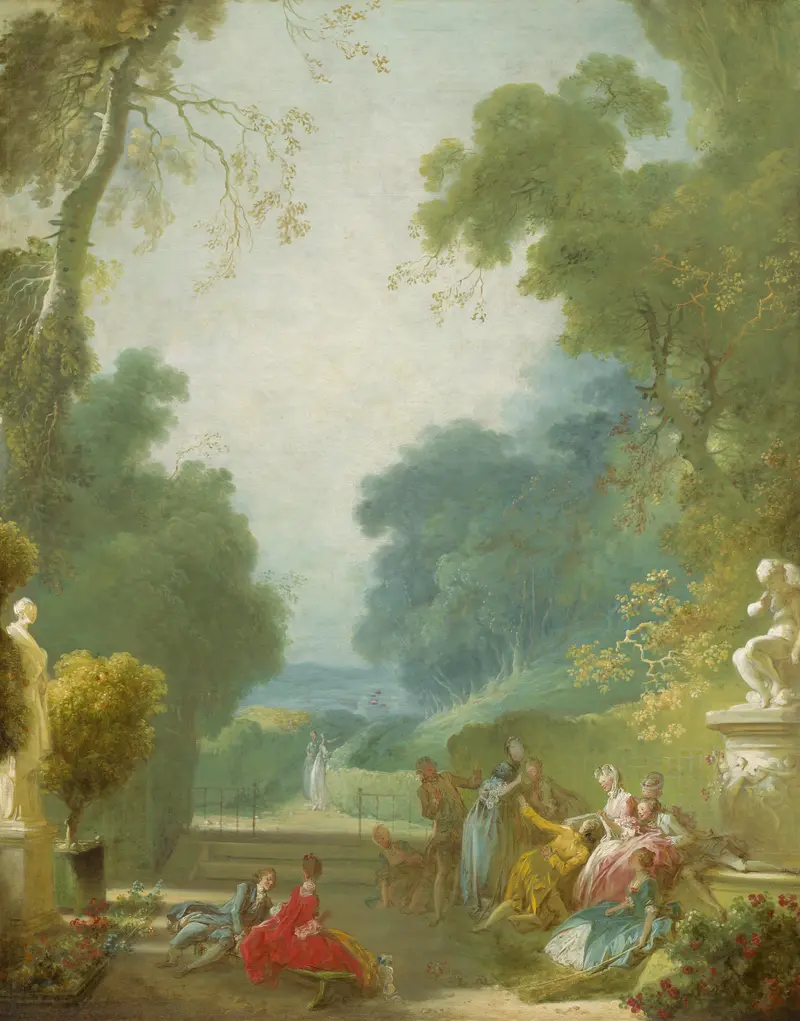
A Game of Hot Cockles
Jean-Honoré Fragonard
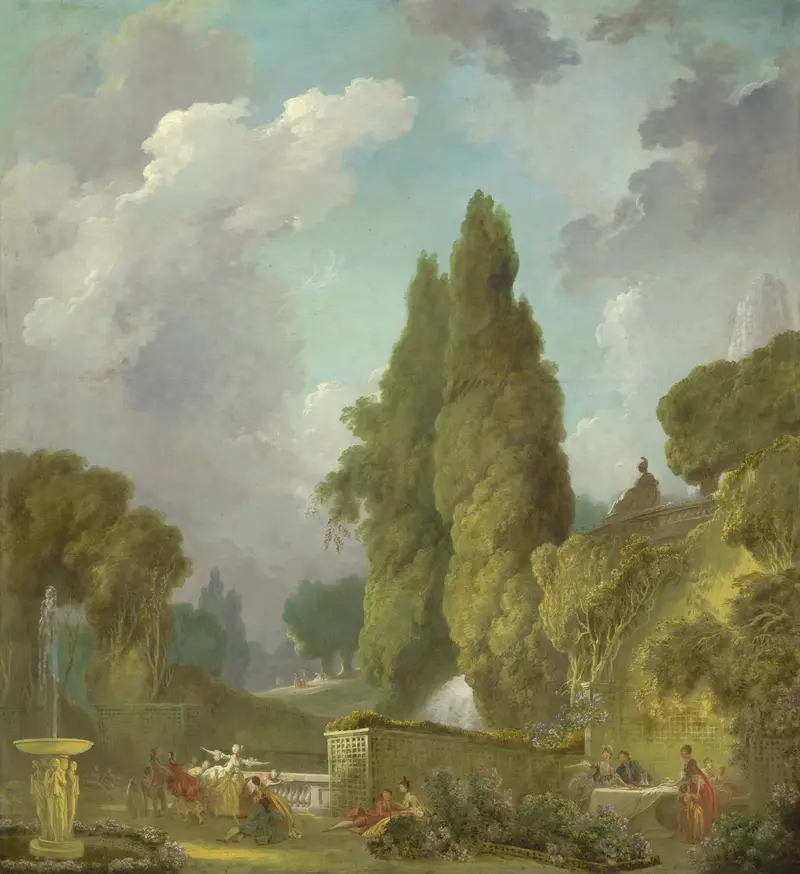
Blindman’s Buff
Jean-Honoré Fragonard
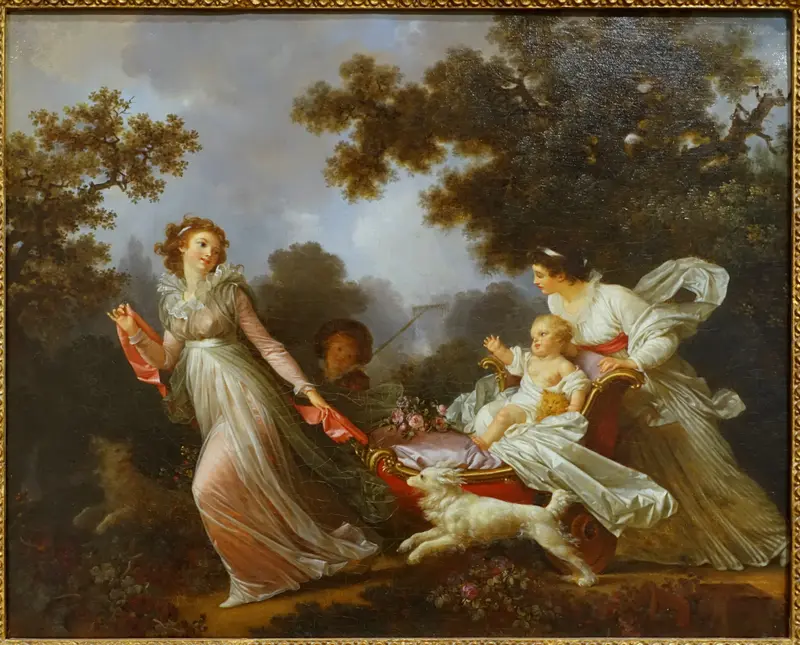
The Beloved Child
Jean-Honoré Fragonard
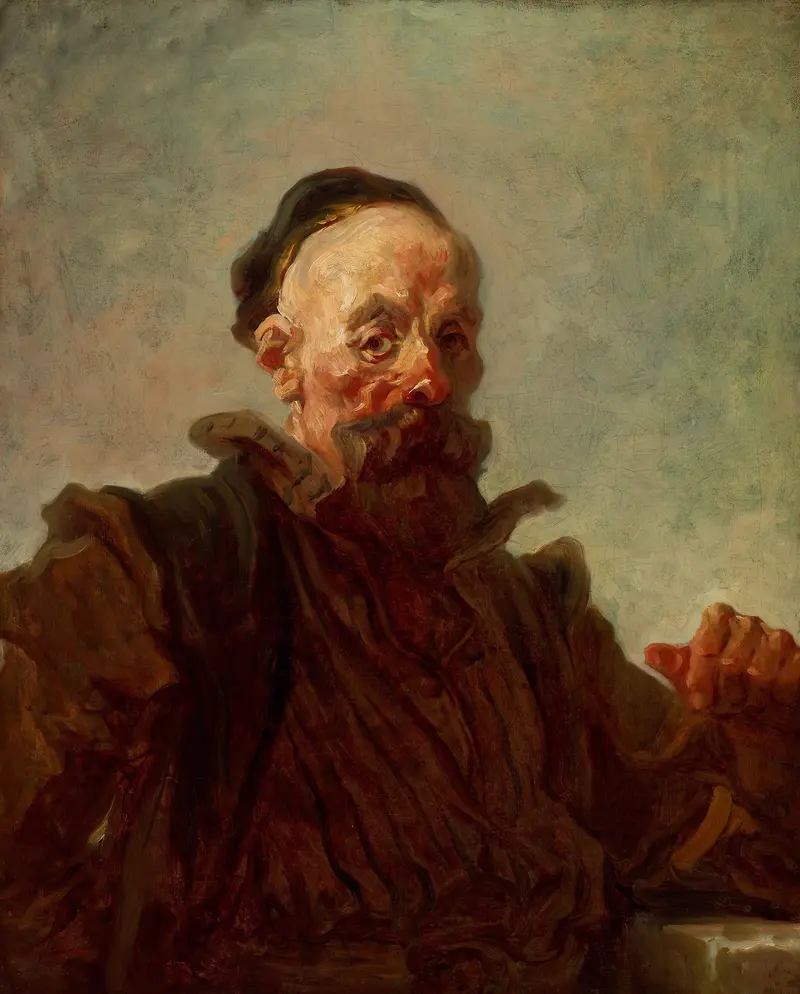
Portrait of a Man in Costume
Jean-Honoré Fragonard
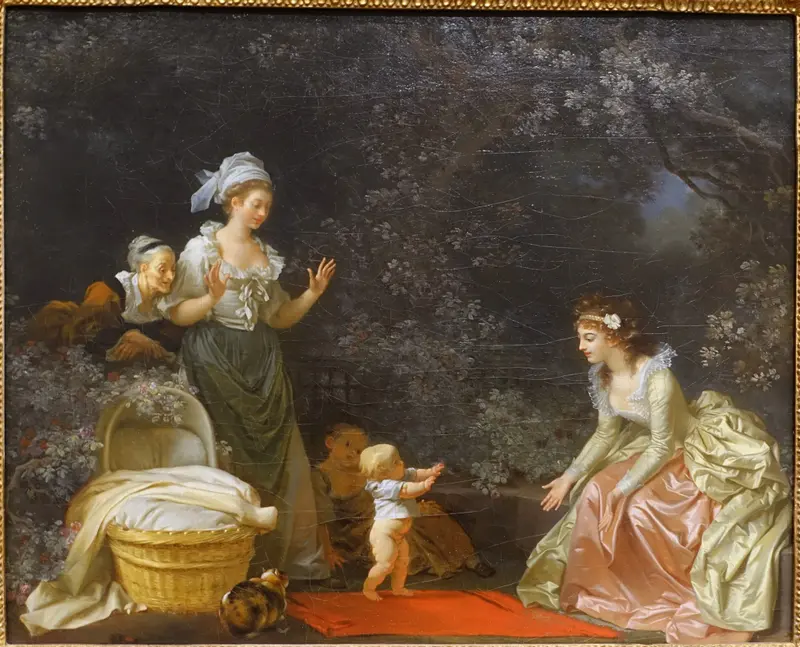
The First Steps
Jean-Honoré Fragonard





