
The Triumph of Venus — History & Facts
When The Triumph of Venus was first exhibited at the Salon of 1765, it marked a turning point for Jean-Honoré Fragonard, earning him admission to the prestigious Académie Royale. The painting was celebrated by critics for its exuberant sensuality and dazzling brushwork, and it immediately set Fragonard apart from his contemporaries. Its playful eroticism was both admired and whispered about in Parisian salons, reflecting the spirit of the waning Rococo era.
The work’s success established Fragonard as a favorite among aristocratic patrons who sought art that delighted the senses and celebrated mythological fantasy. The scene captures the moment Venus, goddess of love, rises from the sea, attended by a lively retinue of nymphs and cherubs. Fragonard fills the canvas with frothy waves and swirling draperies, placing Venus at the center, her pale skin glowing against the soft blues and pinks of the sky and water. The putti crown her with a garland, while dolphins and sea-shells at her feet recall her birth from the foam.
Every gesture and glance is charged with flirtation, from the playful nymphs to the mischievous cupids, echoing the light-hearted sensuality found in François Boucher’s earlier treatments of Venus. Yet Fragonard’s brush is looser, his colors more luminous, lending the scene a sense of movement and joy that is distinctly his own. The exact commission for The Triumph of Venus remains uncertain, though it was likely painted for a private collector enamored with the fashionable mythological subjects of the day. Over the centuries, the painting’s whereabouts were sometimes unclear, but it has long been recognized as a prime example of Fragonard’s early career, before he turned to more intimate domestic scenes.
Today, it stands as a testament to the exuberance and wit of the late Rococo, and to Fragonard’s ability to infuse classical mythology with a distinctly French sense of pleasure and play. The painting now resides in the collection of the Museo del Prado, where it continues to enchant visitors with its lively celebration of love and beauty.
Sources: Wikidata Q18916952 · Image source (Wikimedia Commons)
More Artworks by Jean-Honoré Fragonard
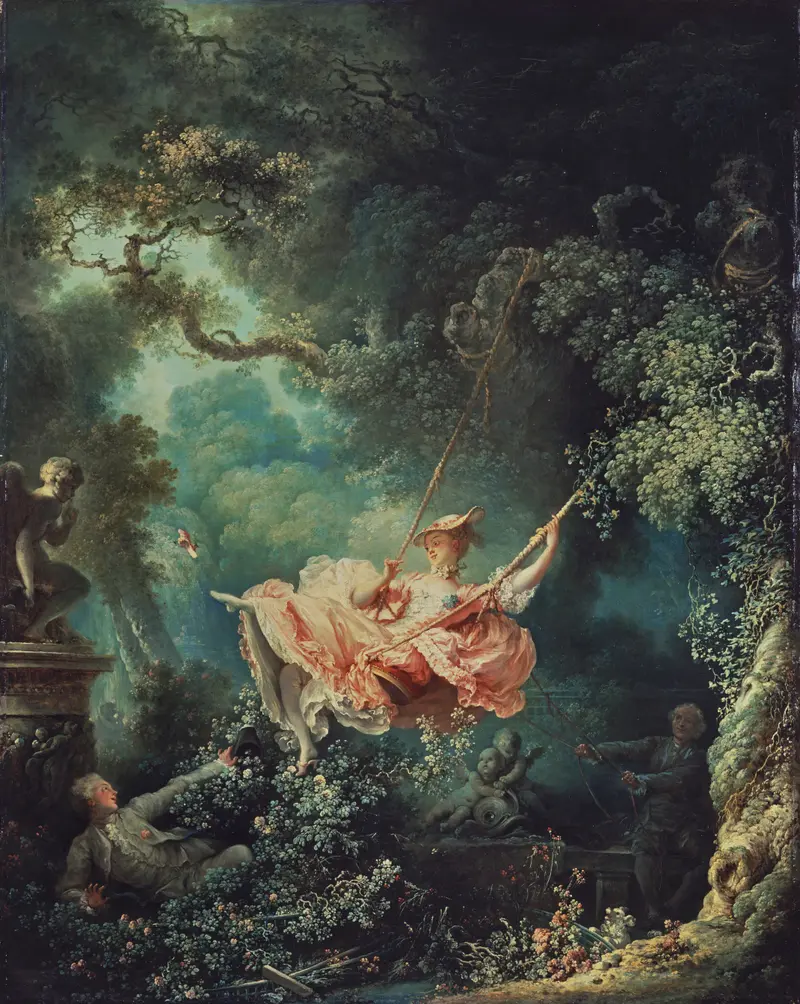
The Swing
Jean-Honoré Fragonard

The Swing
Jean-Honoré Fragonard
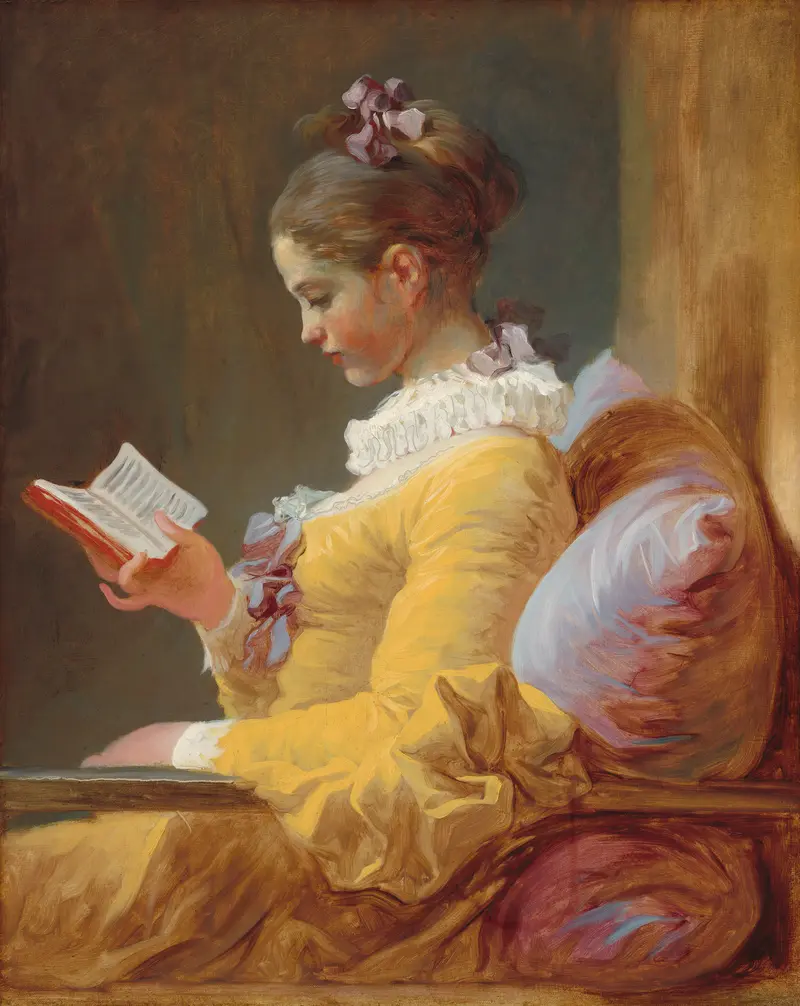
A Young Girl Reading
Jean-Honoré Fragonard
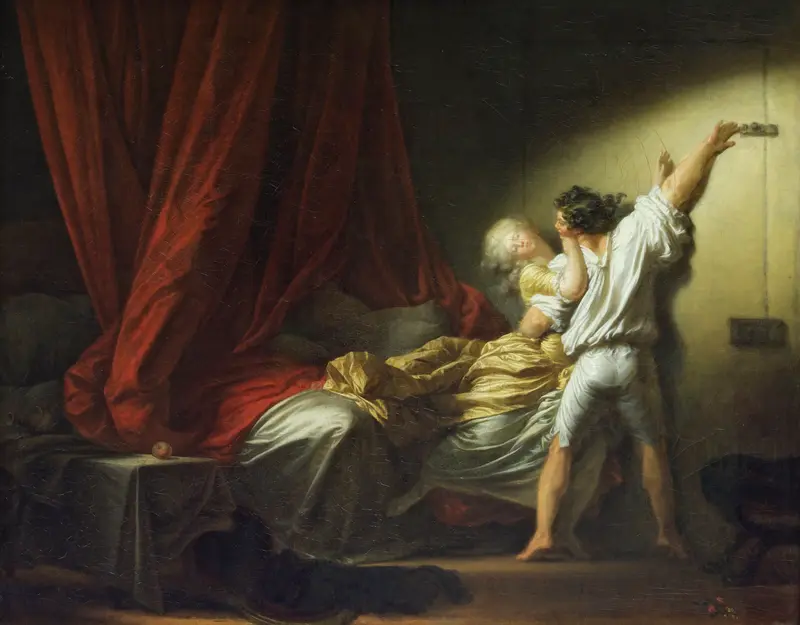
The Lock
Jean-Honoré Fragonard
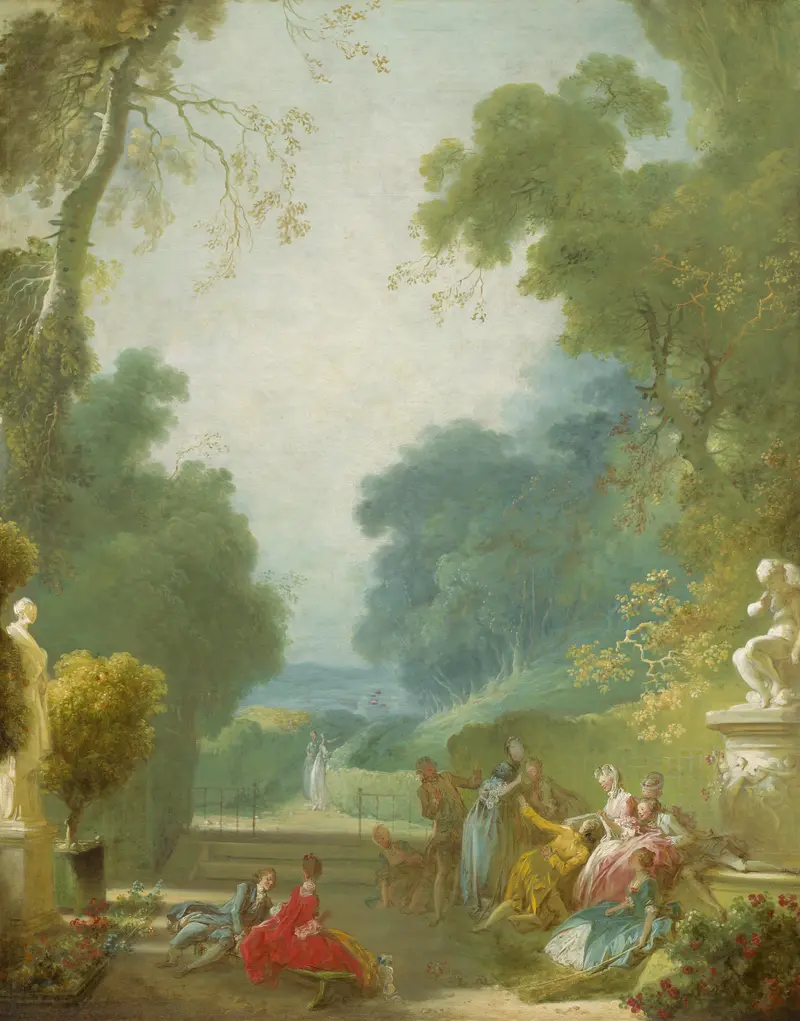
A Game of Hot Cockles
Jean-Honoré Fragonard
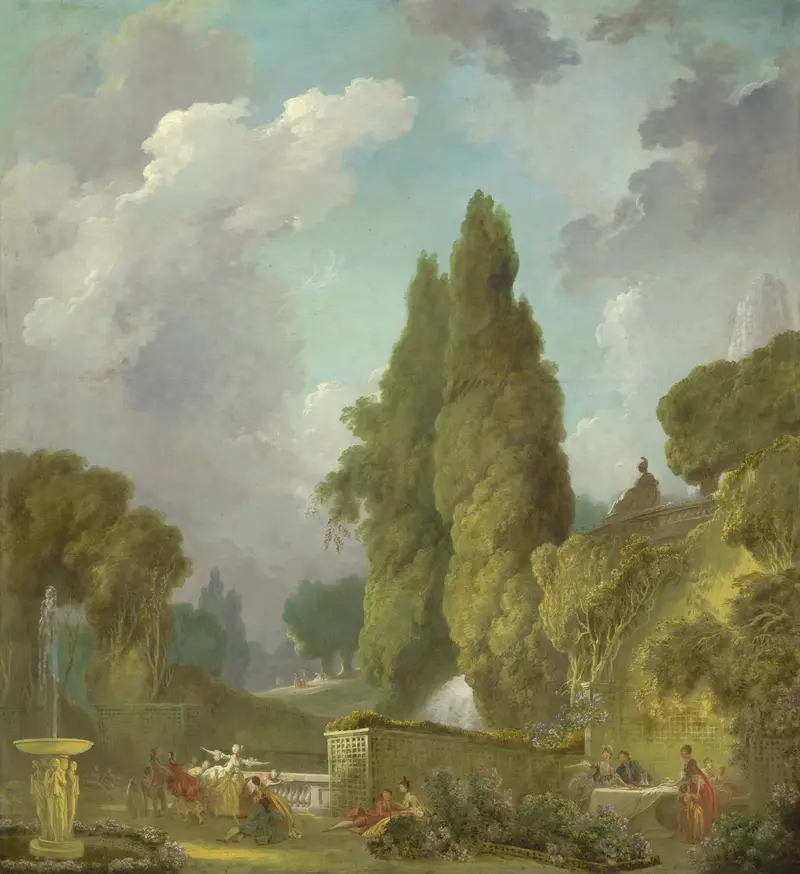
Blindman’s Buff
Jean-Honoré Fragonard
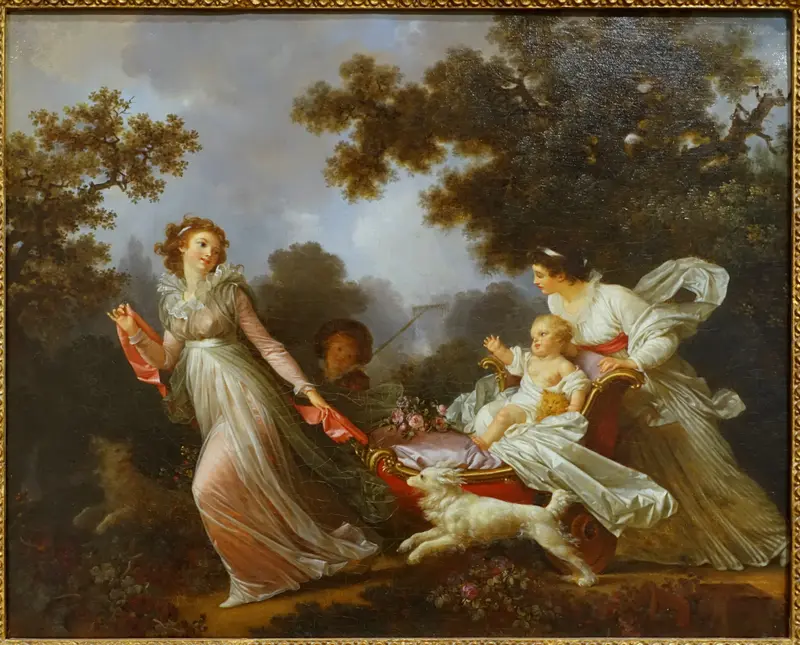
The Beloved Child
Jean-Honoré Fragonard
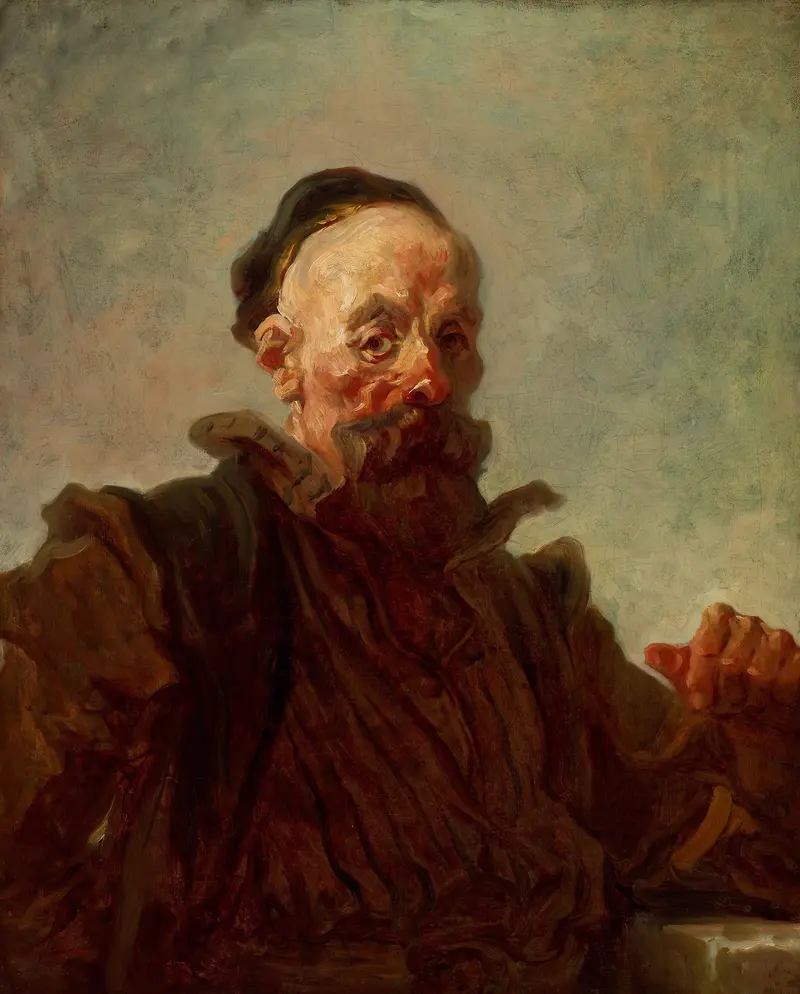
Portrait of a Man in Costume
Jean-Honoré Fragonard
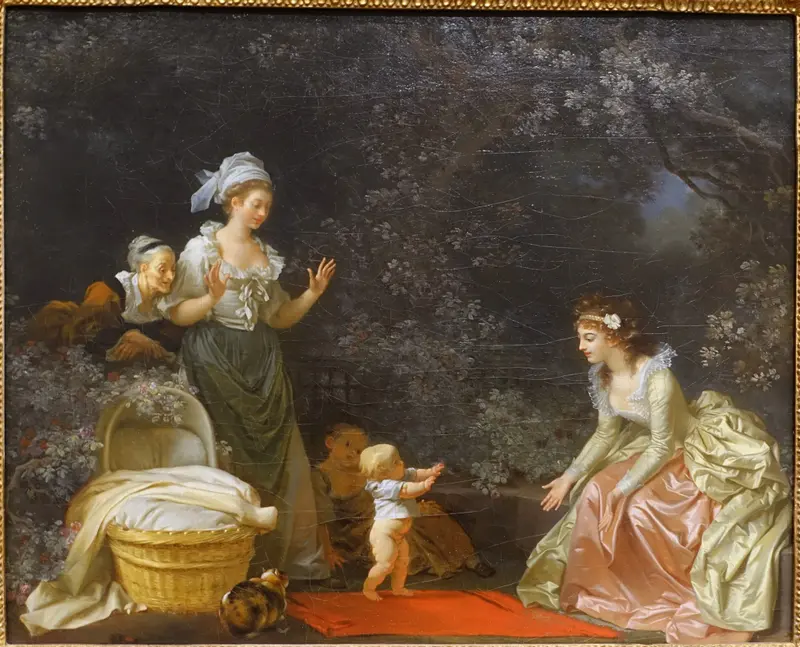
The First Steps
Jean-Honoré Fragonard
Young Woman with Brown Hair
Jean-Honoré Fragonard





