
A Boy with a Cat—Morning — History & Facts
What first catches the eye in A Boy with a Cat—Morning is the hush of an uncertain dawn, a young figure pausing at the edge of shadow and light. The boy stands barefoot, his simple white garment catching the faintest glow from the right, while his hand absently tugs at his hair—a gesture that feels both self-conscious and tender. Beside him, a cat emerges from the gloom, its body tense, eyes alert, as if sensing the world before the boy does.
The forest behind them is thick and almost impenetrable, yet the distant water or sky, painted in quick, luminous strokes, hints at a world beyond this moment of hesitation. The red cloth at his feet, carelessly dropped, adds a flash of warmth and mystery, its purpose left for us to puzzle out. Painted in 1787, this work belongs to the late eighteenth-century English tradition that so often found poetry in the lives of children and animals. During this period, artists like Thomas Gainsborough were celebrated for their ability to blend portraiture with landscape, capturing not just likeness but mood and atmosphere.
Such paintings were sometimes commissioned by families eager to display both their affection and their taste, but many were also exercises in exploring the emotional range of everyday life. Today, A Boy with a Cat—Morning resides in the Metropolitan Museum of Art, a quiet testament to a time when childhood was just beginning to be seen as a world apart, worthy of its own stories and shadows. Look again at the boy’s expression: is it worry, wonder, or simply the weight of morning?
More Artworks by Thomas Gainsborough
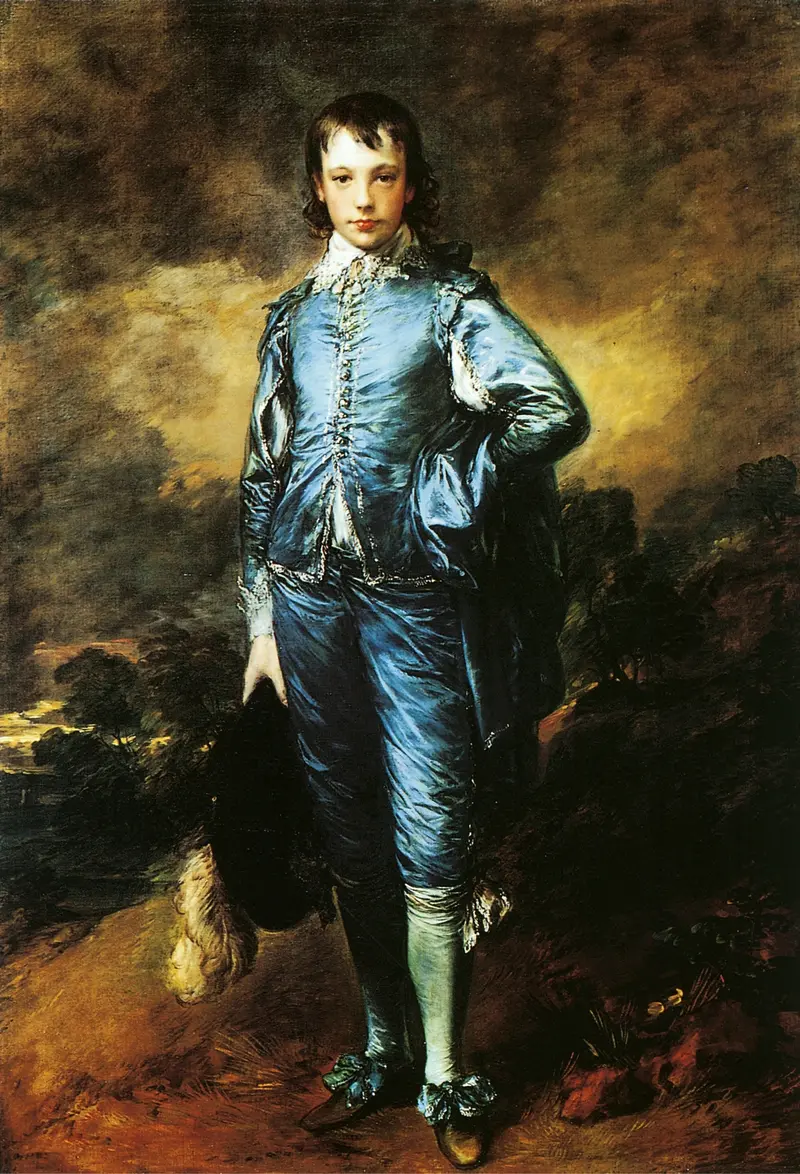
The Blue Boy
Thomas Gainsborough
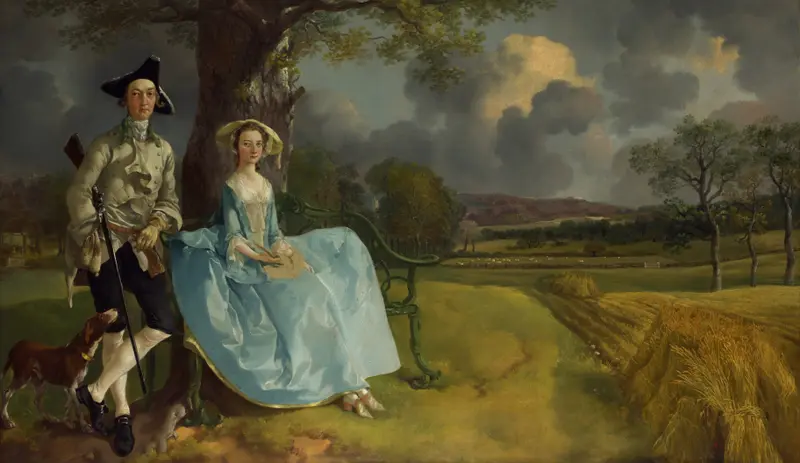
Mr and Mrs Andrews
Thomas Gainsborough

Wooded Landscape with Figures
Thomas Gainsborough

Sir Benjamin Thompson, later Count Rumford (1753-1814)
Thomas Gainsborough
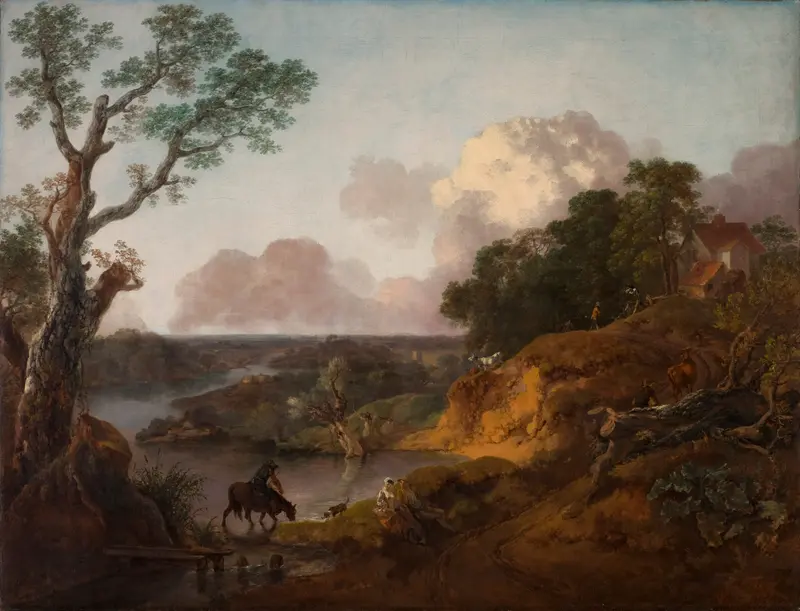
View in Suffolk
Thomas Gainsborough
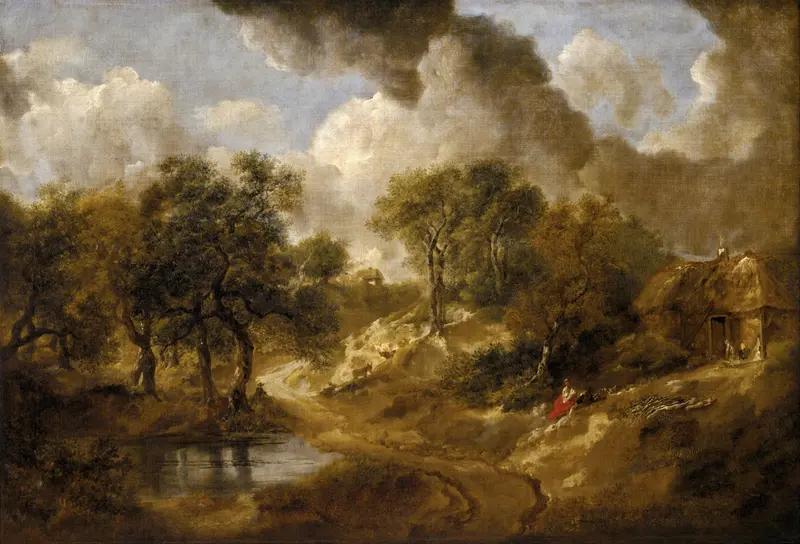
Landscape in Suffolk
Thomas Gainsborough
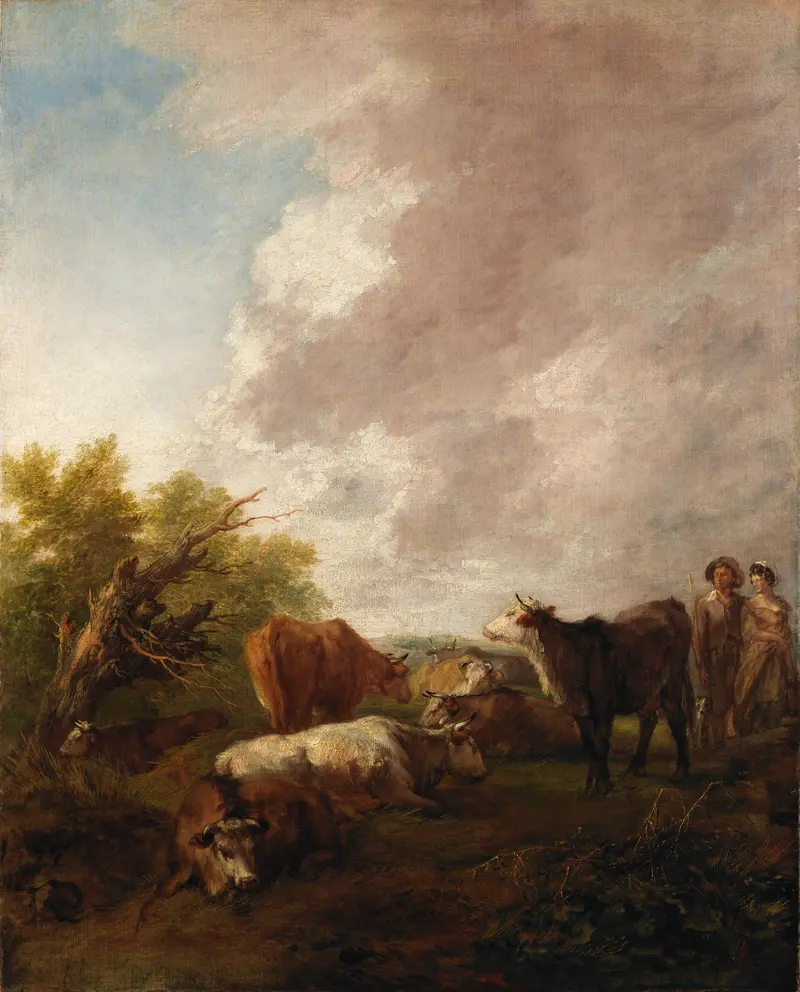
Landscape with Cattle
Thomas Gainsborough
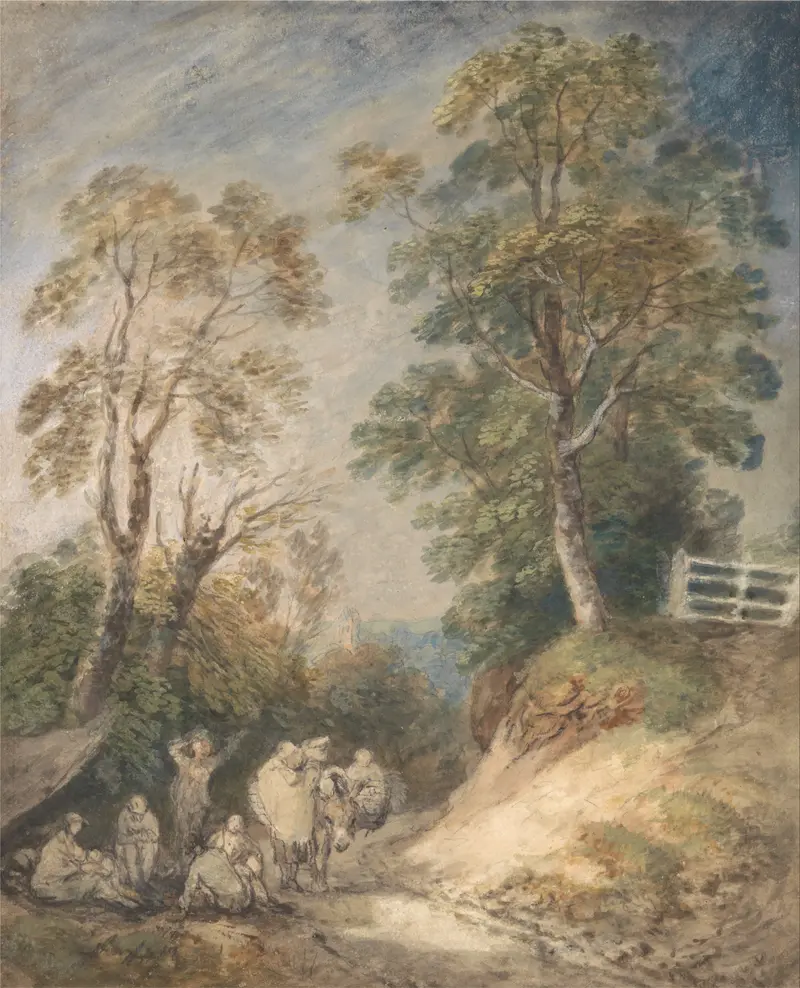
Country Lane with Gypsies Resting
Thomas Gainsborough
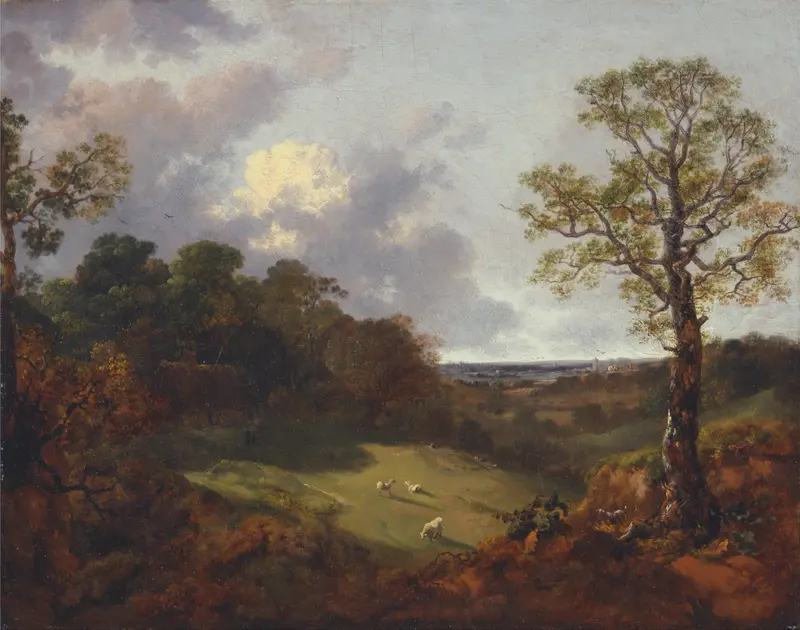
Wooded Landscape with a Cottage and Shepherd
Thomas Gainsborough
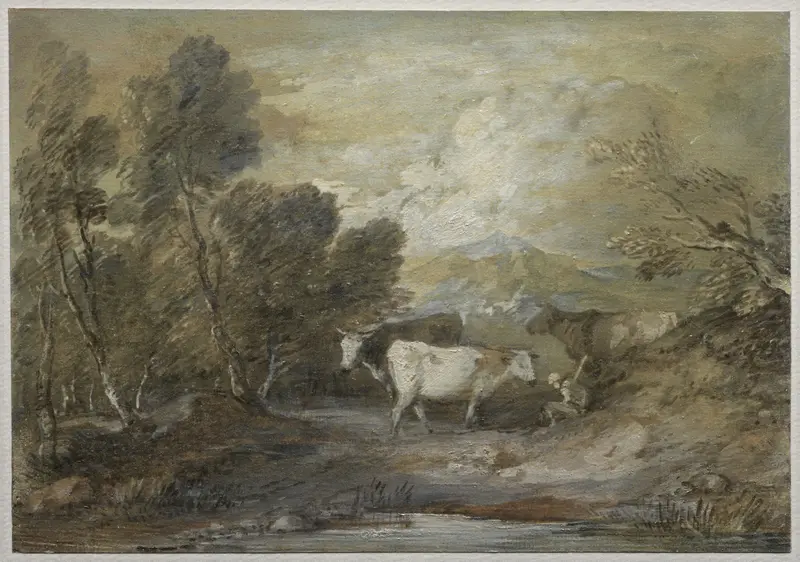
A Herdsman with Three Cows by an Upland Pool
Thomas Gainsborough
More Genre Scene Art

Banquet of the Officers of the St George Civic Guard
Frans Hals

Rembrandt and Saskia in the Scene of the Prodigal Son
Rembrandt van Rijn

Bal du moulin de la Galette
Pierre-Auguste Renoir

Quadrille at the Moulin Rouge
Henri de Toulouse-Lautrec

A Burial at Ornans
Gustave Courbet

When Will You Marry?
Paul Gauguin