
A Brook in the Forest — History & Facts
In the stillness of nature, a hidden brook murmurs softly, carrying whispers of loss and longing through the trees. Each brushstroke captures a fragment of grief, transcending the moment to speak to the heart of the viewer. Look closely at the left side of the canvas, where the gentle flow of water glistens under a dappling of sunlight, inviting your gaze. Notice how the greens and browns blend in a rich tapestry, with textures that convey the cool embrace of the forest.
The wildness of nature is rendered in a way that feels both soothing and melancholic, as if the landscape itself bears witness to the silent sorrow that lingers in the air. The contrast between the vibrant foliage and the dark, flowing water creates an emotional tension that resonates deeply. Hidden among the branches, the brook serves as a metaphor for life’s journey through grief—its path winding, at times turbulent, yet ultimately nurturing. The serenity of the scene belies the underlying ache, suggesting that healing and beauty often coexist with loss. In the years between 1868 and 1877, the artist found himself in a period of both personal and artistic exploration.
Living in France, where the art world was shifting towards Impressionism, he sought to capture raw, unfiltered emotion through realism. This painting reflects not only his love for nature but also the complex interplay of human experience with the natural world, highlighting how art can become a sanctuary for unexpressed feelings.
More Artworks by Gustave Courbet
Browse all →
Marine
Gustave Courbet
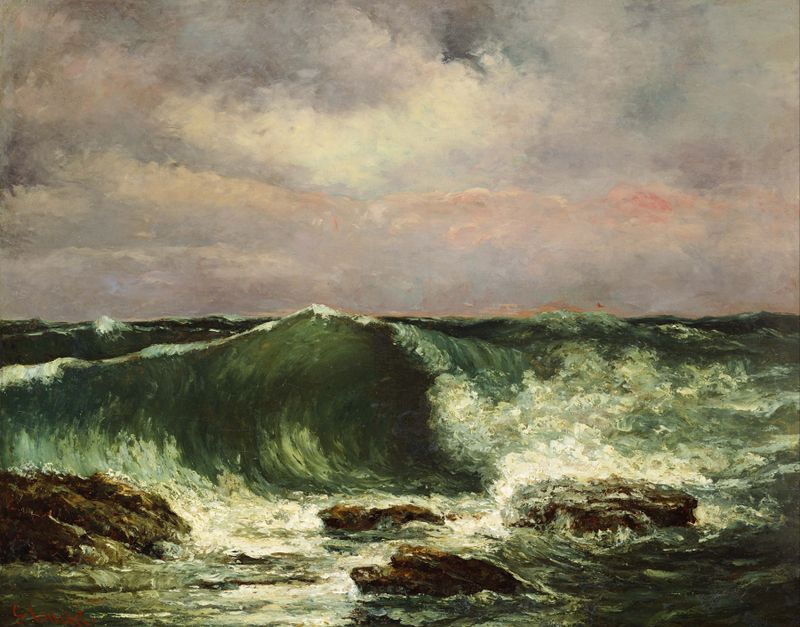
Waves
Gustave Courbet

Étretat; Les Falaises
Gustave Courbet
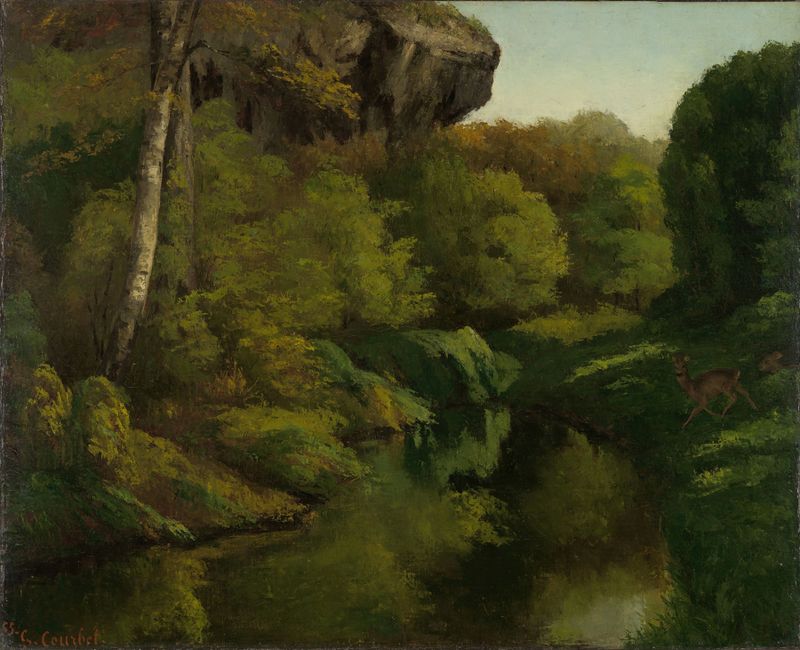
View in the Forest of Fontainebleau
Gustave Courbet
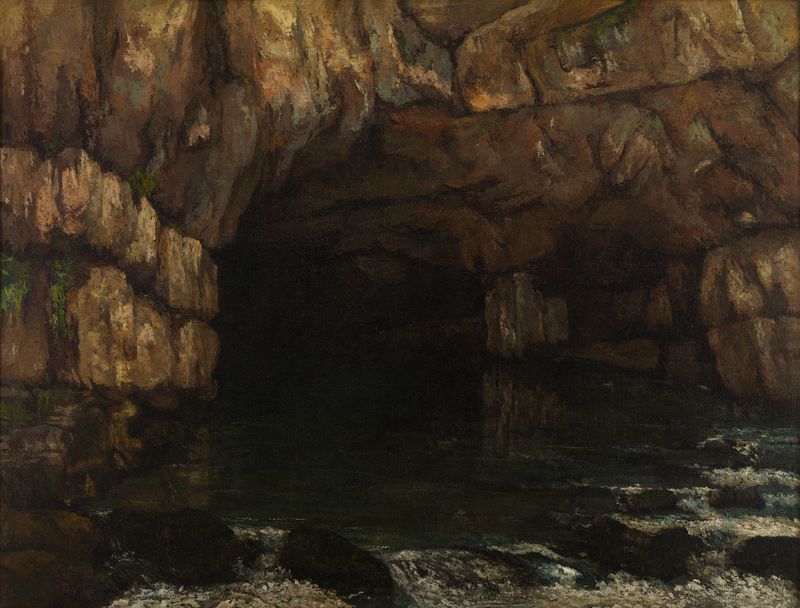
La source de la Loue (The Source of the Loue)
Gustave Courbet

Low Tide at Trouville
Gustave Courbet
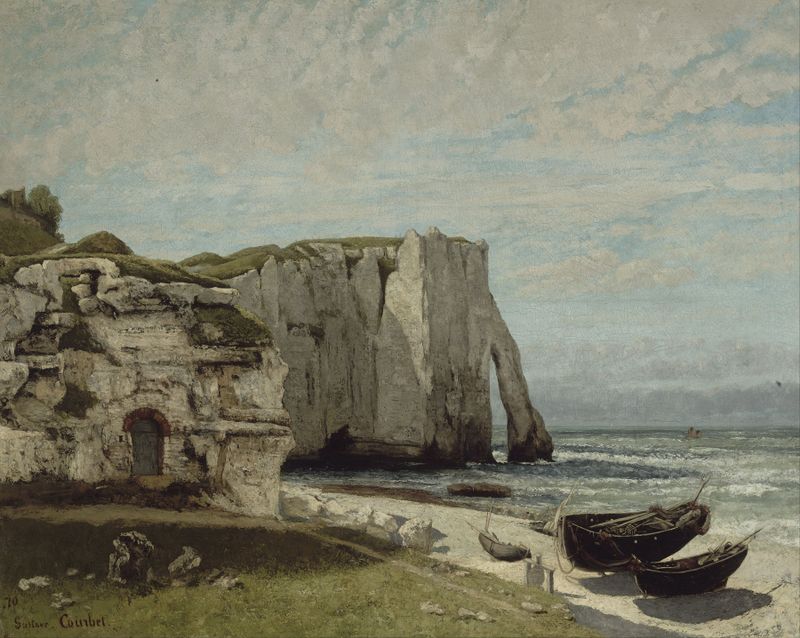
The Etretat Cliffs after the Storm
Gustave Courbet
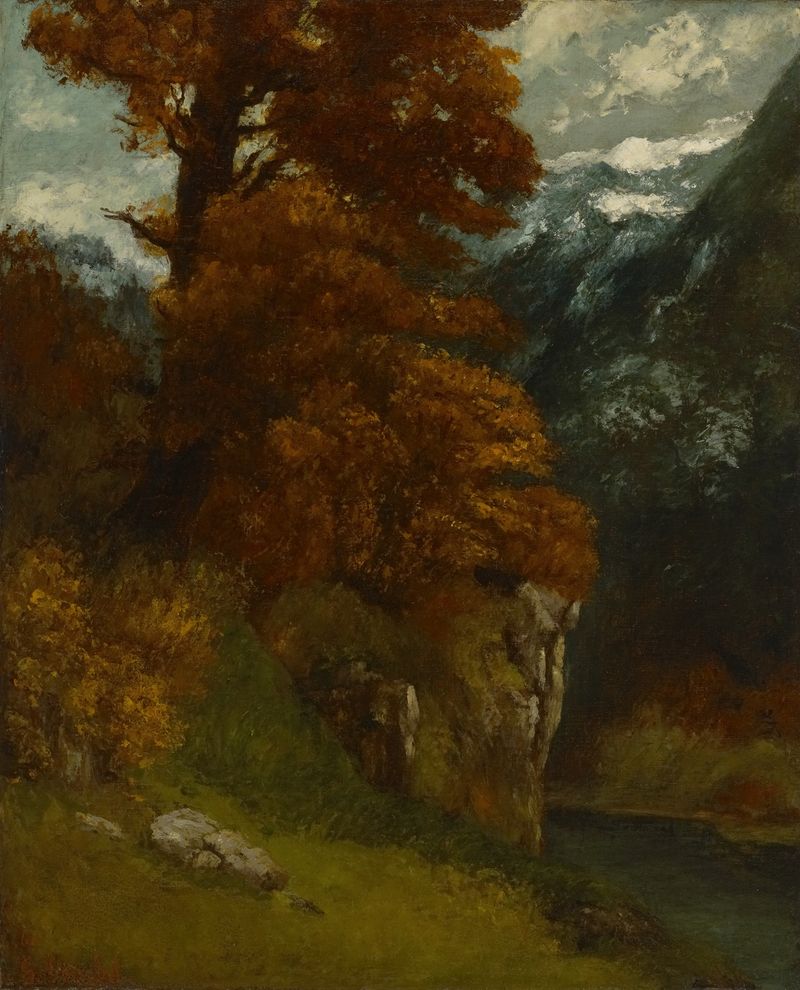
The Glen at Ornans (Bords du Doubs; Effet d’Automne)
Gustave Courbet
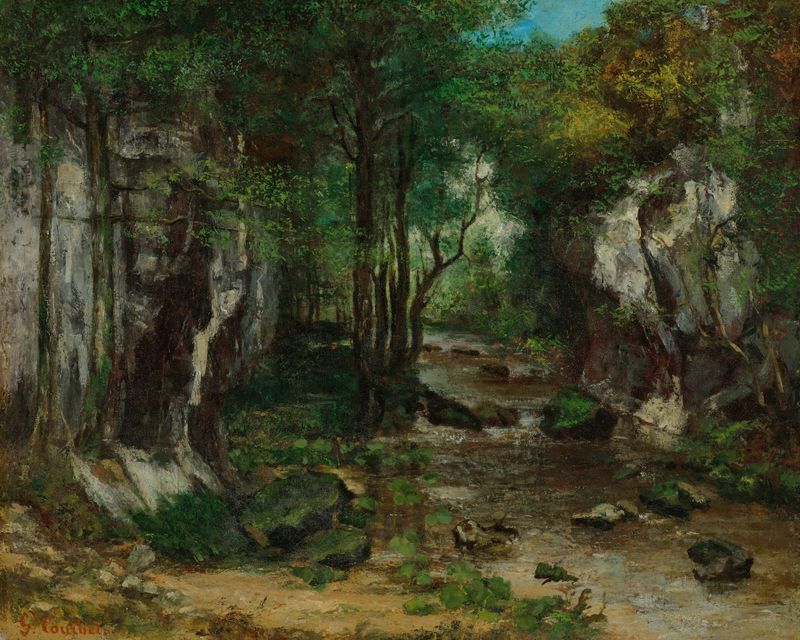
Le Ruisseau de Puits Noir
Gustave Courbet
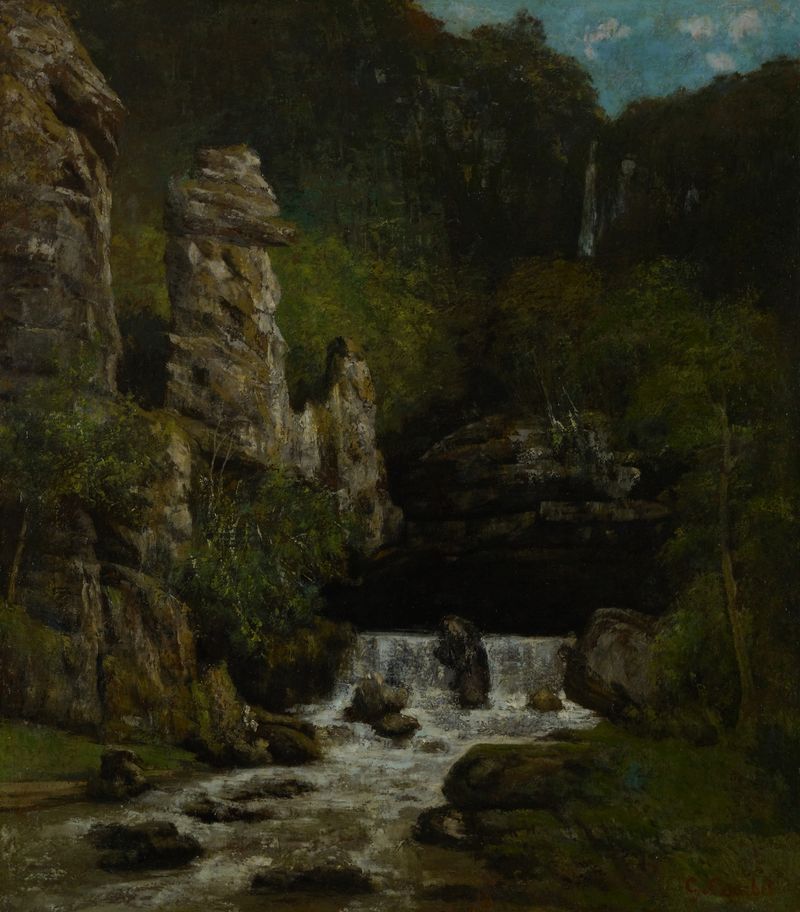
Landscape with a Waterfall
Gustave Courbet





