
A Dutch Canal — History & Facts
What secret hides in the quiet of the canvas? Beneath the serene surface of a Dutch canal lies a world in transition, where stillness conceals the whispers of change. Look to the left at the tranquil water, its glassy surface reflecting the ethereal colors of a dusky sky. The brushwork, a delicate blend of blues and warm greys, beckons your eye to the harmonious balance of nature and architecture. Notice how the slow-moving boats are anchored in the foreground, their presence grounding the scene while allowing the viewer to float on the stillness of the water.
The precise detailing of the canal’s edge, framed by lush greenery, contrasts with the soft, fading light of dusk, inviting contemplation of both beauty and impermanence. Delve deeper, and you'll find an undercurrent of tension in the composition. The boats, while seemingly at rest, evoke a sense of anticipation—perhaps the locals are waiting for the unseen currents of change that herald revolution. The horizon, where earthy tones meet the cool blues, symbolizes the transition between day and night, peace and upheaval.
Each brushstroke holds a story of the past and a promise of what might come, reflecting both daily life and the shifting tides of history. Created in 1850, this painting emerged during a period of significant transformation in Europe, marked by rising nationalism and social upheaval. Jan Weissenbruch, known for his detailed landscapes, painted this work in the Netherlands, where the push for modernity loomed large. The canvas captures not only the beauty of the canals but also the quiet tension of a society on the brink of profound change.
More Artworks by Jan Weissenbruch
Browse all →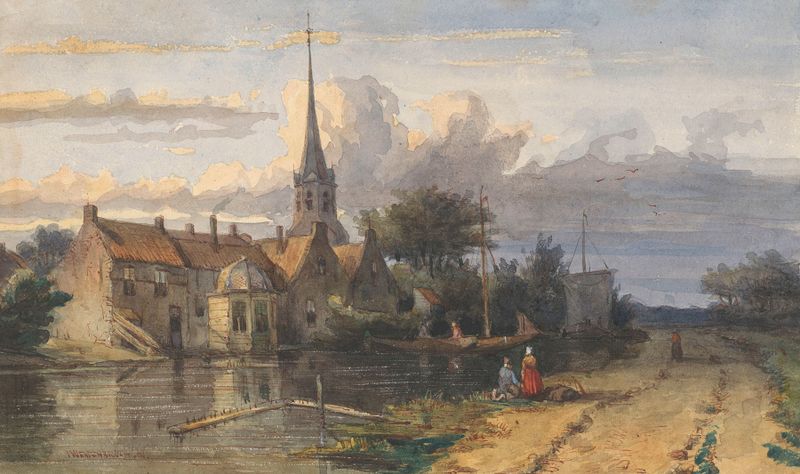
Gezicht op een dorp aan een vaart
Jan Weissenbruch
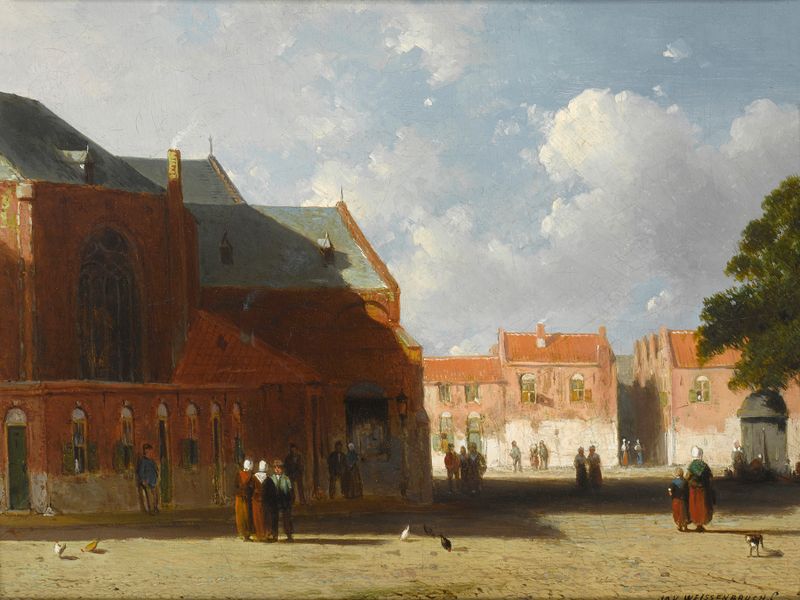
A view of a Dutch town
Jan Weissenbruch
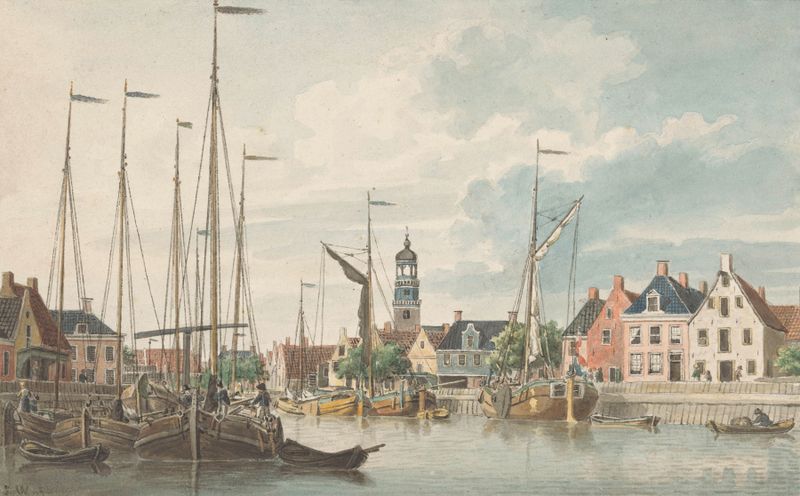
Gezicht te De Lemmer
Jan Weissenbruch
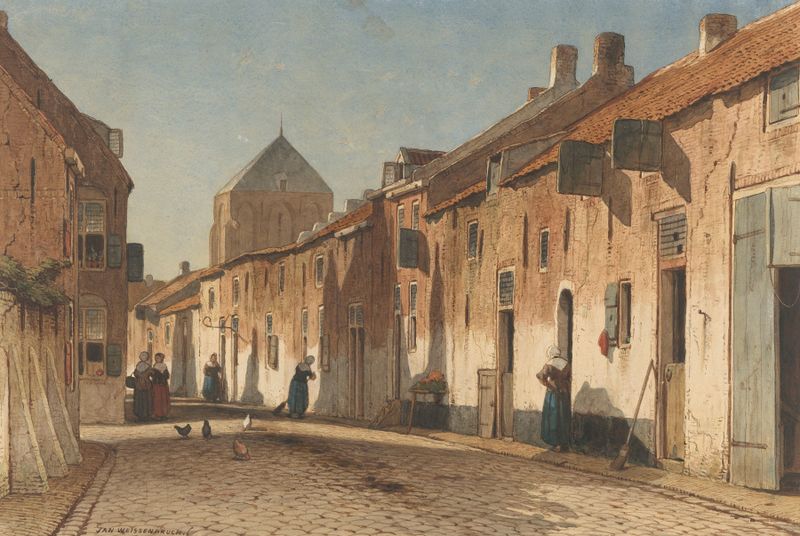
Dorpsstraat
Jan Weissenbruch
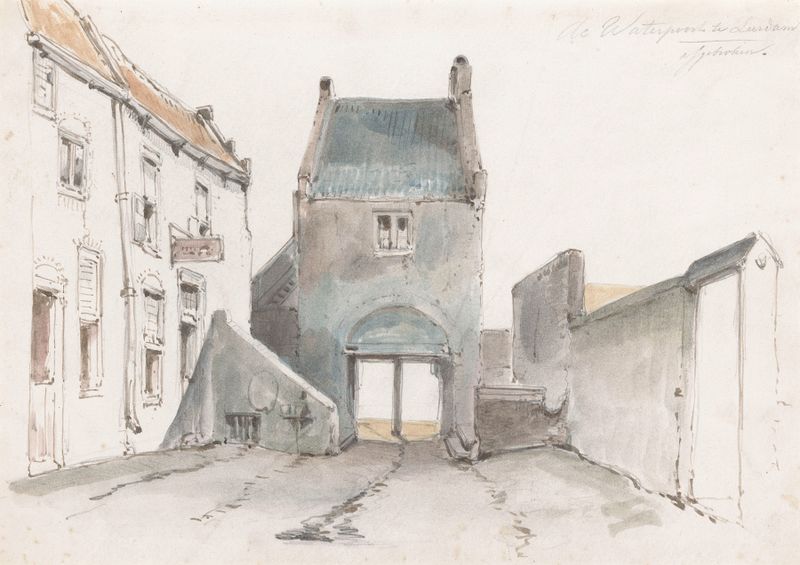
Steigerpoort te Leerdam
Jan Weissenbruch
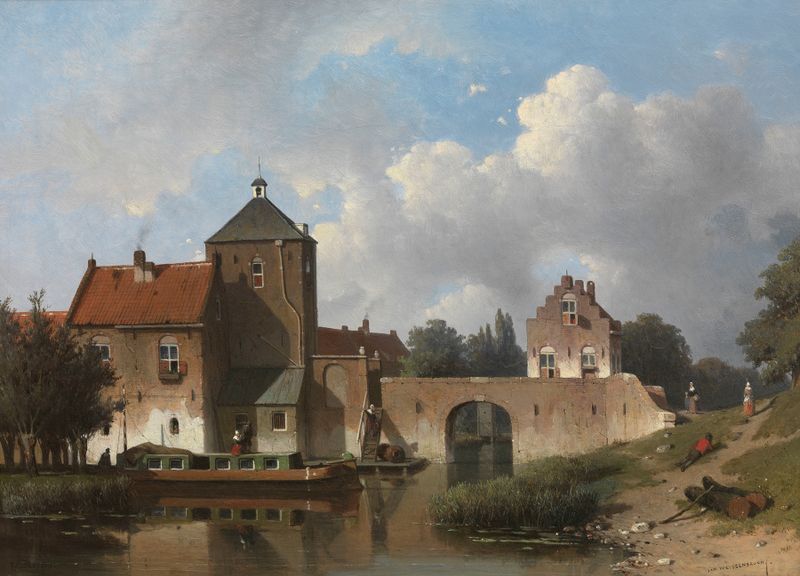
The IJsselpoort at IJsselstein
Jan Weissenbruch
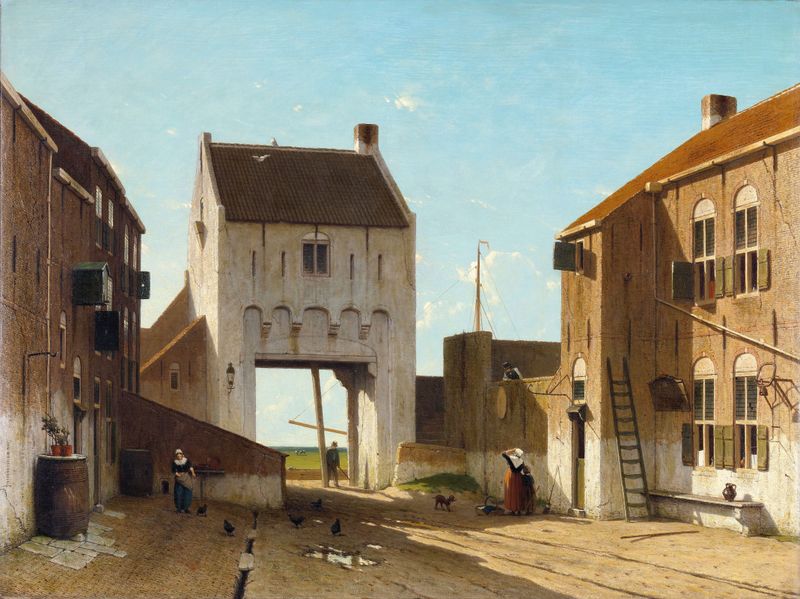
A Town Gate in Leerdam
Jan Weissenbruch
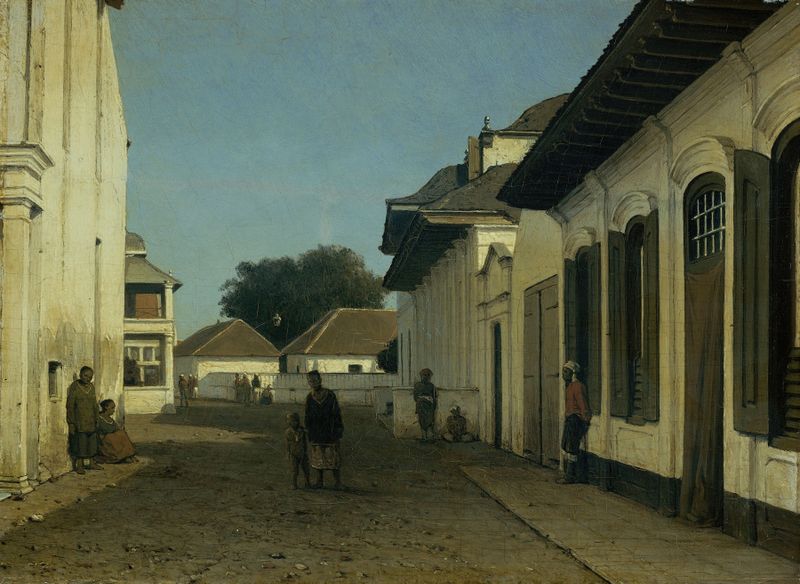
Een straat in het oude deel van Batavia
Jan Weissenbruch
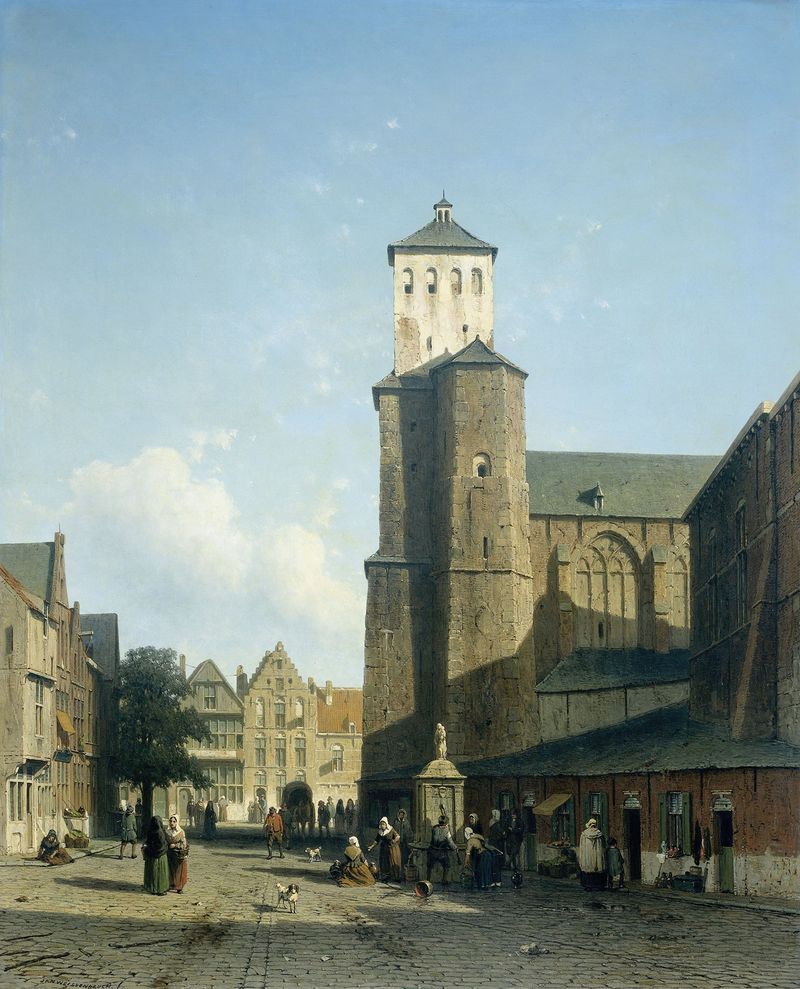
St Denis Church in Liège
Jan Weissenbruch
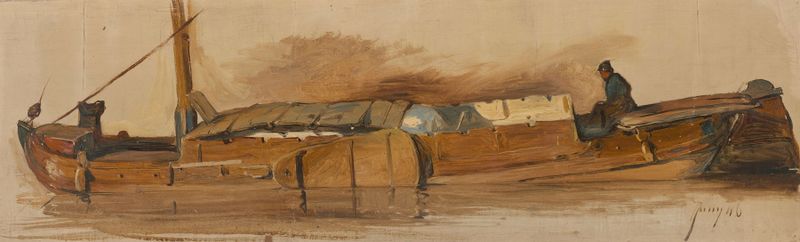
Lange schuit met schipper
Jan Weissenbruch





