
St Denis Church in Liège — History & Facts
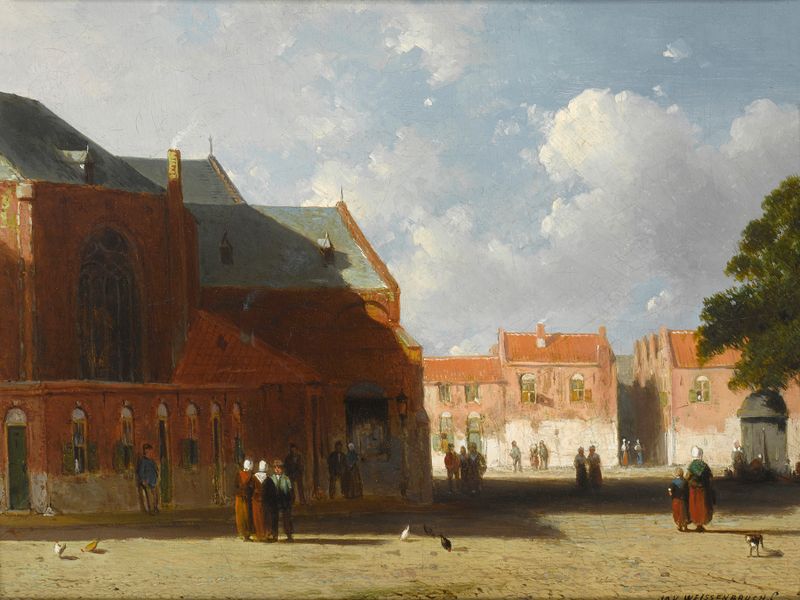
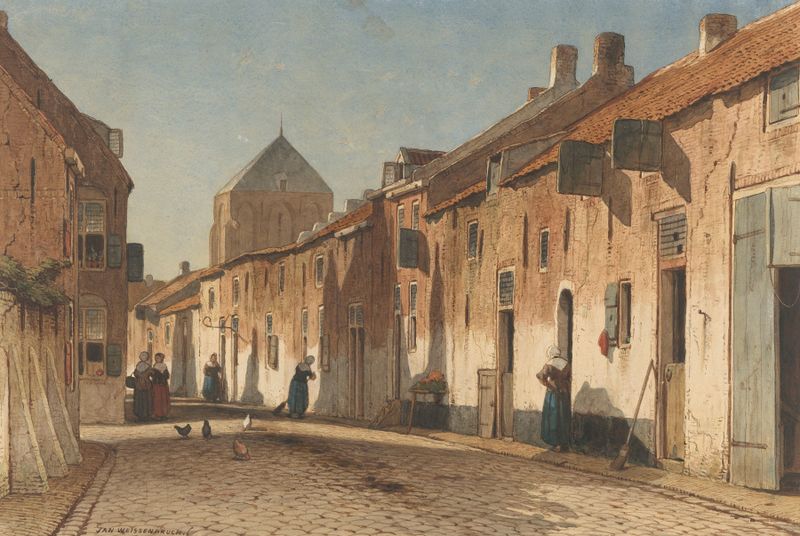
In the quiet embrace of this sentiment lies the essence of beauty, captured forever on canvas. Look to the left where the soft hues of the sky bleed into the warm, welcoming walls of the church. Notice how the dappled light filters through the archways, casting delicate shadows that dance across the cobbled streets. The artist’s careful strokes reveal a masterful blend of rich earthy tones, contrasting with the ethereal blues above, inviting the viewer to linger in this moment of stillness and serenity. Yet, beneath this peaceful exterior lies a subtle tension.
The towering spire reaches high into the heavens, a silent plea for transcendence amidst the mundane. The bustling figures, small in comparison to their surroundings, suggest a life filled with both devotion and distraction, caught between the sacred and the everyday. Each brushstroke whispers stories of time gone by, urging us to reflect on the beauty that persists despite life’s ephemeral nature. Jan Weissenbruch painted this scene during the early years of the 1850s, a time when European art was undergoing significant transformation.
Living in The Hague, he was influenced by the Romantic movement, focusing on capturing the essence of landscapes and architectural beauty. This period in his life was marked by a growing recognition of his work, as he began to develop a unique style that would eventually define his legacy in Dutch painting.
More Artworks by Jan Weissenbruch
Browse all →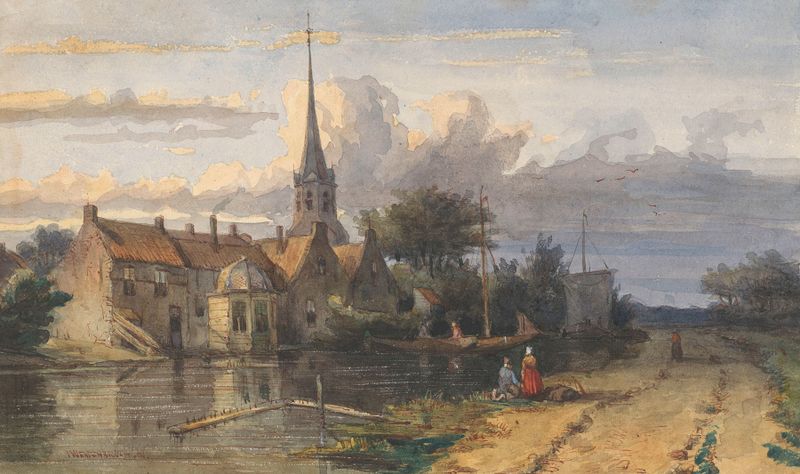
Gezicht op een dorp aan een vaart
Jan Weissenbruch
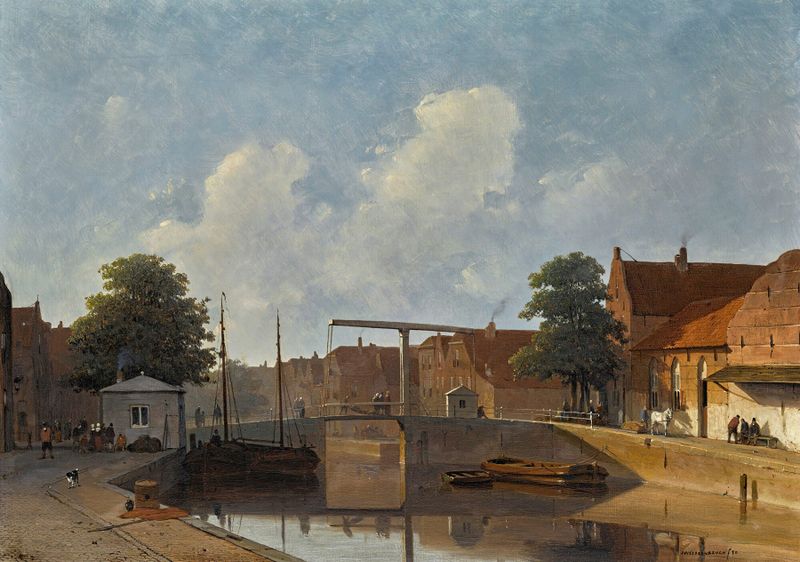
A Dutch Canal
Jan Weissenbruch
A view of a Dutch town
Jan Weissenbruch
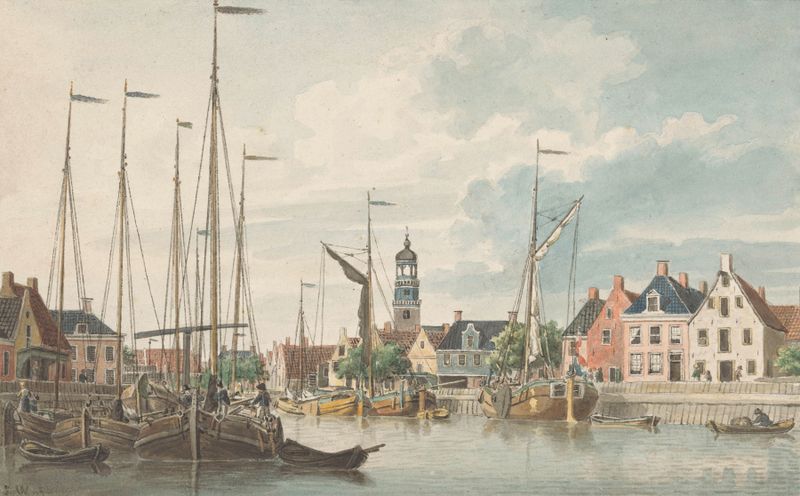
Gezicht te De Lemmer
Jan Weissenbruch
Dorpsstraat
Jan Weissenbruch
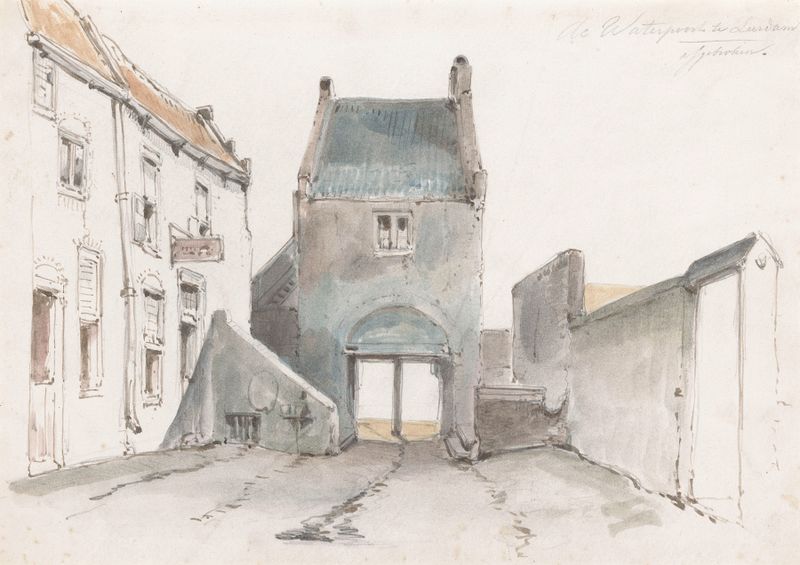
Steigerpoort te Leerdam
Jan Weissenbruch
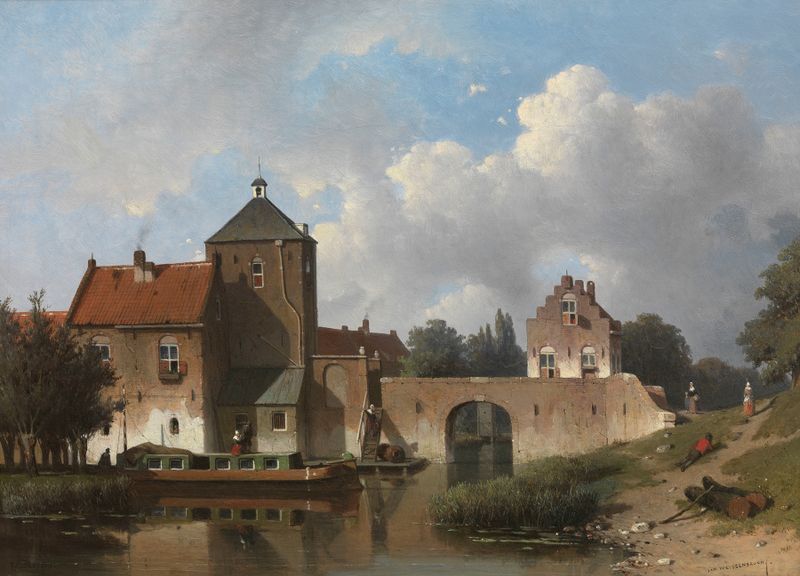
The IJsselpoort at IJsselstein
Jan Weissenbruch
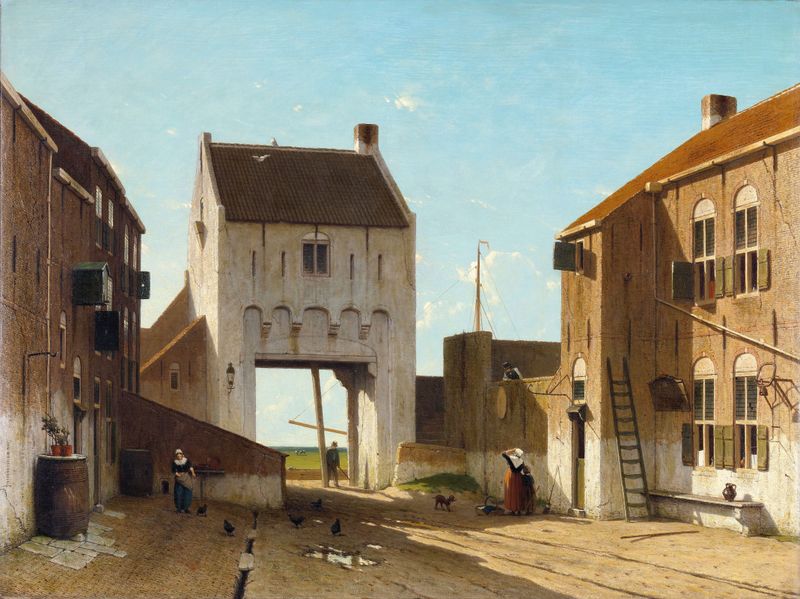
A Town Gate in Leerdam
Jan Weissenbruch
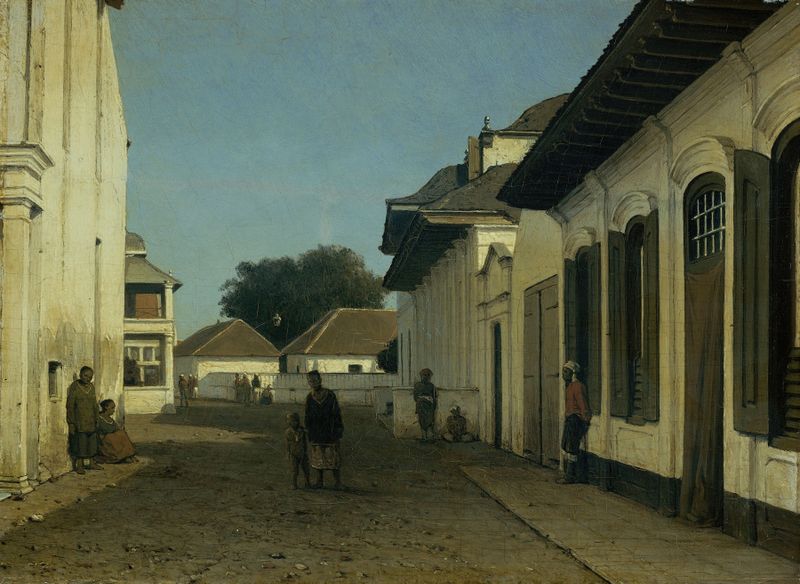
Een straat in het oude deel van Batavia
Jan Weissenbruch
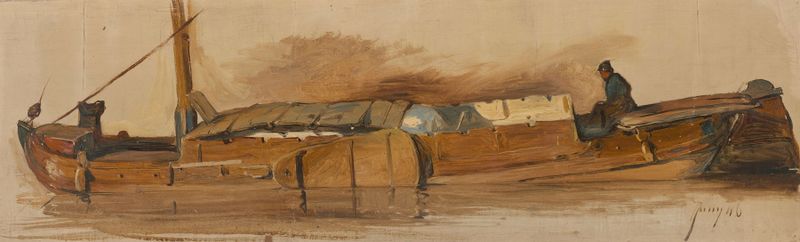
Lange schuit met schipper
Jan Weissenbruch
More Architecture Art
Browse all →
The statue of Liberty
Frédéric Auguste Bartholdi

View of Houses in Delft, Known as ‘The Little Street’
Johannes Vermeer

View of Houses in Delft, Known as ‘The Little Street’
Johannes Vermeer

The Cathedral in Rouen. The portal, Grey Weather
Claude Monet

The yellow house
Vincent van Gogh

The Church in Auvers-sur-Oise, View from the Chevet
Vincent van Gogh