
Gezicht op een dorp aan een vaart — History & Facts
What if beauty was never meant to be finished? In Gezicht op een dorp aan een vaart, the delicate interplay of nature and man-made structures whispers the uncertainty of permanence, evoking a profound sense of fear that lingers just beneath the surface. Look to the left at the gentle curve of the waterway, where the reflective surface captures the soft hues of the sky. The muted blues and greens contrast with the earthy tones of the village, creating a harmony that feels both serene and unsettling. Notice how the wispy clouds seem to draw you in, creating a visual path that invites exploration of the landscape while simultaneously hinting at its transience.
Weissenbruch’s brushwork reveals layers of texture, imbuing the scene with an intimacy that invites quiet contemplation. As you take in the scene, consider the quiet villagers, perhaps caught in a moment of stillness, yet surrounded by the fluidity of nature. The absence of motion suggests an underlying tension; life exists here, but it feels precarious, as if this idyllic setting could dissolve at any moment. The careful arrangement of buildings along the water’s edge speaks to a fragile balance between humanity and the environment, a reminder of how easily beauty can be disrupted by time or neglect. Created between 1832 and 1880, this work emerged during a period of significant change in the Netherlands, marked by industrial developments and urbanization.
Weissenbruch, part of the Hague School, sought to capture the essence of Dutch landscapes, reflecting both the beauty and vulnerability inherent in them. His exploration of light and atmosphere aligned with broader movements in art, seeking to evoke emotional responses and a deeper connection to the world outside.
More Artworks by Jan Weissenbruch
Browse all →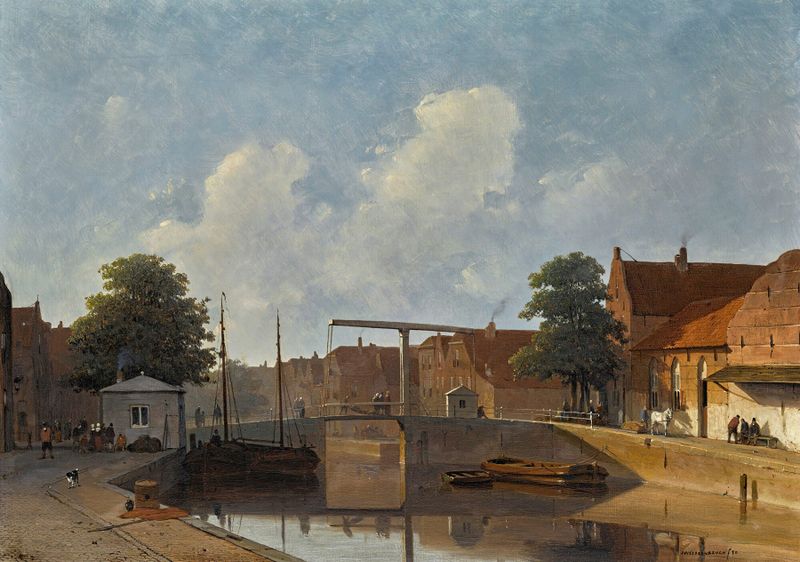
A Dutch Canal
Jan Weissenbruch
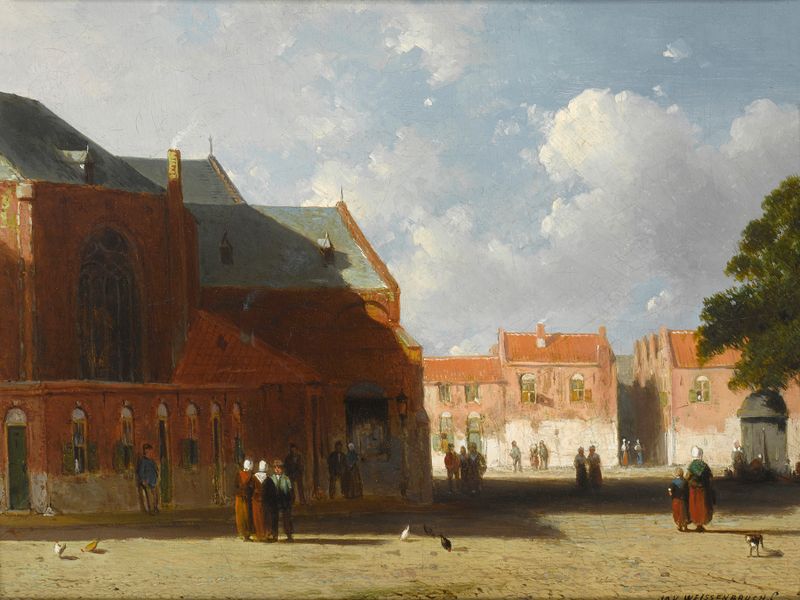
A view of a Dutch town
Jan Weissenbruch
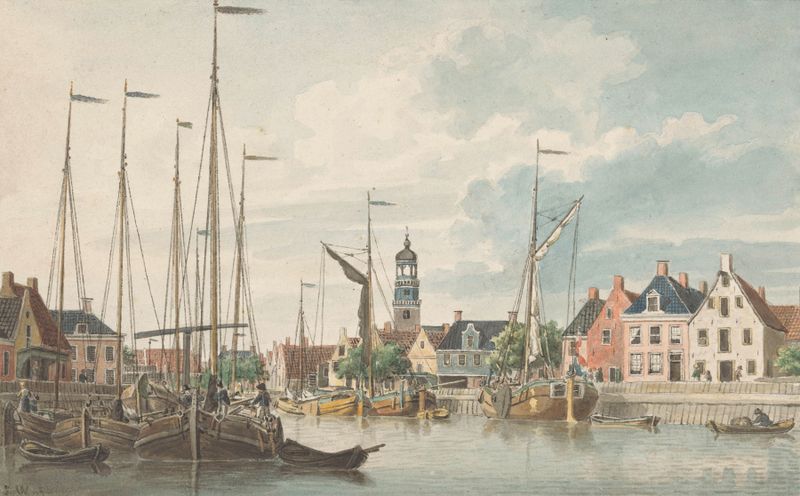
Gezicht te De Lemmer
Jan Weissenbruch
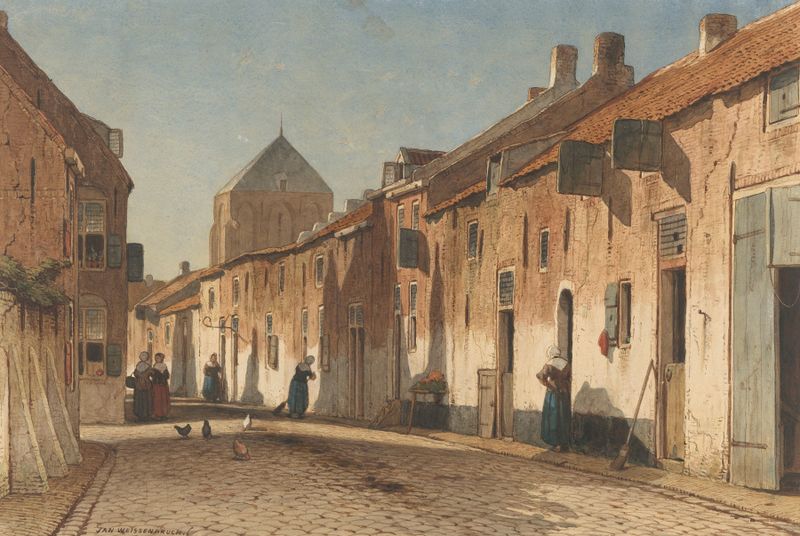
Dorpsstraat
Jan Weissenbruch
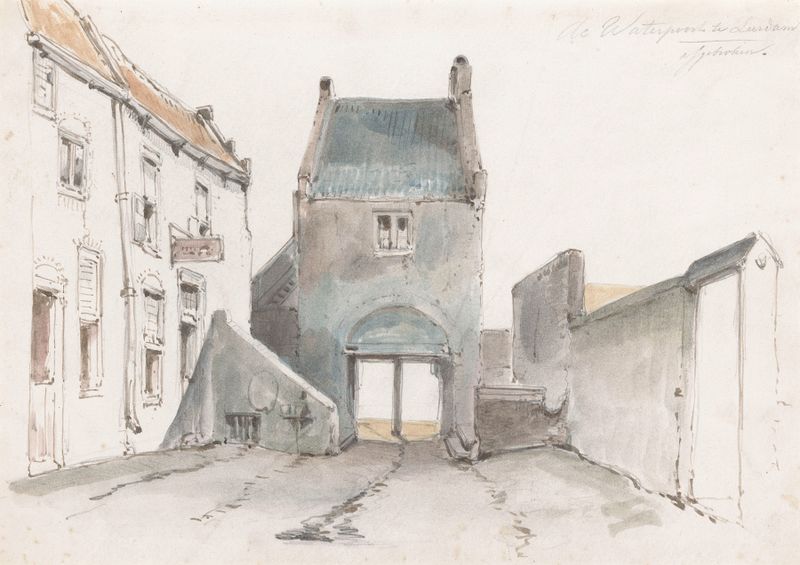
Steigerpoort te Leerdam
Jan Weissenbruch
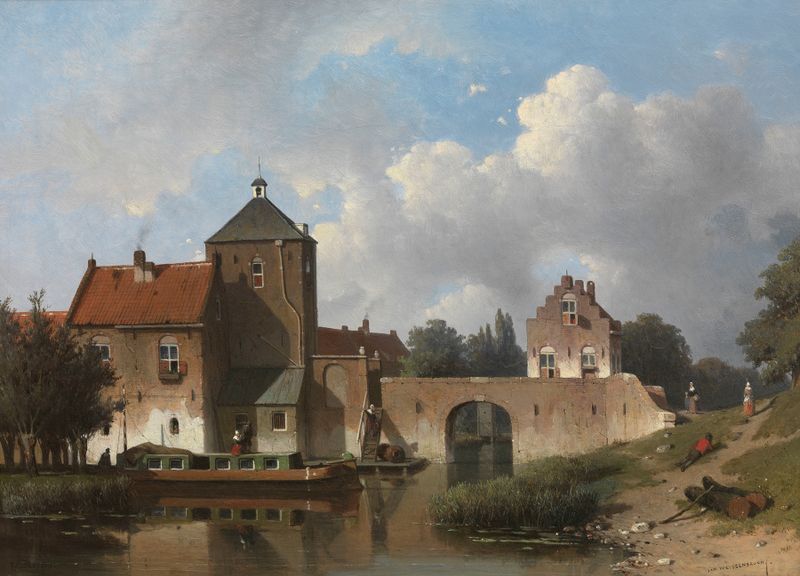
The IJsselpoort at IJsselstein
Jan Weissenbruch
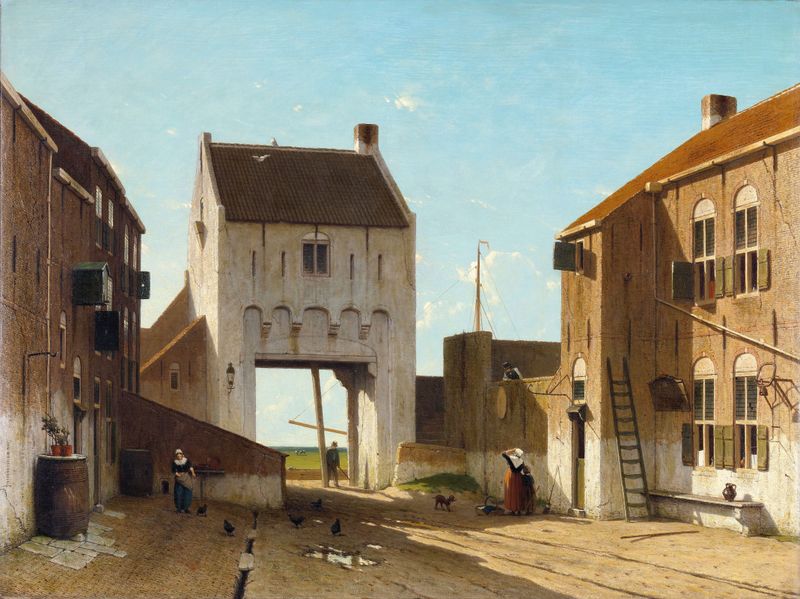
A Town Gate in Leerdam
Jan Weissenbruch
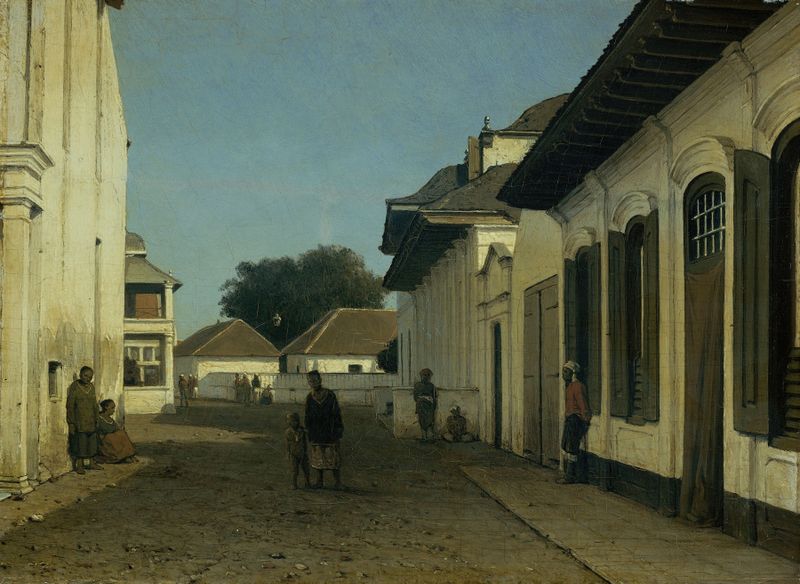
Een straat in het oude deel van Batavia
Jan Weissenbruch
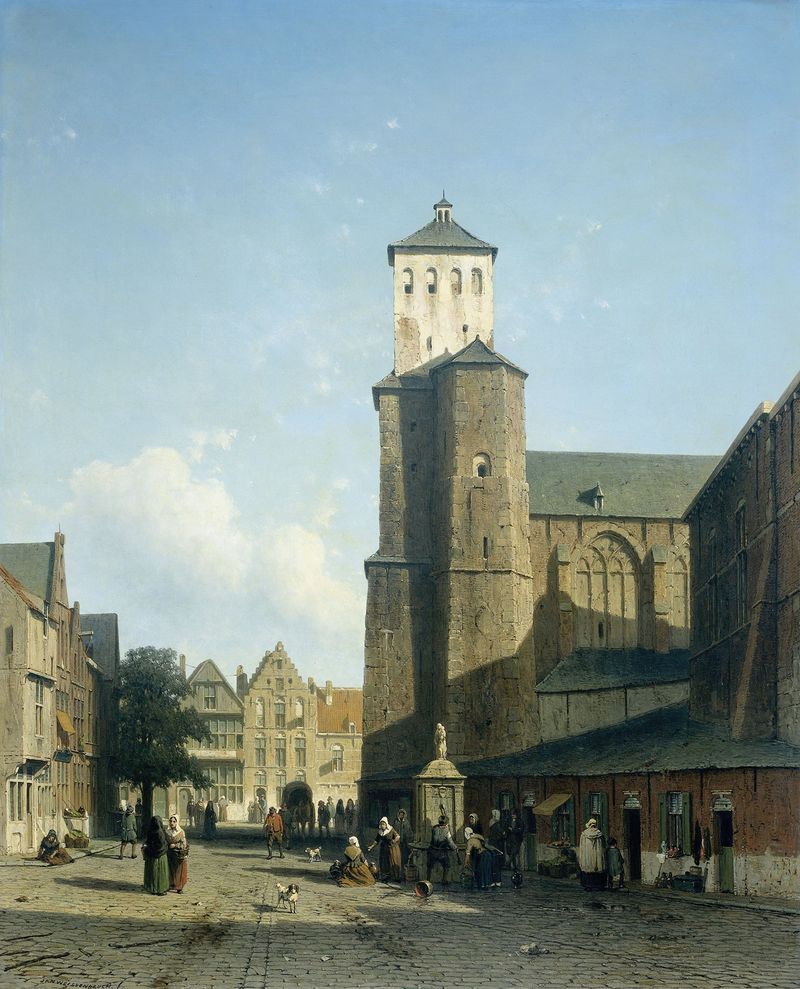
St Denis Church in Liège
Jan Weissenbruch
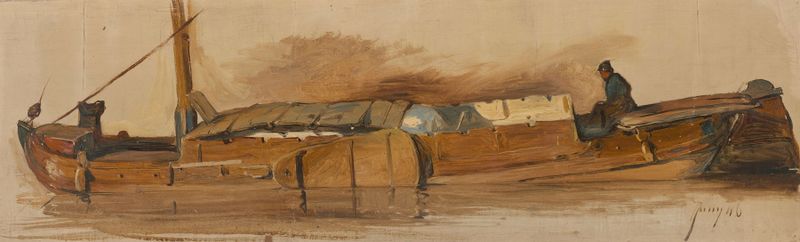
Lange schuit met schipper
Jan Weissenbruch





