
Dorpsstraat — History & Facts
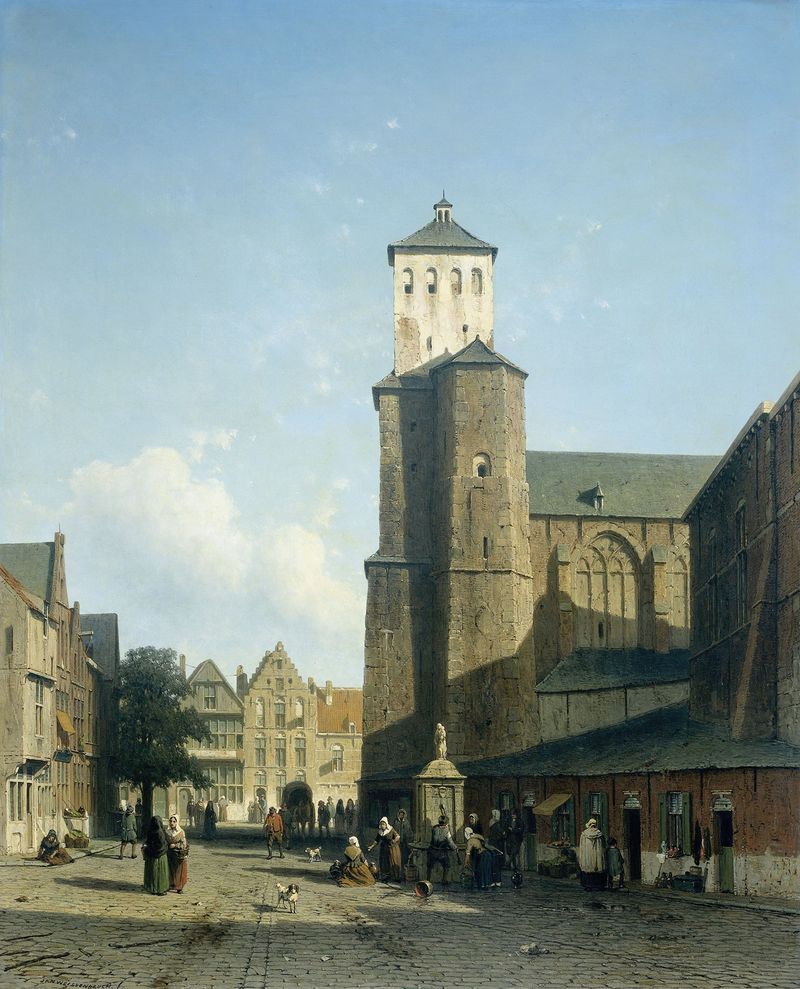
In Dorpsstraat, the landscape speaks of emptiness, a haunting silence echoing through the cobblestone streets that seem to yearn for life yet remain eerily still. Look to the left at the quaint houses, their muted hues intermingling with the shadows cast by a lazy afternoon sun. Notice how the light dances delicately across the facades, emphasizing the subtle textures of the brick and wood, while the narrow street stretches back like an invitation to nowhere. The composition draws you in, leading the eye through the gentle curves of the rooftops to the distant horizon, which remains tantalizingly out of reach. Yet within this serene façade lies an undercurrent of isolation.
The empty street speaks of absence, a loneliness that permeates the space, suggesting a story not fully told. The muted color palette imbues the scene with a sense of nostalgia, hinting at lives lived and lost, while the careful brushwork reveals an artist's tender relationship with the landscape, transforming ordinary architecture into poignant symbols of yearning. Each detail evokes a silent question: who has walked these streets, and why do they remain vacant? Painted during a transitional period in the artist's life, Weissenbruch created Dorpsstraat in the mid-19th century, a time when Dutch art was shifting towards realism while still embracing romantic ideals.
Residing in The Hague, he was influenced by the growing appreciation for capturing everyday life, a departure from grand historical subjects. This painting reflects both the beauty of domestic settings and a deeper existential longing, emblematic of his introspective exploration of human experience within the confines of ordinary scenes.
More Artworks by Jan Weissenbruch
Browse all →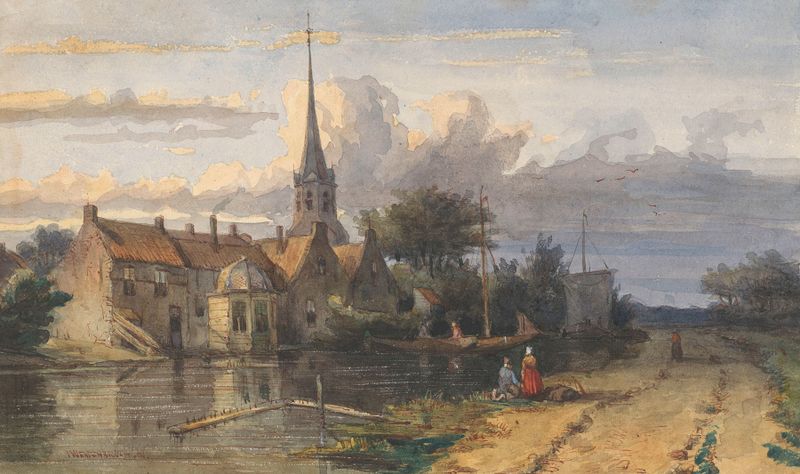
Gezicht op een dorp aan een vaart
Jan Weissenbruch
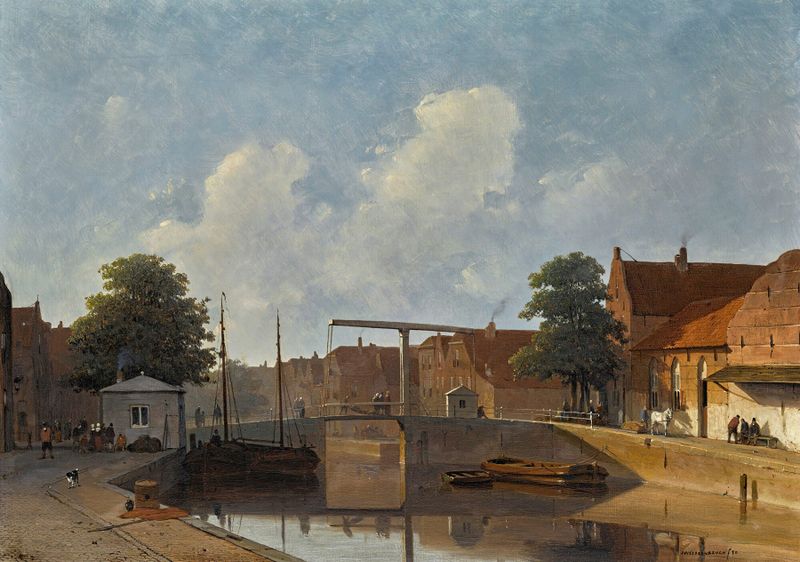
A Dutch Canal
Jan Weissenbruch
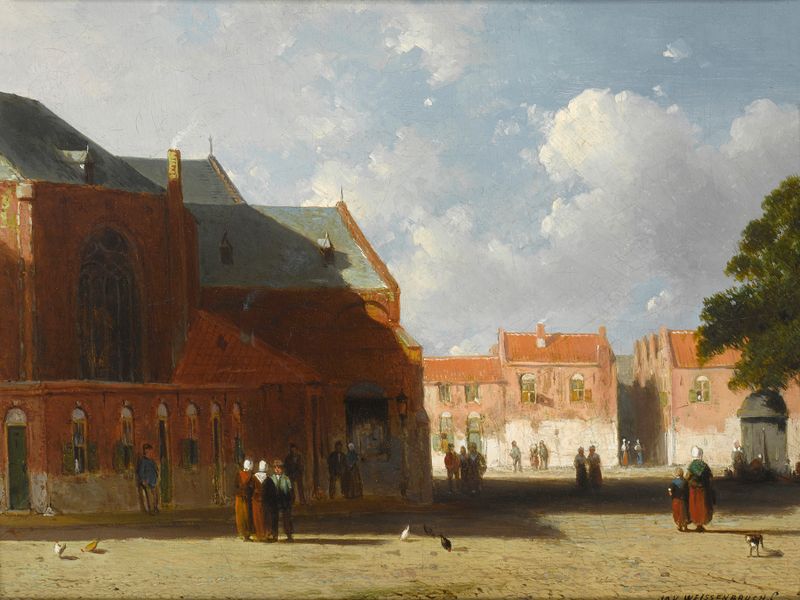
A view of a Dutch town
Jan Weissenbruch
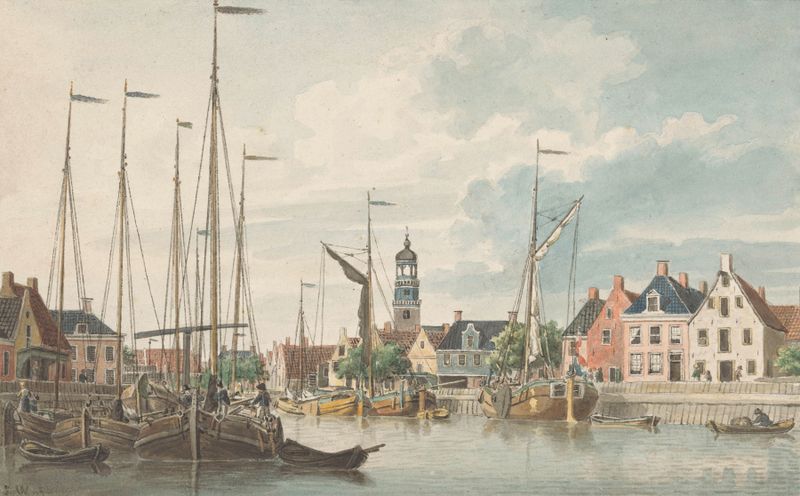
Gezicht te De Lemmer
Jan Weissenbruch
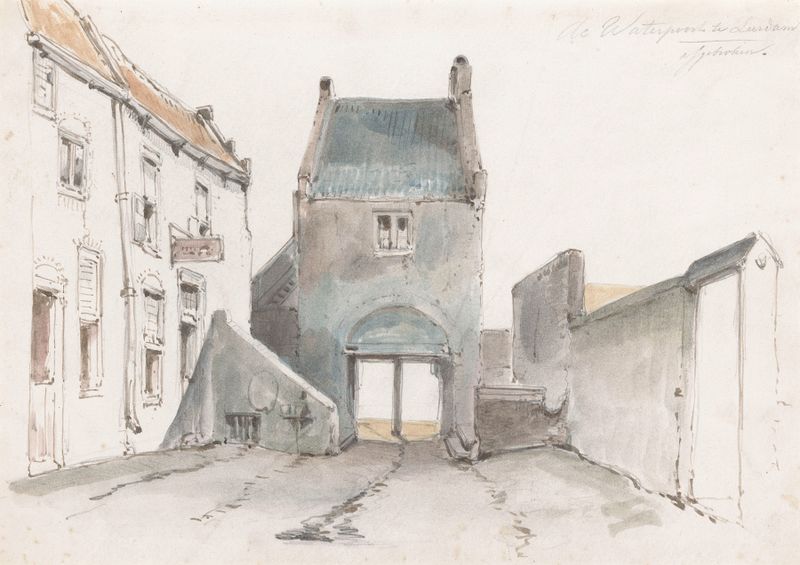
Steigerpoort te Leerdam
Jan Weissenbruch
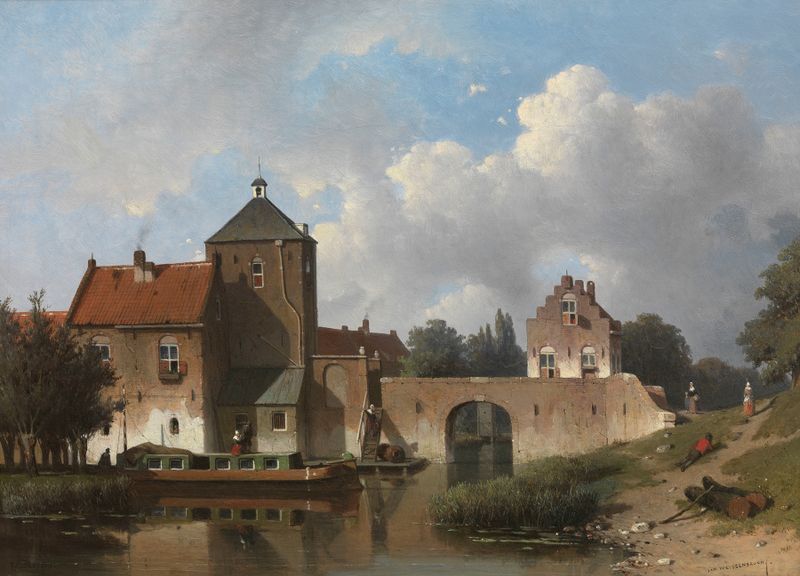
The IJsselpoort at IJsselstein
Jan Weissenbruch
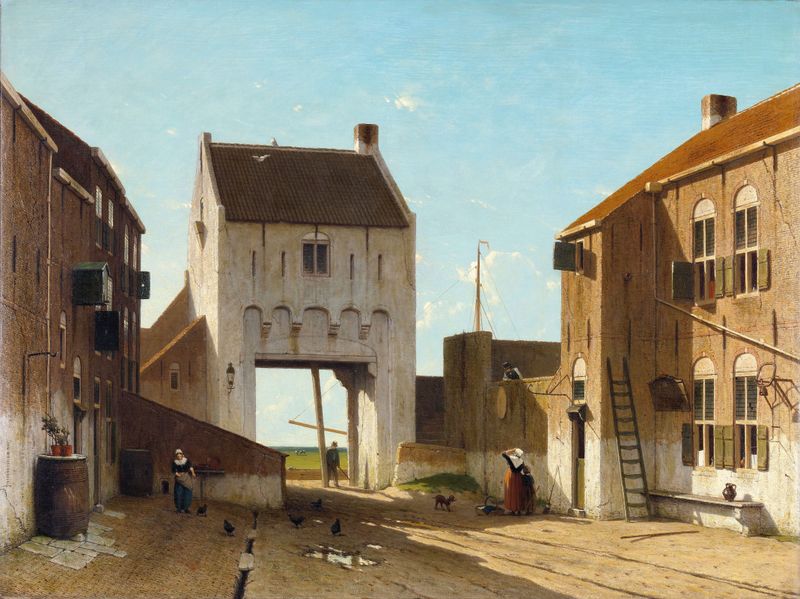
A Town Gate in Leerdam
Jan Weissenbruch
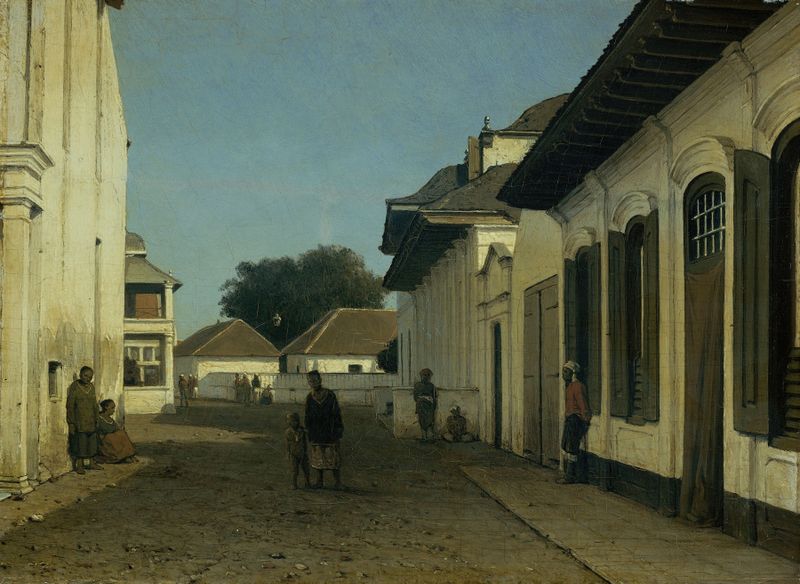
Een straat in het oude deel van Batavia
Jan Weissenbruch
St Denis Church in Liège
Jan Weissenbruch
Lange schuit met schipper
Jan Weissenbruch





