
A Goat and a Kid — History & Facts
A shaft of golden light finds its way through the dense woodland, settling on the rough coats of a goat and its kid—an ordinary pair, yet here, under the gaze of Adriaen van de Velde, they become the quiet center of the world. The animals pause, alert but unhurried, their bodies turned just enough to reveal the gentle curve of the kid’s neck and the proud, wary stance of the adult. The painter’s eye lingers on the texture of their fur, the subtle play of shadow and sun, and the way the earth beneath their hooves is dappled with the memory of leaves.
In this stillness, every detail is a clue: the low vantage point draws us into their world, while the enveloping darkness of the forest frames their moment of calm. This kind of intimate animal study flourished in the Dutch Golden Age, a period when painters like van de Velde found new poetry in the everyday. Between 1655 and 1672, artists responded to a growing middle-class appetite for scenes of rural life and the natural world, often intended for private homes rather than churches or palaces. The careful attention to light and atmosphere here reflects both a scientific curiosity and a deep affection for the subject—qualities that set Dutch animal painting apart from the more theatrical Italian or Flemish traditions.
Though little is recorded about the journey of this particular canvas, now in the GalleriX collection, it stands as a quiet testament to a time when even a goat and its kid could be worthy of close, loving observation. Look again at the way their forms emerge from the gloom: the real subject may be not the animals, but the act of seeing itself.
More Artworks by Adriaen van de Velde

Staande stier
Adriaen van de Velde
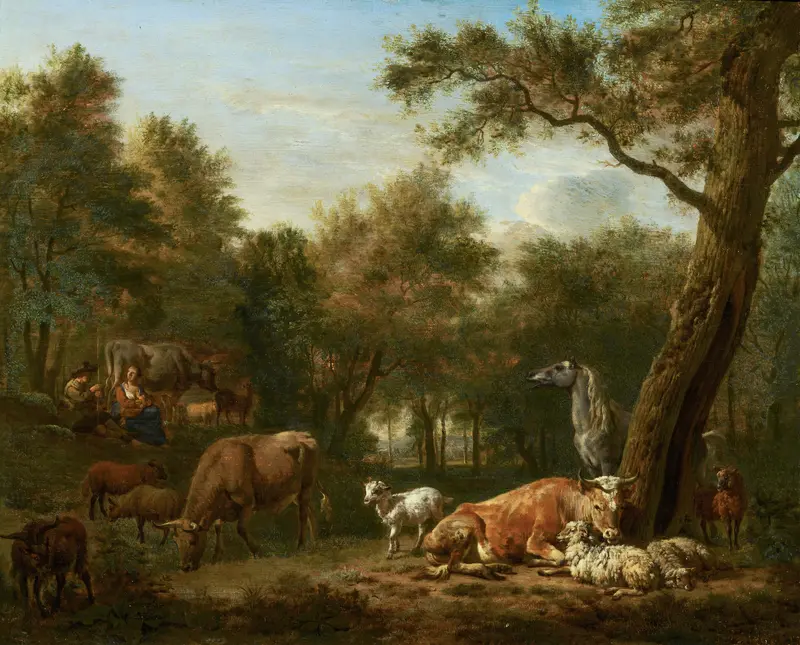
Wooded Landscape with Cattle
Adriaen van de Velde
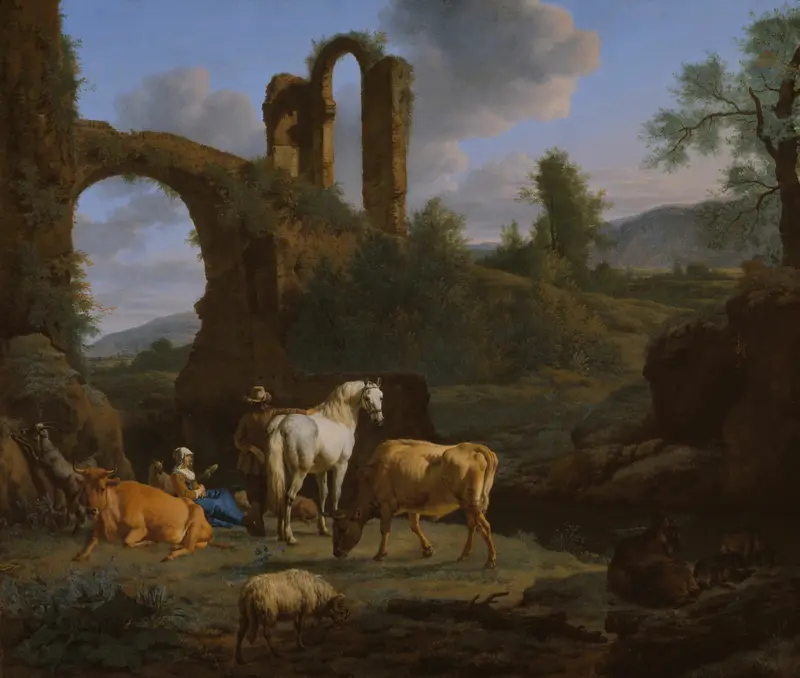
Pastoral Landscape with Ruins
Adriaen van de Velde
Pastoral Landscape with Ruins
Adriaen van de Velde
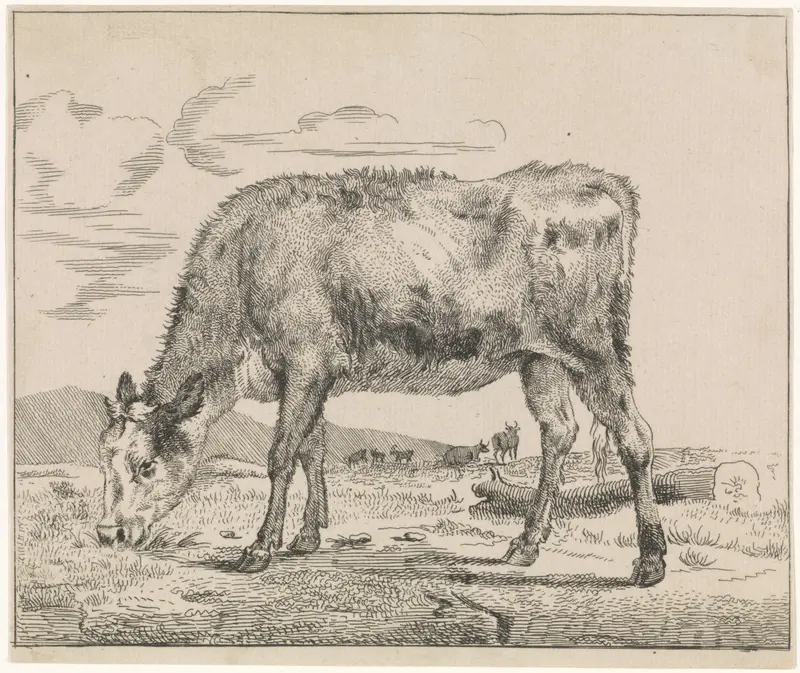
Grazend kalf
Adriaen van de Velde
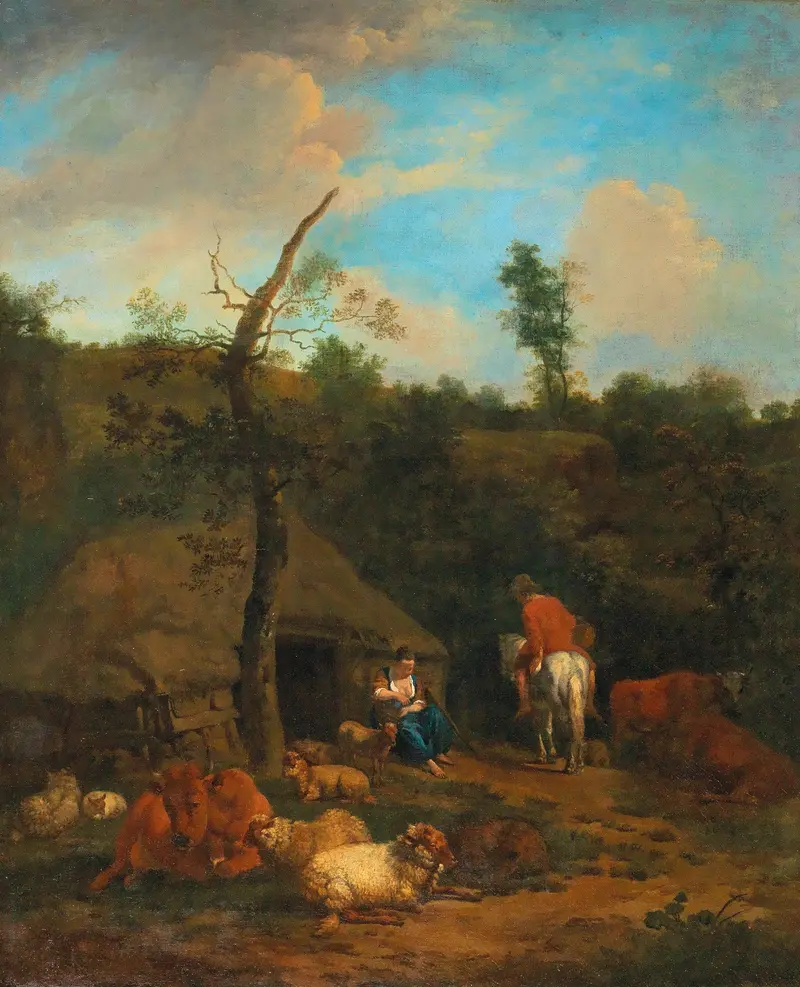
A herdsman and a shepherdess in front of a wooden farmhouse
Adriaen van de Velde
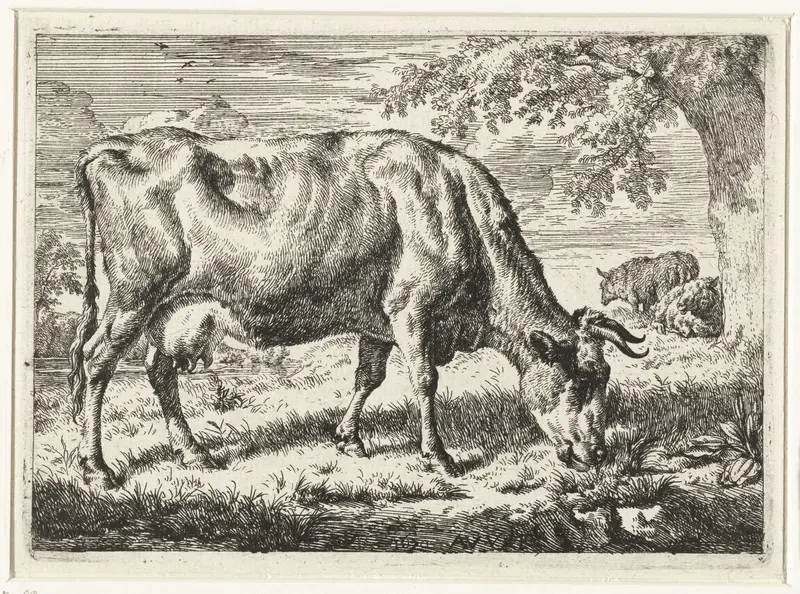
Grazende koe en twee schapen
Adriaen van de Velde
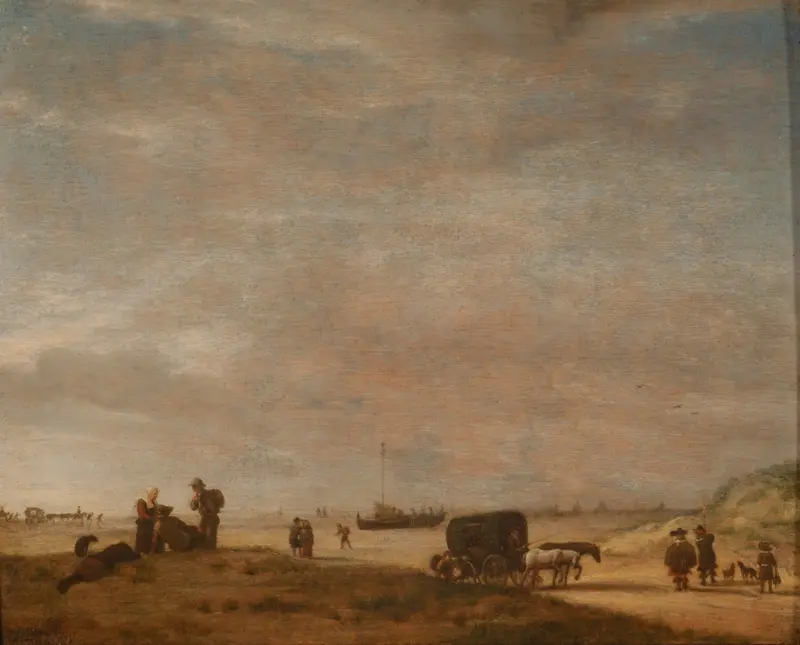
Scheveningen Beach
Adriaen van de Velde
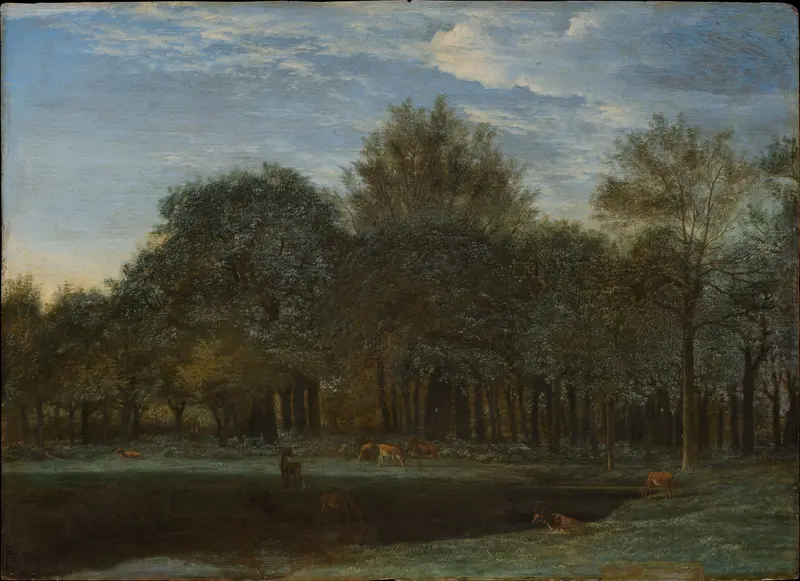
Forest Clearing with Grazing Deer
Adriaen van de Velde
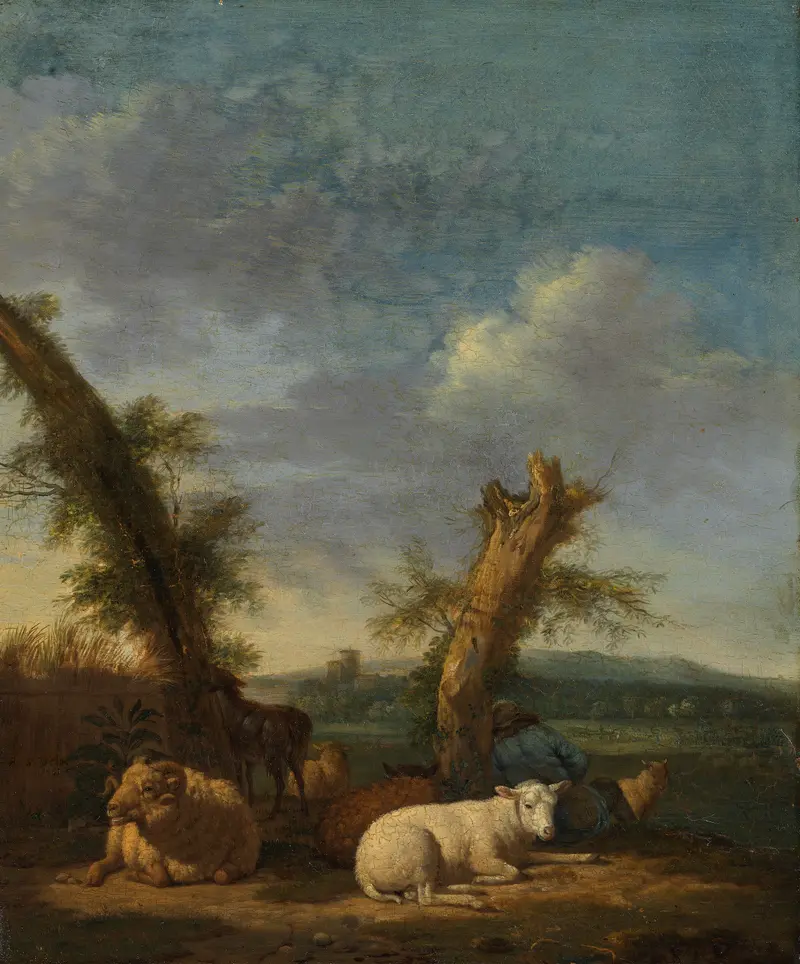
Landscape with Sheep and a Sleeping Shepherd
Adriaen van de Velde





