
A Mad Tea-Party (Alice in Wonderland) — History & Facts
What first draws the eye in A Mad Tea-Party is the long, impossibly stretched table, set with a parade of empty teacups and saucers, each one echoing the sense of repetition and confusion that defines this famous scene. The viewer is led down the table’s length, past the hunched, exaggerated figures of the Hatter and the March Hare, to the solitary, wide-eyed Alice, who sits upright in a grand chair that seems almost too large for her. The Hatter’s elongated fingers and beaked nose, the Hare’s restless posture, and the dappled, shadowy foliage overhead create a mood of nervous anticipation—every detail conspires to make the ordinary act of taking tea feel both magical and slightly unsettling.
The muted palette, dominated by earthy browns and soft greys, heightens the sense of a dream on the edge of fading, while the careful rendering of china and silver anchors the scene in a reality that feels just out of reach. This illustration comes from a 1907 edition of Alice’s Adventures in Wonderland, a period when illustrated books were prized as treasures for both children and adults. The early twentieth century saw a flourishing of fantastical illustration in Britain, with artists like Arthur Rackham celebrated for their ability to conjure entire worlds in ink and watercolor. Such works were often commissioned by publishers eager to attract a growing middle-class audience hungry for enchantment and escape.
While history has kept few traces of the individual journey of this particular drawing, its presence in a 1907 publication places it squarely within the golden age of book illustration, when artists were redefining how stories could be seen as well as read. Look again at the teacups and faces: each is a doorway into the strange logic and lasting wonder of Wonderland.
More Artworks by Arthur Rackham
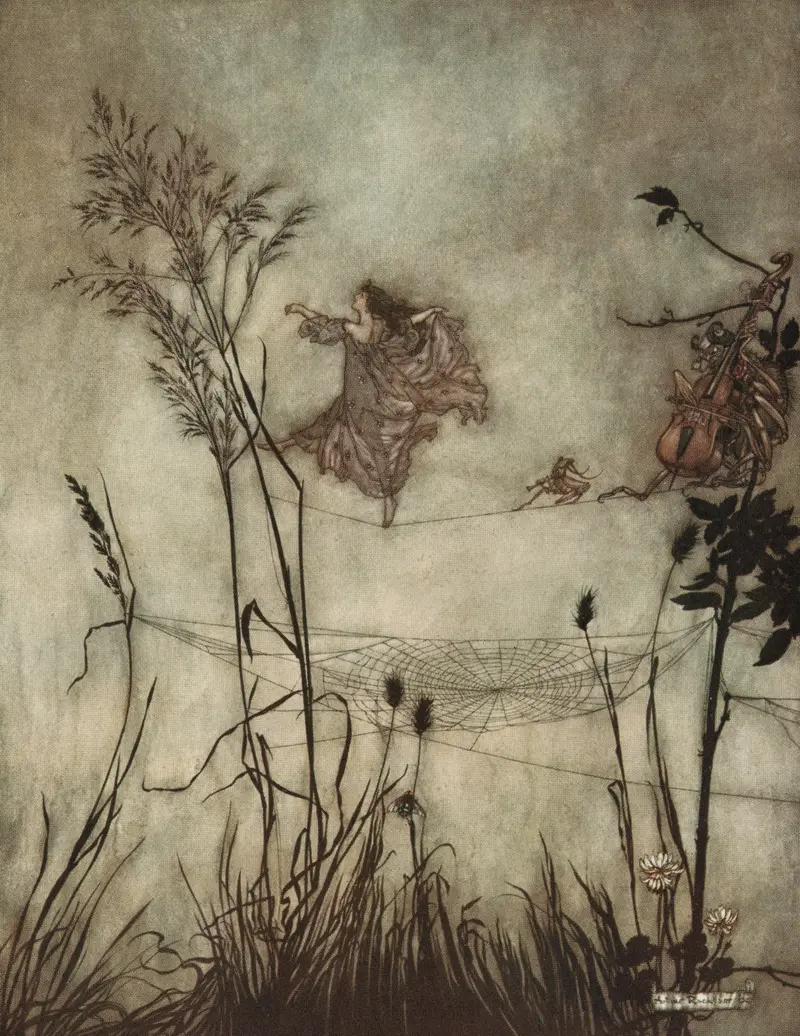
The Fairies Are Exquisite Dancers
Arthur Rackham
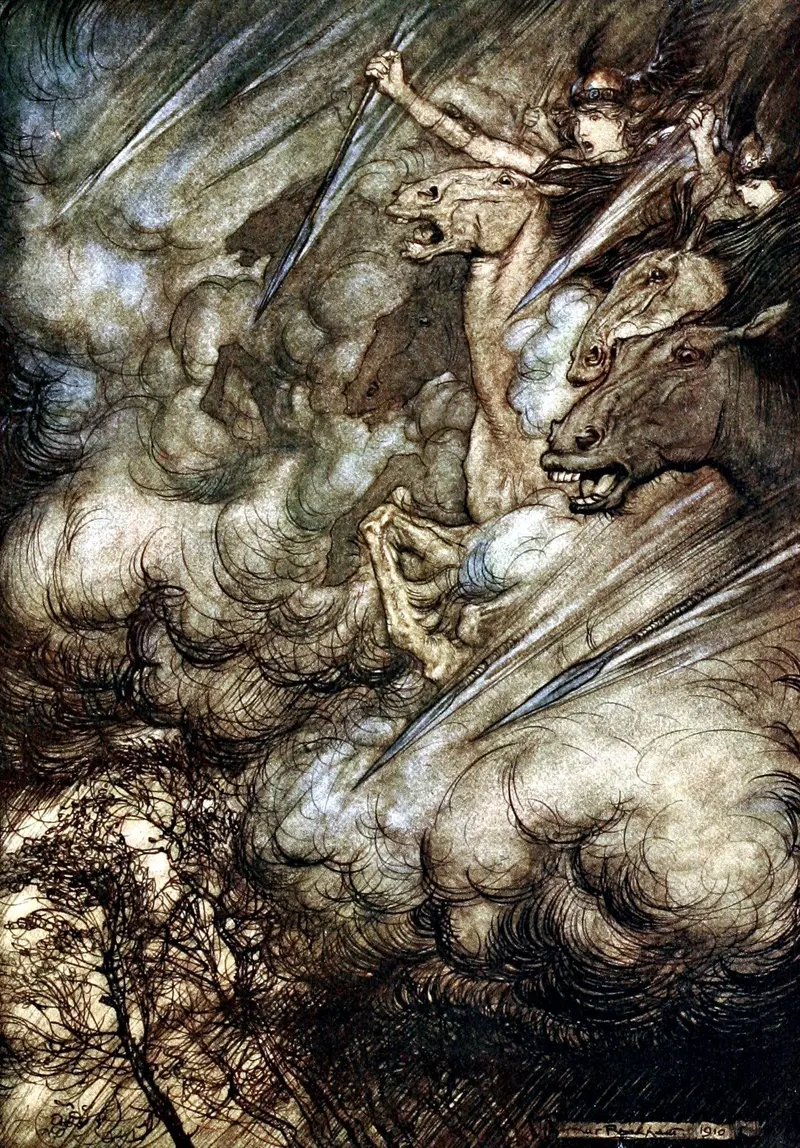
The Ride of the Valkyries
Arthur Rackham

Arthur Rackham ('A Transpontine Cockney')
Arthur Rackham
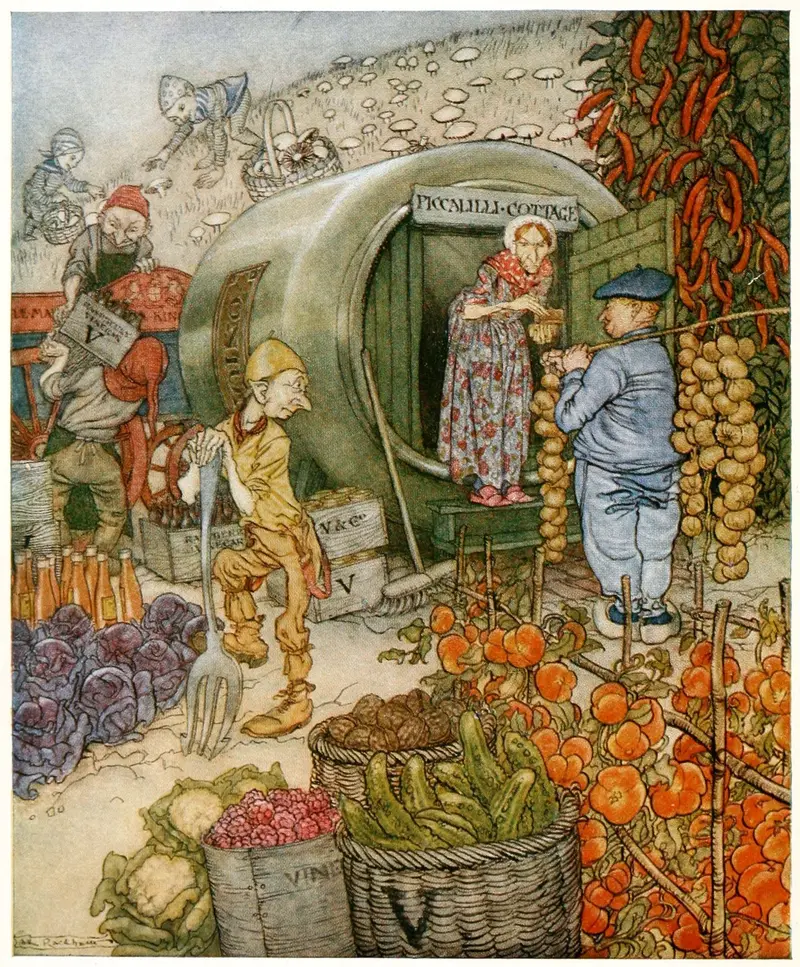
English Fairy Tales (Frontispiece)
Arthur Rackham
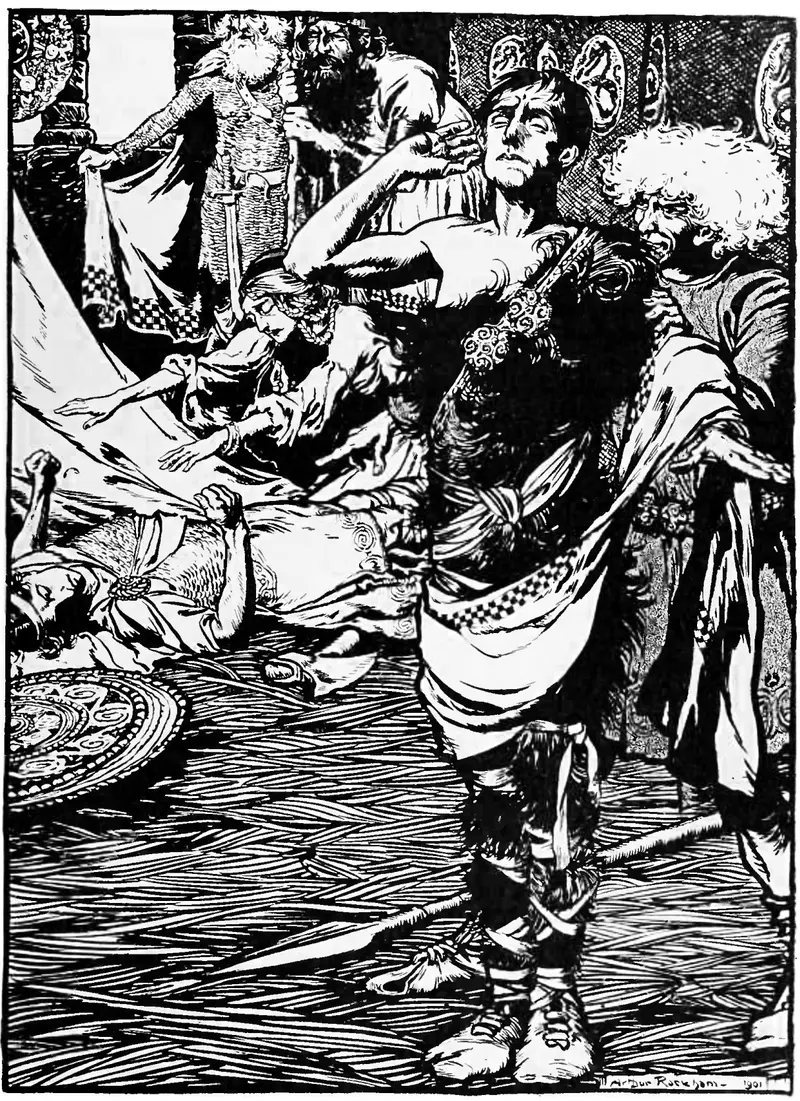
There Broke Forth a Wailing and a Lamentation
Arthur Rackham
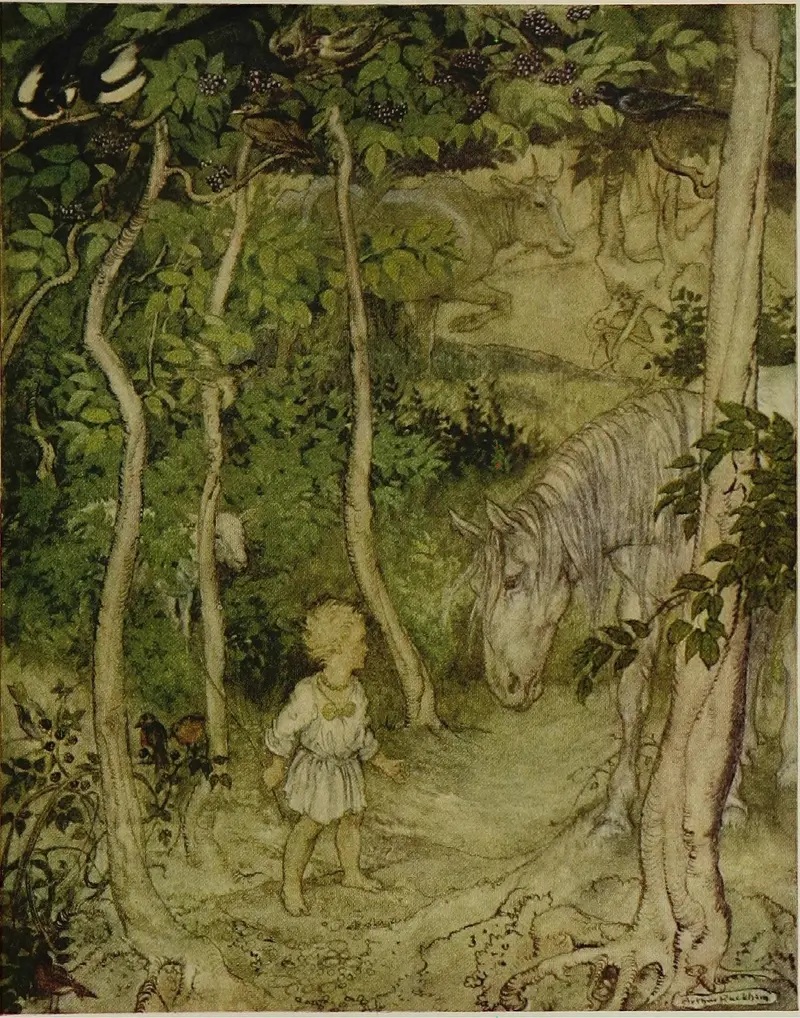
Irish Fairy Tales
Arthur Rackham
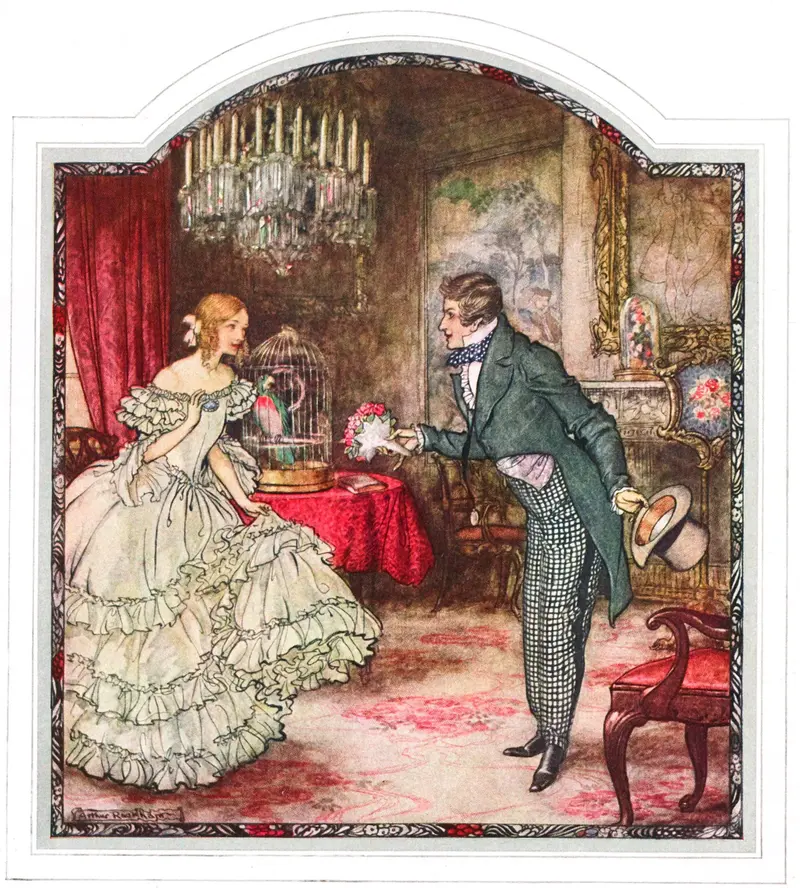
The Bouquet
Arthur Rackham

Mother Goose: The Old Nursery Rhymes
Arthur Rackham
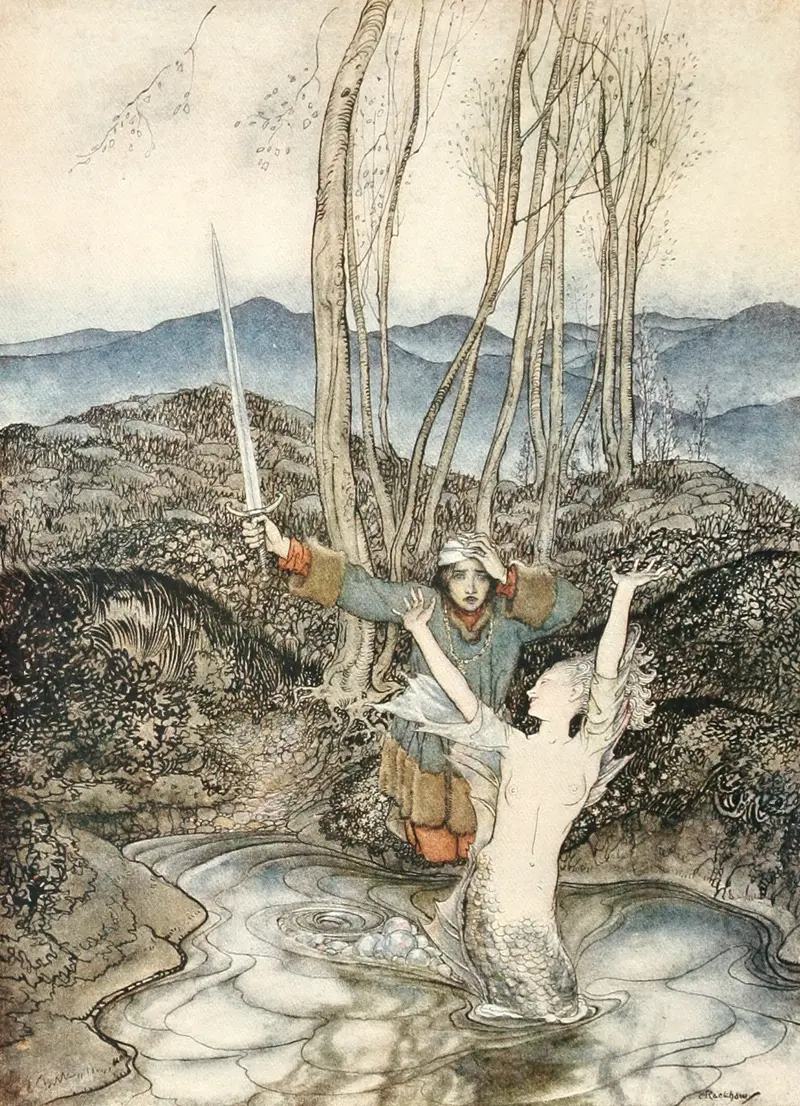
Clerk Colvill and the Mermaid
Arthur Rackham
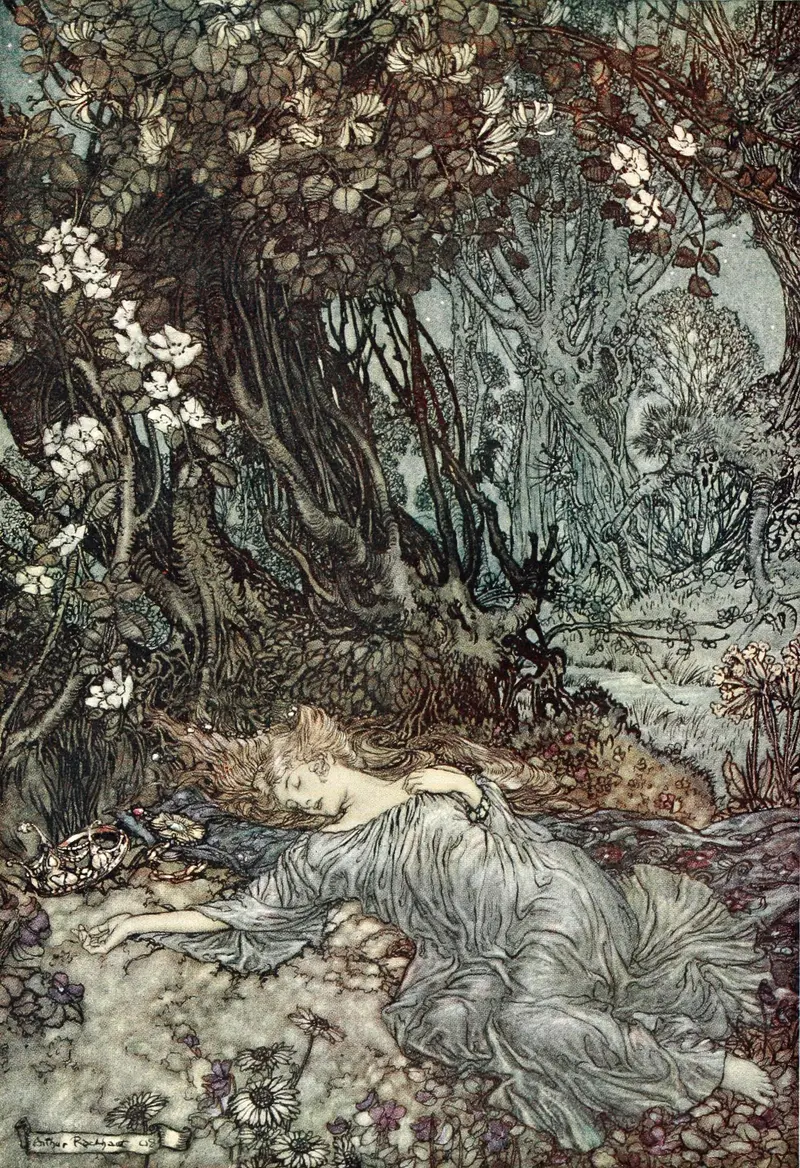
Titania Lying Asleep (A Midsummer Night's Dream)
Arthur Rackham





