
A Mediterranean harbor with figures unloading cargo — History & Facts
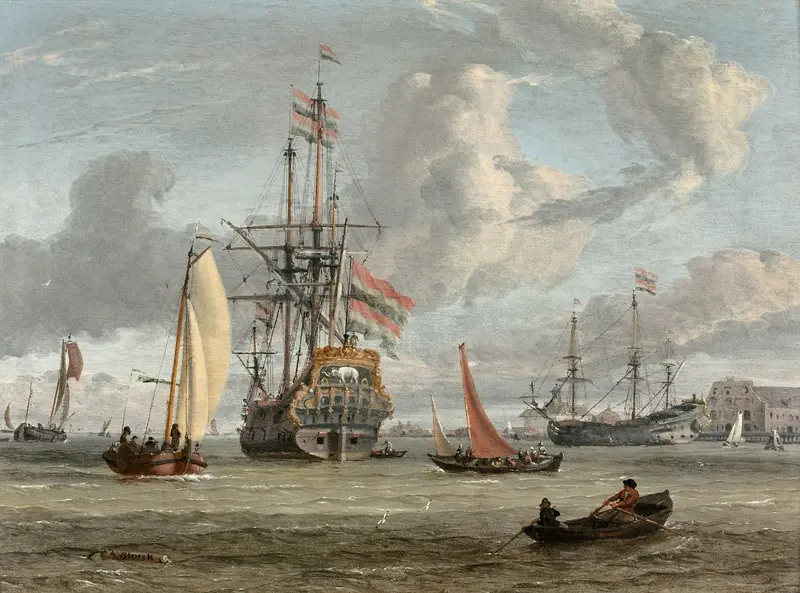
A sense of arrival animates every corner of A Mediterranean harbor with figures unloading cargo. The eye is drawn first to the gleaming sails, catching the last light as they billow against a sky thick with monumental clouds. On the quay, figures bend to their tasks: barrels are rolled, goods are tallied, and gestures fly between merchants and sailors, each movement a fragment of the wider choreography of trade.
The domed church, rising behind the bustle, anchors the scene in grandeur and order, its architecture echoed by the rigging and masts that crowd the harbor’s edge. Storck’s palette, with its cool blues and warm ochres, sets a mood of industrious calm, while the low horizon lets the sky command the upper half of the painting, suggesting both the promise and unpredictability of the sea. Works like this, painted by Abraham Storck in the seventeenth century, were prized by the Dutch mercantile elite—men who built fortunes on the tides and wanted reminders of distant ports and the world’s goods flowing home. These harbor views, part fantasy and part record, spoke to an era when global trade was reshaping Europe’s cities and imaginations.
The painting’s current presence in a Christie’s online collection hints at its journey through private hands, but little else is recorded about its specific past. History has kept few traces of this particular scene, yet its details invite the viewer to linger, piecing together the ambitions and daily labors of a world in motion.
More Artworks by Abraham Storck

The Muscovite legation visiting Amsterdam, 29 August 1697
Abraham Storck
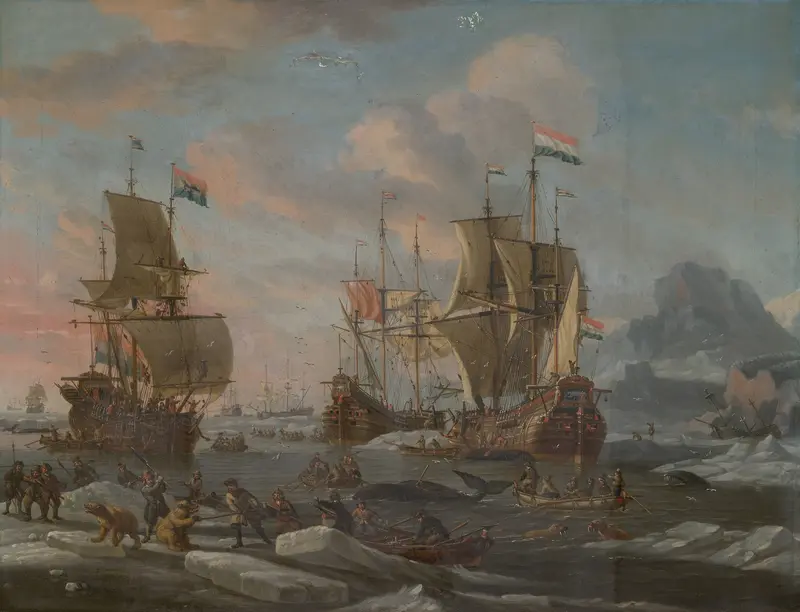
The Dutch Whaling Fleet
Abraham Storck
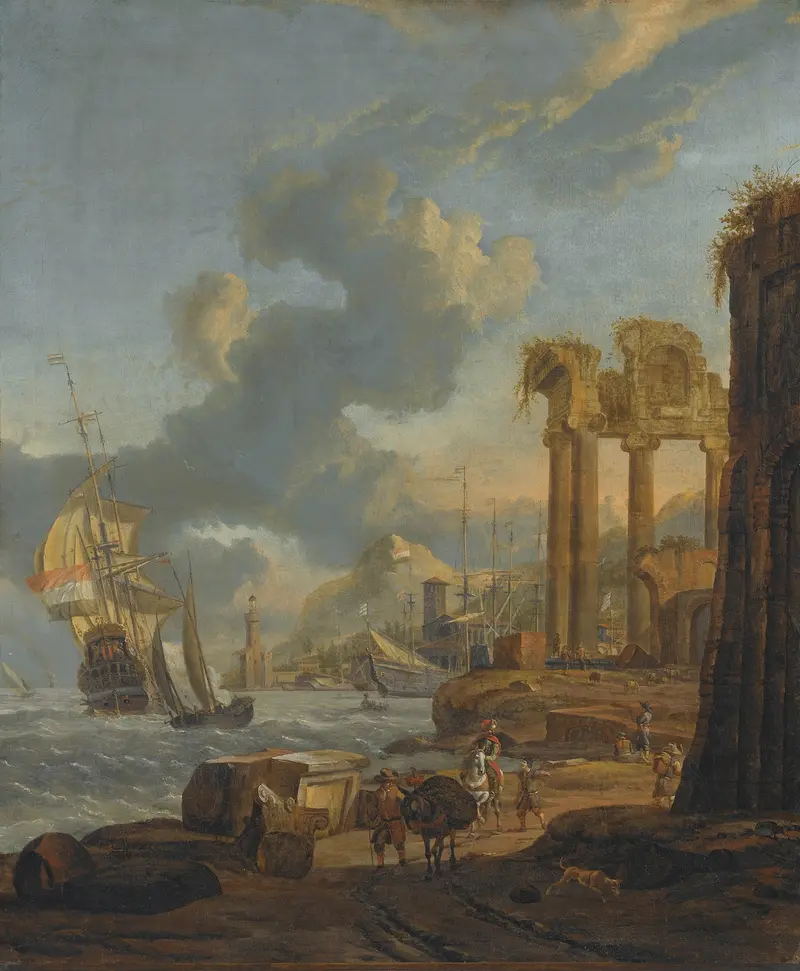
A Mediterranean Harbour Scene With Travellers On The Shore, A Dutch Man-Of-War On The Left
Abraham Storck
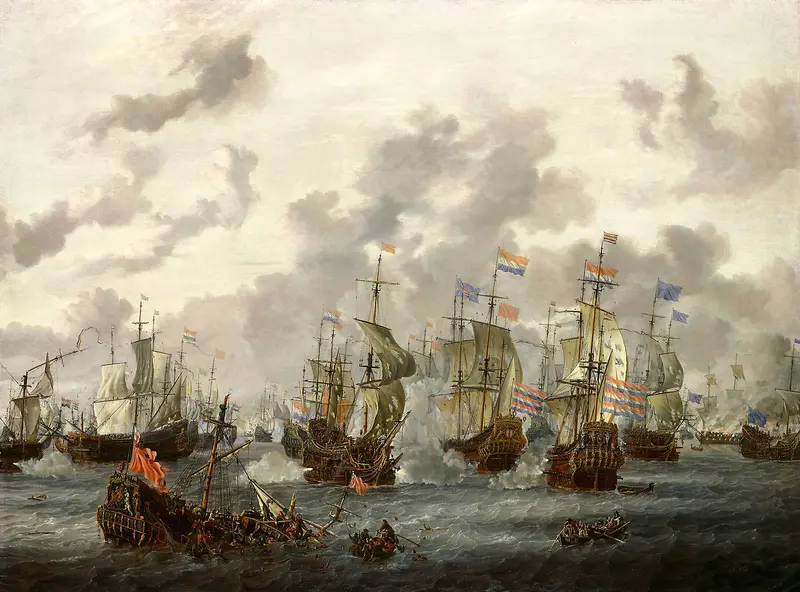
The Four Days’ Battle
Abraham Storck
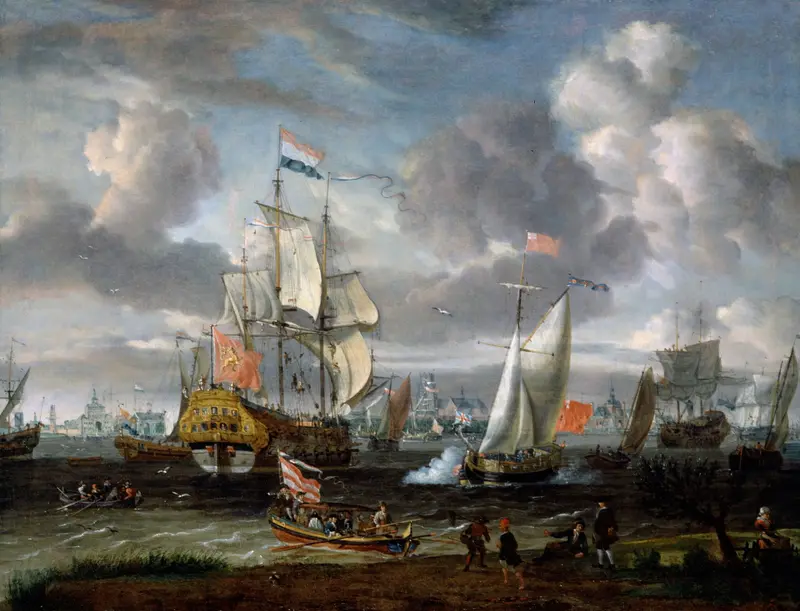
An English Yacht saluting a Dutch Man-of-War in the port of Rotterdam
Abraham Storck
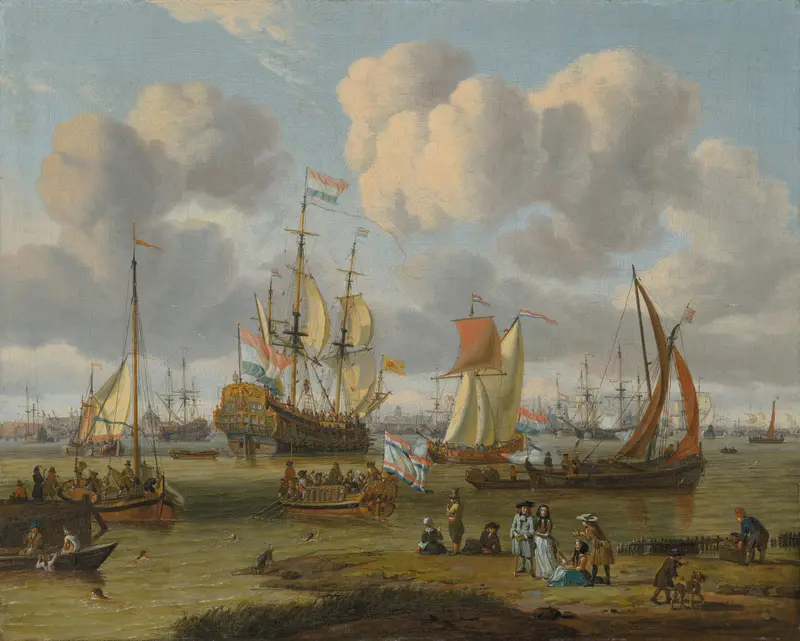
Shipping off Amsterdam with figures on a quay
Abraham Storck
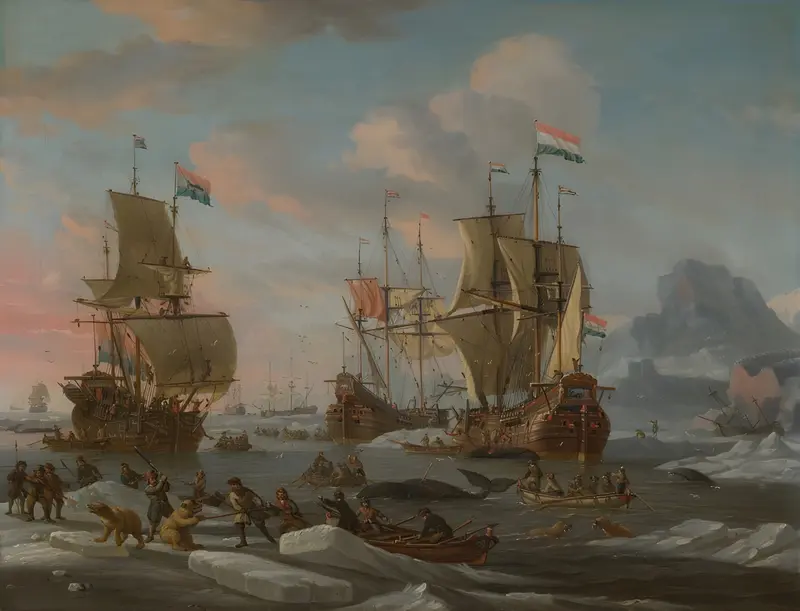
The Dutch Whaling Fleet
Abraham Storck
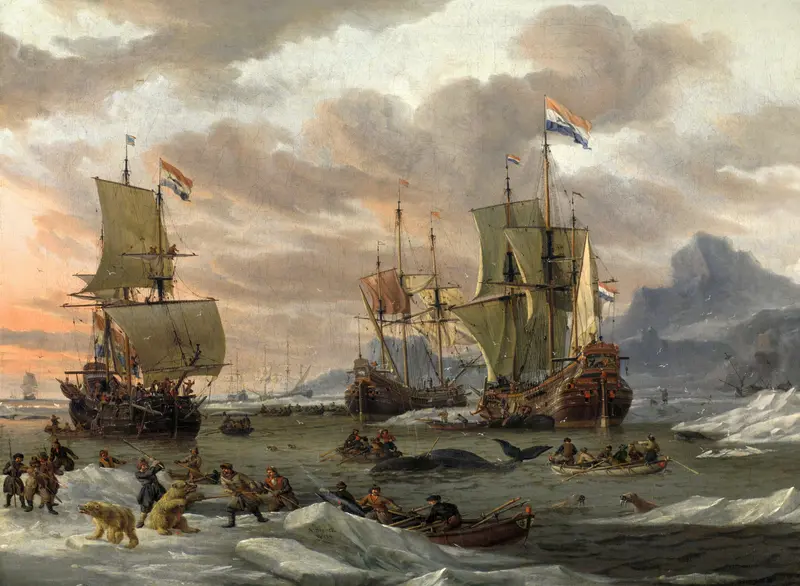
Whaling Grounds in the Arctic Ocean
Abraham Storck
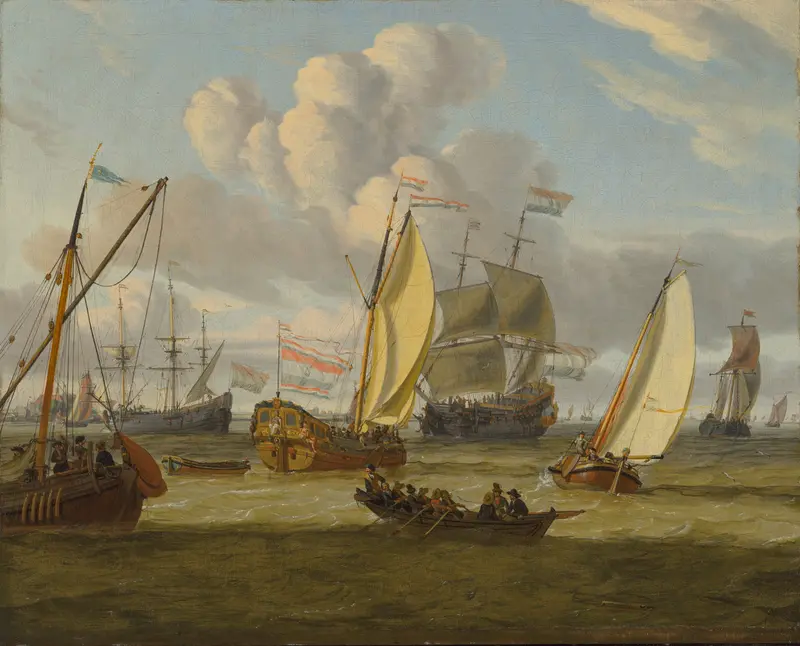
Shipping in an estuary
Abraham Storck
Grand navire de la couronne du Danemark près d’un littoral
Abraham Storck





