
A moonlit landscape — History & Facts
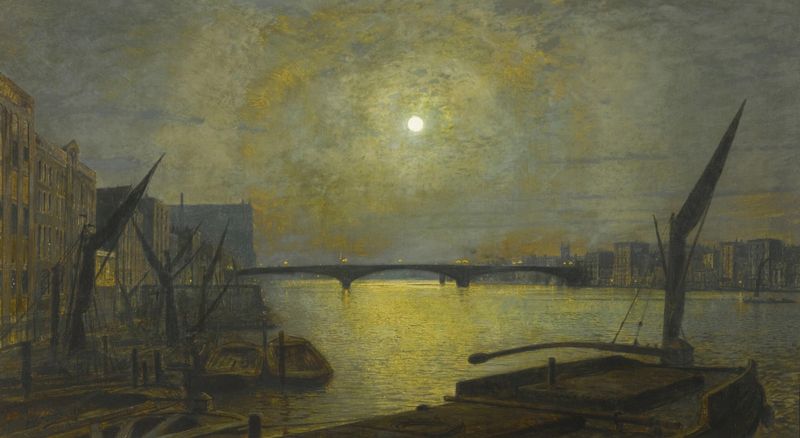
The quiet glow of moonlight has the power to transform landscapes, imbuing them with a profound sense of wonder and introspection. As the night unfolds, what secrets does the silence of nature whisper to us? To truly appreciate this artwork, focus on the delicate interplay of light and shadow. Notice how the silvery moon casts a gentle luminance over the trees, revealing intricate details of their bark and leaves.
The foreground invites your gaze with its rich, deep blues and greens, while the horizon blurs into a misty twilight, creating a harmonious balance between vibrancy and tranquility. The brushwork feels intentional, almost tender, as if the artist tenderly caressed each stroke, capturing not just a scene, but an emotion. The depth of this piece lies in its contrasts. The serene beauty of the moonlit night contrasts sharply with the emotional weight of a world filled with unrest.
This artwork evokes a yearning for escape, a romantic ideal in the face of societal upheaval. The moon, a celestial witness, symbolizes hope and revolution, inviting viewers to reflect on their own journeys through darkness into light. During the time A moonlit landscape was created, John Atkinson Grimshaw was navigating a changing artistic landscape in Victorian England. He found himself amidst the rise of the Pre-Raphaelite Brotherhood, which emphasized naturalism and emotional depth.
As urbanization transformed society, his work offered an alternative, seeking solace in the beauty of nature while hinting at the underlying turmoil of the era.
More Artworks by John Atkinson Grimshaw
Browse all →
Under the Silvery Moonbeams
John Atkinson Grimshaw
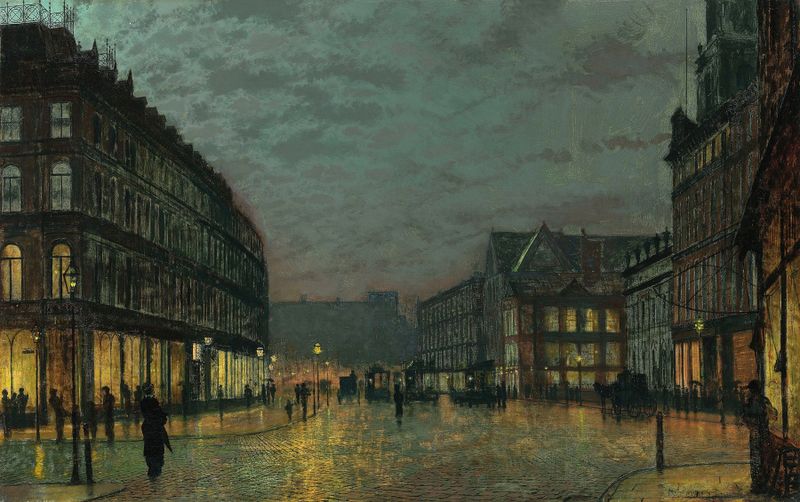
Boar Lane, Leeds by lamplight
John Atkinson Grimshaw
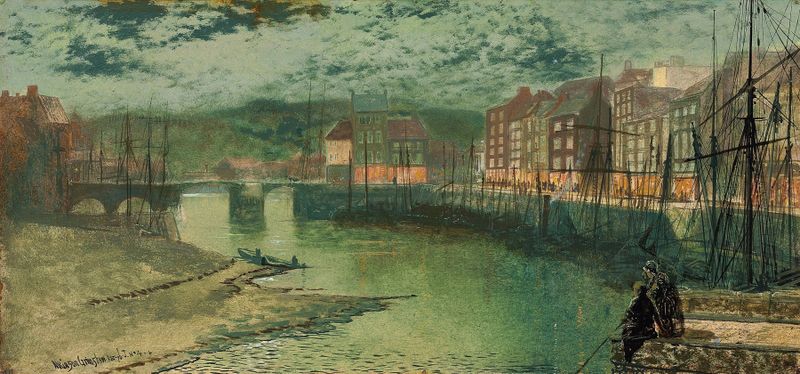
Whitby docks
John Atkinson Grimshaw

Old Chelsea
John Atkinson Grimshaw

Late October
John Atkinson Grimshaw
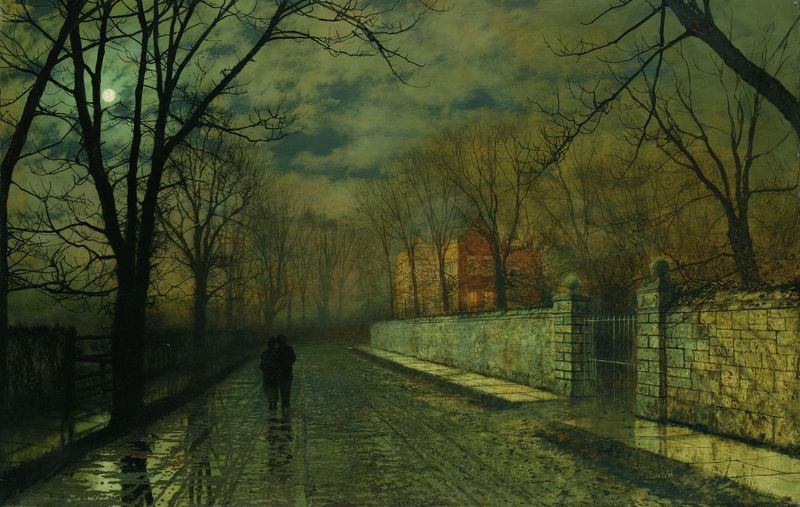
Figures In A Moonlit Lane After Rain
John Atkinson Grimshaw

Liverpool Lights
John Atkinson Grimshaw
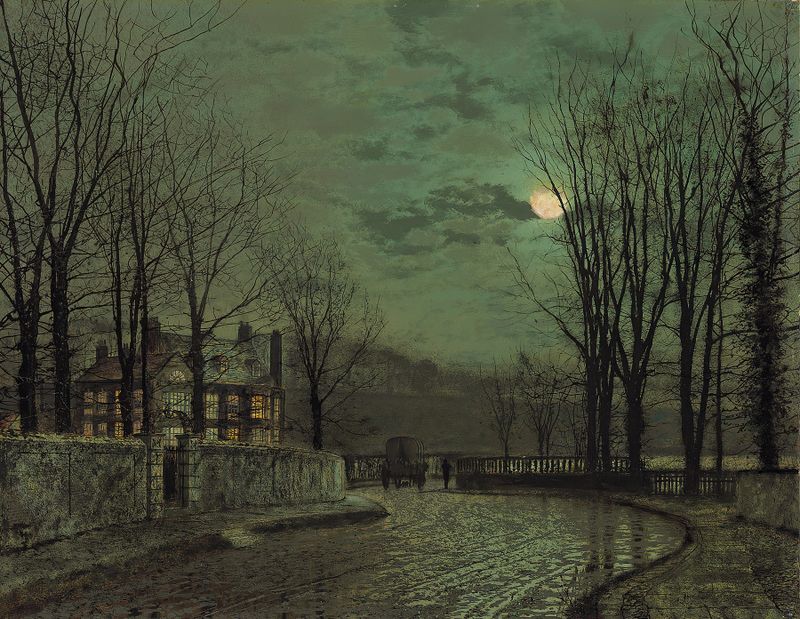
November Moonlight
John Atkinson Grimshaw
Southwark Bridge from Blackfriars by Moonlight
John Atkinson Grimshaw

Whitby From Scotch Head, Moonlight On The Esk
John Atkinson Grimshaw





