Discover insights about this artwork
A peasant in a high cap, standing leaning on a stick — History & Facts
Can paint confess what words never could? In Rembrandt's A Peasant in a High Cap, Standing Leaning on a Stick, the canvas speaks volumes about fragility and resilience through a solitary figure whose presence captivates with understated strength. Focus first on the peasant's face, where the light illuminates deep-set features etched by time and toil. Notice the luminous brushstrokes that capture the nuances of his weathered skin, revealing stories of hardship and endurance. The high cap, reminiscent of his social standing, contrasts with the humble gesture of leaning on a stick, suggesting both pride and weariness.
The rich, warm palette envelops him, creating a cocoon of earthly tones that enhances the emotional depth of the scene. In the delicate interplay of light and shadow, we are reminded of the tension between vulnerability and strength. The figure’s stance, while appearing relaxed, conveys an underlying struggle—the very essence of human existence. The stick, a simple prop, symbolizes not just support but also a connection to the land and labor, grounding the peasant amidst life’s uncertainties.
Each brushstroke reveals the inherent fragility of his world, inviting us to ponder what it truly means to be seen. Painted in 1639, this work emerged during a period when Rembrandt was deeply engrossed in exploring the human condition. Living in Amsterdam, he was establishing himself as a master of chiaroscuro and intimate portrayals, navigating both personal challenges and the vibrant art market of the Dutch Golden Age. This piece reflects not just an individual but the collective spirit of the era, bridging the gap between the ordinary and the extraordinary.
More Artworks by Rembrandt van Rijn
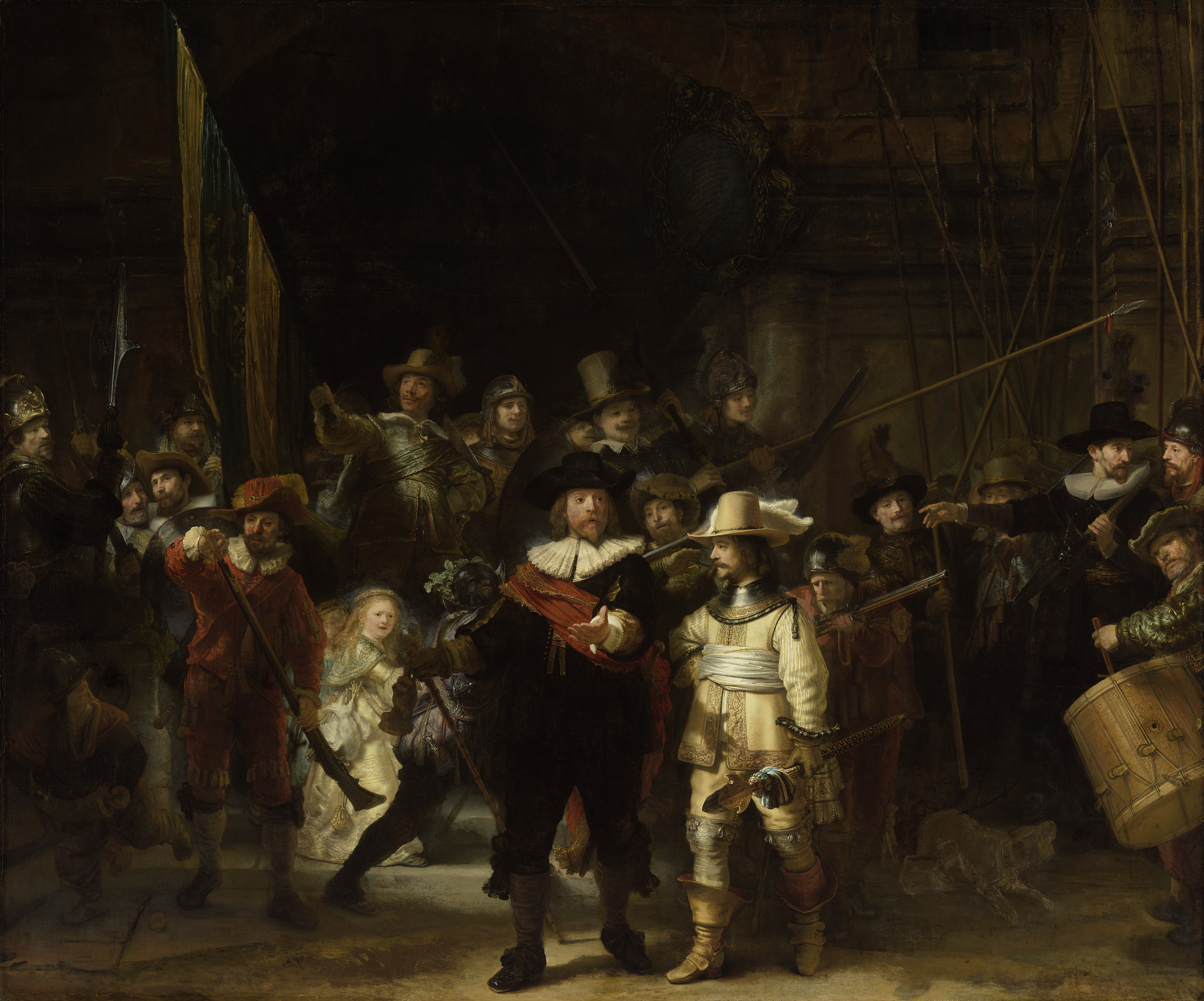
The Night Watch Militia Company of District II under the Command of Captain Frans Banninck Cocq
Rembrandt van Rijn
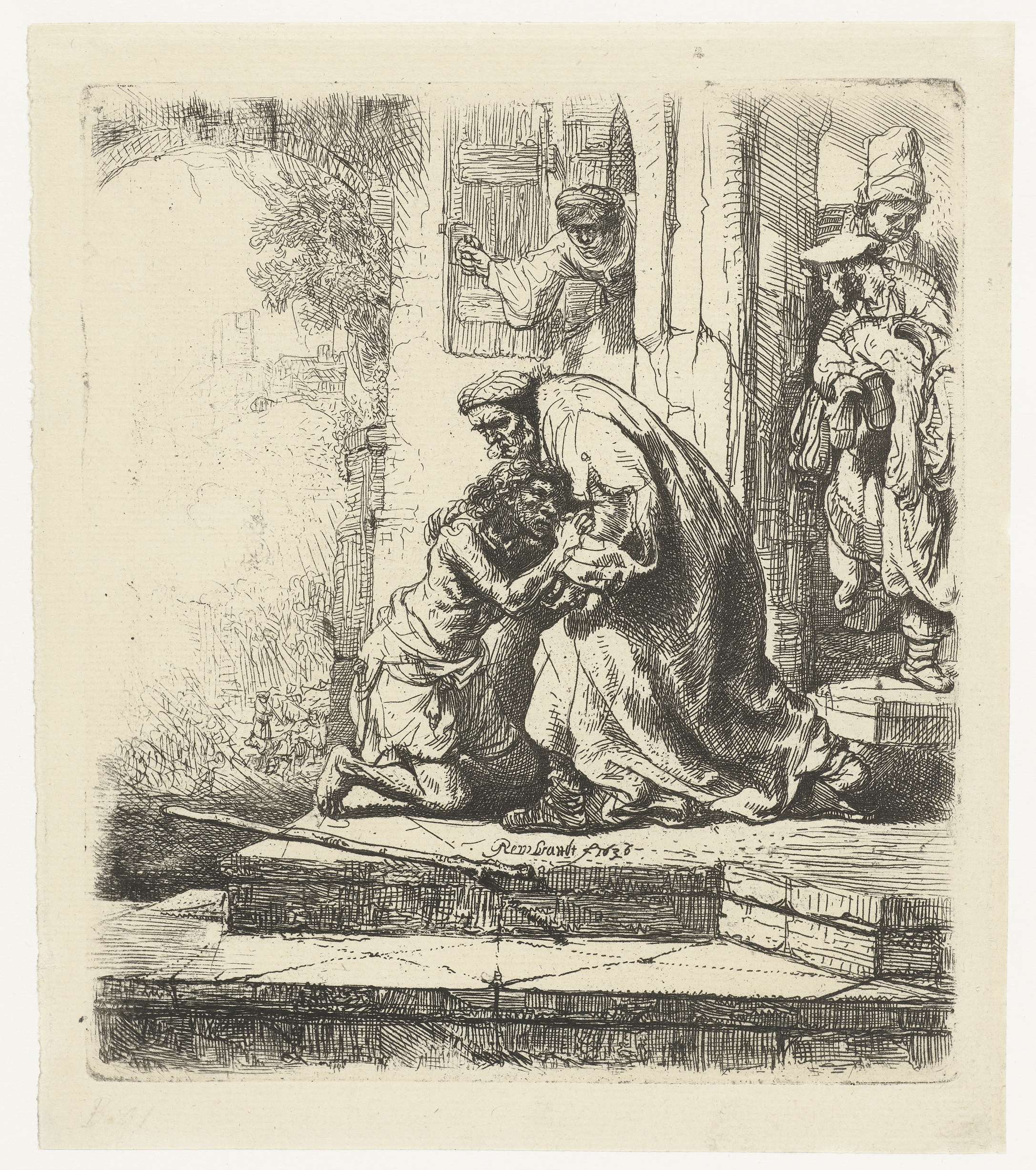
The Return of the Prodigal Son
Rembrandt van Rijn
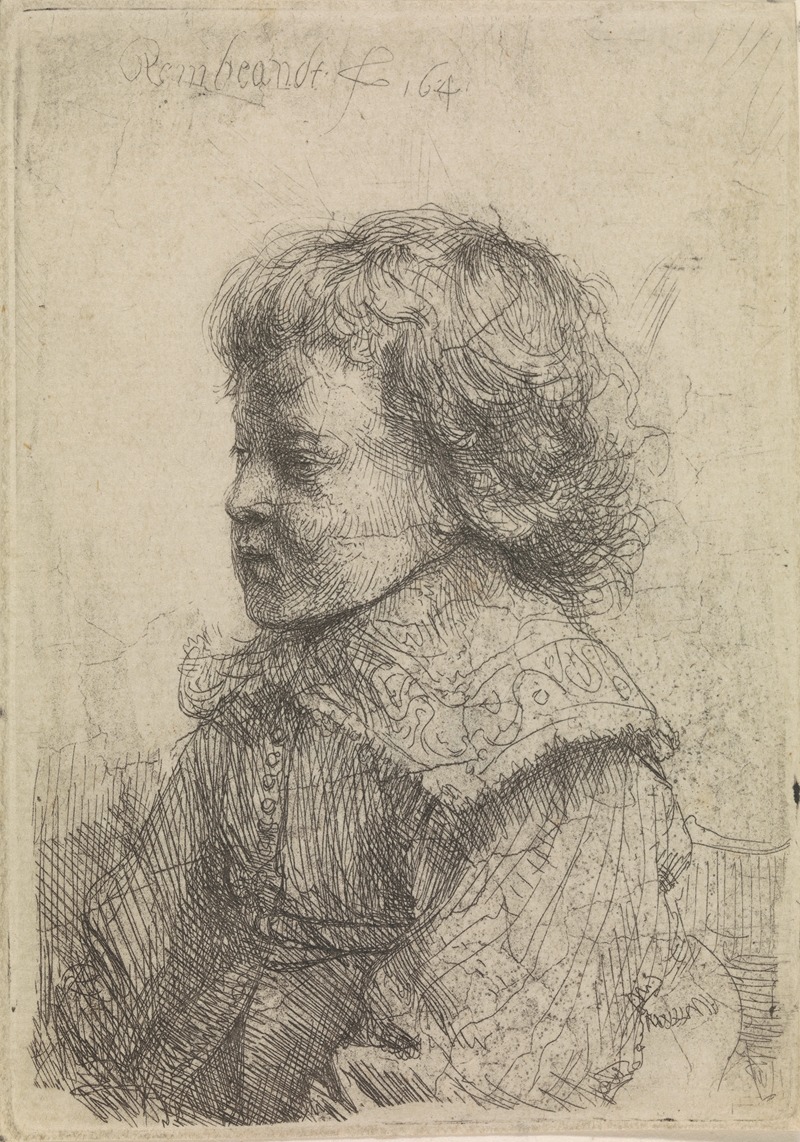
Portrait of a boy in profile
Rembrandt van Rijn
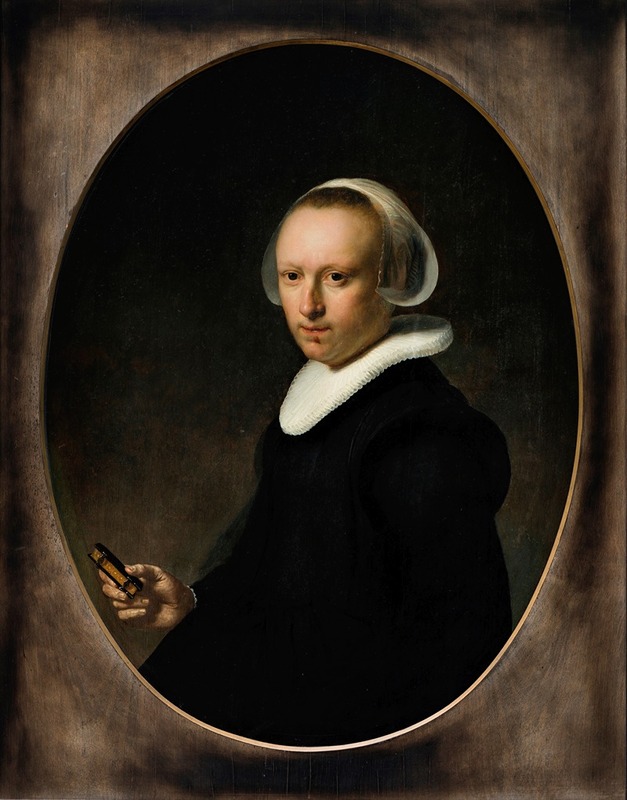
Portrait of a 39-year-old Woman
Rembrandt van Rijn
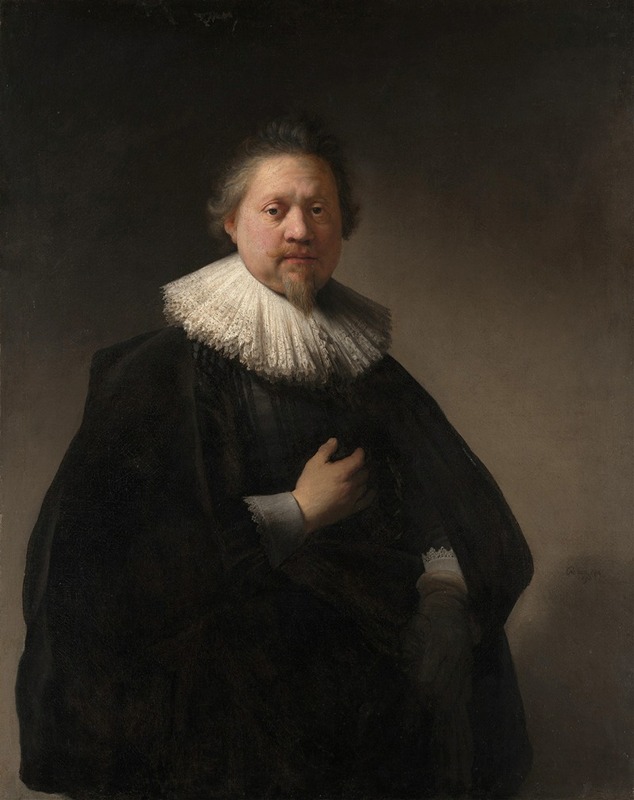
Portrait of a Man
Rembrandt van Rijn
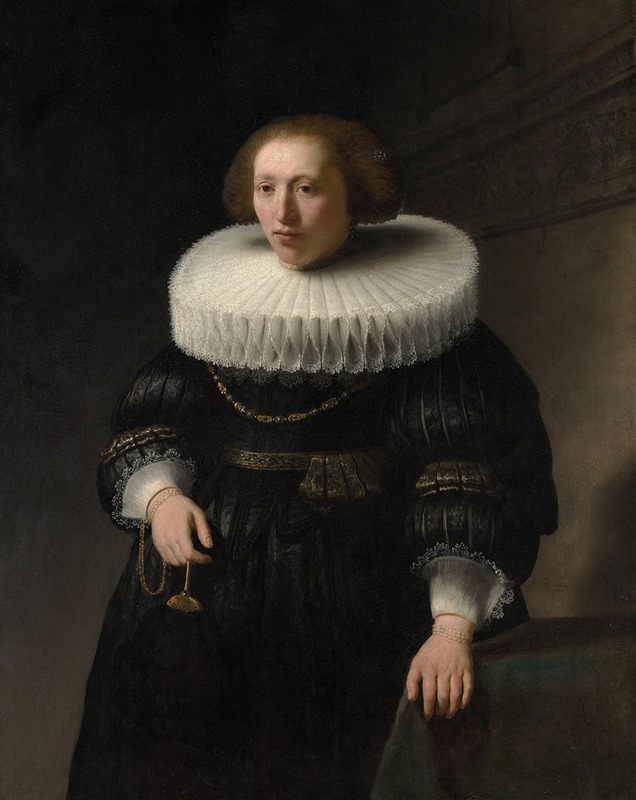
Portrait of a Woman
Rembrandt van Rijn
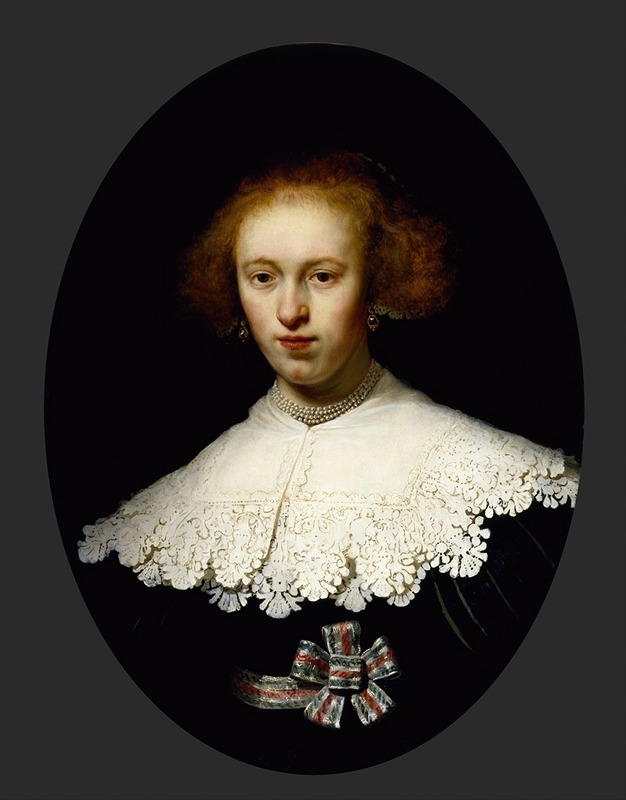
Portrait of a Young Woman
Rembrandt van Rijn
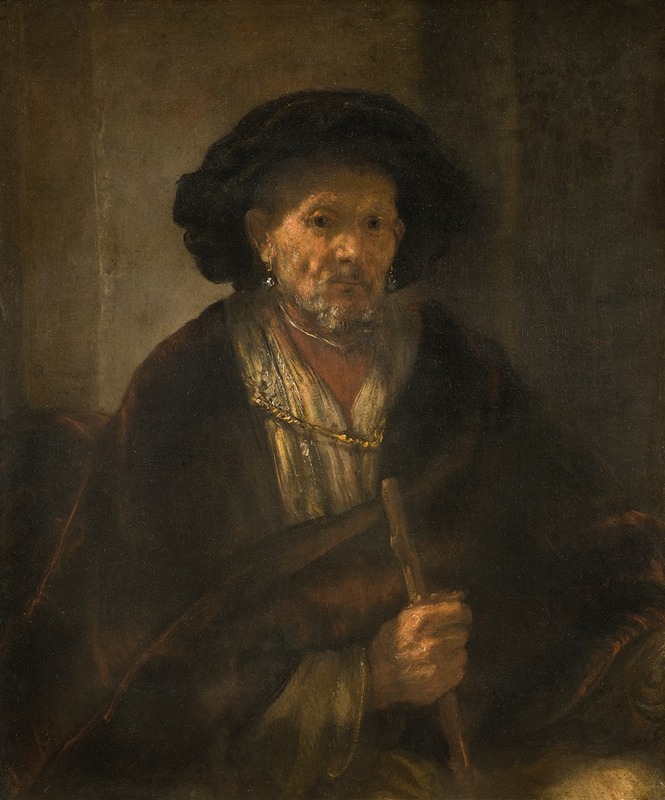
Portrait of an Old Man
Rembrandt van Rijn
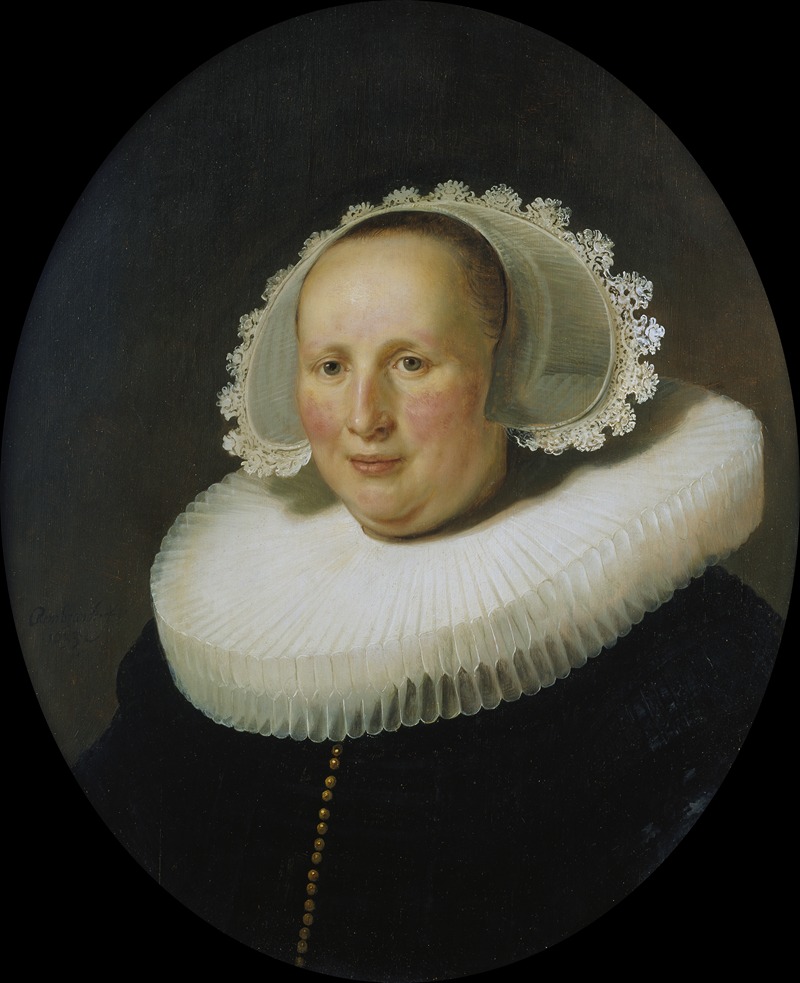
Portrait of Maertgen van Bilderbeecq
Rembrandt van Rijn
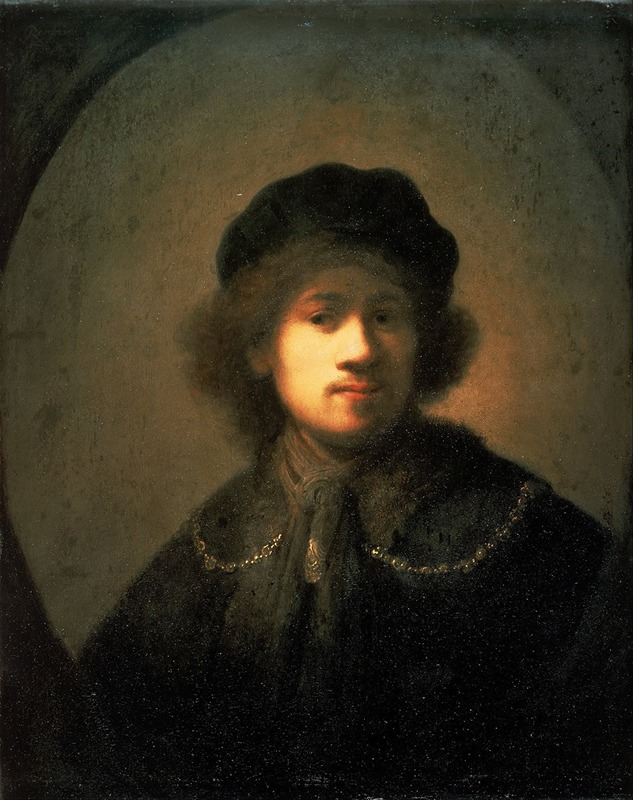
Portrait of the Artist as a Young Man
Rembrandt van Rijn