
A River Landscape, Westphalia — History & Facts
What first draws the eye in A River Landscape, Westphalia is the gentle conversation between water and sky, stitched together by the lush, sunlit trees that anchor the scene. The river, calm and reflective, leads the gaze from the shaded foreground—where a figure sprawls in a boat, shirt cast aside—to the distant hills and a castle just visible on the horizon. Every detail is placed with care: the white linen drying in the grass, the tangled oar, the way the clouds gather in billows above the treetops.
Light falls in broad sweeps, illuminating the bank and picking out the textures of leaves and water, while the shadows beneath the trees promise coolness and quiet. This is not a dramatic moment, but a pause—an invitation to linger in the hush of a summer afternoon. Painted in 1855, this work belongs to a world on the cusp of transformation, when artists like Albert Bierstadt were still learning their craft in Europe before turning to the vast American landscapes that would make their names. In mid-19th-century Germany, scenes like this were cherished for their sense of rootedness and peace, often commissioned by the rising middle class eager to bring the countryside into their homes.
Though little is recorded about the journey of this particular painting—its presence in auction records and online forums is nearly all that survives—it stands as a quiet testament to a moment when nature, leisure, and the painter’s eye met along the banks of a Westphalian river. Let your eye wander back to the distant castle, and imagine the stories that might unfold between the clouds and the water’s edge.
More Artworks by Albert Bierstadt

A Storm in the Rocky Mountains, Mt. Rosalie
Albert Bierstadt
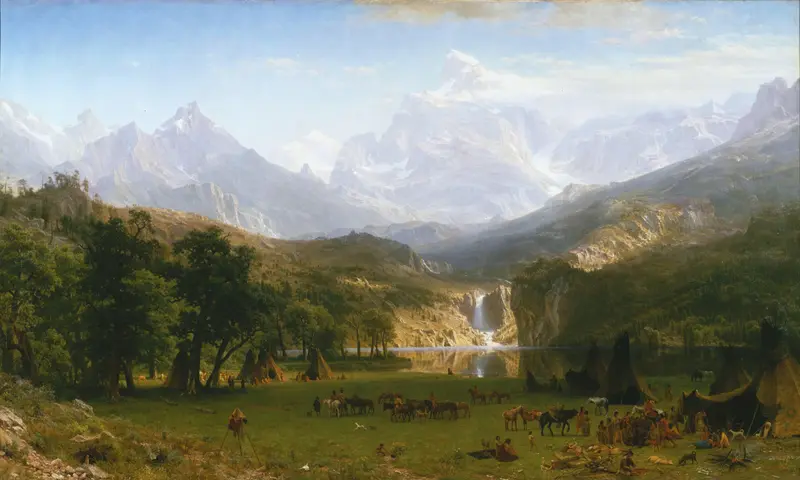
The Rocky Mountains, Lander's Peak
Albert Bierstadt
Niagara from the American Side
Albert Bierstadt
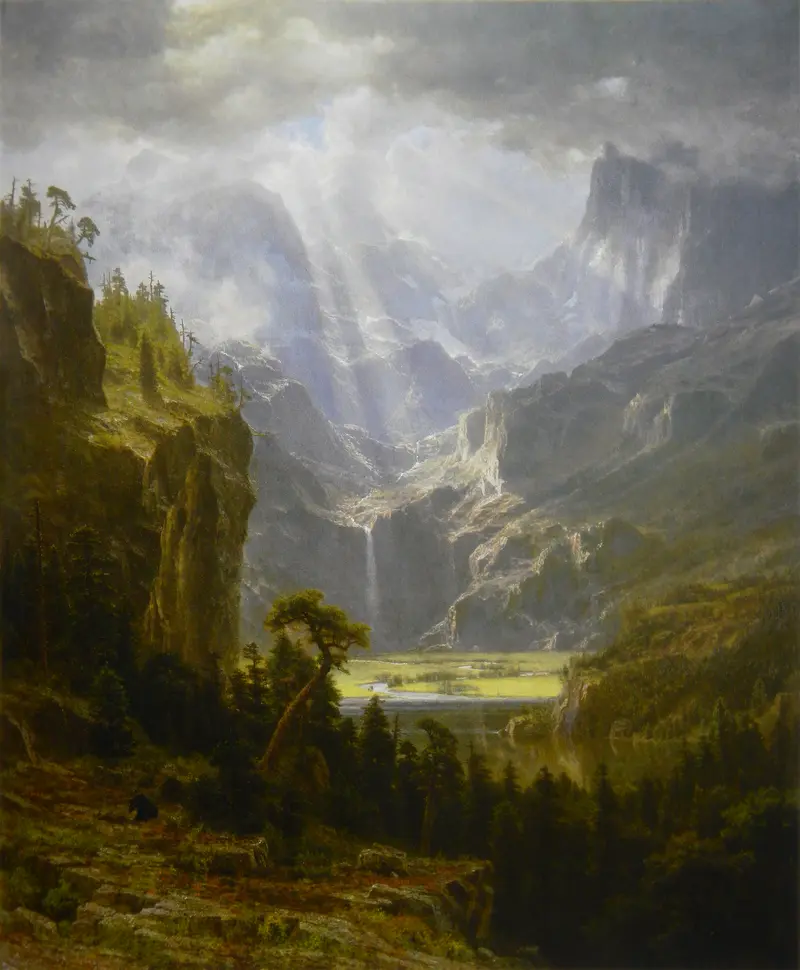
Rocky Mountains, Lander’s Peak
Albert Bierstadt

Valley of the Yosemite
Albert Bierstadt
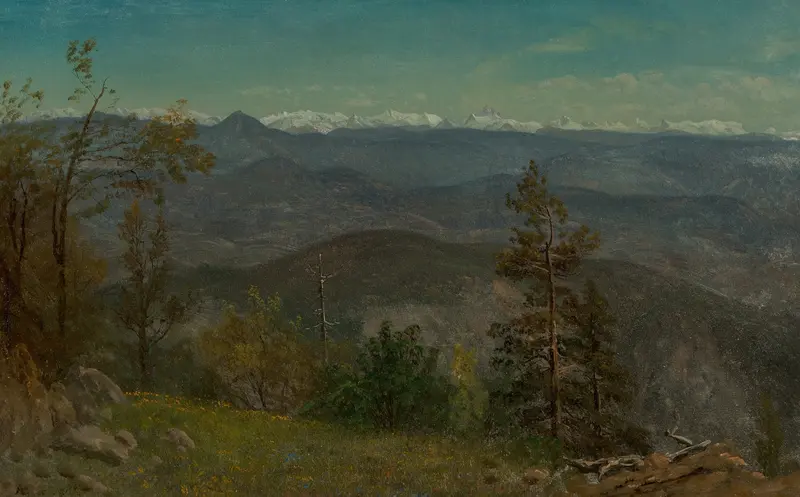
Yosemite Valley, California
Albert Bierstadt
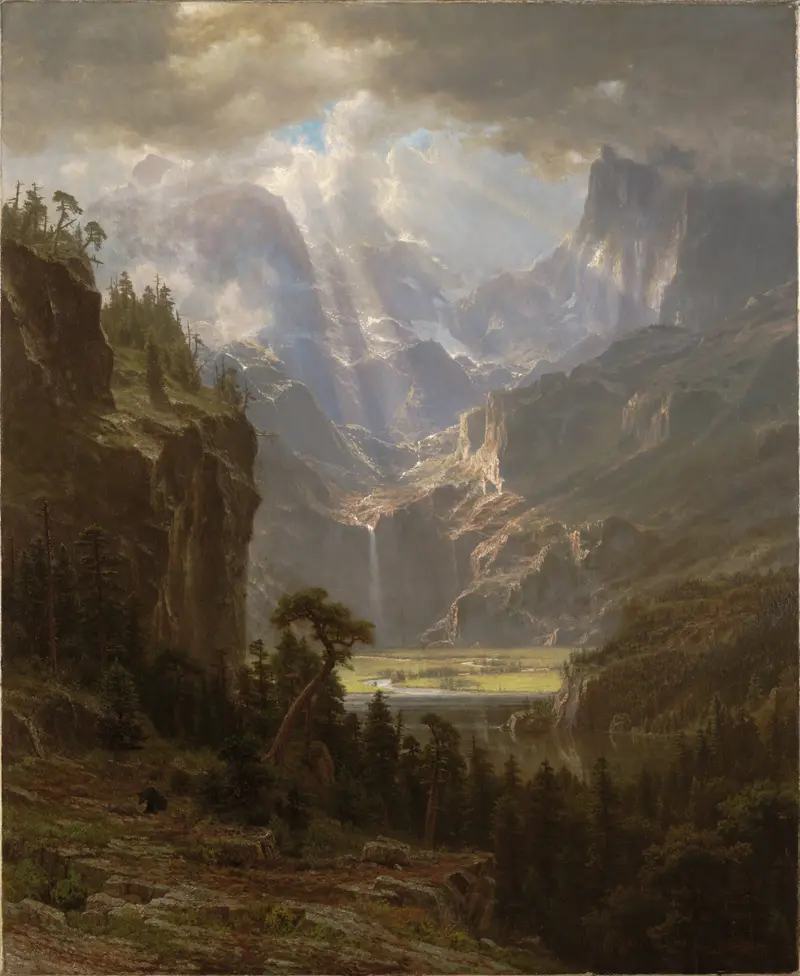
Rocky Mountains, "Lander's Peak"
Albert Bierstadt

Laramie Peak
Albert Bierstadt
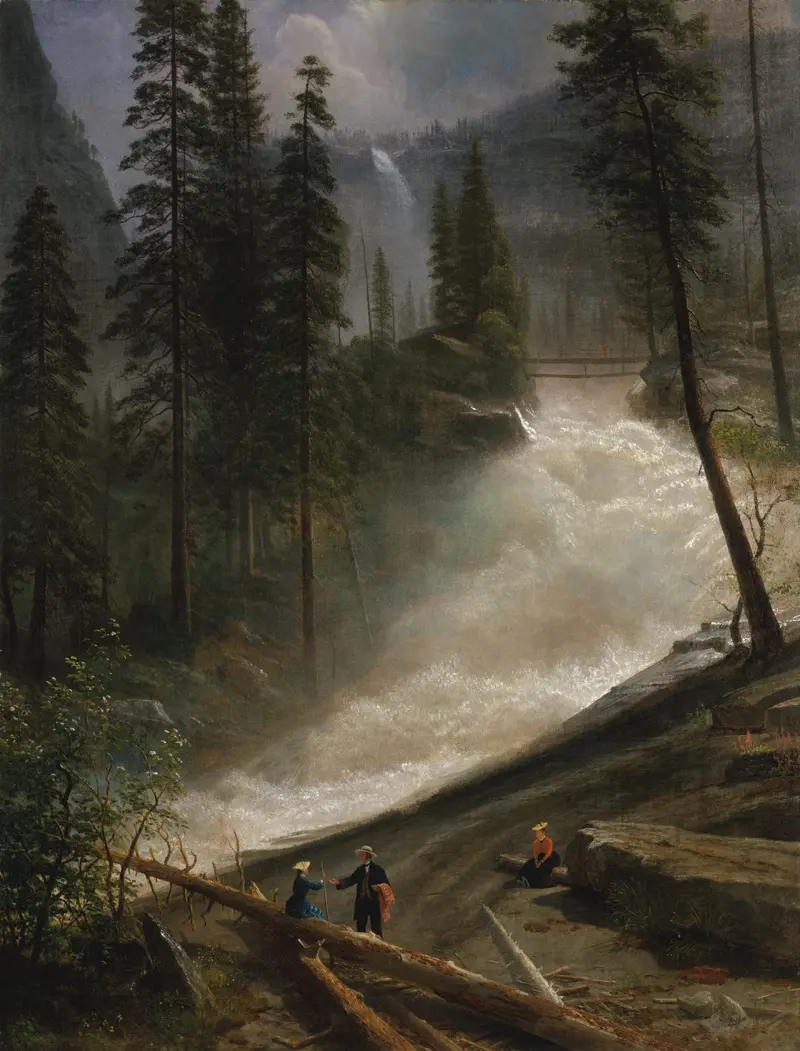
Nevada Falls, Yosemite
Albert Bierstadt
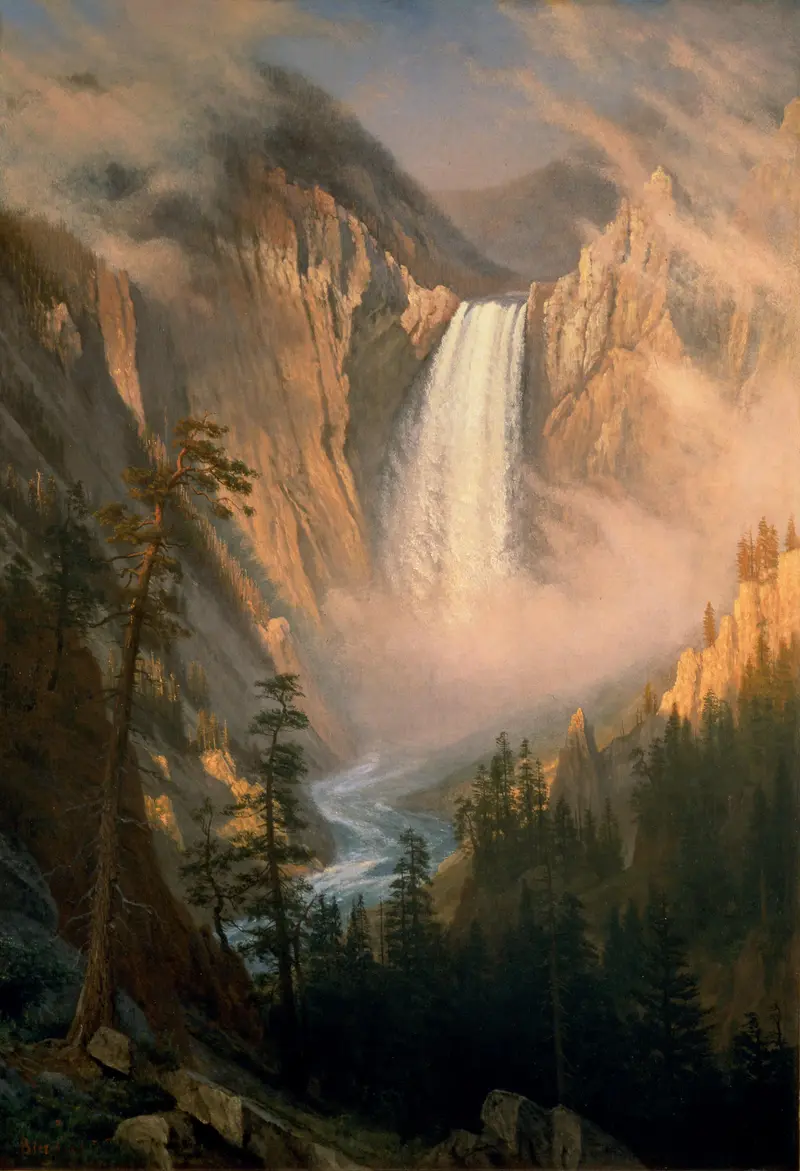
Yellowstone Falls
Albert Bierstadt
More Landscape Art

The Starry Night
Vincent van Gogh

View of Delft
Johannes Vermeer

Water Lilies
Claude Monet

The Grand Canal, Venice, looking north-west from the Ca' Corner to the Ca' Contarini degli Scrigni, with the campanile of Santa Maria della Carità
Canaletto

Windsor Castle
Canaletto

The Grand Canal looking North-East from the Palazzo Dolfin-Manin to the Rialto Bridge
Canaletto