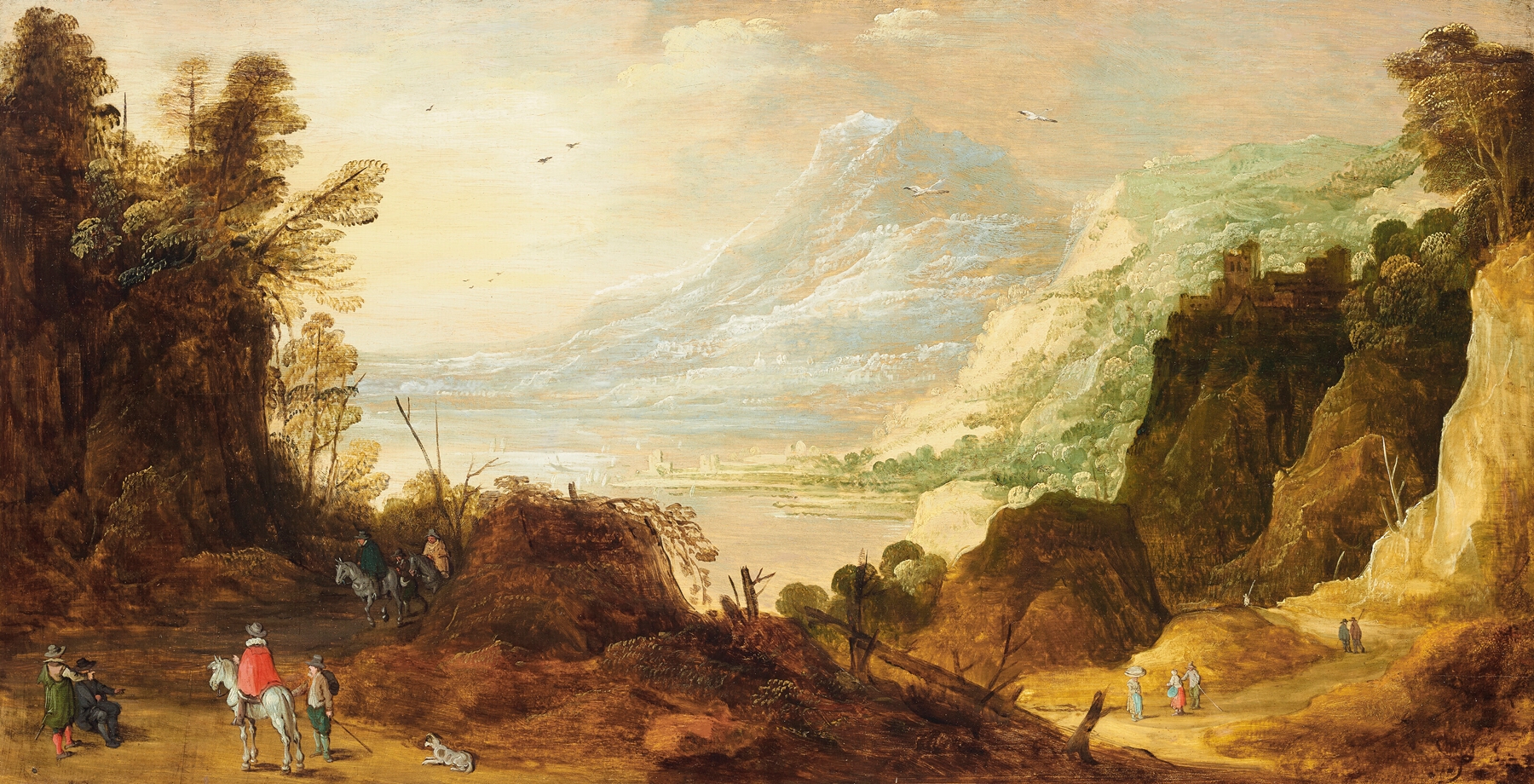
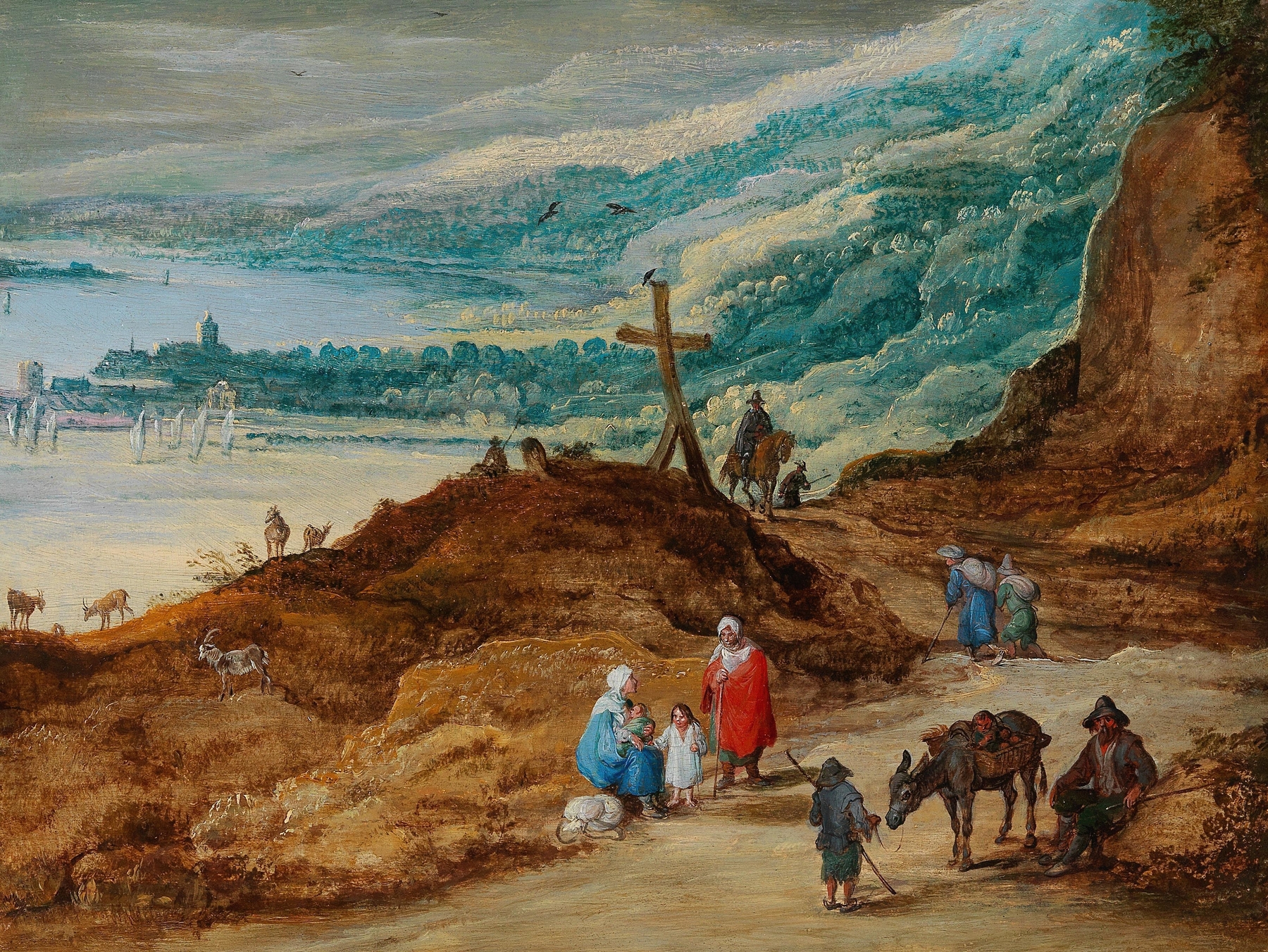
A rocky landscape with travellers on horseback near a stream — History & Analysis
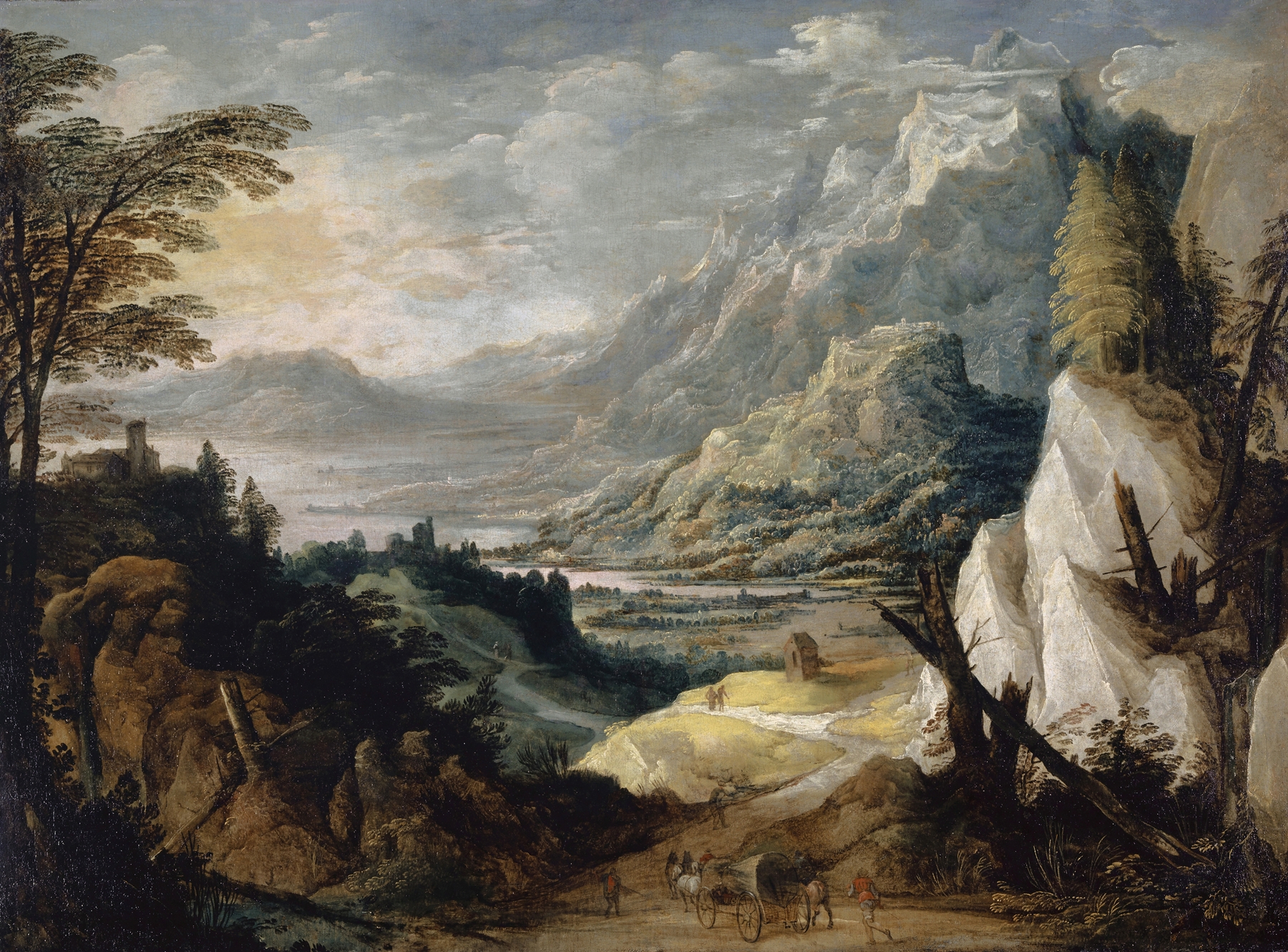
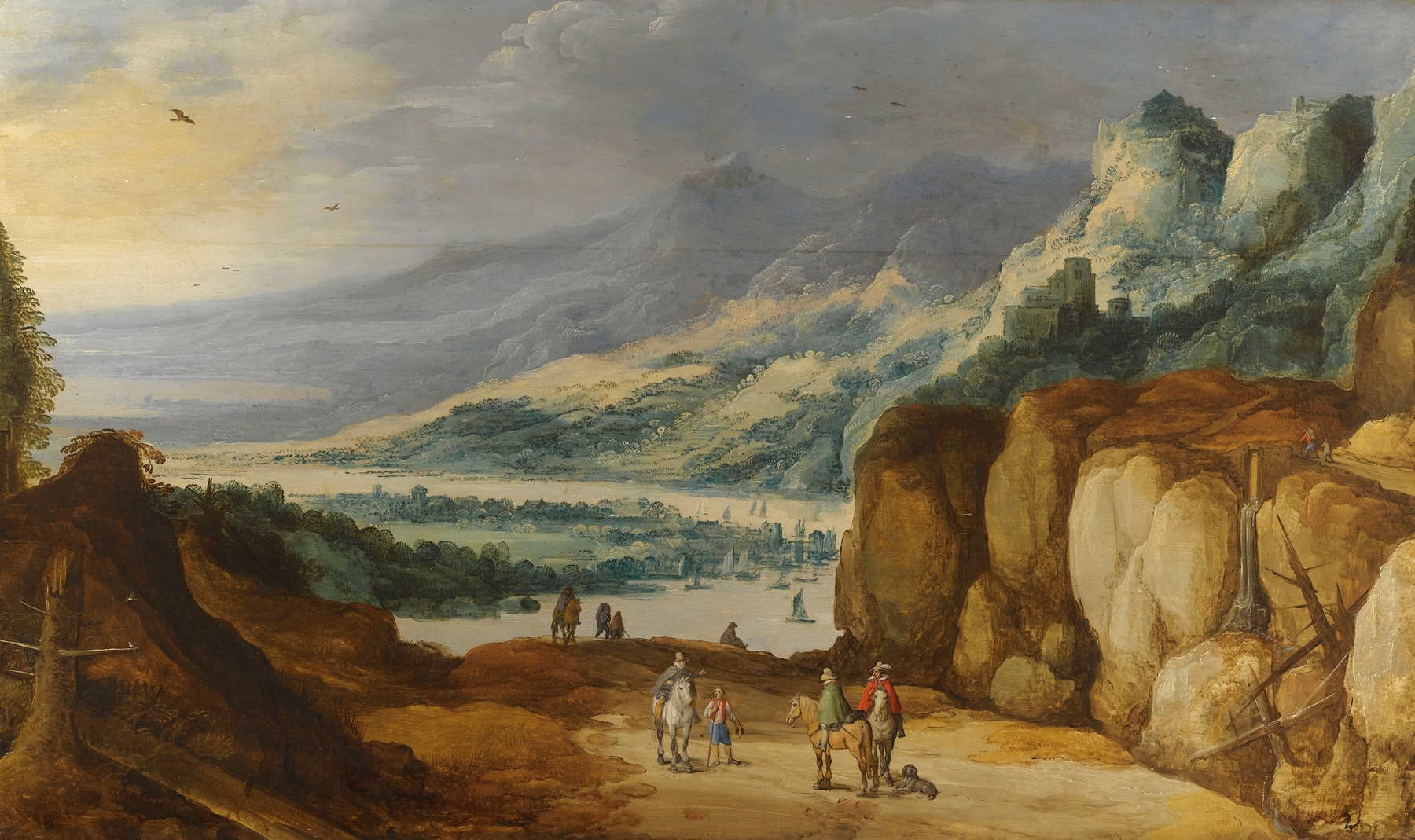
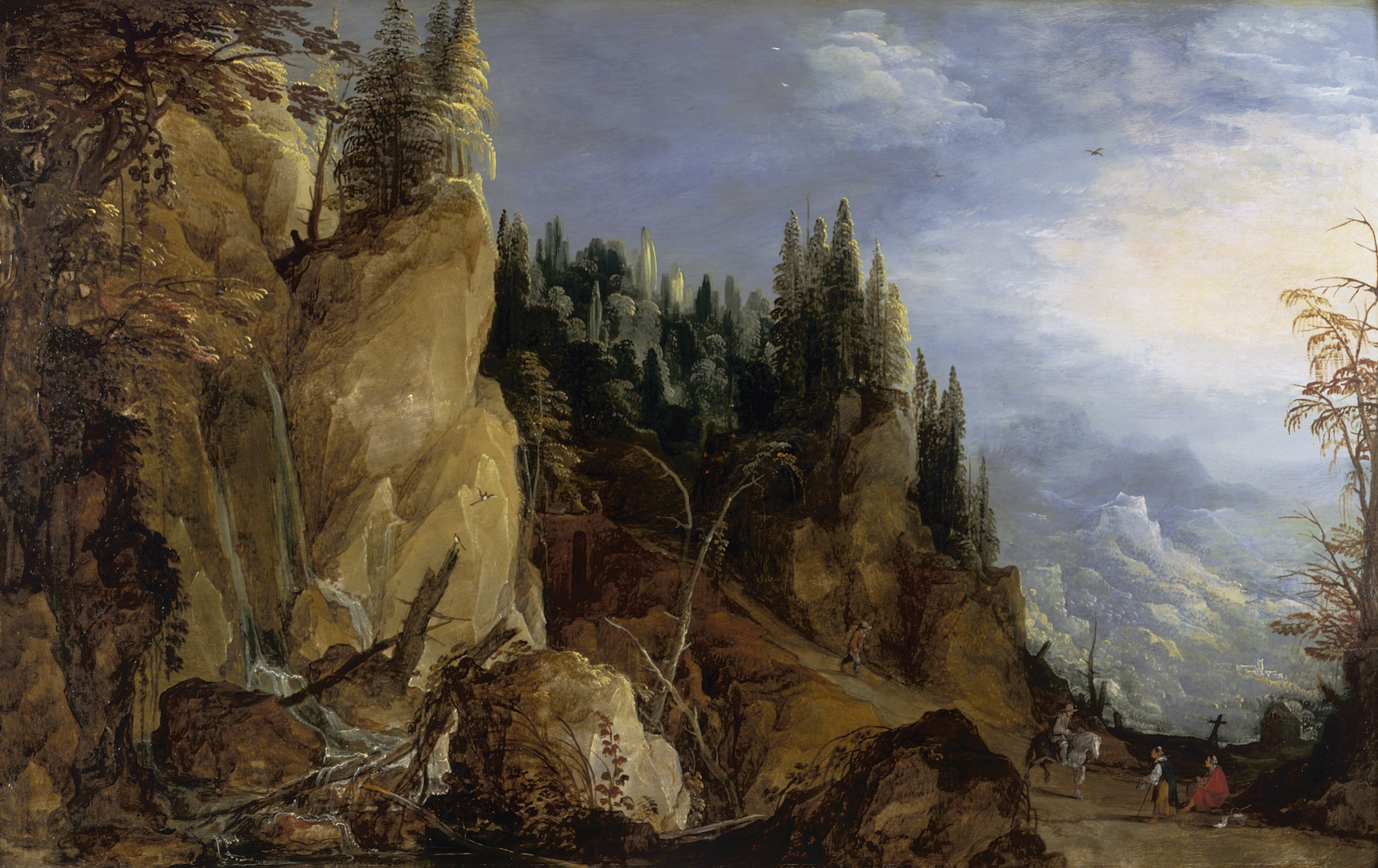
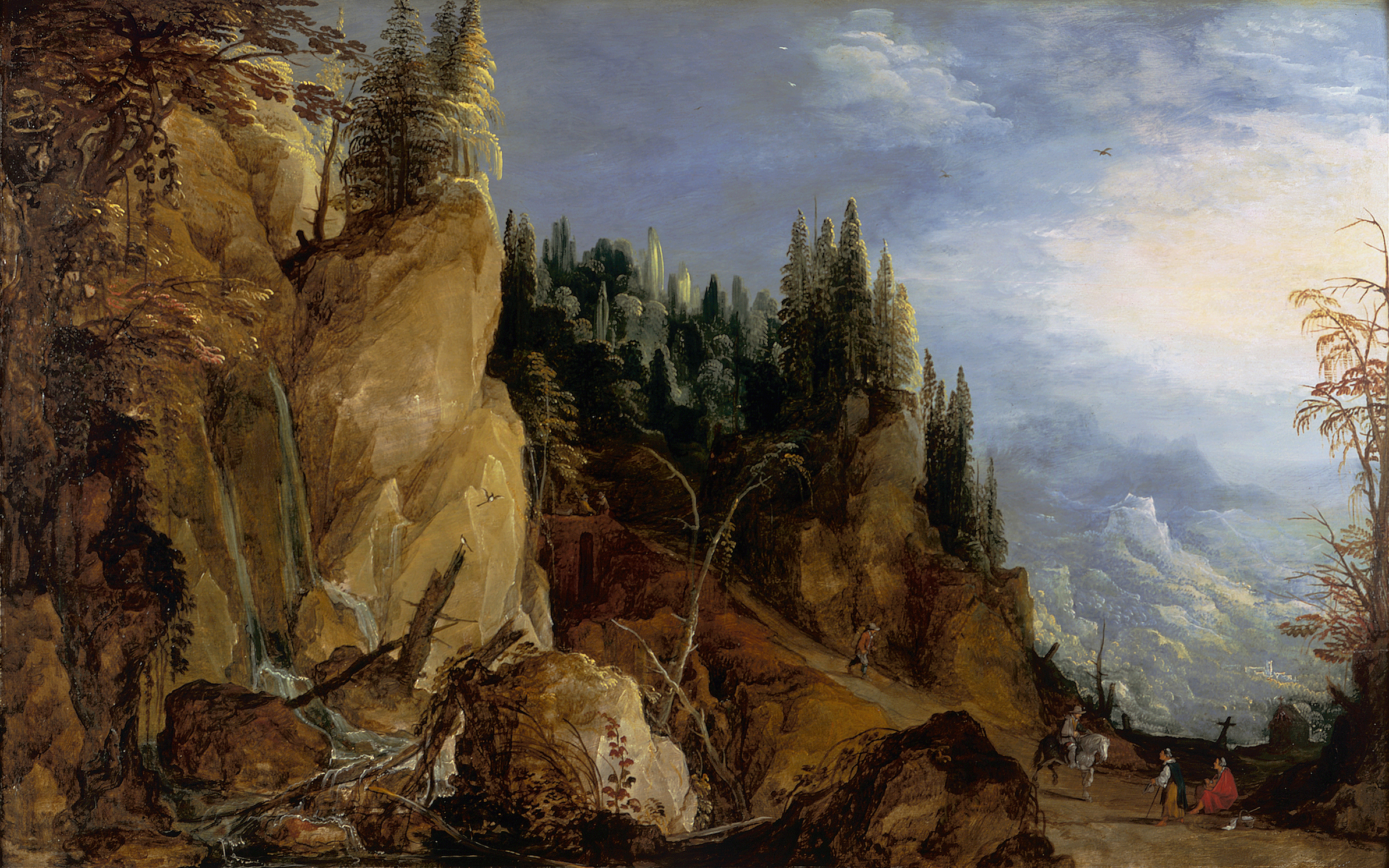
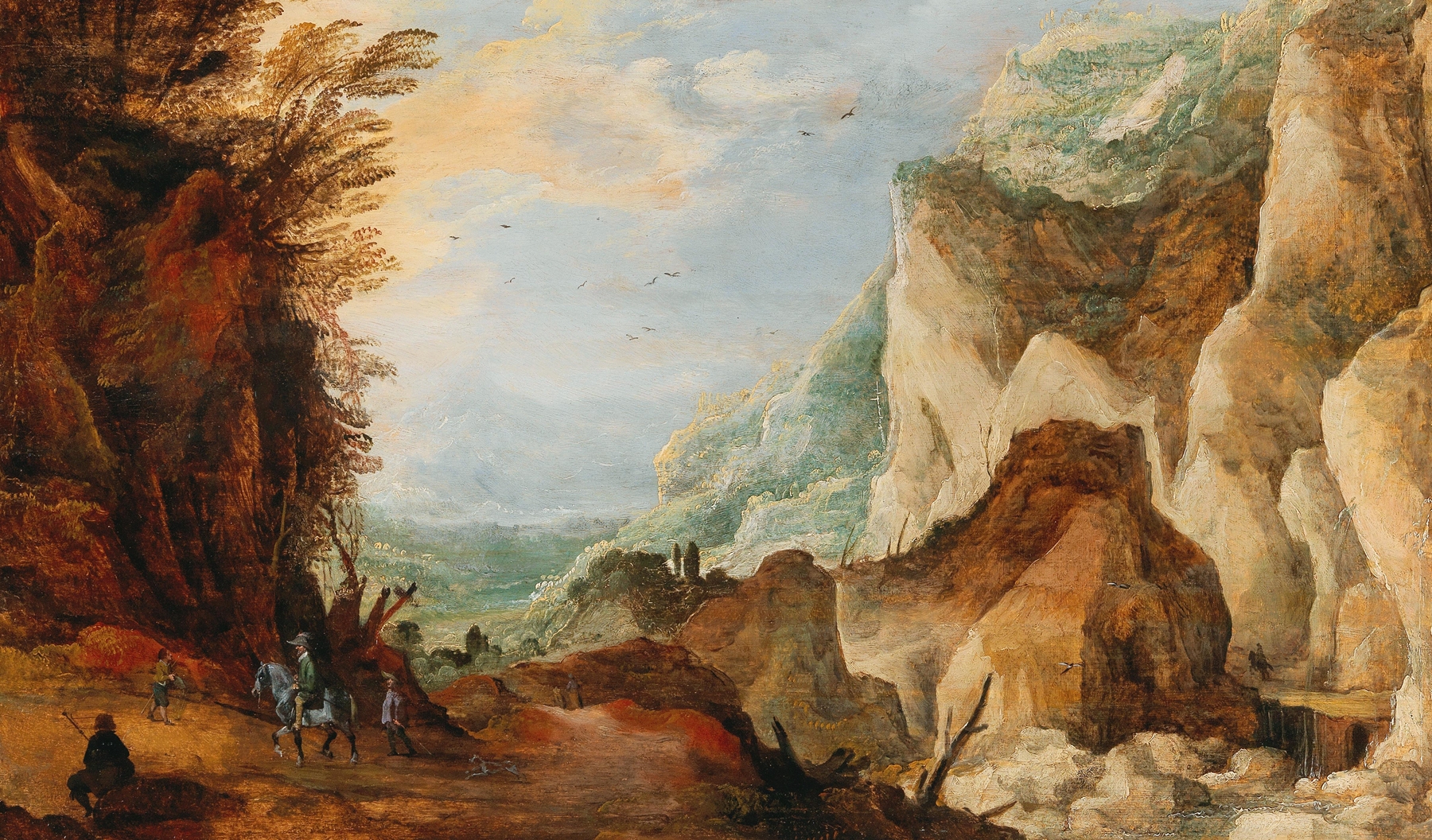
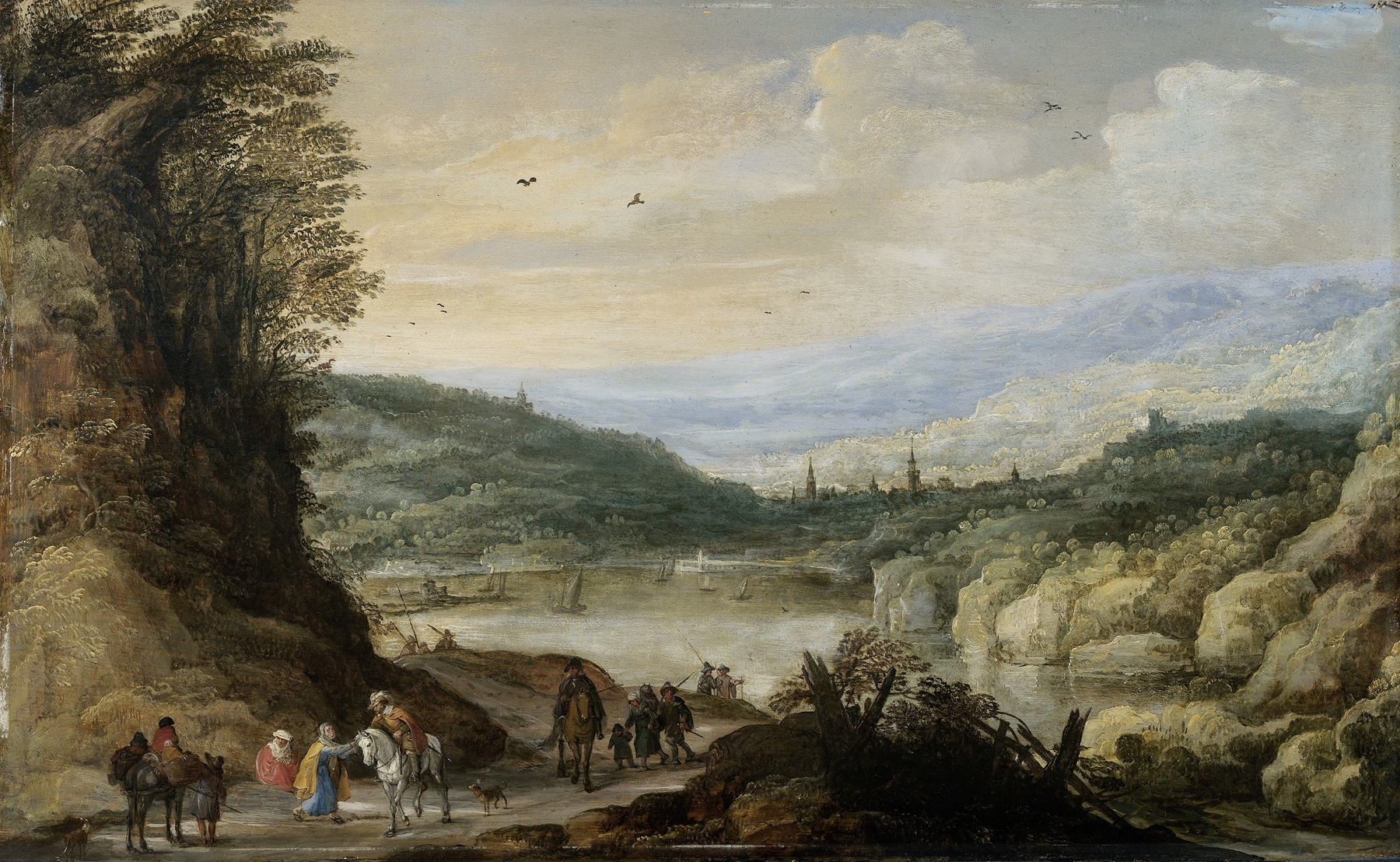
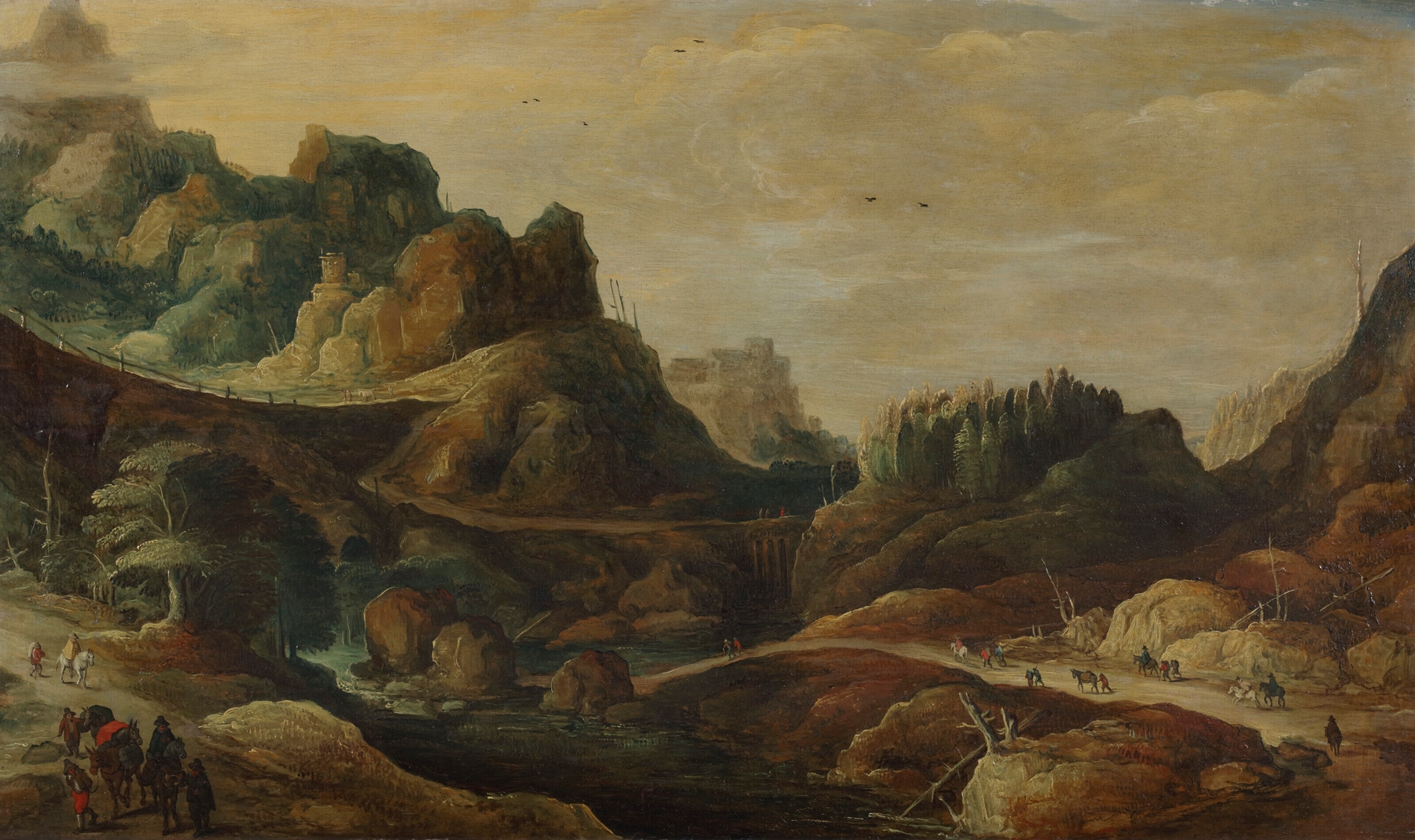
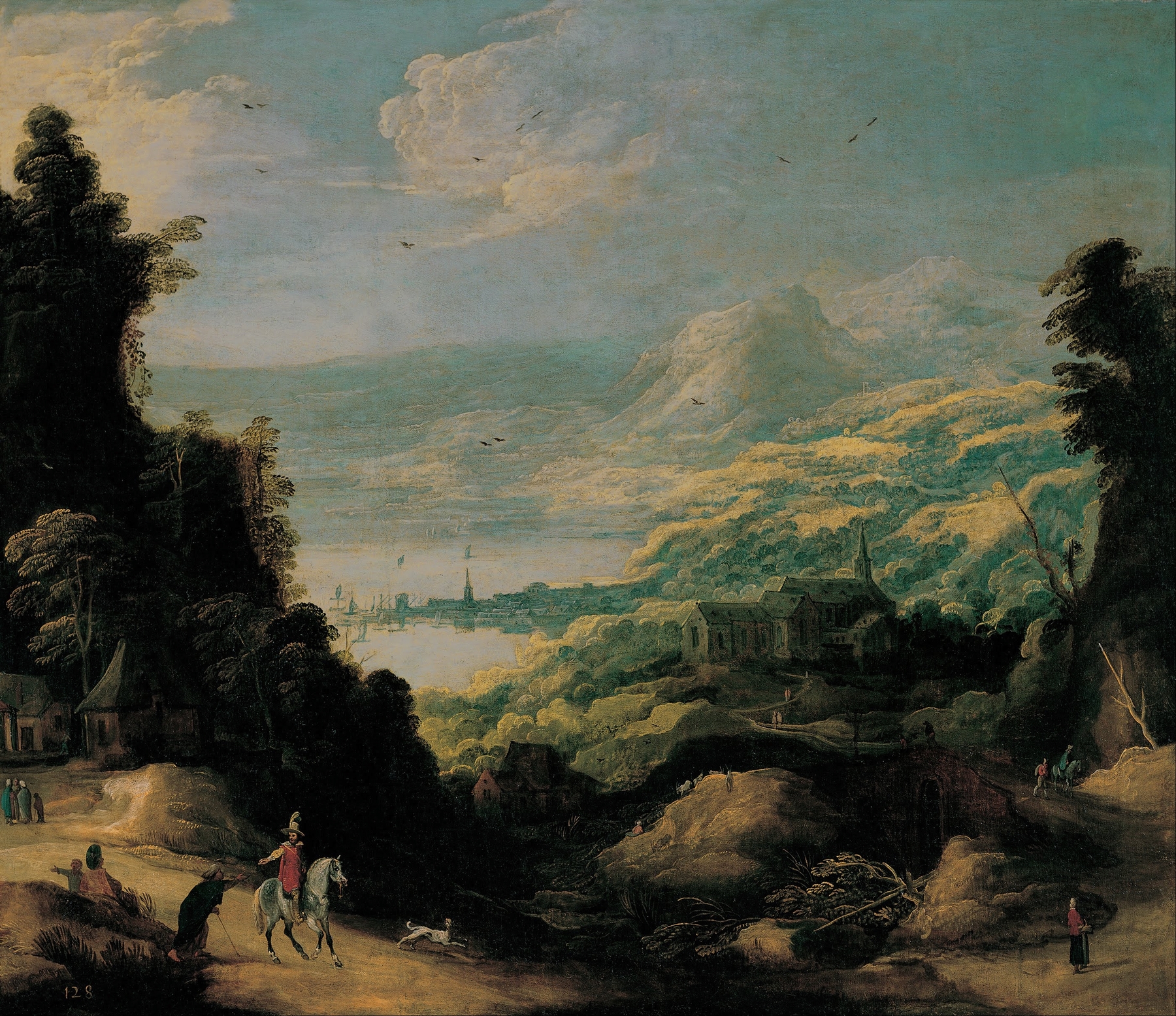
“Every brushstroke is a heartbeat remembered.” In the gentle embrace of nature, reflections serve as time's quiet witness, inviting us to pause and ponder. Look to the left of the canvas, where a stream winds its way through the rugged terrain, its surface shimmering with soft blues and silvers. The interplay of light and shadow reveals the intricate texture of rocky outcrops, while the figures on horseback, positioned gracefully against the backdrop, guide the viewer's eye to the horizon. Notice how the rich greens of the vegetation juxtapose against the earthy browns and greys of the landscape, creating a vibrant yet harmonious palette that breathes life into the scene.
The emotional tension in this work emerges from the contrast between the travelers and their wild surroundings. While the humans appear small and vulnerable amidst the immense landscape, their purposeful movement suggests resilience and adventure. The stream’s reflection captures not only the sky but the fleeting essence of their journey, hinting at themes of exploration and introspection. Here, nature stands both as an obstacle and a nurturing force, inviting contemplation of the delicate balance between man and the wild.
During the period when this piece was created, Joos de Momper was immersed in the rich traditions of the Northern Renaissance, likely influenced by the burgeoning interest in landscape painting. While the exact date of this work remains unknown, the artist was active in the late 16th to early 17th century, a time marked by a growing appreciation for naturalism and the vastness of the world beyond urban confines. As he painted, de Momper was contributing to a pivotal shift in artistic focus, celebrating the beauty and complexity of landscapes as both subject and setting.