
A Snowy Day — History & Facts
What draws the eye first in A Snowy Day is the hush that seems to settle over the entire scene, as if the snowfall has muffled not just sound but time itself. The figures move quietly across the pale ground, their bodies swaddled in heavy robes, faces half-hidden by scarves and the broad, sheltering circles of yellow umbrellas. Each umbrella is marked with bold, black calligraphy, a flash of character against the soft, almost dissolving landscape.
The artist leads us gently from the solitary figure at the right—her eyes lowered, her posture inward—toward the small group huddled together, backs turned to the viewer, sharing the silent journey. The snow falls in delicate flecks, unhurried, and the muted palette of ochre, blue, and grey evokes a world pared down to essentials: shelter, warmth, companionship. Created in 1901, this work belongs to a moment when Western artists were deeply captivated by Japanese printmaking, and Helen Hyde herself became known for her sensitive adaptations of that tradition. Such images were often collected by Western audiences hungry for a vision of Japan that felt both intimate and poetic, yet filtered through foreign eyes.
Hyde’s prints, like this one, were neither grand commissions nor official records, but rather personal impressions—windows into daily life, meant for private enjoyment and contemplation. Today, A Snowy Day resides in the Smithsonian American Art Museum, a quiet testament to the cross-cultural exchanges that shaped art at the dawn of the twentieth century. Notice how the stillness lingers, inviting you to imagine the sound of footsteps on snow.
More Artworks by Helen Hyde

Moonlight on the Viga Canal) - HH (monogram) LCCN0065
Helen Hyde
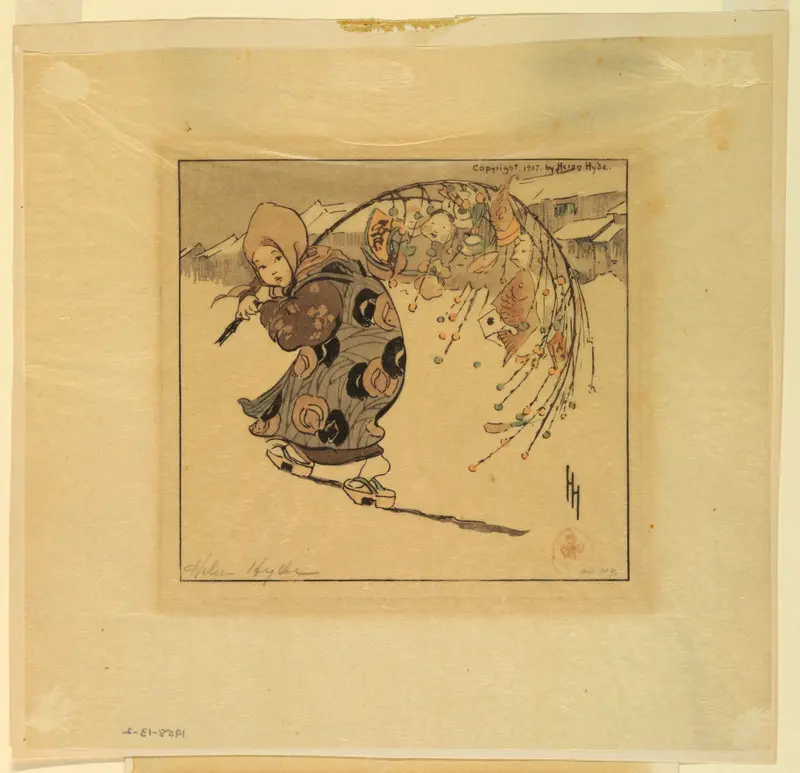
Print, The Good Luck Branch
Helen Hyde
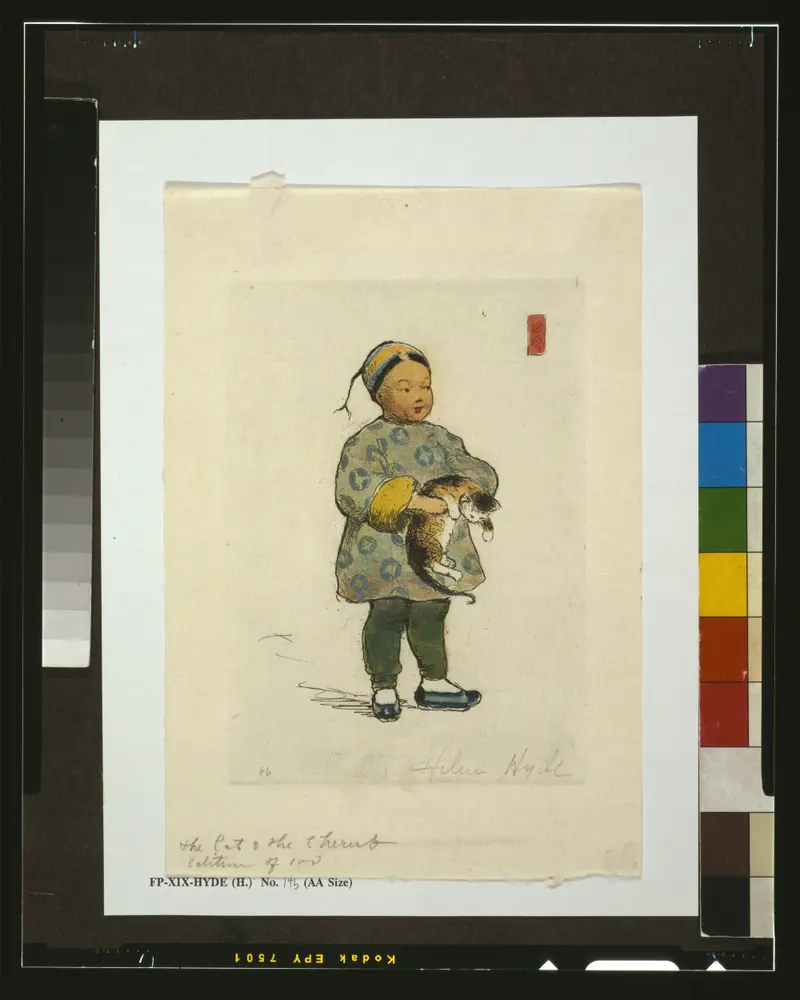
The cat and the cherub LCCN200367
Helen Hyde

Hon(orable Mr) cat - HH (monogram). LCCN200367
Helen Hyde
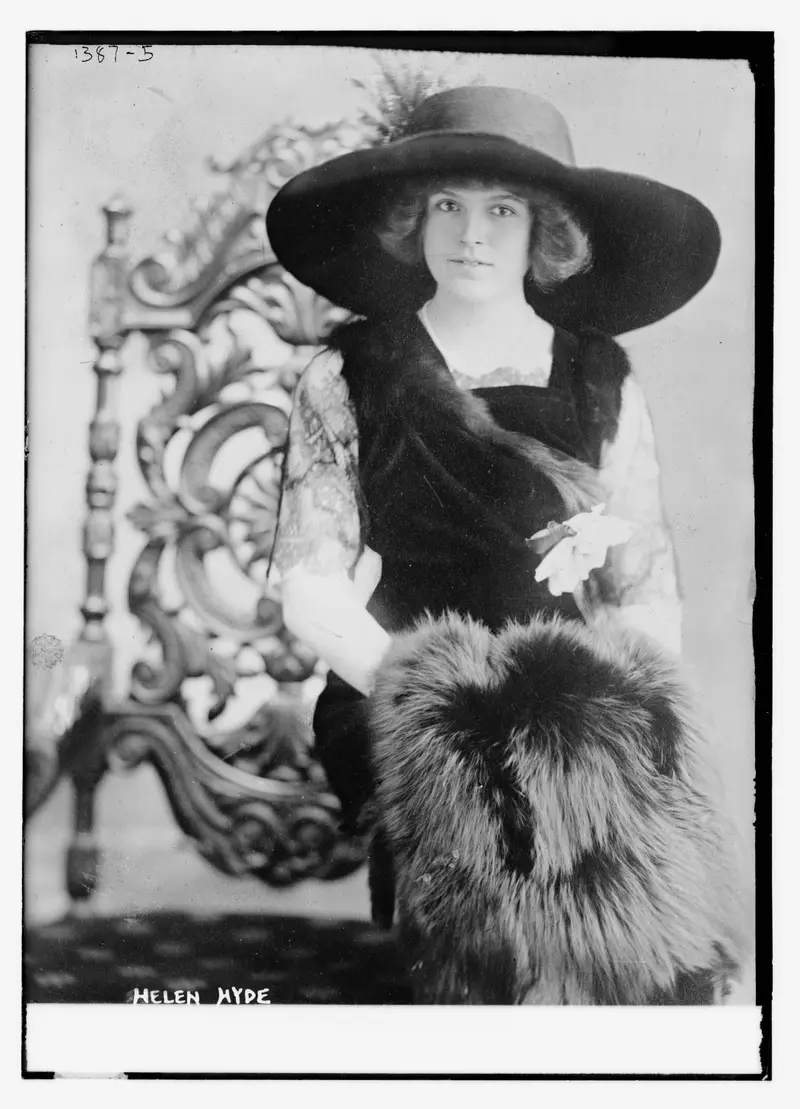
Helen Hyde LCCN201468
Helen Hyde
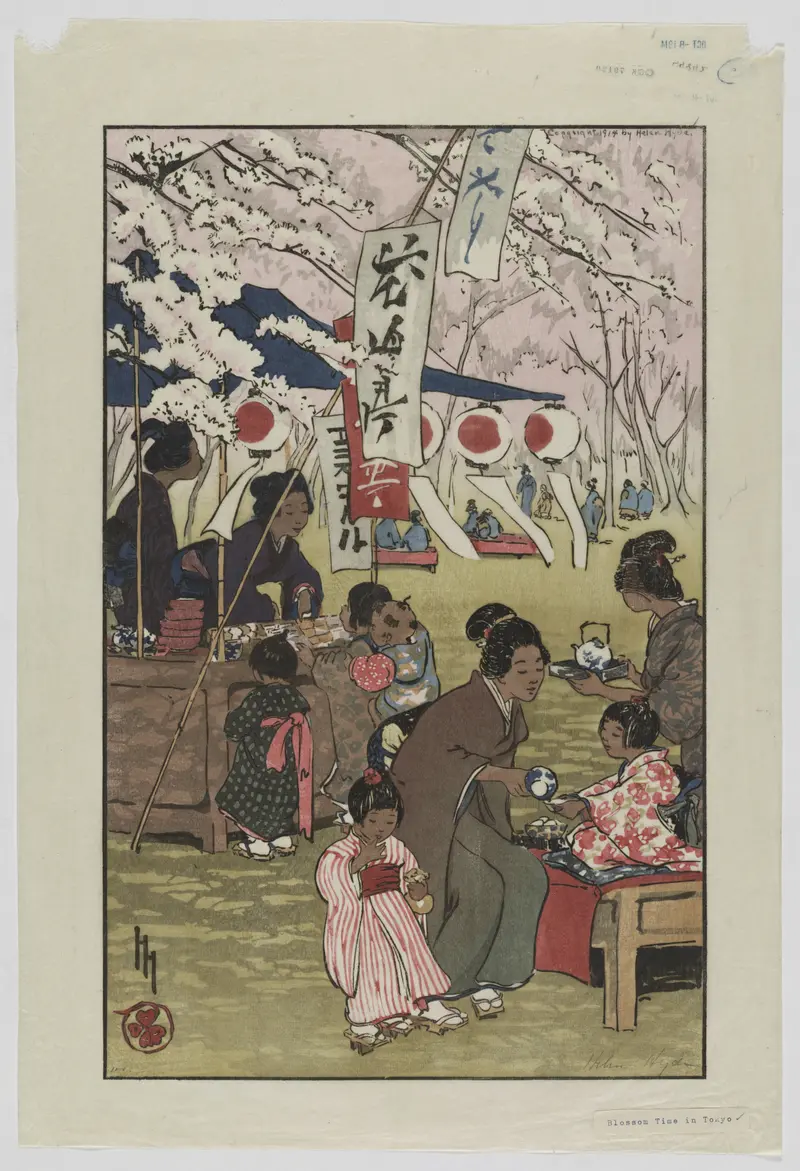
Blossom time in Tokyo) - HH (monogram) LCCN0065
Helen Hyde
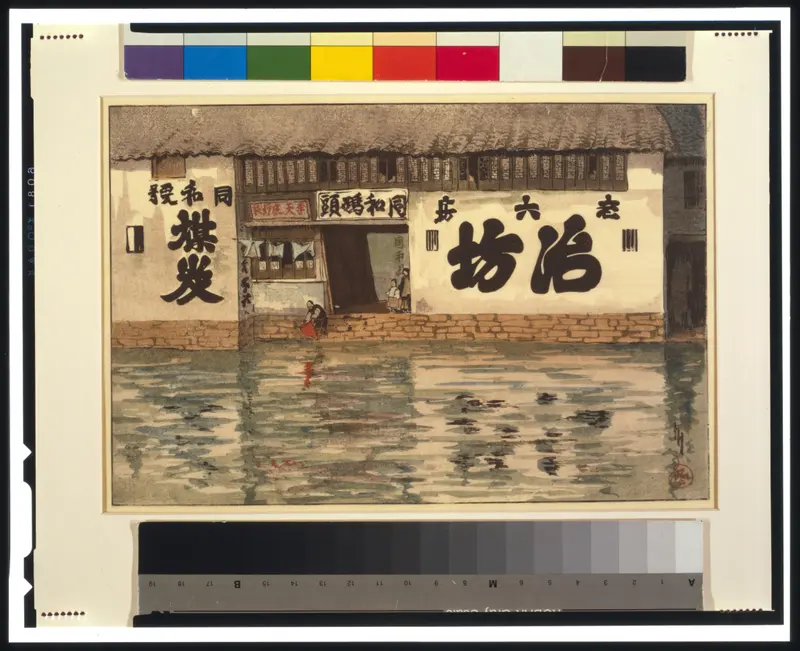
The sauce-pan shop) - HH (monogram) LCCN0065
Helen Hyde

New Year's Day in Tokyo
Helen Hyde
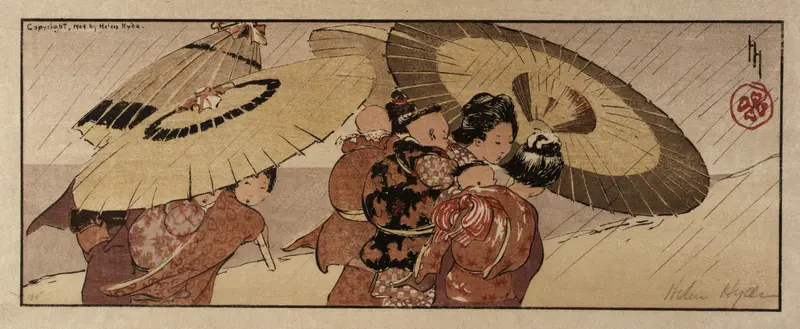
A Summer Shower
Helen Hyde
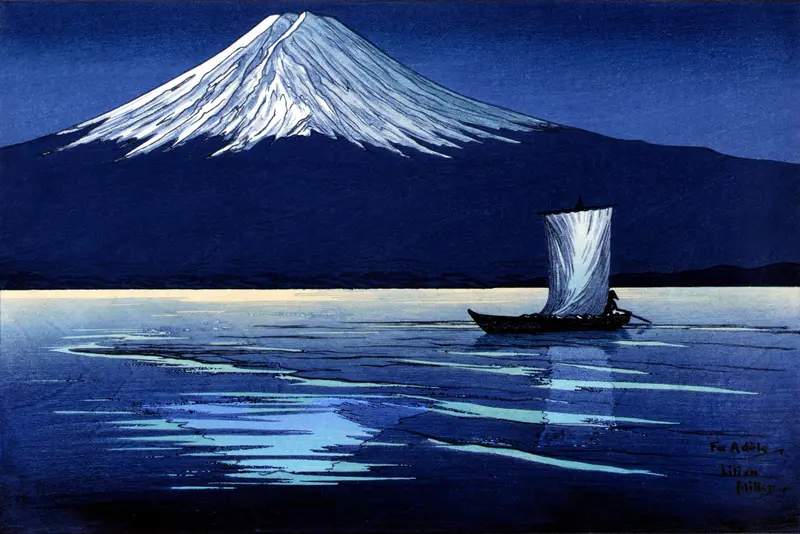
Moonlight on Mt. Fuji
Helen Hyde
More Genre Scene Art

Banquet of the Officers of the St George Civic Guard
Frans Hals

Rembrandt and Saskia in the Scene of the Prodigal Son
Rembrandt van Rijn

Bal du moulin de la Galette
Pierre-Auguste Renoir

Quadrille at the Moulin Rouge
Henri de Toulouse-Lautrec

A Burial at Ornans
Gustave Courbet

When Will You Marry?
Paul Gauguin