
A Storm on Loch Muick — History & Facts
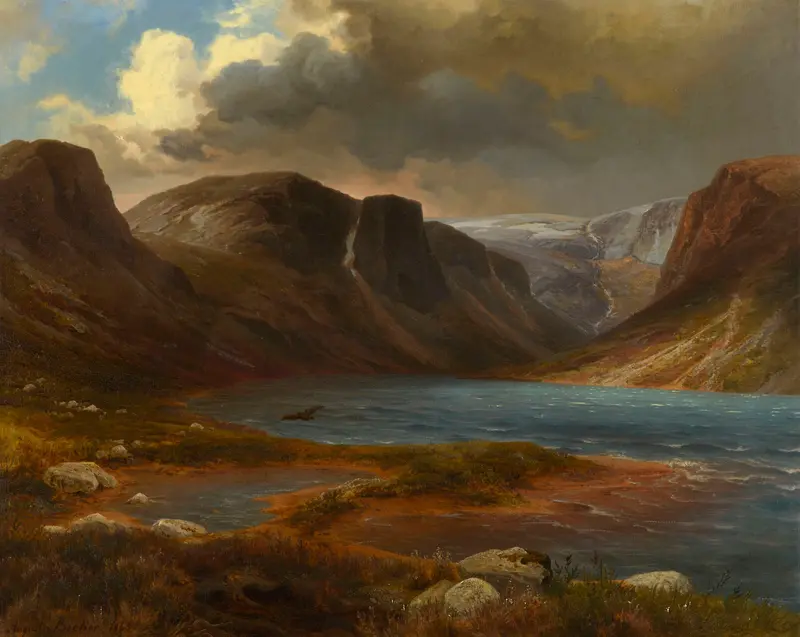
The first thing that seizes the viewer in A Storm on Loch Muick by August Becker is the restless energy of the water, whipped into whitecaps by winds that seem to sweep straight off the canvas. The artist draws your gaze from the churning surface up to the brooding slopes, their greens and russets streaked with shadow, and finally to the sky, where clouds gather in a pale, shifting mass. The light is not gentle; it catches on the ridges, glances off the water, and leaves the valleys in a hush of cool blue.
The low horizon gives the sky a commanding presence, making the viewer feel the scale and drama of the landscape. Every brushstroke seems to record a fleeting moment, as if the weather might change again before your eyes. Painted in 1864, this work belongs to a period when European artists were captivated by the wildness of nature and the shifting moods of remote places. Landscapes like this were often collected by the elite—sometimes as mementos of travel, sometimes as statements of taste and connection to the land.
The Royal Collection, which holds this painting, gathered such works alongside grand portraits and historical scenes, reflecting a growing appreciation for the untamed and the atmospheric. Little is widely recorded about this specific painting’s journey, but its survival in the Royal Collection hints at the value placed on capturing nature’s unpredictable beauty. Stand before it and let your eye wander the restless water and rising hills, imagining the wind that shaped both the scene and the artist’s hand.
More Artworks by August Becker

Hirsche und alte Eiche nahe der Wallwitzburg bei Dessau
August Becker
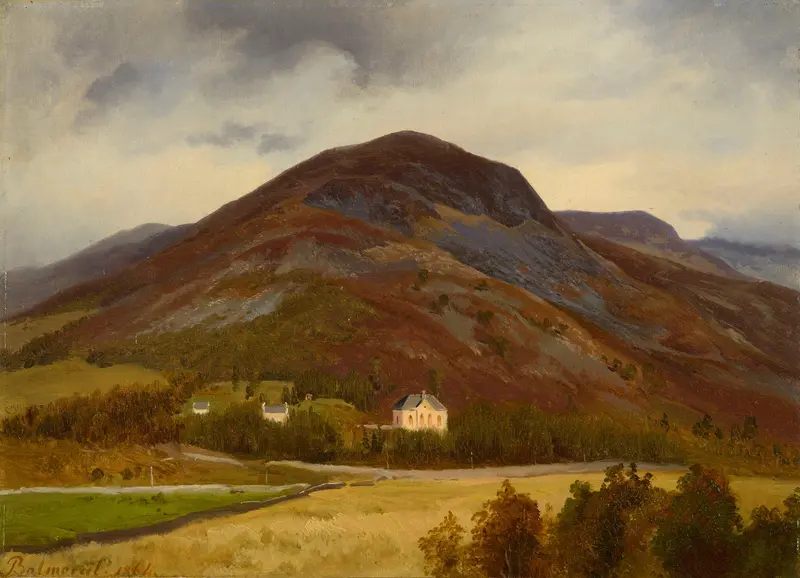
A View of the Church at Crathie
August Becker
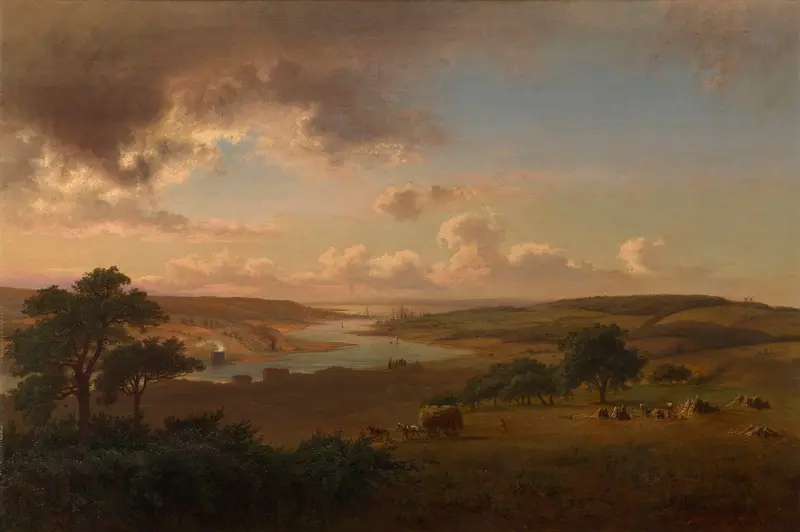
A View of Cowes
August Becker
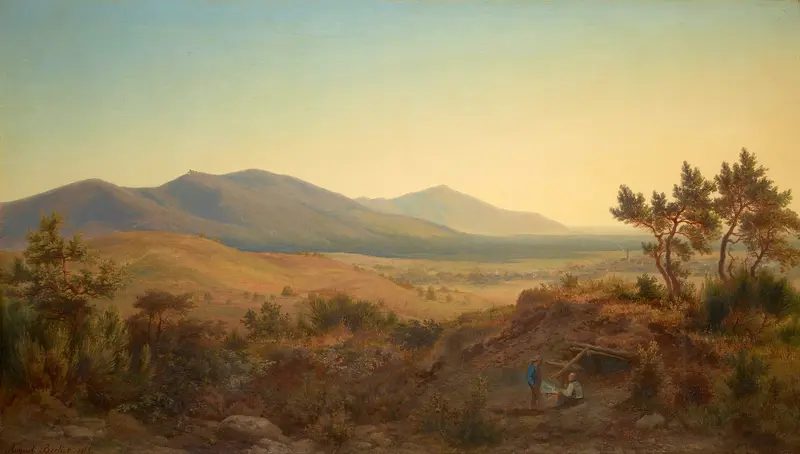
A View of Melibokus and The Bergstrasse
August Becker
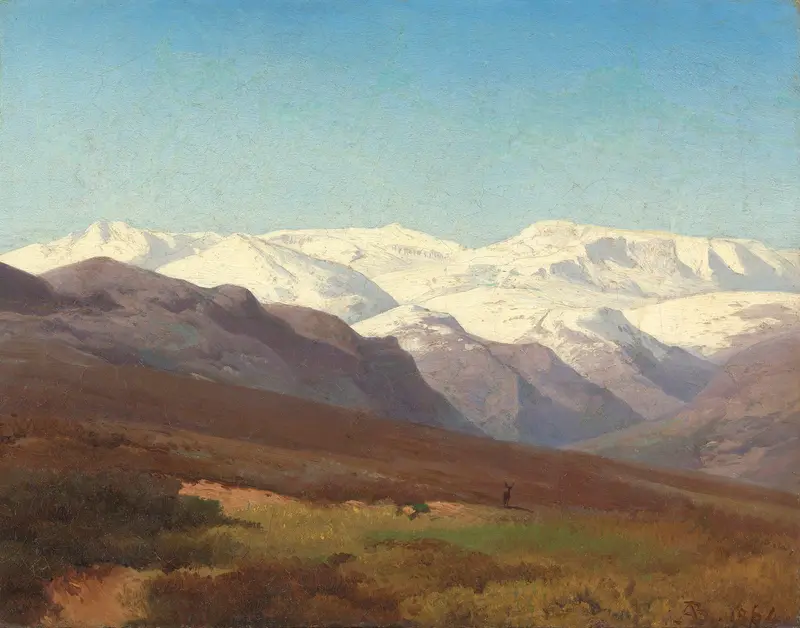
Glen Gelder
August Becker
Loch Avon
August Becker
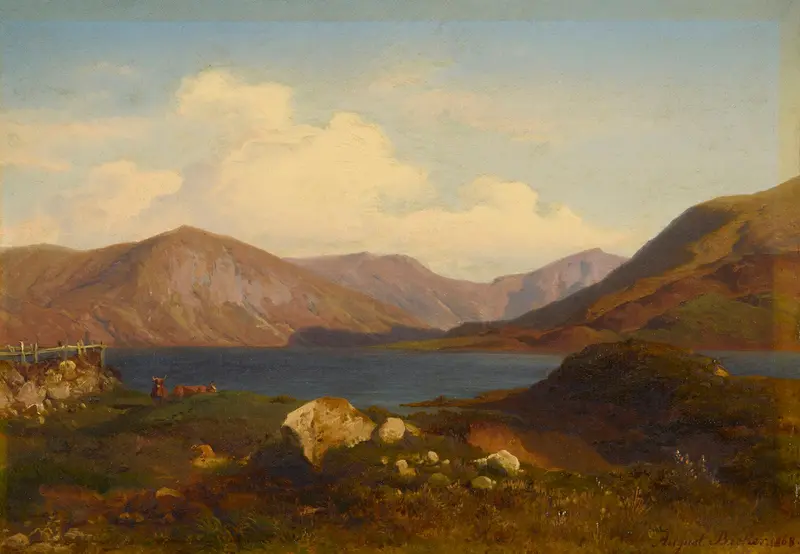
Loch Callater
August Becker
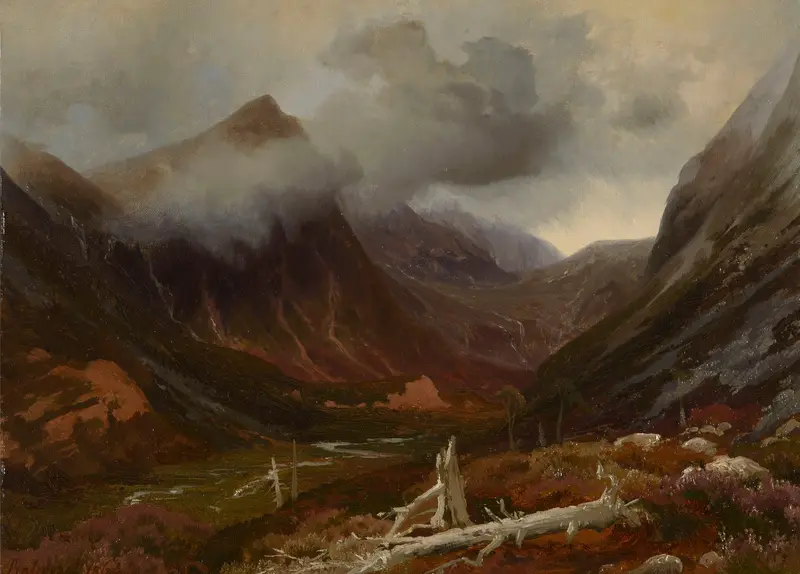
A View in Glen Derry (?)
August Becker
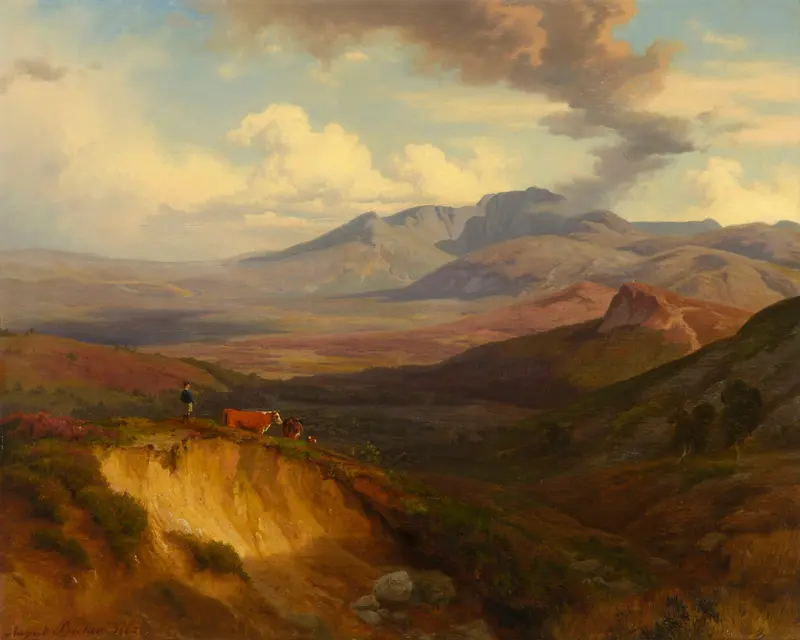
Glen Gelder and Lochnagar
August Becker
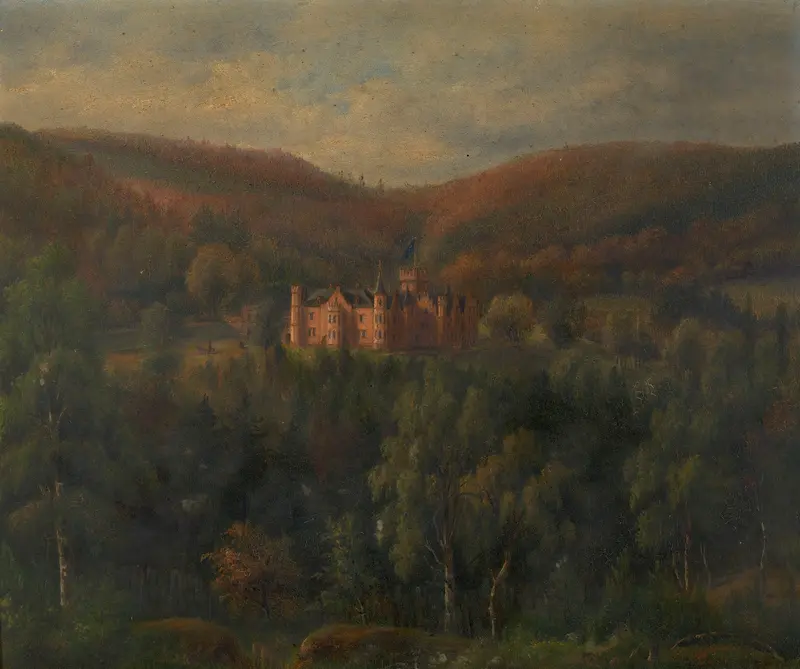
A view of Schloss Waldleiningen
August Becker
More Landscape Art

The Starry Night
Vincent van Gogh

View of Delft
Johannes Vermeer

Water Lilies
Claude Monet

The Grand Canal, Venice, looking north-west from the Ca' Corner to the Ca' Contarini degli Scrigni, with the campanile of Santa Maria della Carità
Canaletto

Windsor Castle
Canaletto

The Grand Canal looking North-East from the Palazzo Dolfin-Manin to the Rialto Bridge
Canaletto