
Loch Avon — History & Facts
What first seizes the eye in Loch Avon is the way the light cracks through heavy cloud, striking the far slopes and the restless water with a sudden, almost theatrical clarity. The mountains rise in dark, sheer walls, their forms softened only by the pale streaks of lingering snow and the gentle haze of distance. A single bird skims the lake’s surface, its presence a small but vital note of life in a landscape otherwise shaped by stone, water, and weather.
The foreground, with its russet earth and scattered rocks, draws you in, grounding the viewer before the gaze is pulled outward and upward, following the sweep of the valley and the drama of the sky. This is a scene built on contrasts: the brooding mass of the hills against the fleeting brightness, the stillness of the land against the movement of the water. Painted in 1865, Loch Avon belongs to a moment when European artists were captivated by the wildness of northern landscapes, seeking out the grandeur of places untouched by cities or industry. Works like this were often created for collectors eager to bring the romance of distant places into their own homes, or for royal patrons who wished to celebrate the natural beauty of their realms.
The painting now resides in the Royal Collection, a reminder of how such images traveled far from the scenes they depict, carrying with them the 19th-century fascination with nature’s power and solitude. History has kept few traces of August Becker’s intentions here, but the painting itself invites us to step into its silence and follow the light as it breaks through the storm.
More Artworks by August Becker

Hirsche und alte Eiche nahe der Wallwitzburg bei Dessau
August Becker
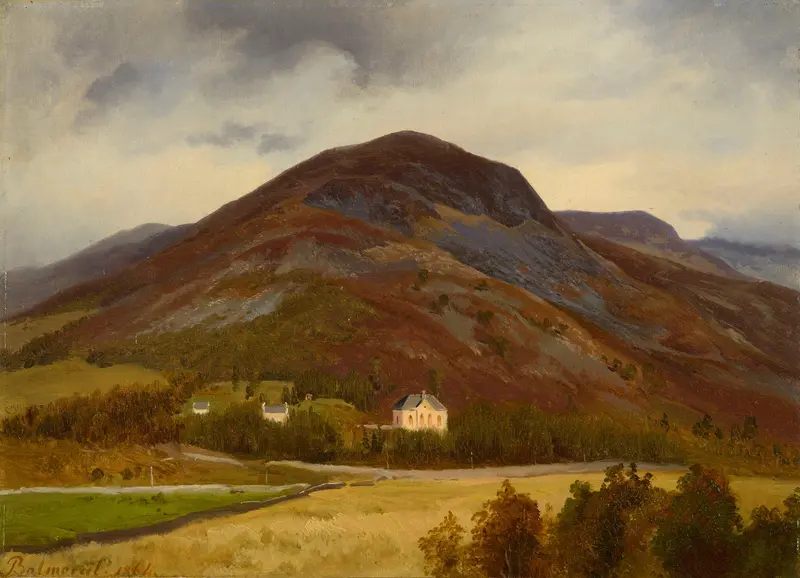
A View of the Church at Crathie
August Becker
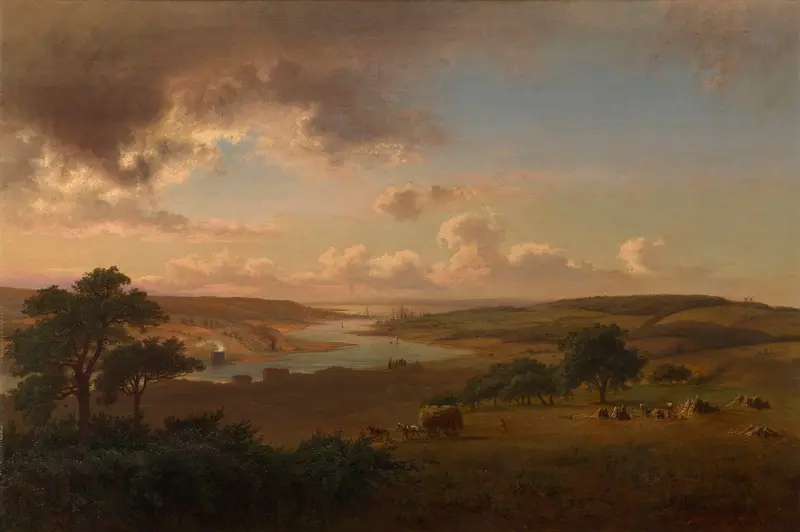
A View of Cowes
August Becker
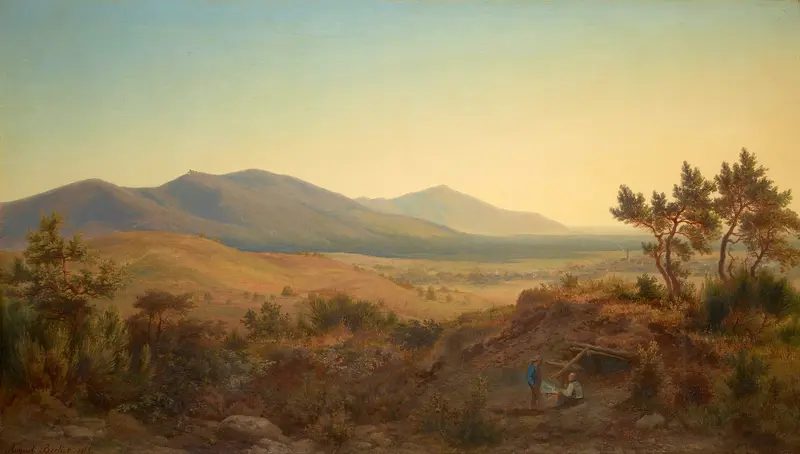
A View of Melibokus and The Bergstrasse
August Becker
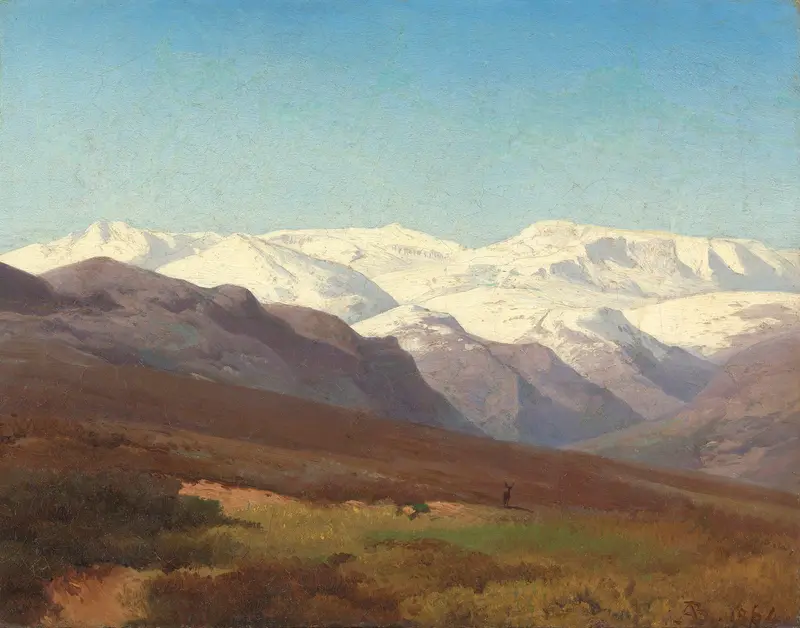
Glen Gelder
August Becker
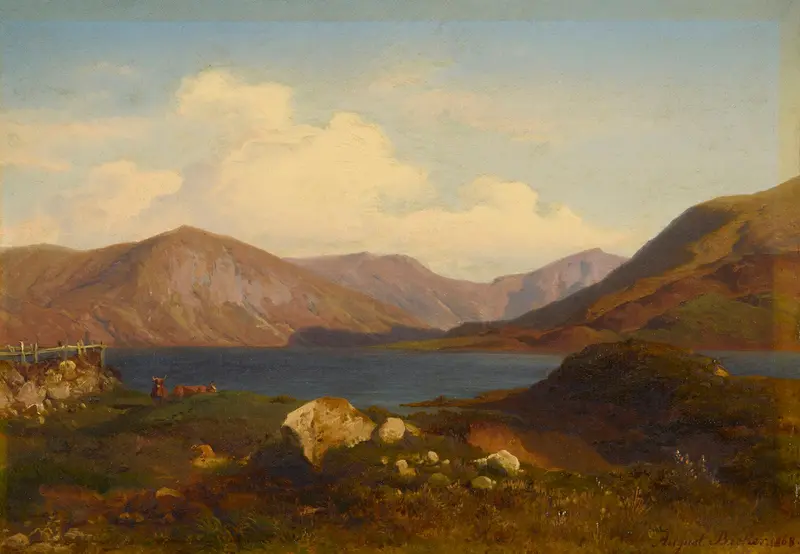
Loch Callater
August Becker
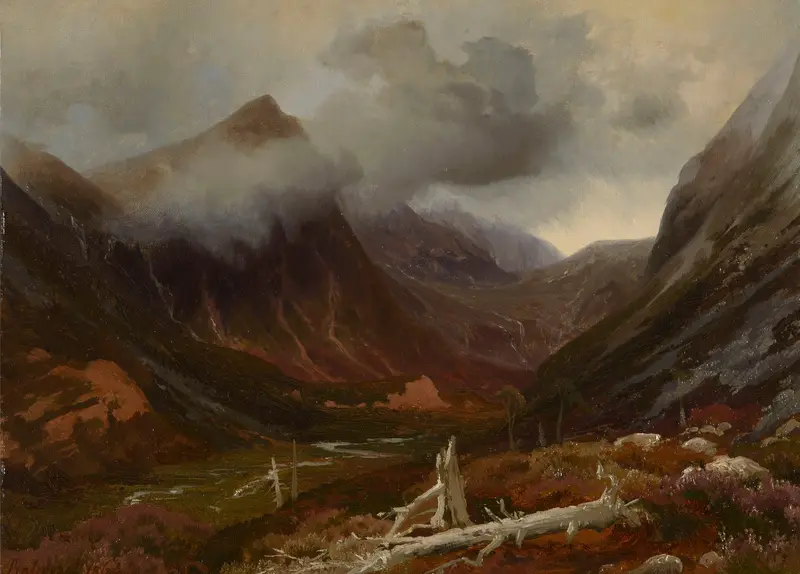
A View in Glen Derry (?)
August Becker
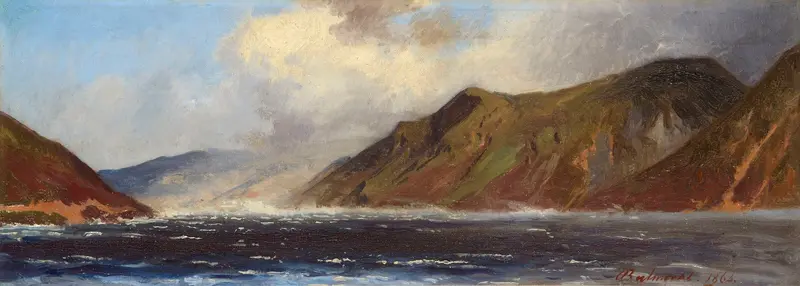
A Storm on Loch Muick
August Becker
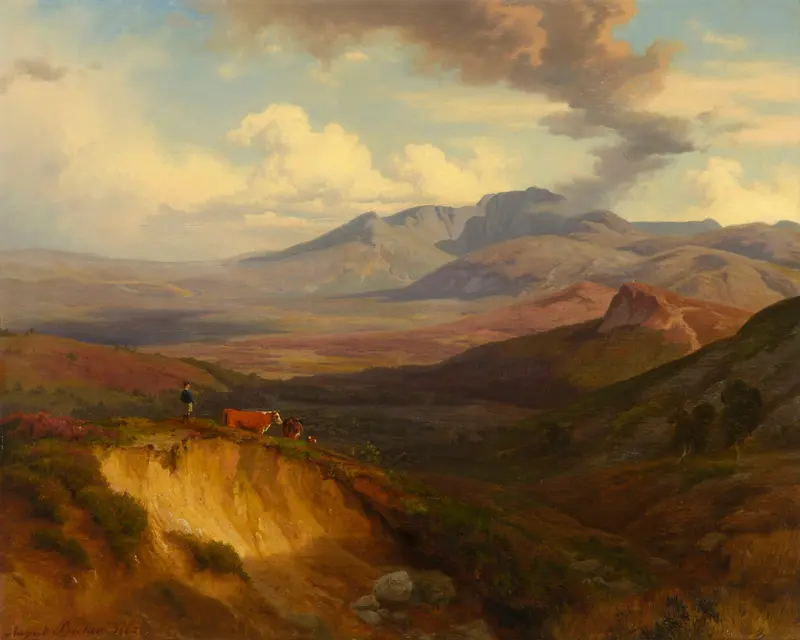
Glen Gelder and Lochnagar
August Becker
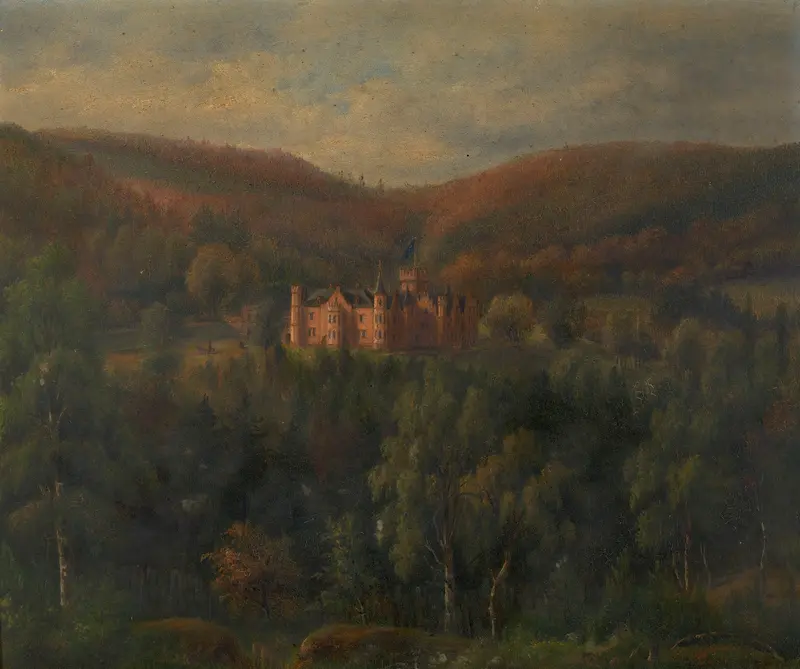
A view of Schloss Waldleiningen
August Becker
More Landscape Art

The Starry Night
Vincent van Gogh

View of Delft
Johannes Vermeer

Water Lilies
Claude Monet

The Grand Canal, Venice, looking north-west from the Ca' Corner to the Ca' Contarini degli Scrigni, with the campanile of Santa Maria della Carità
Canaletto

Windsor Castle
Canaletto

The Grand Canal looking North-East from the Palazzo Dolfin-Manin to the Rialto Bridge
Canaletto