
Hirsche und alte Eiche nahe der Wallwitzburg bei Dessau — History & Facts
The great oak commands the scene, its gnarled limbs stretching wide as if sheltering the quiet drama beneath. Sunlight, filtered through a haze of late afternoon, bathes the landscape in a golden warmth, drawing the viewer’s eye from the reflective water’s edge to the dense, textured foliage. A stag stands alert in the background, half-concealed by the undergrowth—a living punctuation in this tranquil wilderness.
Every brushstroke seems to linger on the details of bark and leaf, inviting us to pause and listen for the rustle of deer or the soft splash of waterfowl. The composition leads us gently from the luminous sky, down the arch of the oak, and into the shaded, secretive world at its roots. Painted in 1836, Hirsche und alte Eiche nahe der Wallwitzburg bei Dessau by August Becker belongs to a moment when German artists were turning their gaze to the forests and riverbanks of their homeland, seeking both national identity and personal solace in nature. Such landscapes, often commissioned for private homes or local collections, were prized for their ability to conjure a sense of place and memory.
The Dorotheum’s record of this work situates it within a tradition that valued not just the grandeur of nature, but its quiet, everyday presence. History has kept few traces of this particular painting’s journey, but its careful attention to light and texture speaks to the enduring appeal of the Romantic landscape—inviting us to step closer and lose ourselves in its stillness.
More Artworks by August Becker
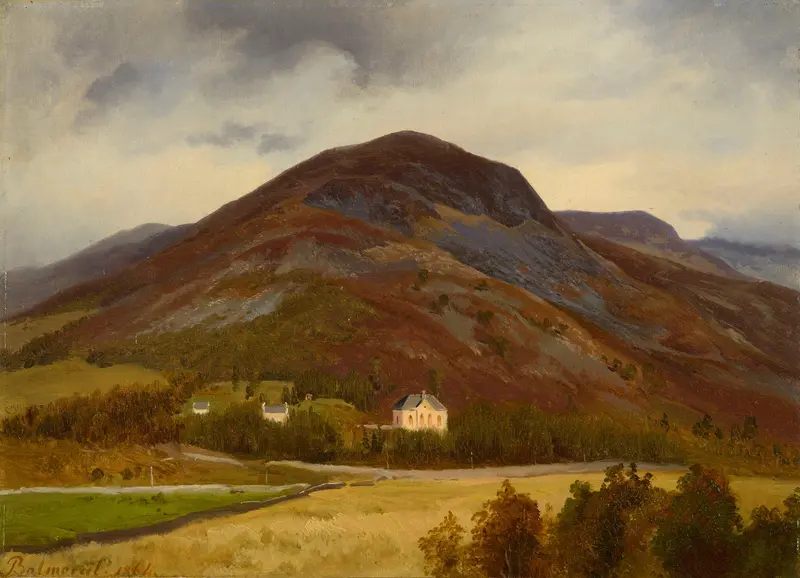
A View of the Church at Crathie
August Becker
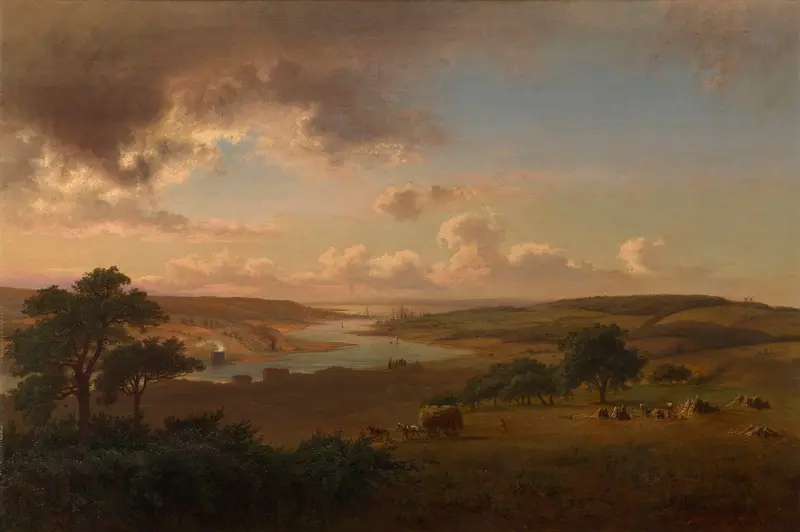
A View of Cowes
August Becker
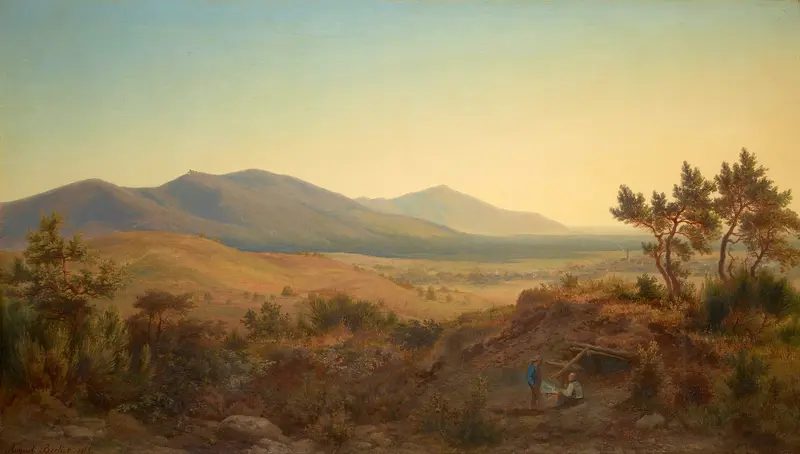
A View of Melibokus and The Bergstrasse
August Becker
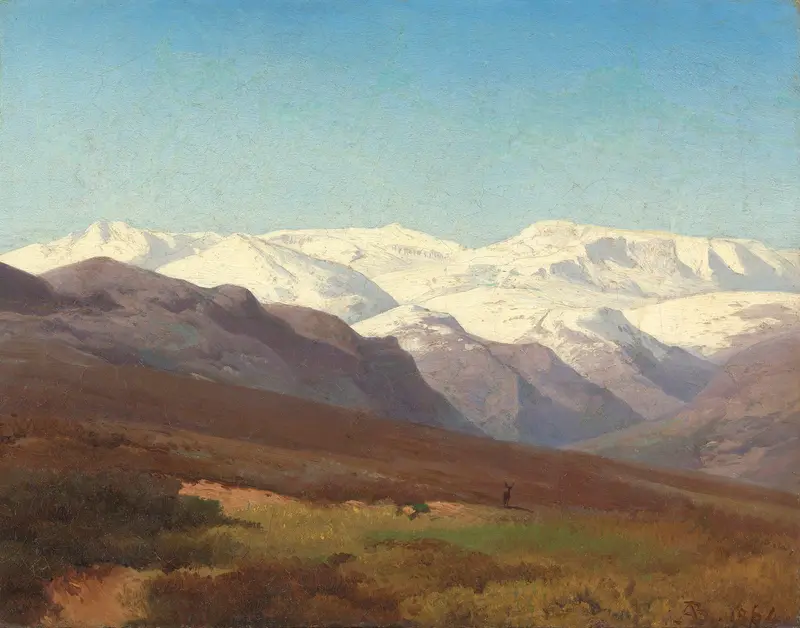
Glen Gelder
August Becker
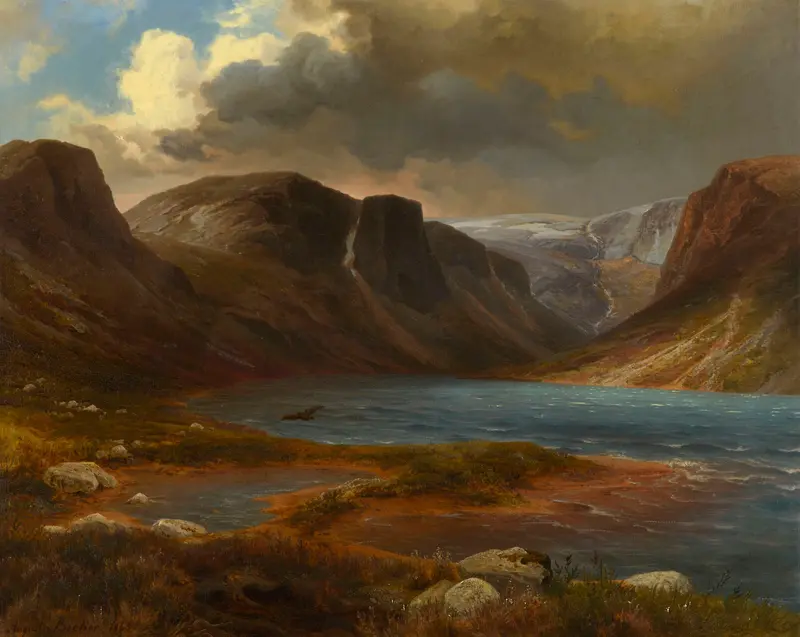
Loch Avon
August Becker
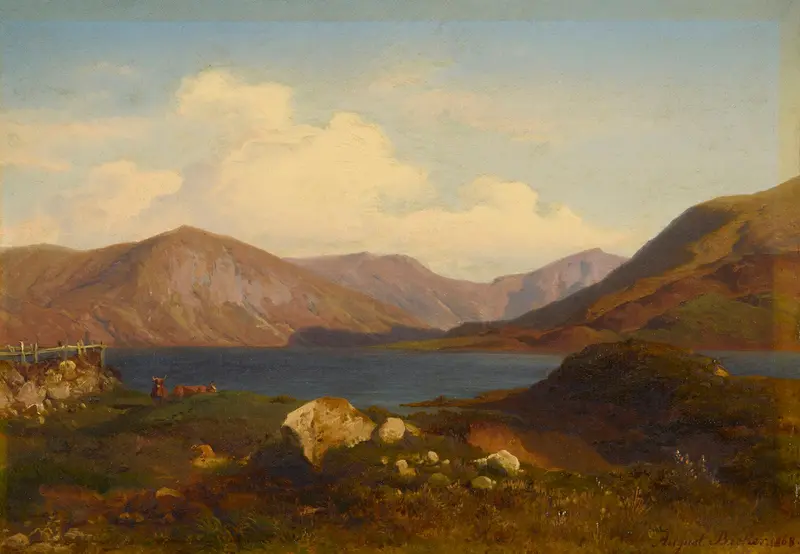
Loch Callater
August Becker
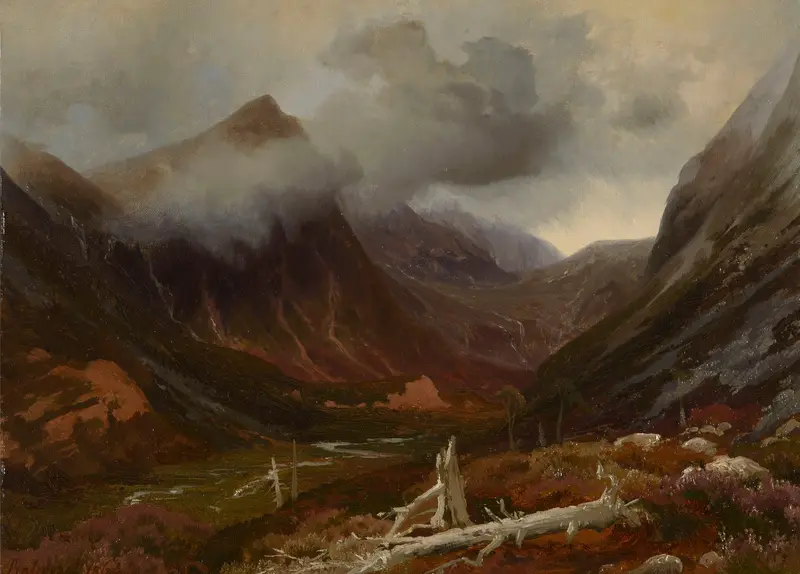
A View in Glen Derry (?)
August Becker
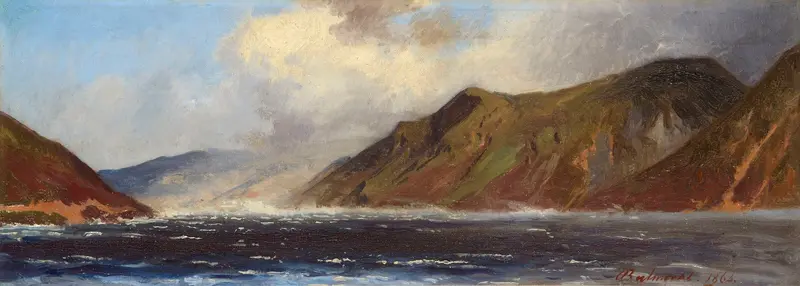
A Storm on Loch Muick
August Becker
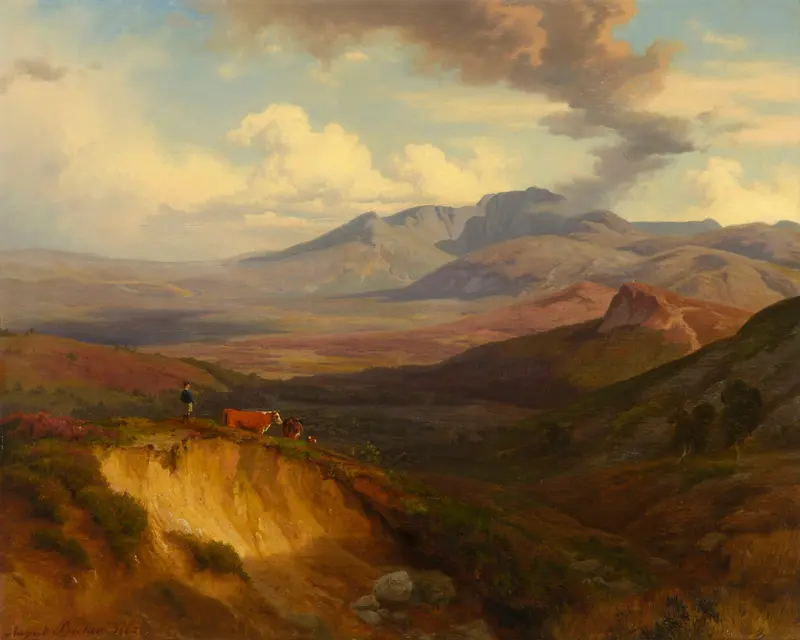
Glen Gelder and Lochnagar
August Becker
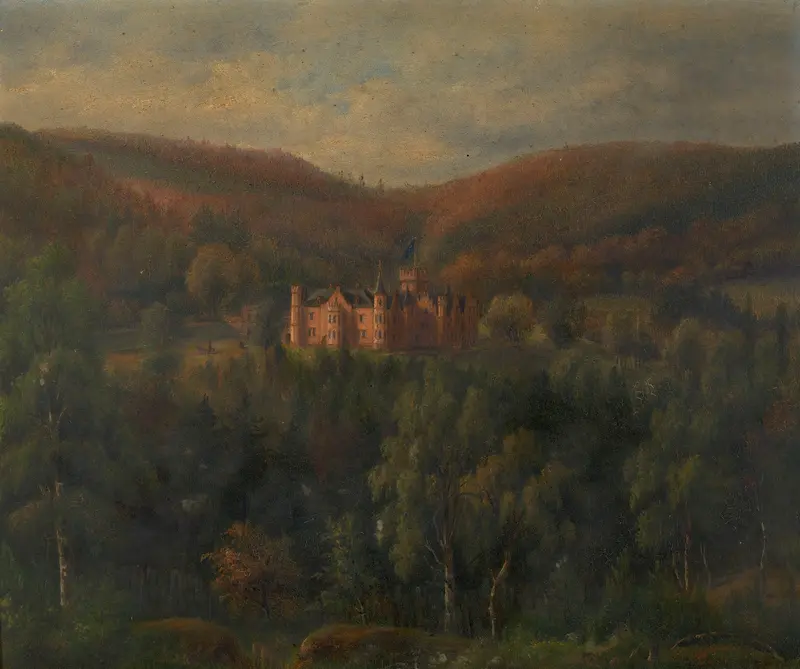
A view of Schloss Waldleiningen
August Becker
More Landscape Art

The Starry Night
Vincent van Gogh

View of Delft
Johannes Vermeer

Water Lilies
Claude Monet

The Grand Canal, Venice, looking north-west from the Ca' Corner to the Ca' Contarini degli Scrigni, with the campanile of Santa Maria della Carità
Canaletto

Windsor Castle
Canaletto

The Grand Canal looking North-East from the Palazzo Dolfin-Manin to the Rialto Bridge
Canaletto