
A view of Schloss Waldleiningen — History & Facts
The eye is drawn first to the warm, brick-red mass of Schloss Waldleiningen, its turrets and battlements rising just above a sea of green. The castle sits like a secret revealed, almost hidden within the dense, rolling woods that press in on all sides. Light falls gently across the scene, catching the castle’s façade and lending it a quiet prominence amid the shadowed foliage.
The painter, August Becker, carefully balances the man-made with the wild: the building is stately, but the forest is vast, its autumnal tones suggesting both shelter and isolation. Look closely, and you’ll see how the castle’s sharp lines and flag-topped towers punctuate the soft, undulating hills—nature and architecture in a careful, almost conspiratorial conversation. Painted in 1863, this work belongs to a moment when landscapes were more than backdrops—they were statements of identity, power, and belonging. In mid-19th-century Germany, views of noble estates were often commissioned to affirm heritage and taste, serving as visual testaments to lineage and land.
August Becker was part of a generation fascinated by the interplay of civilization and wilderness, capturing estates not as isolated trophies but as living parts of their environment. Now in the Royal Collection, this painting stands as a quiet witness to a world where the forest was both boundary and embrace, inviting the viewer to imagine life within those distant walls.
More Artworks by August Becker

Hirsche und alte Eiche nahe der Wallwitzburg bei Dessau
August Becker
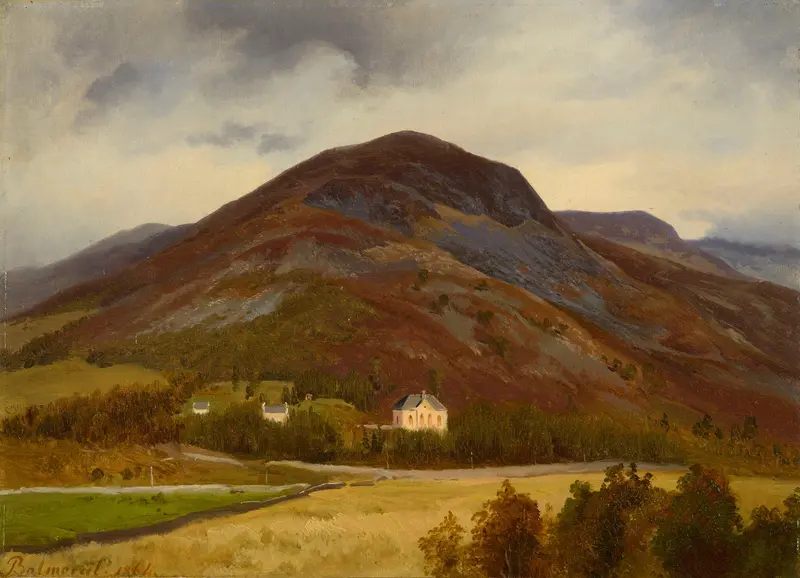
A View of the Church at Crathie
August Becker
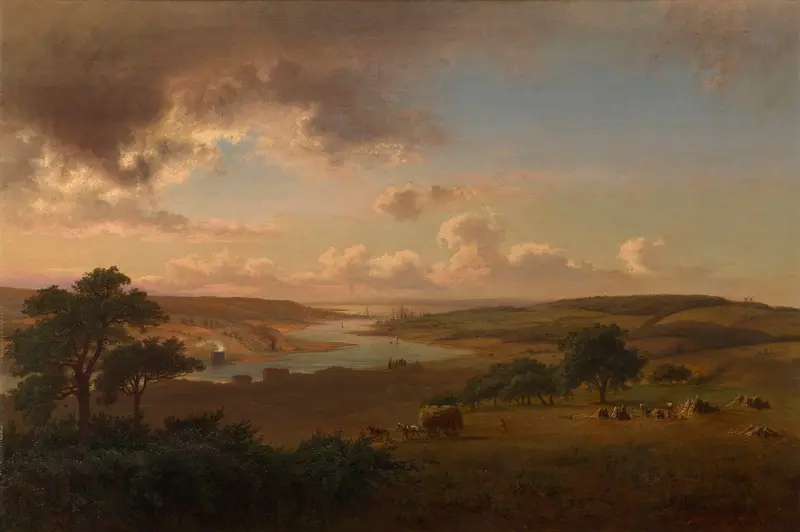
A View of Cowes
August Becker
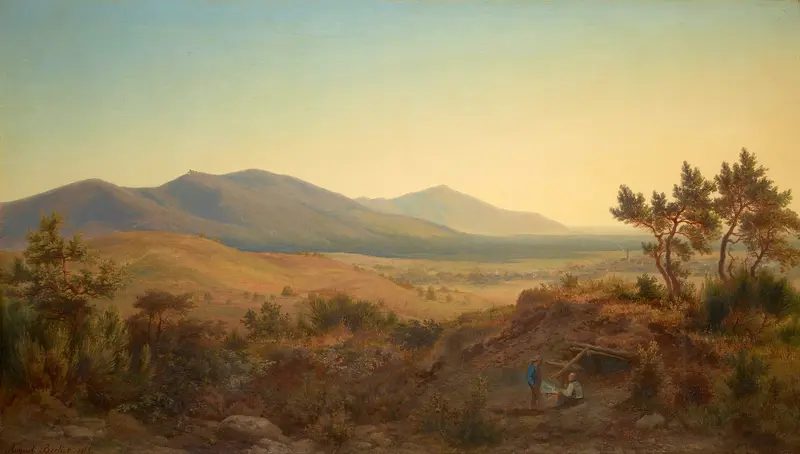
A View of Melibokus and The Bergstrasse
August Becker
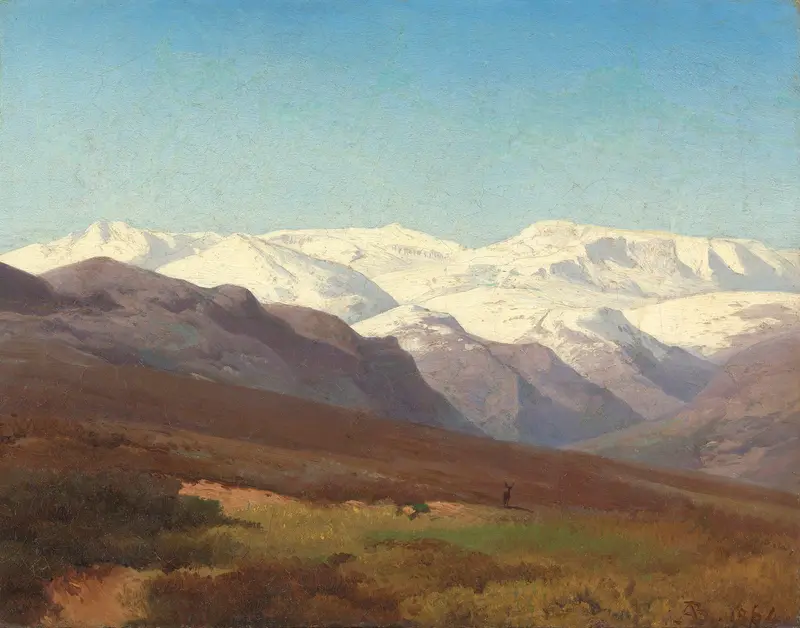
Glen Gelder
August Becker
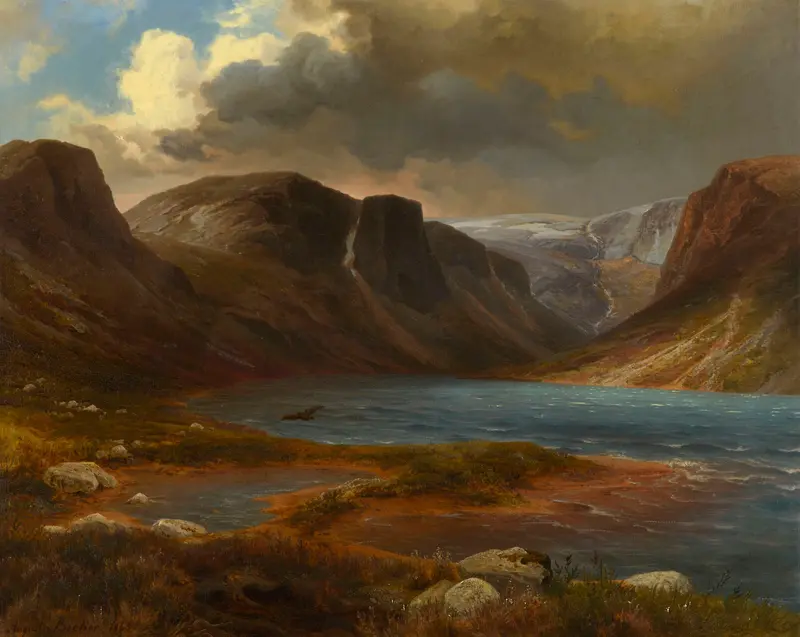
Loch Avon
August Becker
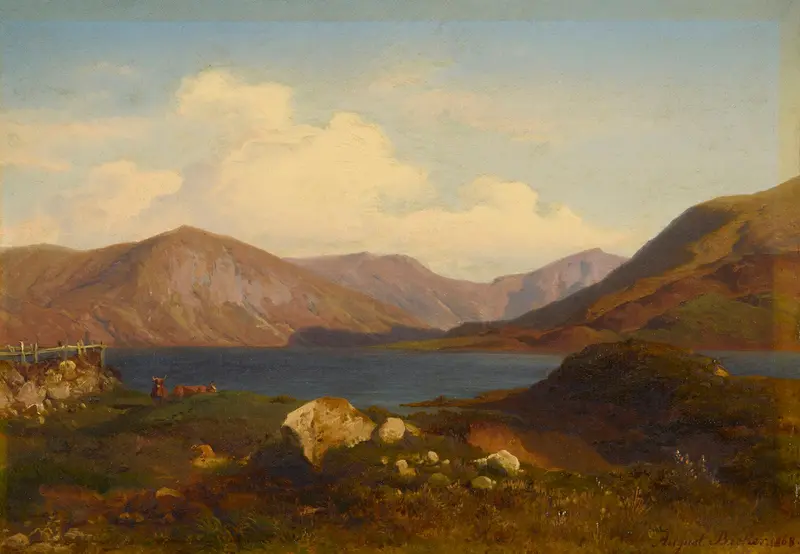
Loch Callater
August Becker
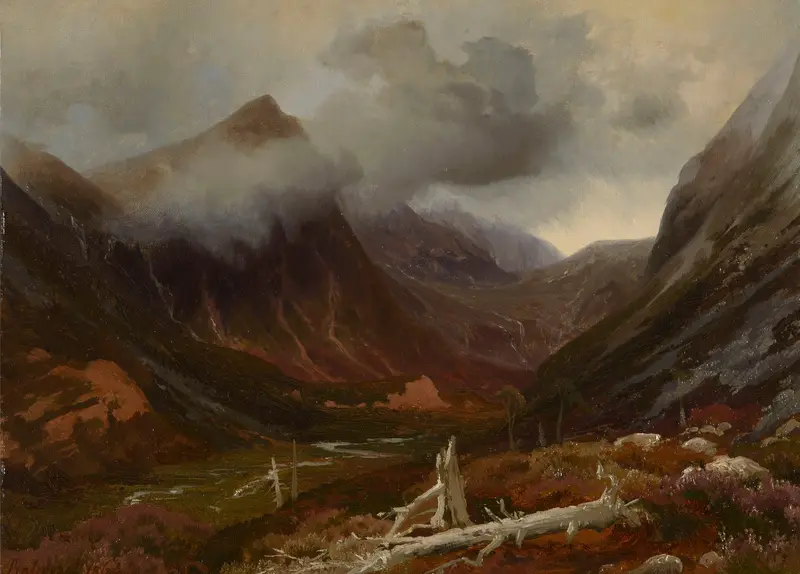
A View in Glen Derry (?)
August Becker
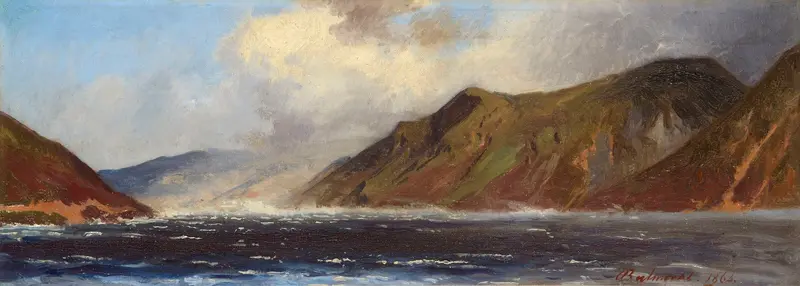
A Storm on Loch Muick
August Becker
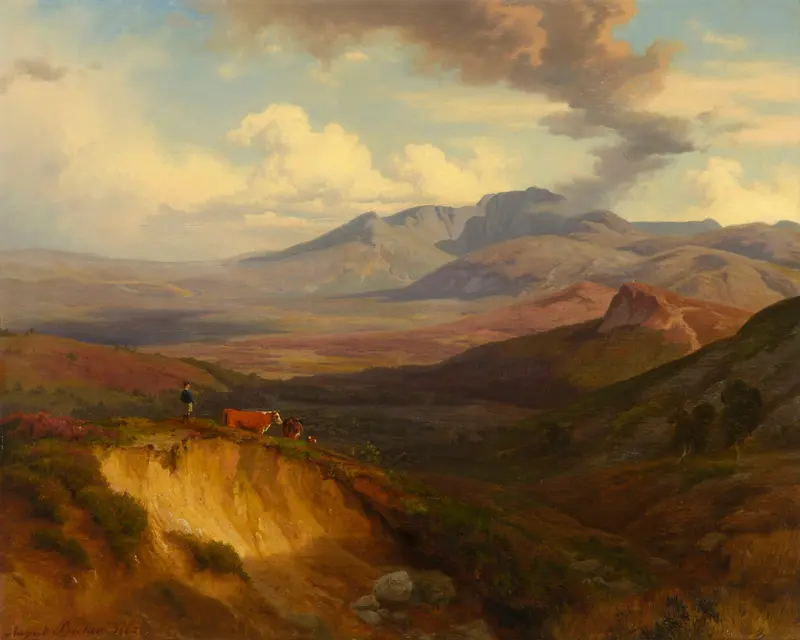
Glen Gelder and Lochnagar
August Becker
More Landscape Art

The Starry Night
Vincent van Gogh

View of Delft
Johannes Vermeer

Water Lilies
Claude Monet

The Grand Canal, Venice, looking north-west from the Ca' Corner to the Ca' Contarini degli Scrigni, with the campanile of Santa Maria della Carità
Canaletto

Windsor Castle
Canaletto

The Grand Canal looking North-East from the Palazzo Dolfin-Manin to the Rialto Bridge
Canaletto