
A Street in a Country Village — History & Facts
In the quiet embrace of a country village, a moment of sheer awe unfolds, capturing the essence of simplicity and serenity within a bustling world. Look to the left of the canvas where the cobblestone path unfolds, inviting the viewer to stroll among the rustic cottages. Notice how the dappled sunlight filters through the trees, casting gentle shadows that animate the scene. The rich greens of the foliage contrast beautifully with the earthy tones of the buildings, while the soft blue sky overhead evokes a sense of calm.
Hunt’s deft brushwork captures the textures of weathered wood and sunlit stone, inviting us to breathe in the atmosphere of pastoral life. The delicate balance between nature and human existence is palpable here. The villagers, though absent, seem to echo in the details — a forgotten hat on a fence post or the quiet ripple of a nearby stream, suggesting stories untold. The careful placement of elements evokes a sense of harmony, yet a hint of nostalgia lingers, as if the viewer is reminded of an idyllic past where time flows differently.
There's a profound reverence for the ordinary, a celebration of quiet moments that punctuate the rush of life. In 1815, William Henry Hunt painted this work during a period marked by the Romantic movement's embrace of nature and emotion in art. Living in the burgeoning industrial landscape of England, Hunt sought refuge in the beauty of rural life, reflecting an era in which artists began to pivot from grand historical scenes to explore intimate, everyday subjects. This painting stands as a testament to that shift, preserving a fleeting moment for generations to cherish.
More Artworks by William Henry Hunt
Browse all →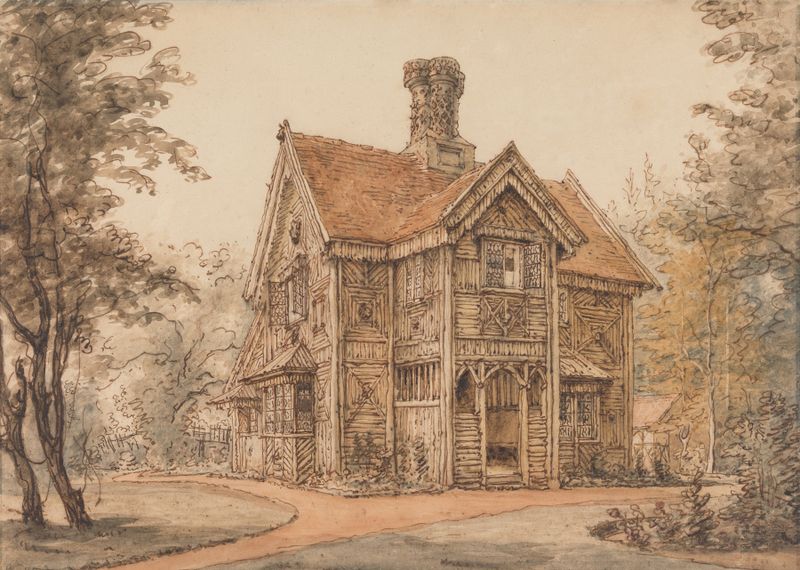
A Lodge at Cassiobury
William Henry Hunt
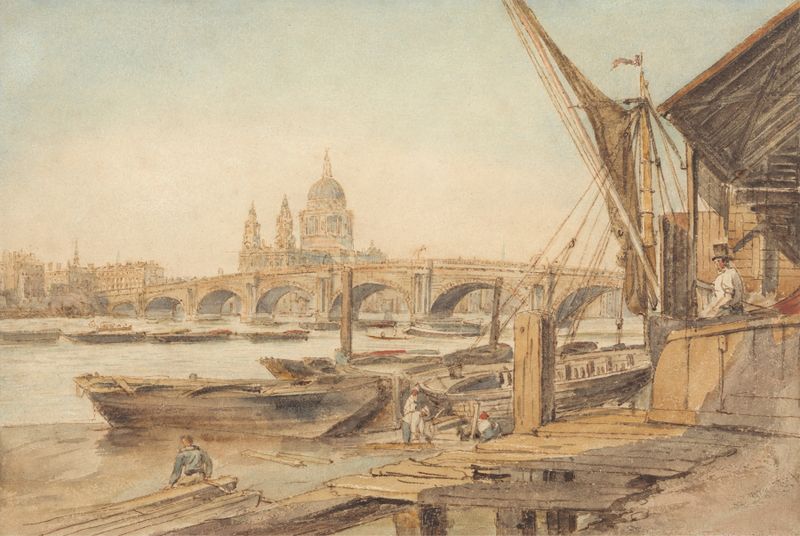
St. Paul’s Cathedral and Blackfriar’s Bridge
William Henry Hunt
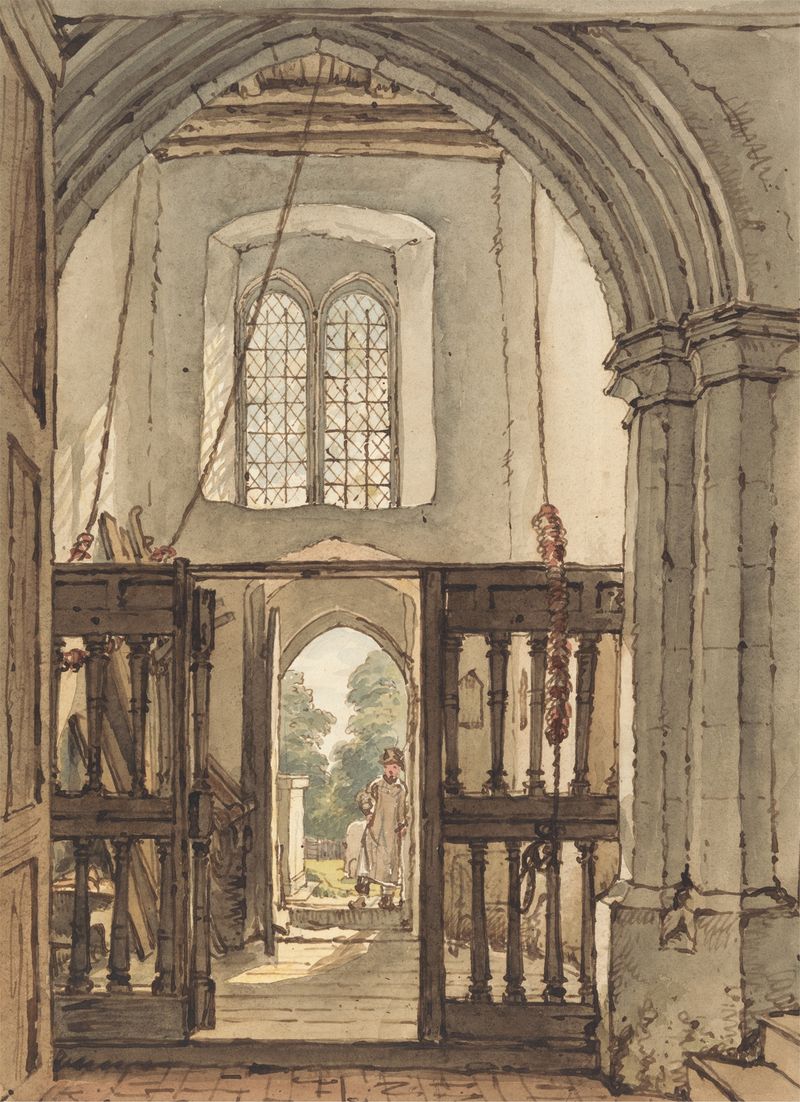
Interior of the Belfry, Bushey Church
William Henry Hunt
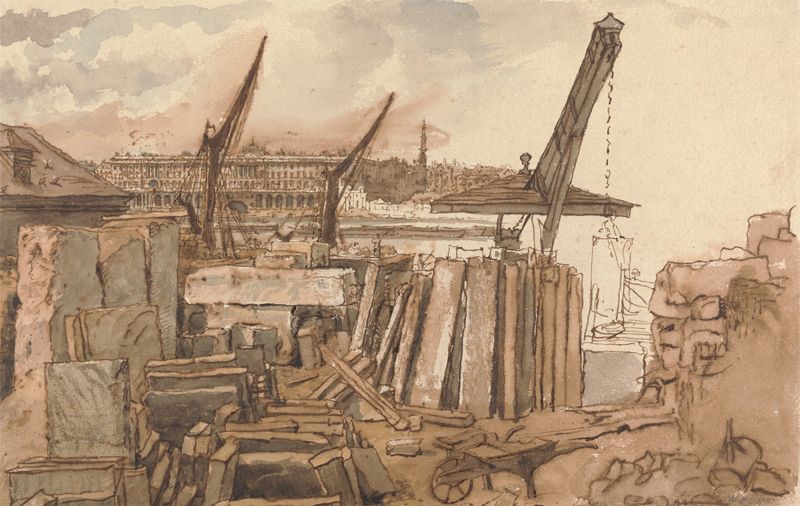
The Building of Waterloo Bridge
William Henry Hunt
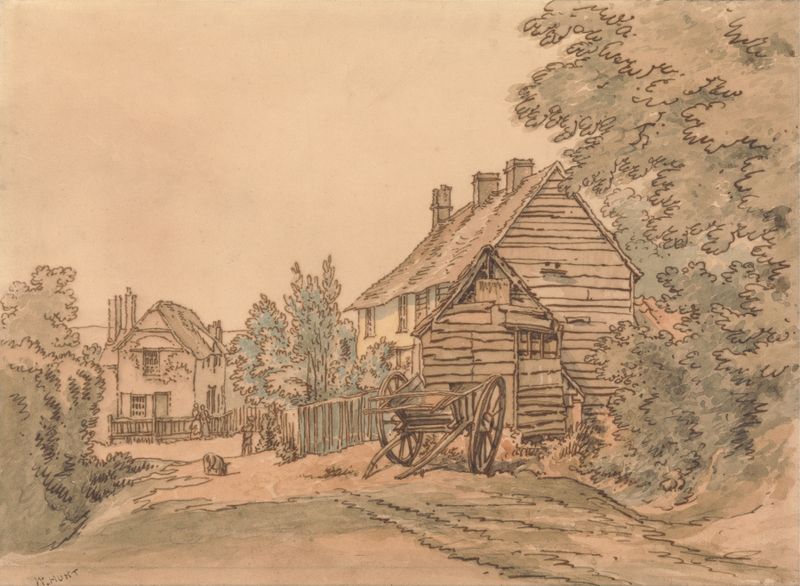
A Street in a Country Village
William Henry Hunt
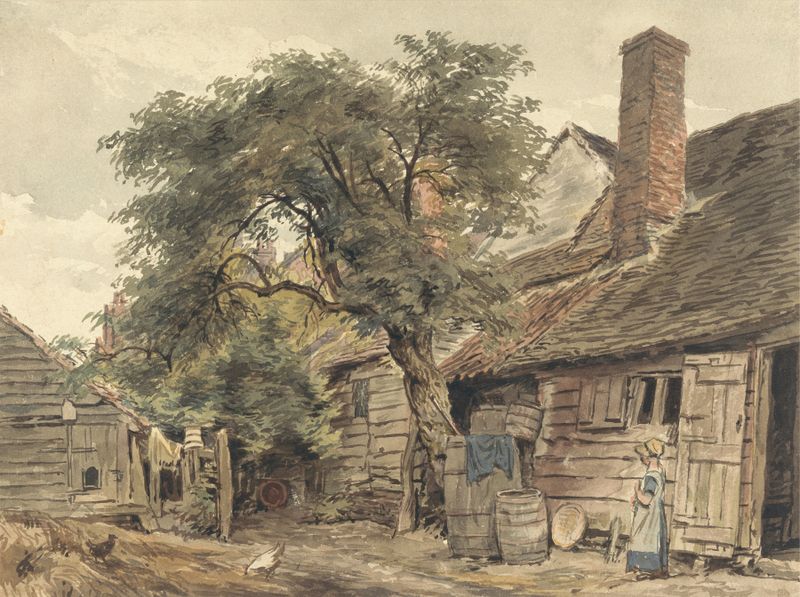
Backyard of a Cottage
William Henry Hunt
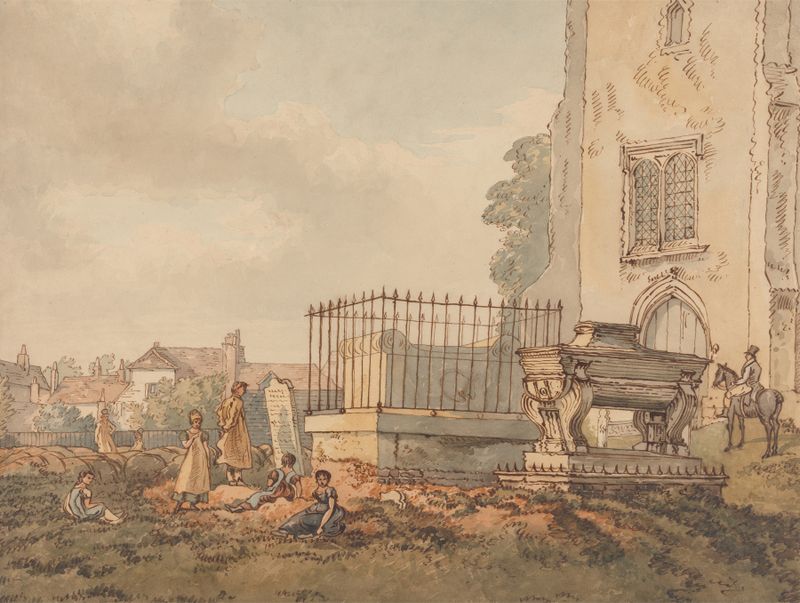
Bushey Churchyard with the Tombs of Edridge, Hearne and H. Monro
William Henry Hunt
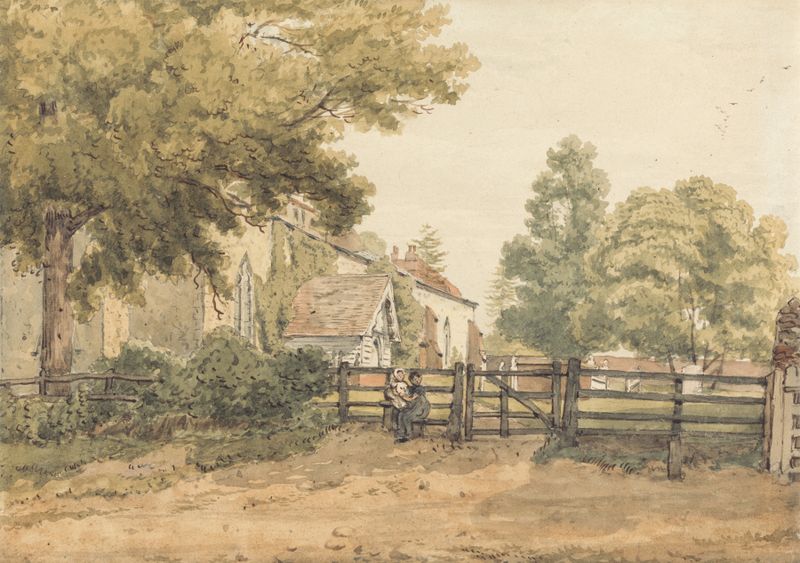
Aldenham Church
William Henry Hunt
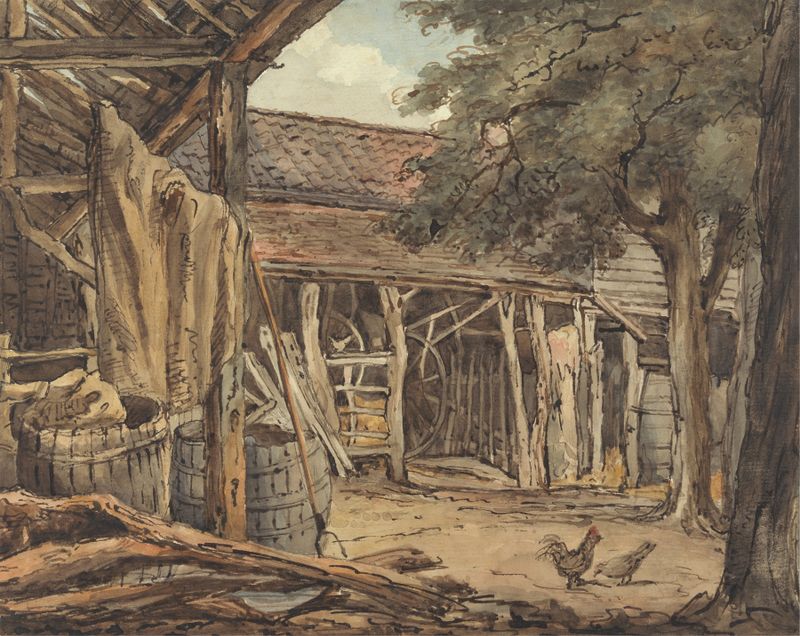
A Farmyard
William Henry Hunt
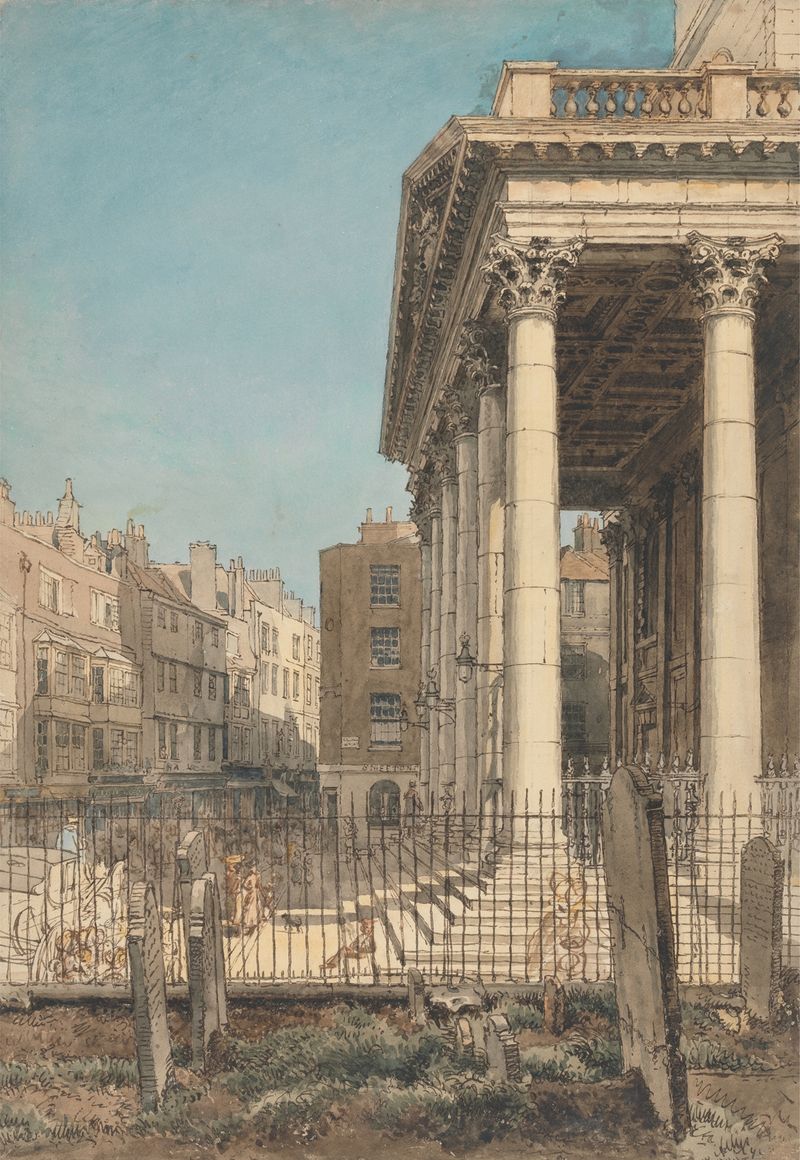
The Portico of St. Martin-in-the-Fields
William Henry Hunt





