
A Summer Day — History & Facts
Could beauty survive in a century of chaos? In a world often overshadowed by turmoil, the answer may lie in the delicate brushstrokes of a serene landscape. Look to the center, where a tranquil river meanders through lush greenery, inviting the eye to follow its gentle flow. Notice how the light breaks through the leaves above, casting dappled shadows that dance across the water’s surface. The palette is a celebration of summer—vibrant greens, warm yellows, and soft blues harmoniously blending to evoke a sense of peace and possibility.
In every detail, from the graceful bending of the trees to the distant hills, there is a quiet assurance that nature remains untouched by human strife. Yet, beneath this idyllic scene lies a tension between nature's tranquility and the encroaching chaos of industrialization. The idyllic portrayal contrasts sharply with the societal changes of the time, reflecting a longing for simplicity amidst rising complexities. The subtle presence of figures—perhaps a family enjoying the day—adds warmth, suggesting a fleeting connection to moments that are increasingly rare.
Each element, meticulously crafted, speaks to a faith that beauty can endure even when the world seems to fracture. During the years 1827 to 1837, the artist was immersed in the Romantic movement, which sought to celebrate the sublime aspects of nature and the human experience. Painting primarily in England, he was influenced by the shifting landscape of his homeland, facing the pressures of industrial growth while trying to capture the essence of rural charm. This work reflects his steadfast belief in the restorative power of nature amid an evolving world.
More Artworks by John Sell Cotman
Browse all →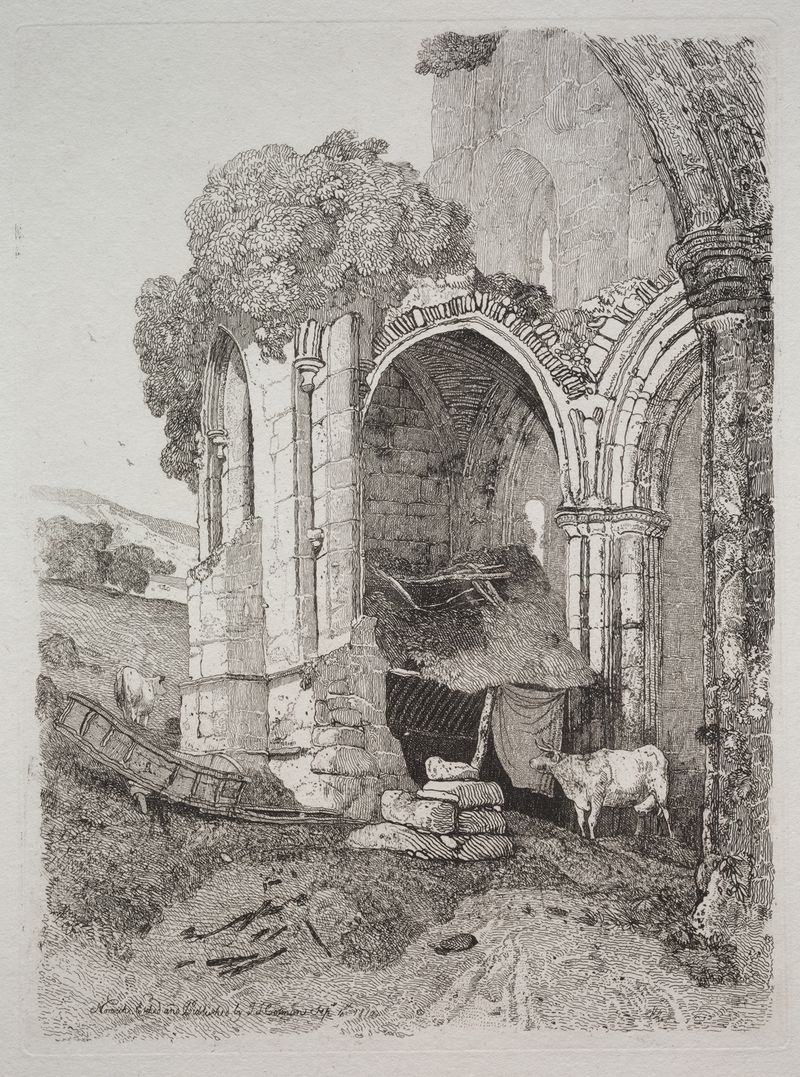
Rievaulx Abbey, Yorkshire
John Sell Cotman
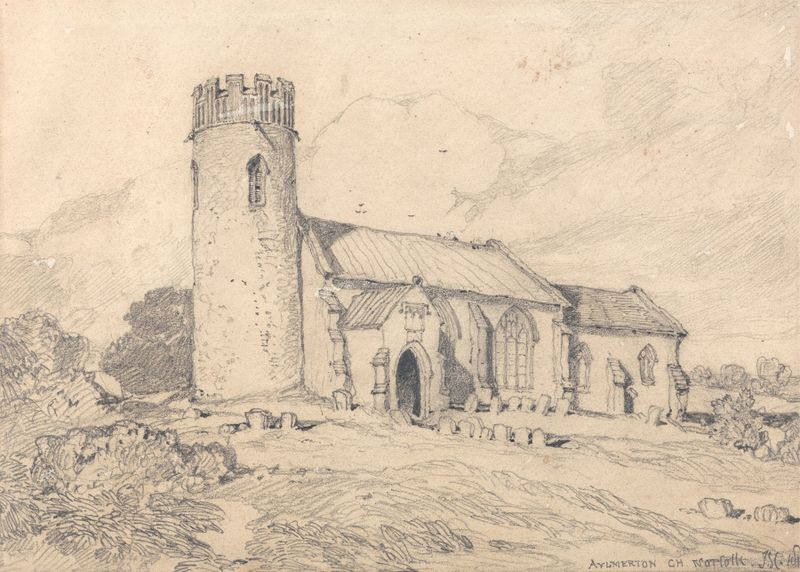
Aylmerton Church; Norfolk, from the South-West
John Sell Cotman
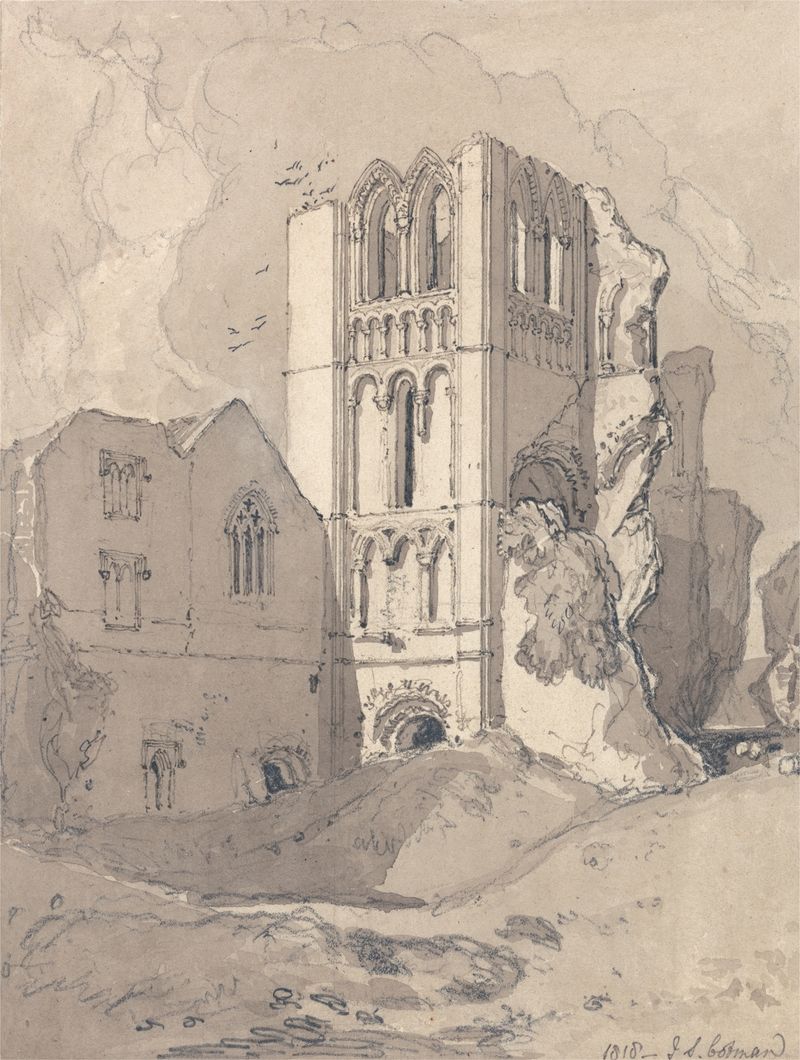
Castle Acre Priory, Norfolk
John Sell Cotman
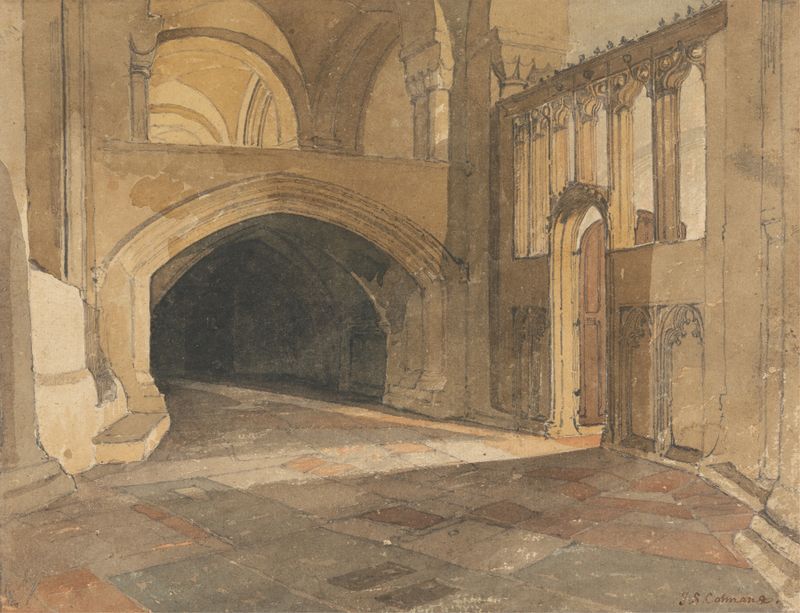
Norwich Cathedral; Entrance to Jesus Chapel
John Sell Cotman
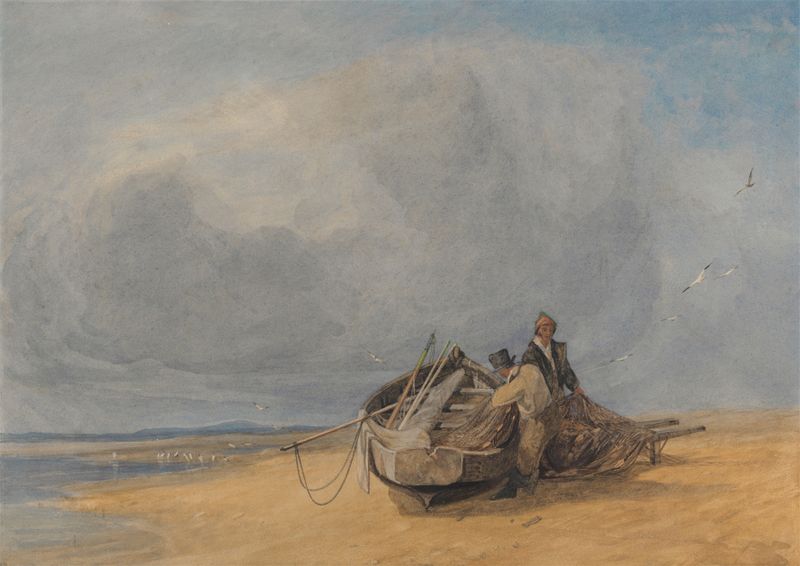
Yarmouth Sands, Norfolk
John Sell Cotman
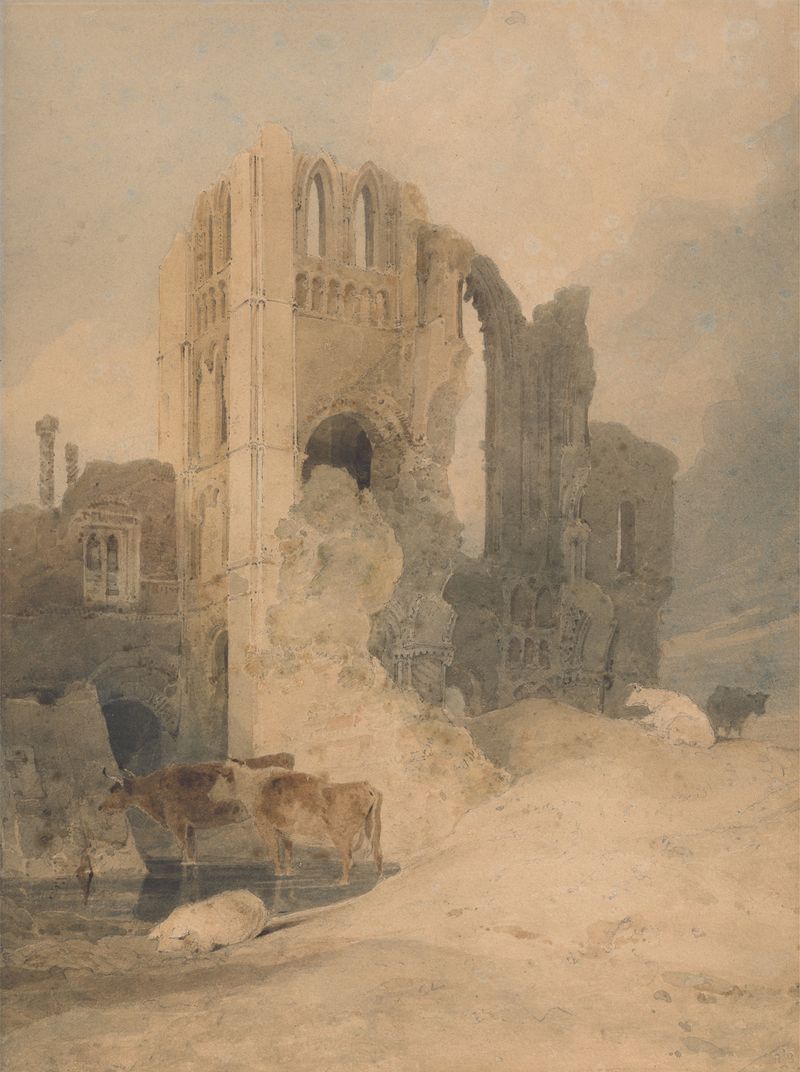
Castle Acre Priory, Norfolk
John Sell Cotman
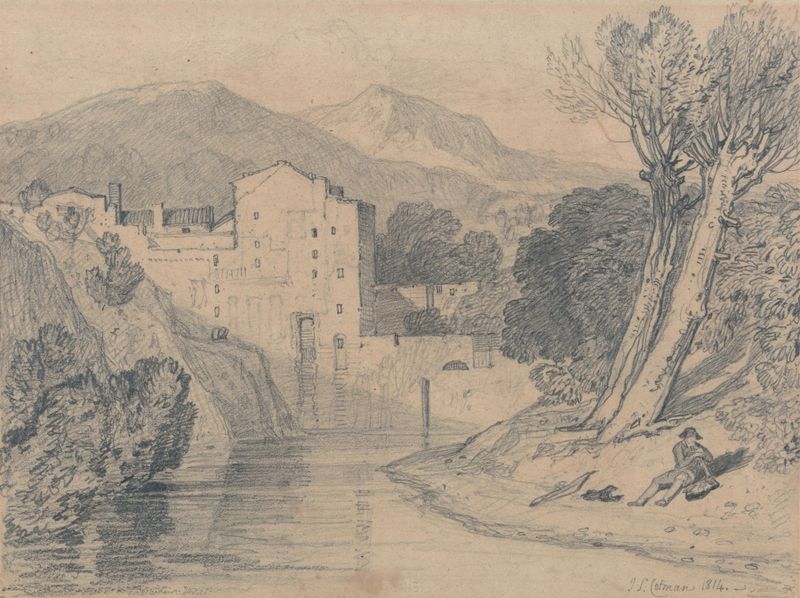
Near Whitby, Yorkshire
John Sell Cotman
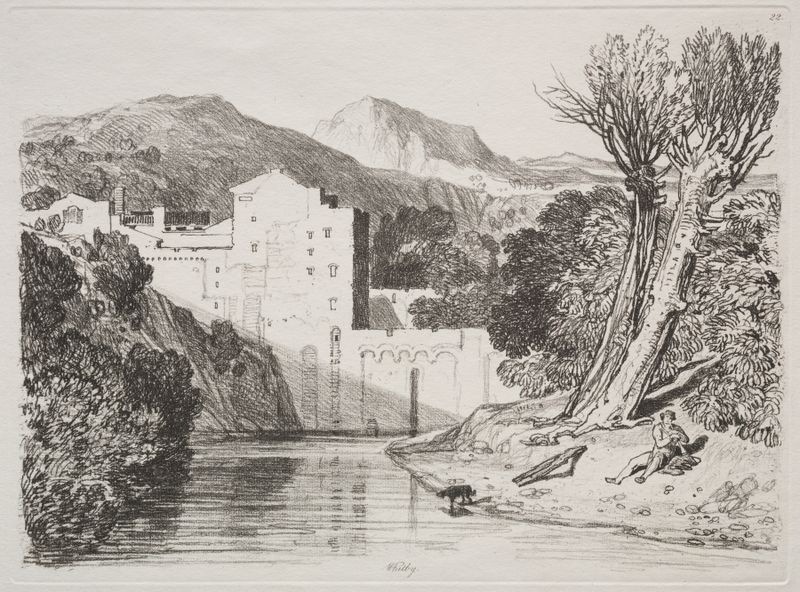
Whitby
John Sell Cotman
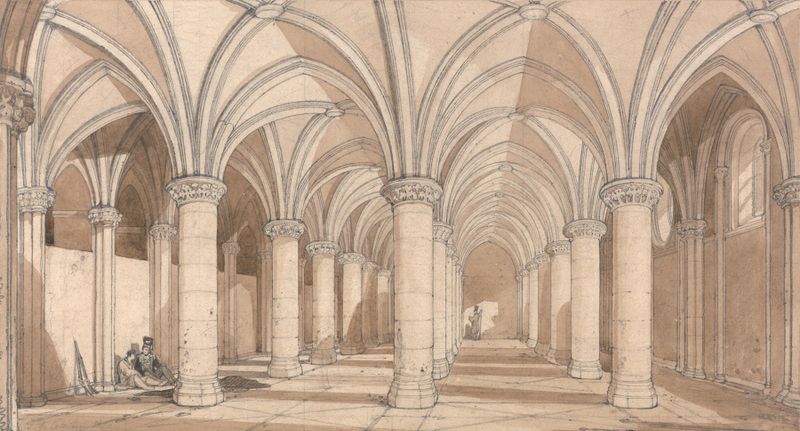
The Barons’ Hall, Mont Saint Michel
John Sell Cotman
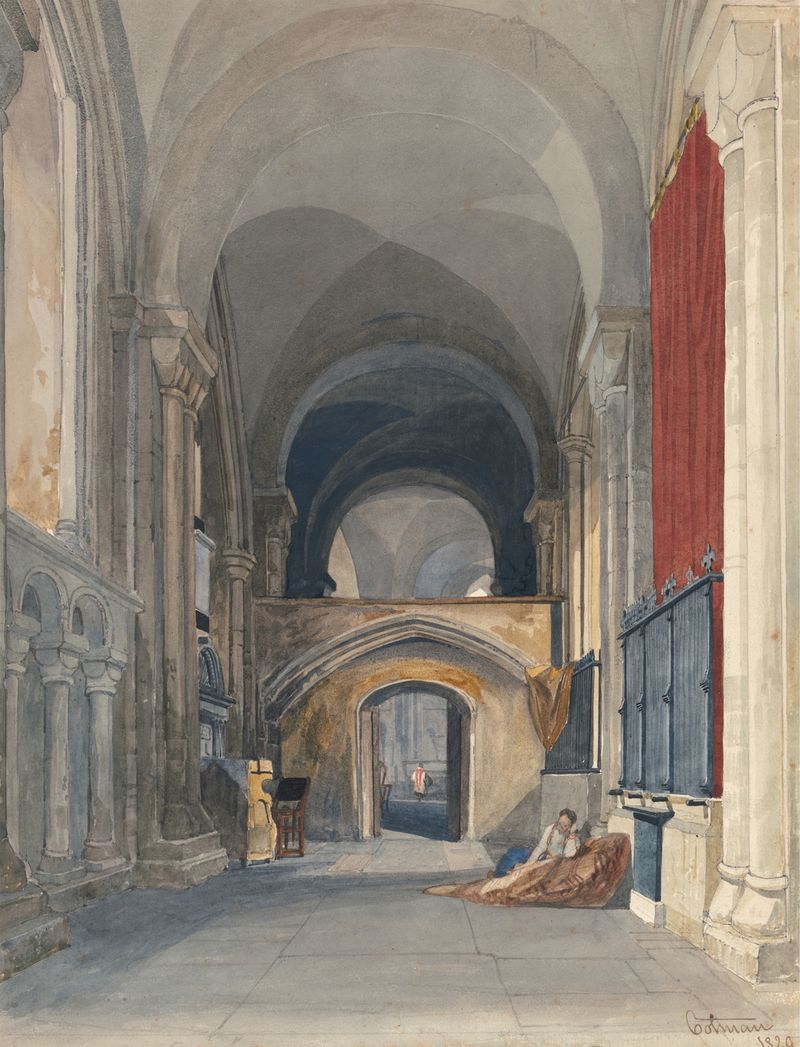
Norwich Cathedral; Interior of the North Aisle of the Choir, Looking East
John Sell Cotman





