A Summer Landscape With Figures Bringing In The Harvest — History & Analysis
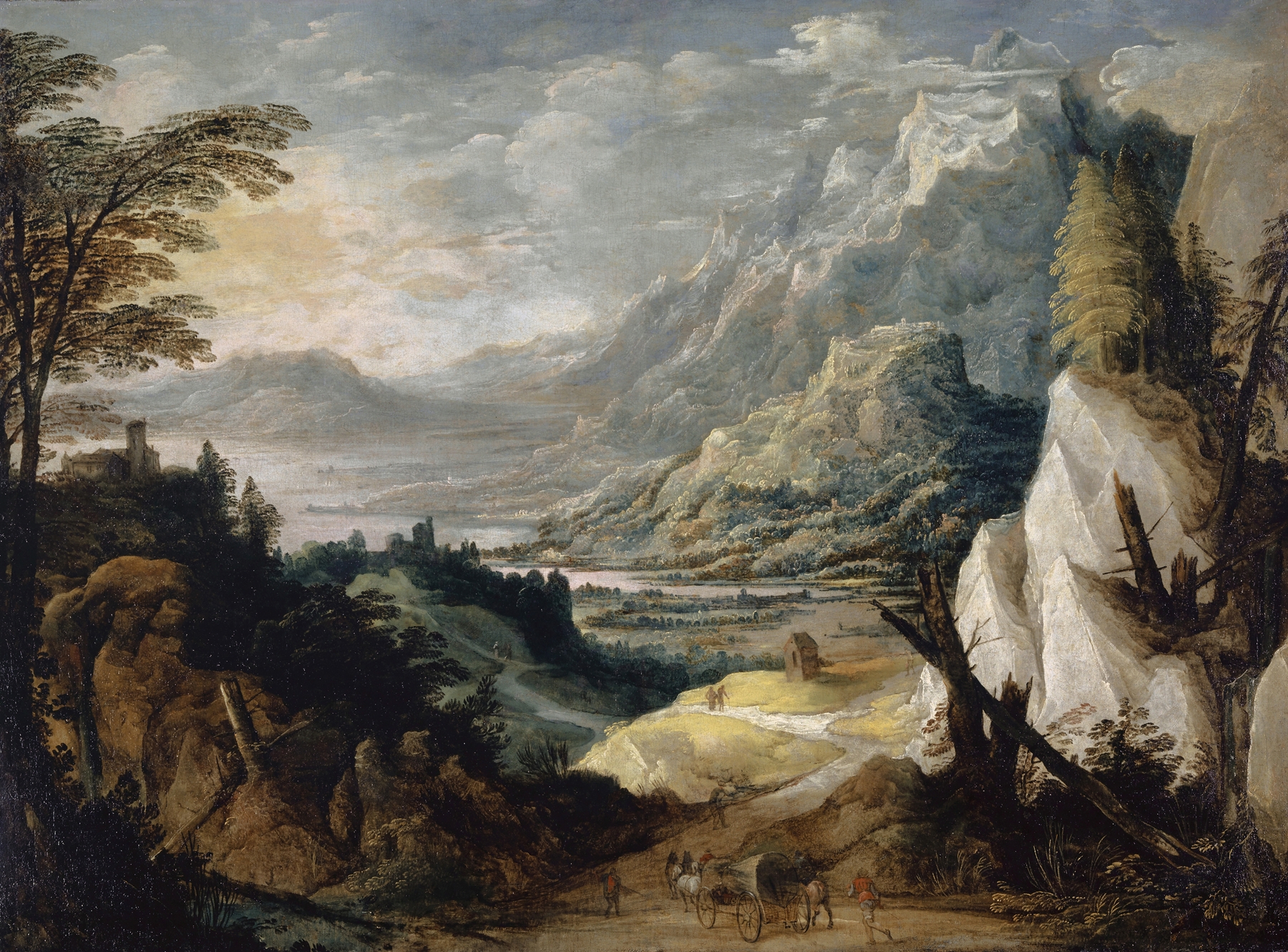
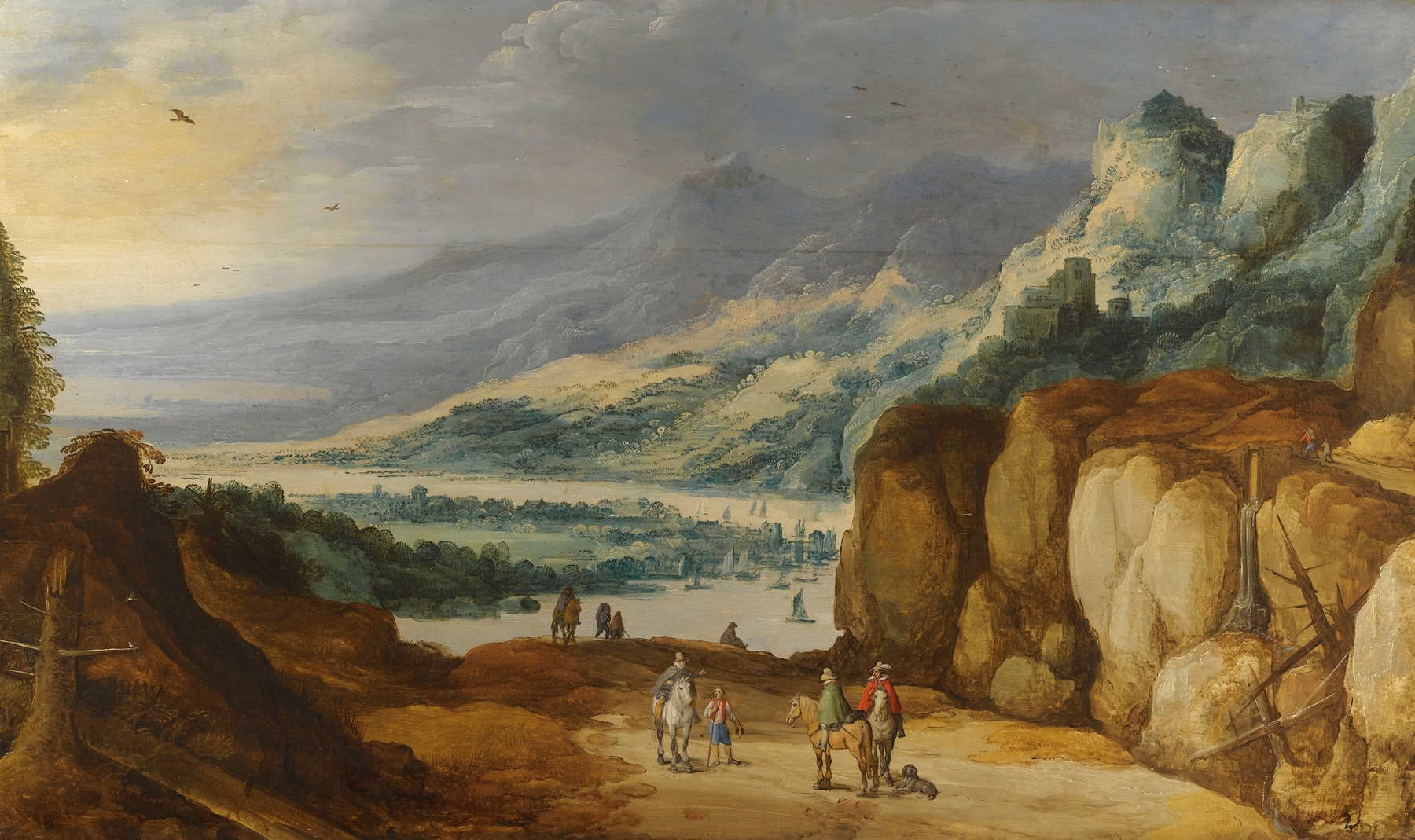
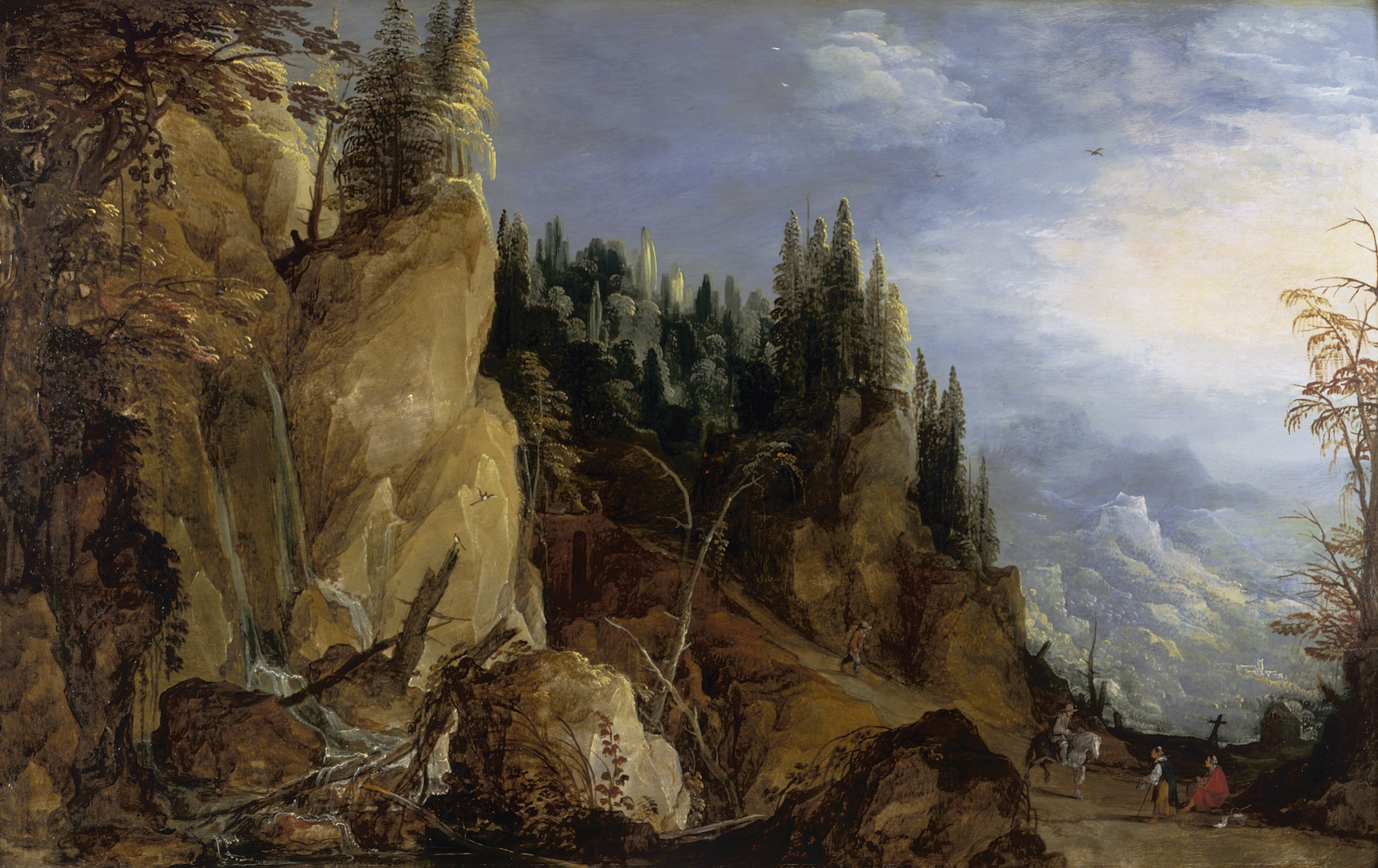
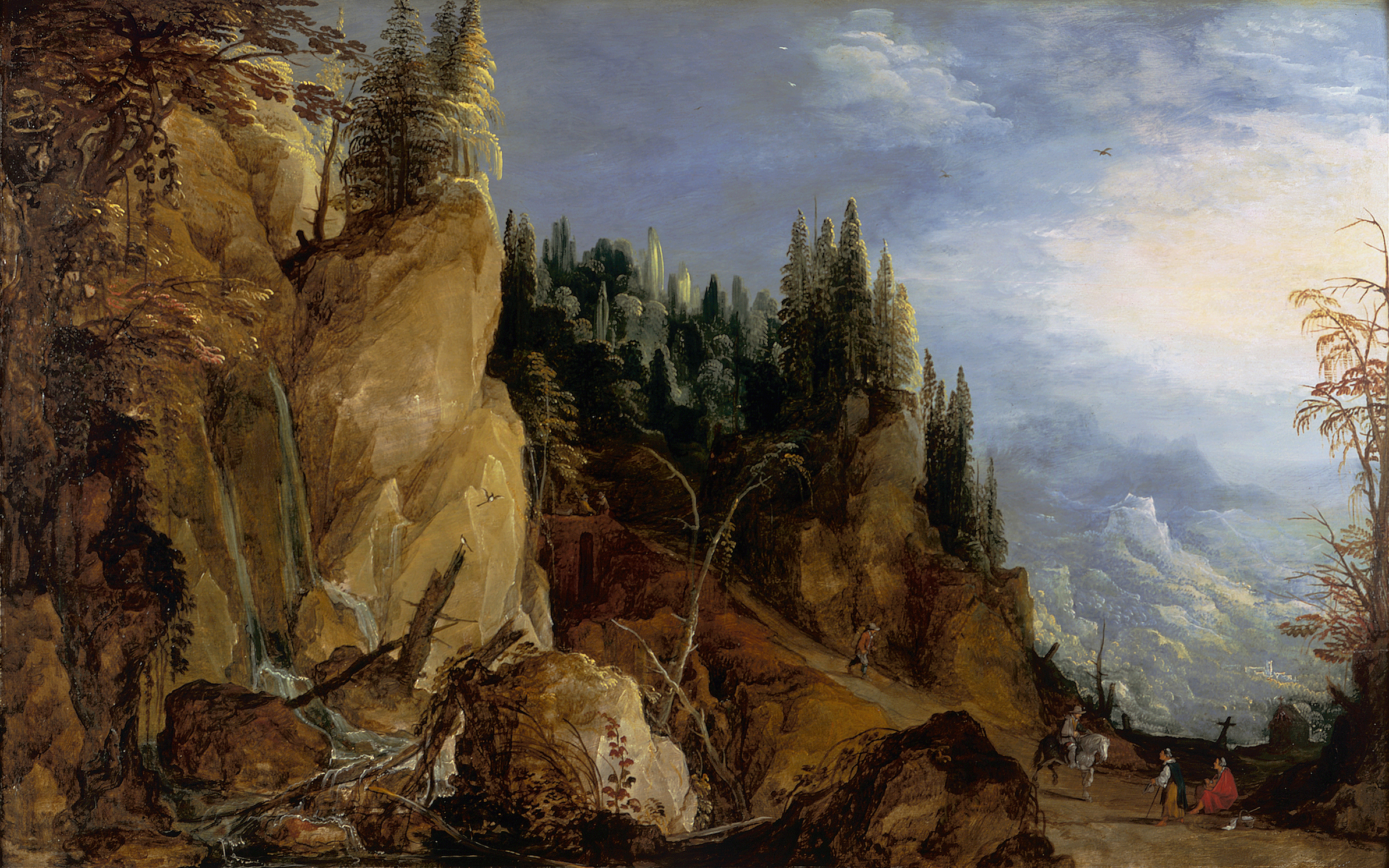
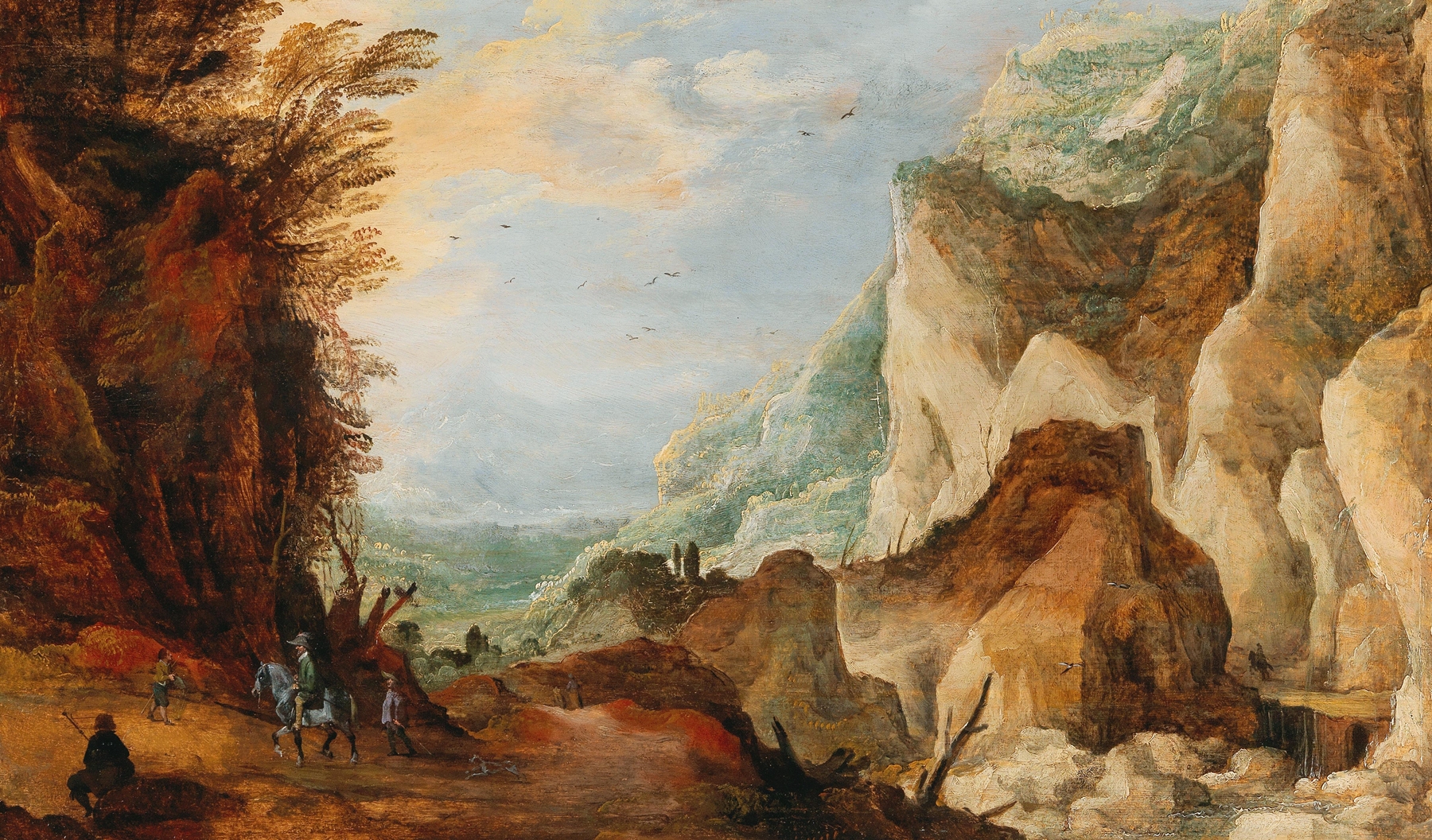
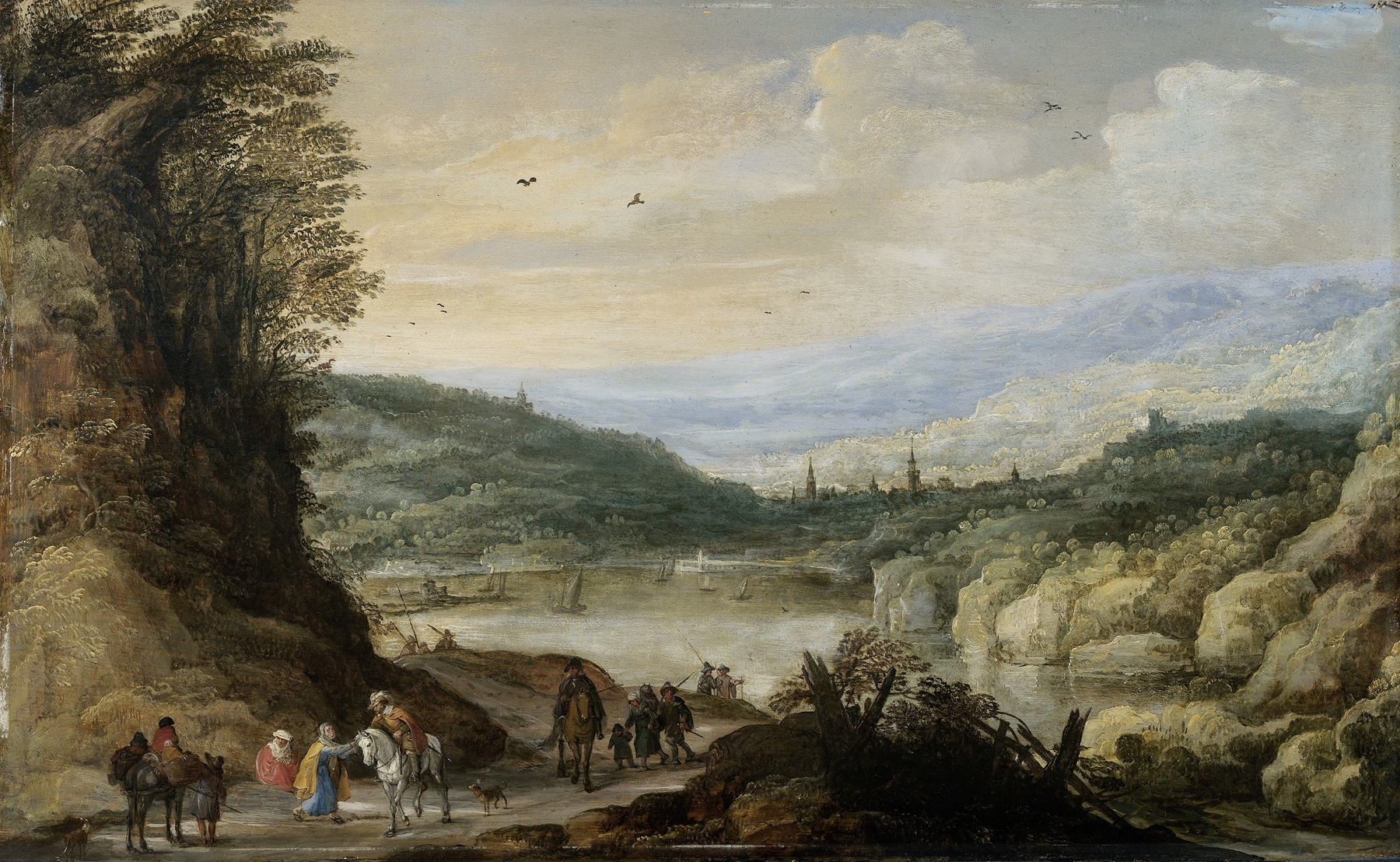
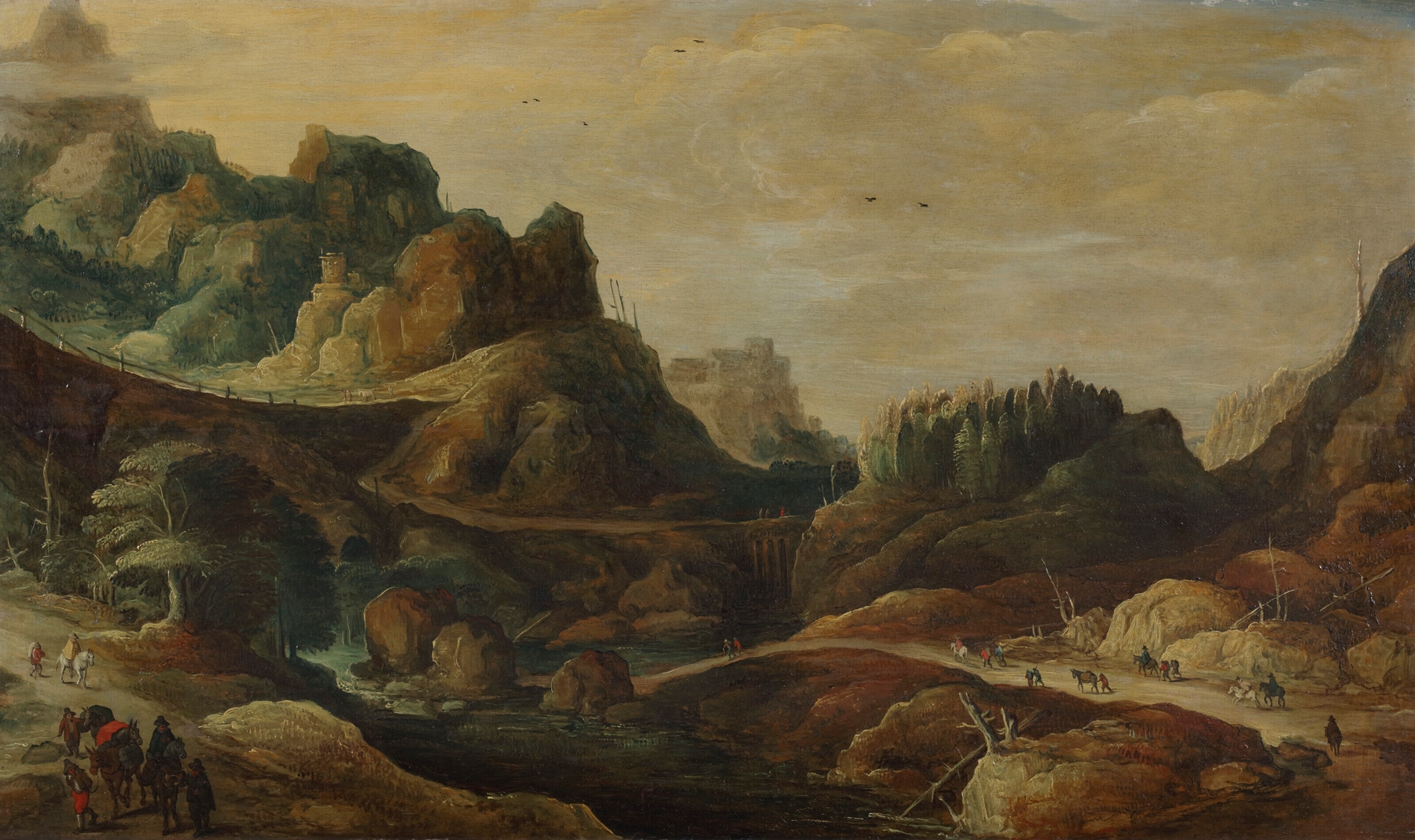
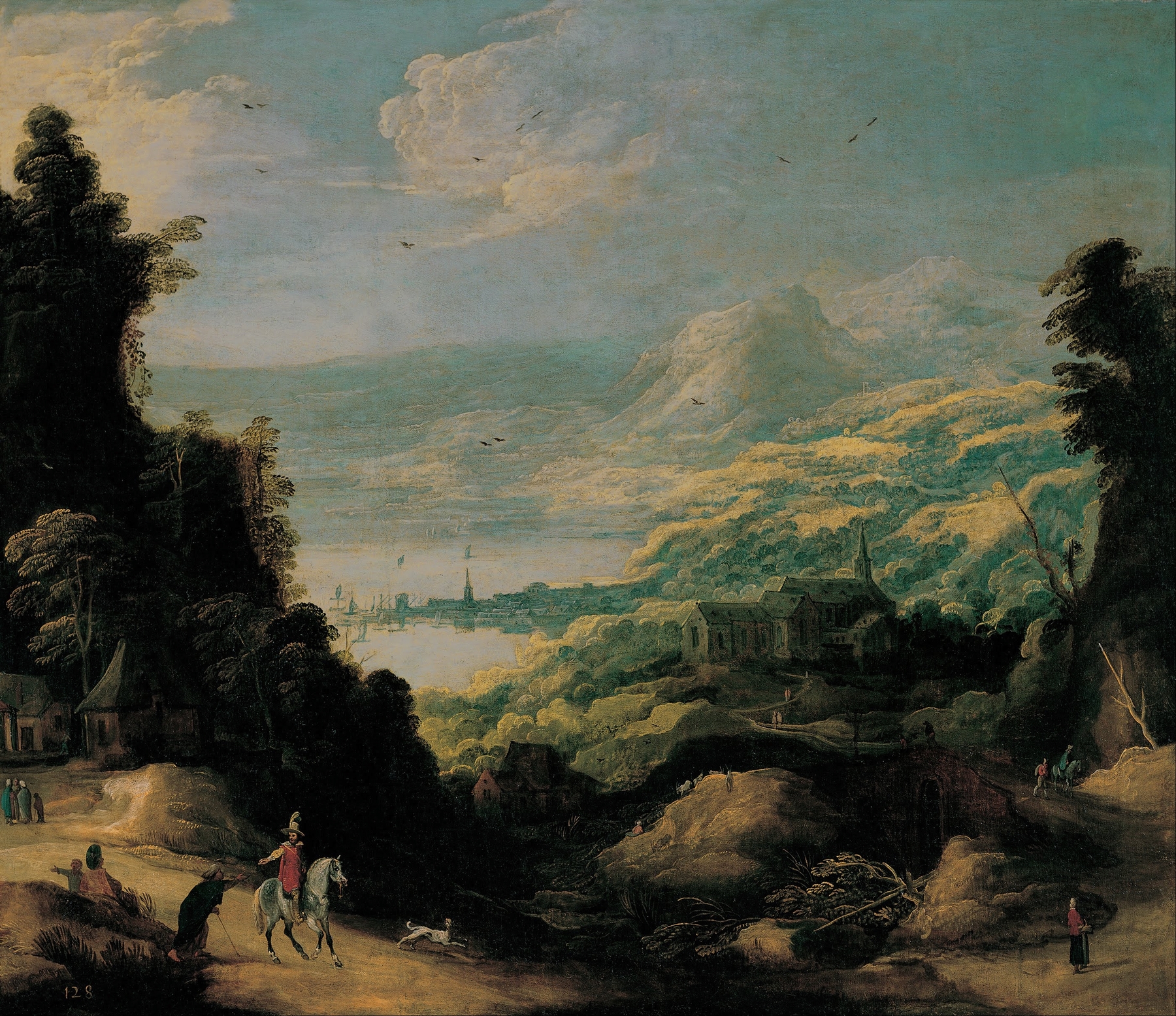
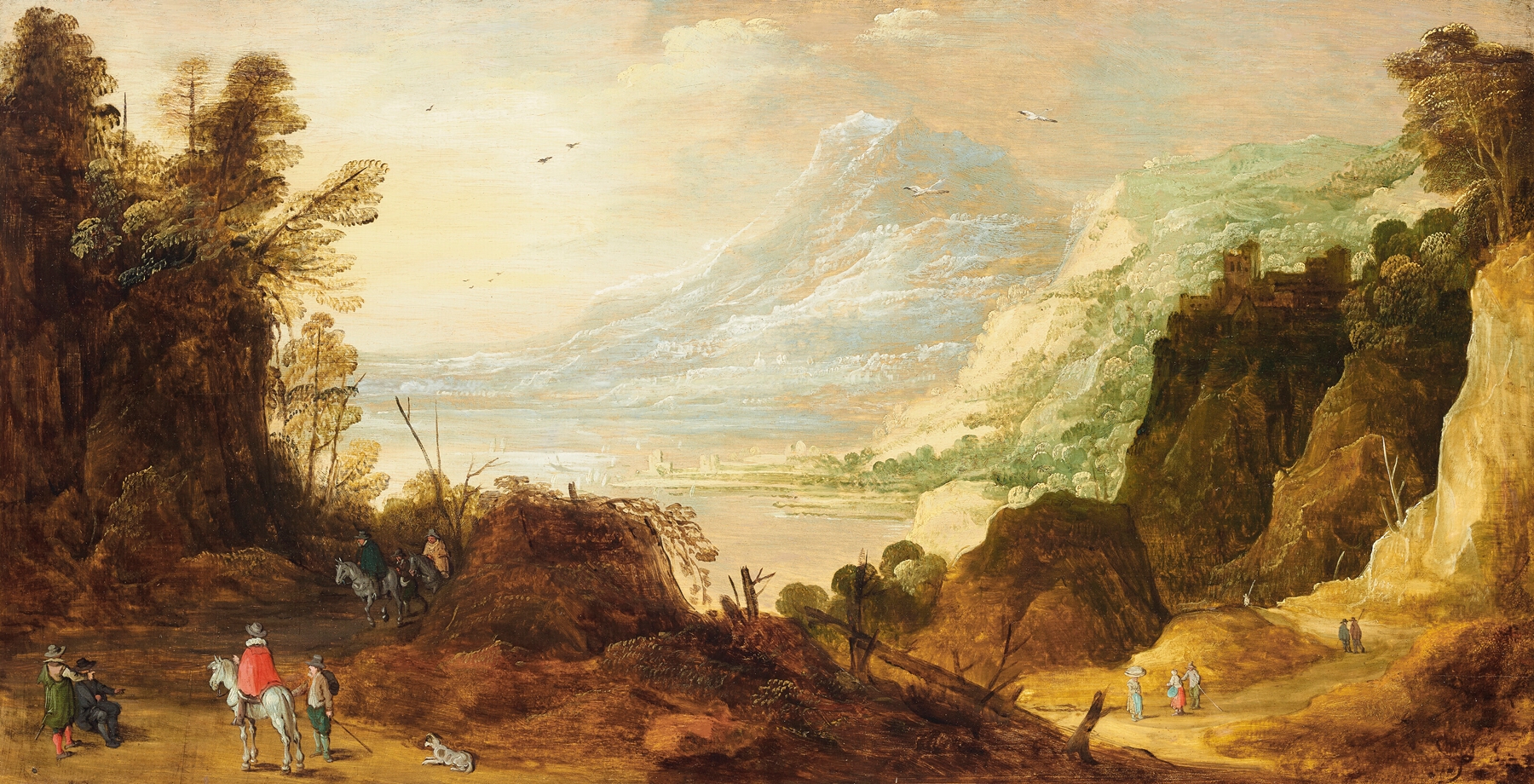
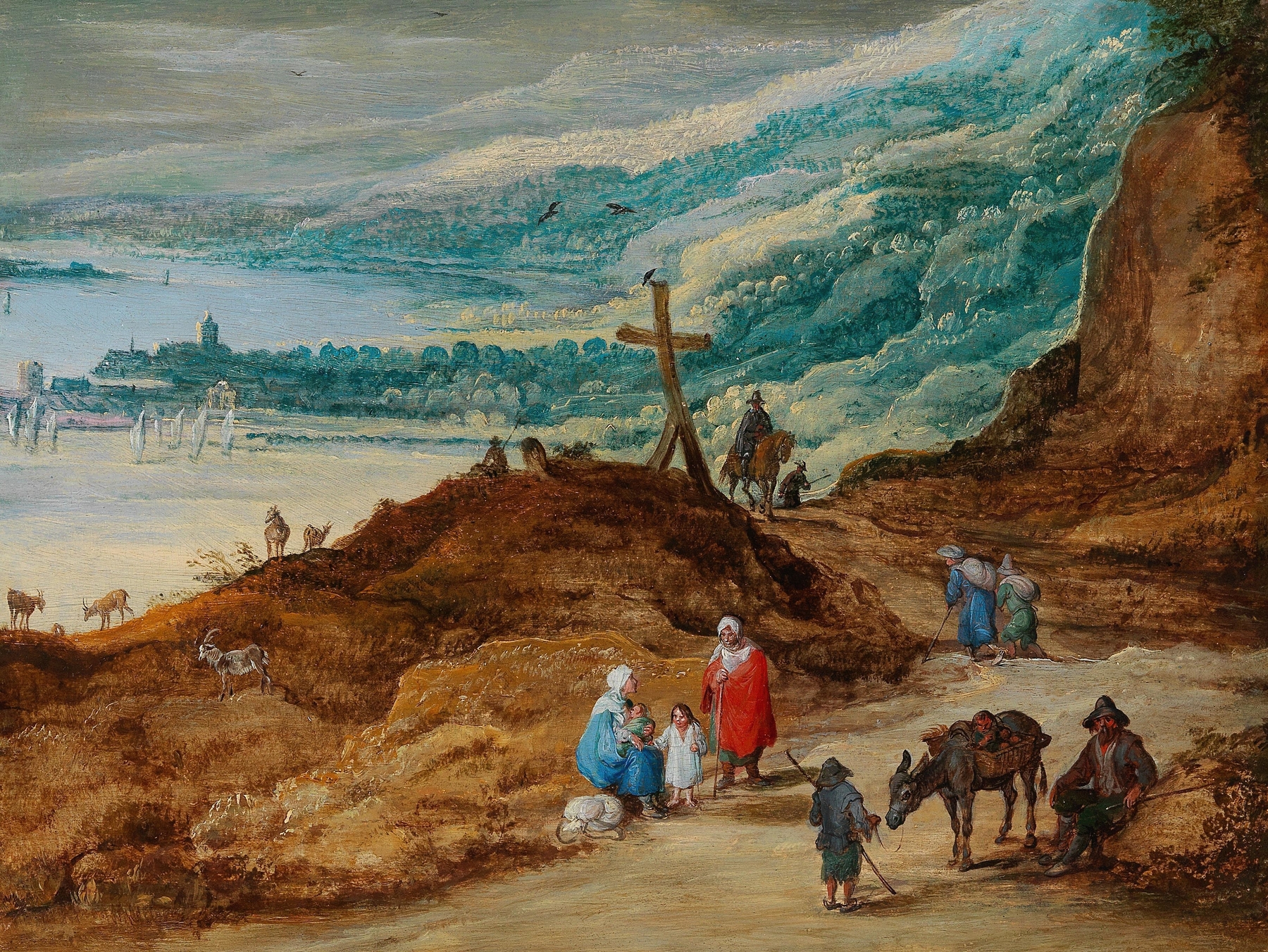
Could beauty survive in a century of chaos? In the lush expanse of a summer landscape, the vibrant colors and lively figures suggest a yearning for a world unspoiled, brimming with the promise of harvest. Focus first on the figures to the right, their hands engaged in the age-old ritual of gathering crops. Notice how de Momper’s delicate brushwork breathes life into the scene; the sun-drenched fields shimmer with golds and greens, inviting the viewer into a warm embrace. The towering trees frame the horizon, their leafy canopies filtering sunlight, creating a dappled effect that dances across the lush ground.
Every stroke reveals a meticulous attention to detail, drawing the eye through the composition and instilling a sense of tranquility amidst labor. Yet, beneath this idyllic surface lies a tension between toil and serenity. The harvest symbolizes both abundance and the fragility of nature, a reminder of the fleeting moments of peace in a world often plagued by unrest. The figures, while animated with purpose, are dwarfed by the vastness of the landscape, evoking a sense of solitude even in collective effort.
This interplay between human endeavor and the grandeur of nature suggests an underlying yearning for harmony, a nostalgia for simpler times. De Momper painted this scene in the late Renaissance, a period marked by significant transitions in art and society. Working primarily in Antwerp, he was influenced by the burgeoning interest in landscape painting, blending naturalism with an idealized vision of rural life. This particular work reflects both his skill and the cultural longing for a connection to the pastoral amidst the upheaval of the era, encapsulating a moment of serene beauty in a time of profound change.